Introduction
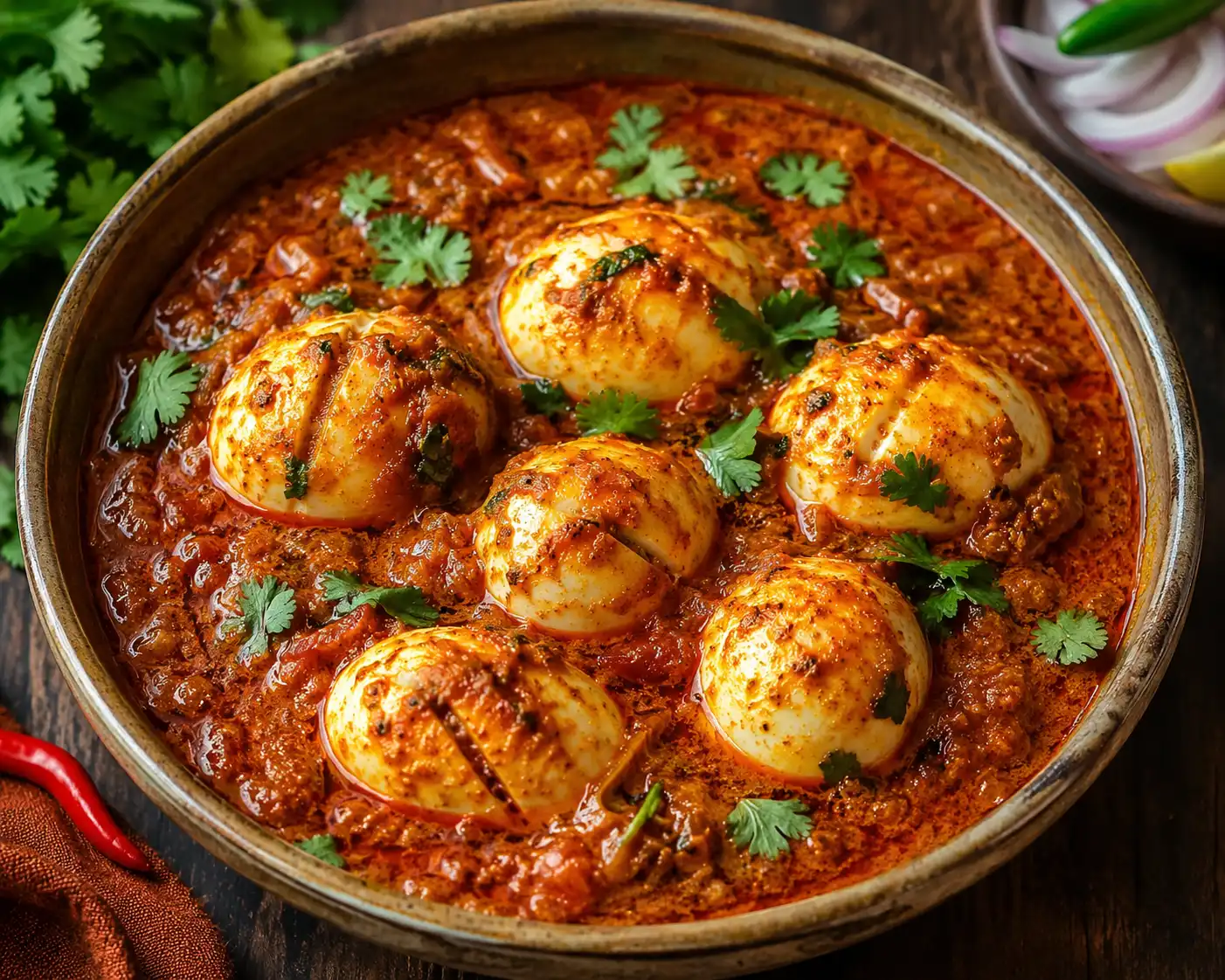
Prepare your taste buds for an unforgettable culinary journey—Resistibly Spicy Egg Curry is not just a dish; it’s a vibrant, aromatic celebration of bold Indian flavors, slow-simmered warmth, and the humble egg transformed into something extraordinary. This rich, velvety curry strikes the perfect balance between fiery heat, tangy depth, creamy texture, and soul-soothing spice—making it equally at home on a weeknight dinner table, a festive spread, or as a comforting solo meal with warm naan or steamed basmati rice. Whether you’re a seasoned curry connoisseur or new to Indian home cooking, this recipe welcomes you with open arms—and just a hint of chili-induced euphoria.
The History
Egg curry traces its roots to the diverse regional cuisines of India and Pakistan, where resourceful cooks elevated inexpensive, protein-rich eggs into hearty, flavorful main courses during times of economic constraint and colonial influence. Its evolution reflects centuries of culinary cross-pollination: the Portuguese introduced chilies to the Indian subcontinent in the 16th century—a game-changer that redefined heat profiles across South Asian cooking—while British colonial kitchens popularized the fusion of Anglo-Indian techniques like gentle braising and spice-layering. In Maharashtra, Anda Rassa features tamarind-kissed, black-pepper-laced gravy; in Kerala, coconut milk and curry leaves lend a tropical complexity; and in Punjab, tomatoes and garam masala create a robust, restaurant-style depth. Over time, egg curry became a beloved staple across dhabas (roadside eateries), middle-class households, and even upscale modern bistros—symbolizing adaptability, nourishment, and unapologetic flavor. Today’s “Resistibly Spicy” iteration honors that legacy while amplifying heat, aroma, and textural contrast—paying homage to tradition without sacrificing contemporary boldness.
Ingredients Breakdown
Every element in this curry plays a deliberate role—not just in flavor, but in function:
- Eggs: Hard-boiled and lightly fried or pricked—adds protein, richness, and surface area for gravy absorption. Using farm-fresh eggs yields creamier yolks and better binding in the sauce.
- Onions: Finely chopped and slowly caramelized—form the foundational sweetness and body of the gravy. Red onions add subtle sharpness; yellow onions offer deeper caramel notes.
- Tomatoes: Ripe, fleshy varieties (like Roma or vine-ripened) provide natural acidity, pectin for thickening, and lycopene-rich depth. Blended or finely pureed for silkiness.
- Garlic-Ginger Paste: Freshly ground—not powdered—is non-negotiable. It unlocks volatile oils responsible for aromatic lift, digestive benefits, and anti-inflammatory synergy.
- Green Chilies: Serrano or Thai bird’s eye for searing heat; jalapeños for milder fire. Slit lengthwise to control spice infusion without overwhelming bitterness.
- Dry Spices: A layered trio—mustard seeds (tempered first for nutty pop), coriander and cumin seeds (dry-roasted and ground for earthy warmth), and garam masala (added late to preserve volatile top notes).
- Kashmiri Red Chili Powder: The secret weapon—vibrant red hue, moderate heat, and fruity-smoky undertones that deepen color and complexity without brute-force burn.
- Turmeric & Fenugreek: Turmeric lends golden hue and potent curcumin; a whisper of kasuri methi (dried fenugreek leaves) adds bittersweet umami—crushed between palms to awaken aroma.
- Yogurt or Cashew Cream: For luxurious mouthfeel and cooling contrast. Full-fat, room-temp yogurt prevents splitting; cashew cream (soaked + blended) offers dairy-free silkiness and subtle sweetness.
- Fresh Herbs & Acids: Cilantro for brightness, lemon juice for final tangy lift, and a splash of tamarind concentrate (optional) for rounded sourness that balances heat and sweetness.
Step-by-Step Recipe
- Prep the Eggs: Place eggs in a saucepan, cover with cold water, bring to a rolling boil, then reduce heat and simmer for 9 minutes. Immediately transfer to ice water for 10 minutes. Peel carefully, pat dry, and optionally shallow-fry in 1 tsp oil until golden and slightly blistered—this creates a protective crust that prevents mushiness during simmering.
- Temper the Base: Heat 3 tbsp mustard oil (or refined vegetable oil) in a heavy-bottomed kadhai or Dutch oven over medium heat. Add 1 tsp mustard seeds and ½ tsp cumin seeds. Let them splutter and turn grey—about 30 seconds. Immediately add 1 finely chopped medium onion and sauté for 8–10 minutes until soft, translucent, and beginning to caramelize at edges.
- Bloom the Aromatics: Stir in 1 tbsp ginger-garlic paste and 2–3 slit green chilies. Cook 2 minutes until raw smell disappears. Add 1 tbsp Kashmiri chili powder, 1 tsp turmeric, and 1 tsp coriander powder. Toast gently for 45 seconds—stirring constantly—to release essential oils without burning.
- Build the Tomato Base: Add 2 cups finely pureed ripe tomatoes (no water added). Cook on medium-low, stirring frequently, for 15–18 minutes until oil begins to separate from the masala and mixture thickens into a deep brick-red paste. Scrape the bottom often to prevent sticking.
- Enrich & Deepen: Whisk in ¼ cup full-fat yogurt (or 3 tbsp cashew cream) and cook 4–5 minutes until fully incorporated and glossy. Stir in ½ tsp garam masala, ½ tsp crushed kasuri methi, and 1 tsp sugar (to balance acidity). Simmer uncovered for 3 minutes.
- Simmer the Curry: Gently fold in the prepared eggs. Add 1¼ cups hot water (or light vegetable stock) to reach desired consistency—think “coating but not swimming.” Bring to a gentle bubble, then reduce heat to low. Cover and simmer for 12–15 minutes, stirring once halfway, allowing eggs to absorb flavor while maintaining integrity.
- Finish with Finesse: Uncover, adjust salt (start with 1½ tsp, then taste), and add 1 tbsp fresh lemon juice. Garnish generously with chopped cilantro, a drizzle of raw mustard oil (optional, for pungent authenticity), and a final whisper of garam masala. Rest off heat for 5 minutes before serving—this melds flavors and allows gravy to settle.
Tips
- Oil Matters: Mustard oil imparts authentic pungency and high-heat stability—but if unavailable, substitute with sunflower or avocado oil and add ½ tsp black mustard oil *after* cooking for aroma.
- No-Split Yogurt Hack: Always use room-temperature yogurt. Whisk it smooth before adding, then incorporate gradually while stirring constantly. Never add cold yogurt to hot masala.
- Egg Texture Guardian: Prick peeled eggs with a toothpick before frying or simmering—this helps gravy penetrate *just enough*, avoiding rubbery exteriors or cracked yolks.
- Spice Control Mastery: Toast whole spices separately, cool, then grind for maximum freshness. Reserve ¼ tsp chili powder to stir in at the end—lets you calibrate heat after tasting the base.
- Low-and-Slow Wins: Rushing the tomato reduction leads to watery, sour curry. Patience = depth. If pressed for time, use a pressure cooker: sauté aromatics, add tomatoes and spices, pressure-cook 4 minutes, then proceed.
- Resting is Ritual: Letting the curry sit off-heat for 10 minutes before serving allows starches to relax, flavors to harmonize, and oil to rise—creating visual allure and balanced mouthfeel.
- Leftover Magic: This curry tastes even better the next day. Reheat gently with a splash of water—the eggs plump up, and spices bloom anew.
Variations and Customizations
This recipe is gloriously adaptable—here’s how to make it your own:
- Vegan Version: Replace eggs with firm tofu cubes (pressed, marinated in 1 tsp soy sauce + ½ tsp smoked paprika, pan-seared). Use cashew cream + coconut milk blend instead of yogurt. Skip ghee-based garnishes.
- Coconut-Kerala Style: Swap ½ cup water for unsweetened coconut milk. Add 1 tsp grated fresh coconut (toasted) and 8–10 torn curry leaves during tempering. Finish with roasted coconut flakes.
- Restaurant-Style “Butter Chicken Egg Curry”: Stir in 2 tbsp butter and 1 tbsp heavy cream at the end. Garnish with grilled paneer cubes and extra kasuri methi.
- Smoky Dal-Egg Fusion: Add ½ cup cooked, mashed toor dal (split pigeon peas) to the tomato base for extra body and earthy umami—ideal for monsoon comfort.
- Breakfast Twist: Serve warm over buttered toast or dosa batter pancakes. Top with sliced red onion, mint chutney, and a soft-boiled egg yolk.
- Grill-Forward: Skewer hard-boiled eggs, brush with curry marinade, and grill for 2–3 minutes per side—then fold into warm gravy for charred dimension.
- Regional Heat Profiles:
- Goan: Add 1 tsp vinegar + ½ tsp dried kokum.
- Hyderabadi: Infuse 2–3 strands saffron in 1 tbsp warm milk; stir in at the end.
- Bengali: Stir in 1 tsp poppy seed paste (khas khas) and a pinch of ground mustard.
Health Considerations and Nutritional Value
A single 1-cup serving (approx. 240g) of this Resisitbly Spicy Egg Curry delivers approximately 225–260 kcal, with:
- Protein: ~14g (from 3 large eggs)—complete amino acid profile supporting muscle repair and satiety.
- Healthy Fats: ~12g—mostly monounsaturated (from mustard oil) and omega-3 precursors (from fenugreek and spices); zero trans fats when made traditionally.
- Fiber & Micronutrients: 3g dietary fiber (onions, tomatoes, spices); rich in vitamin A (tomatoes, turmeric), vitamin B12 (eggs), iron (spices + eggs), and antioxidants (lycopene, curcumin, capsaicin).
- Functional Benefits: Capsaicin in chilies boosts metabolism and endorphin release; ginger aids digestion and reduces nausea; turmeric’s curcumin has well-documented anti-inflammatory properties—enhanced by black pepper (piperine) in garam masala.
Considerations: While inherently nutritious, portion control matters—especially for those monitoring sodium (adjust salt mindfully) or managing GERD (reduce chilies and acidic elements like lemon/tamarind). For low-FODMAP diets, limit onion/garlic (substitute infused oil + garlic-infused salt) and skip cashews. Diabetics will appreciate its low glycemic index (<15) thanks to high protein/fat and minimal added sugars.
Ingredients
- 6 large eggs (free-range preferred)
- 3 tbsp mustard oil (or refined sunflower oil)
- 1 tsp black mustard seeds
- ½ tsp cumin seeds
- 2 medium yellow onions (finely chopped, ~1½ cups)
- 1 tbsp freshly grated ginger + 1 tbsp minced garlic (or 2 tbsp store-bought paste)
- 2–4 green chilies (slit lengthwise; adjust to heat preference)
- 2 tbsp Kashmiri red chili powder (for color & mild heat)
- 1 tsp ground turmeric
- 1½ tsp coriander powder
- 2 cups ripe tomato puree (no added salt or water)
- ¼ cup full-fat plain yogurt (room temperature) or 3 tbsp cashew cream (soaked 4 hrs, blended smooth)
- ½ tsp garam masala (plus extra for garnish)
- ½ tsp crushed kasuri methi (dried fenugreek leaves)
- 1 tsp sugar (jaggery preferred)
- 1¼ cups hot water or light vegetable stock
- 1½–2 tsp sea salt (to taste)
- 1 tbsp fresh lemon juice
- Fresh cilantro leaves (for garnish)
- Optional: ½ tsp raw mustard oil (for finishing), toasted cumin seeds, or sev (crunchy chickpea noodles)
Directions
- Hard-boil eggs using the precise 9-minute method described above. Cool completely in ice bath, peel gently, and pat dry. Optional but recommended: shallow-fry in 1 tsp oil until golden and lightly blistered. Set aside.
- In a heavy-bottomed pan or kadhai, heat mustard oil over medium flame. Add mustard and cumin seeds; let splutter 30 seconds until fragrant and seeds turn grey.
- Add chopped onions and sauté 8–10 minutes until soft, golden, and caramelized at edges. Stir frequently to prevent burning.
- Stir in ginger-garlic paste and slit green chilies. Cook 2 minutes until aromatic and moisture evaporates.
- Add Kashmiri chili powder, turmeric, and coriander powder. Toast 45 seconds—stirring nonstop—until spices are fragrant and oil begins to shimmer around edges.
- Pour in tomato puree. Reduce heat to medium-low. Cook uncovered, stirring every 2–3 minutes, for 15–18 minutes until masala thickens significantly, darkens to deep rust-red, and oil starts separating at the sides.
- Whisk in yogurt (or cashew cream) smoothly. Cook 4–5 minutes until fully emulsified and glossy.
- Add garam masala, kasuri methi, sugar, and salt (start with 1½ tsp). Stir 2 minutes, then add hot water gradually while stirring to reach a rich, coat-the-back-of-a-spoon consistency.
- Gently fold in fried eggs. Bring to gentle simmer, then lower heat to lowest setting. Cover and cook 12–15 minutes—do not stir vigorously; tilt pan to redistribute gravy occasionally.
- Uncover. Taste and adjust salt, heat (add reserved chili powder if needed), and tang (more lemon if desired). Stir in lemon juice.
- Remove from heat. Garnish generously with cilantro, optional raw mustard oil drizzle, and final pinch of garam masala. Rest 5–10 minutes before serving.
- Serve hot with jeera rice, butter naan, pav, or even quinoa for a modern twist. Pair with cooling raita or mango lassi to balance the fire.
FAQ
- Can I make this curry ahead of time?
- Absolutely—and highly recommended! Flavors deepen overnight. Store covered in the refrigerator for up to 4 days. Reheat gently on stovetop with 1–2 tbsp water, stirring occasionally. Avoid microwaving at high power—it can make eggs rubbery.
- Why do my eggs crack or become rubbery?
- Cracking happens from thermal shock (adding cold eggs to hot gravy) or vigorous stirring. Solution: add eggs at room temp, fold gently, and avoid boiling post-addition. Rubberiness results from overcooking—keep simmer low and time strictly. Pricking helps, but gentle handling is key.
- Can I freeze this egg curry?
- Eggs don’t freeze well—they develop sulfur notes and grainy texture upon thawing. However, you *can* freeze the base (masala) for up to 3 months. Thaw, reheat, then add freshly prepared eggs.
- What if I don’t have mustard oil?
- You can substitute neutral oil—but for authenticity, heat 2 tbsp neutral oil + ½ tsp black mustard oil *at the very end*, just before garnishing. That delivers signature pungency without overpowering.
- Is this curry gluten-free?
- Yes—naturally gluten-free, provided all spice blends (especially garam masala) are certified GF (some commercial versions contain wheat fillers). Always check labels if sensitive.
- How spicy is “resistibly spicy” really?
- It’s calibrated to be *bold but approachable*: layers of heat (chili powder + fresh chilies) balanced by cooling agents (yogurt, eggs, lemon). You control the burn—start with 2 chilies and 1 tbsp chili powder, then build. True “resistance” lies in how delicious it is—even when your lips tingle.
- Can I use pre-boiled or store-bought hard-boiled eggs?
- Technically yes—but texture suffers. Pre-boiled eggs often have gray-green yolks and spongy whites that disintegrate. For best results, boil fresh, cool properly, and peel just before frying/simmering.
- What’s the best way to reheat leftovers without drying them out?
- Use a double boiler or low-flame saucepan. Add 1–2 tbsp hot water or stock, cover, and warm for 5–7 minutes—stirring only twice. Never reboil. A steam basket works beautifully too.
Summary
Resistibly Spicy Egg Curry is a masterclass in layered heat, aromatic depth, and comforting richness—where humble eggs become vessels for complex, slow-built South Asian flavors. With its vibrant crimson gravy, tender-yet-toothy eggs, and symphony of toasted spices, it delivers restaurant-worthy drama with weeknight practicality.
Whether you crave fiery adventure, nostalgic comfort, or a nutritionally robust, protein-packed meal that wows without fuss—this curry answers the call, one irresistible, tongue-tingling bite at a time.