Introduction
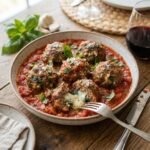
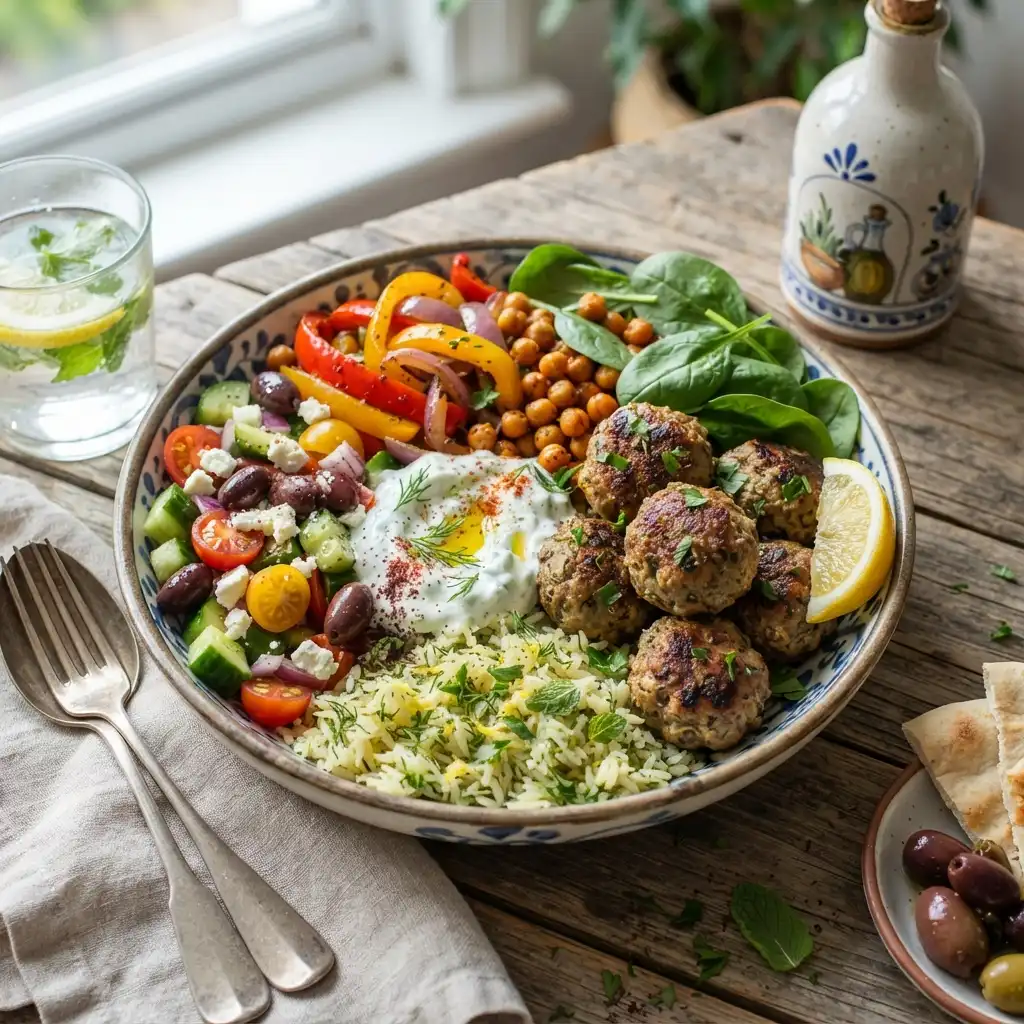
Welcome to the ultimate culinary journey through the sun-drenched coasts of the Mediterranean, captured within a single, nourishing bowl. The Mediterranean Meatball Bowl: Tzatziki, Rice & Colourful Veggies Delight is not merely a meal; it is an experience that harmonizes robust flavors, vibrant textures, and wholesome nutrition into one convenient package. Imagine tender, herb-infused meatballs nestled atop a bed of fluffy, aromatic rice, surrounded by a rainbow of crisp, fresh vegetables, all drizzled with a cooling, creamy tzatziki sauce that ties every element together. This dish represents the perfect balance between comfort food and health-conscious eating, offering a satisfying depth of flavor without the heaviness often associated with traditional meat-centric dishes.
In today’s fast-paced world, finding a meal that is both quick to prepare and rich in cultural heritage can be a challenge. This bowl bridges that gap, providing a solution for busy weeknights, meal prep enthusiasts, and anyone seeking to elevate their lunch game. The interplay of warm spices in the meatballs against the cool tang of yogurt-based sauce creates a sensory contrast that delights the palate. Furthermore, the inclusion of colourful veggies ensures that every bite provides a crunch and a burst of natural sweetness, making this dish as visually appealing as it is delicious. Whether you are a seasoned home cook or a beginner in the kitchen, this recipe promises to become a staple in your repertoire, offering endless possibilities for customization while staying true to its Mediterranean roots.
The History
To truly appreciate the Mediterranean Meatball Bowl, one must delve into the rich historical tapestry of its components. Meatballs, known variously as keftedes in Greece, polpettes in Italy, or kofta in the Middle East, have been a cornerstone of Mediterranean cuisine for centuries. Historically, meatballs were a ingenious way to stretch expensive meat with fillers like bread, rice, or vegetables, ensuring that families could be fed generously even when resources were scarce. In ancient Greece, meatballs were often seasoned with local herbs like oregano and mint, reflecting the region’s abundant flora. Over time, these humble spheres evolved from simple sustenance into celebrated dishes served at festivals and family gatherings.
Tzatziki, the iconic yogurt and cucumber sauce, traces its origins back to the Ottoman Empire, with roots influencing Turkish, Greek, and Middle Eastern cuisines. Traditionally served as a meze or appetizer alongside grilled meats, tzatziki was designed to cool the palate against spicy or heavily seasoned dishes. The combination of strained yogurt, garlic, lemon, and cucumber creates a probiotic-rich condiment that aids digestion while adding a luxurious creaminess. When paired with rice, another staple crop cultivated in the region for millennia, the bowl becomes a testament to the agricultural history of the Mediterranean basin. The concept of the “bowl” itself is a modern adaptation, drawing from the ancient tradition of serving stewed meats over grains, but updated for contemporary aesthetics and nutritional balance.
The integration of colourful vegetables into this dish honors the Mediterranean Diet, which was recognized by UNESCO as an Intangible Cultural Heritage of Humanity. This diet emphasizes the consumption of fresh, seasonal produce, olive oil, and lean proteins. By combining these historical elements into a single bowl, we are not just cooking; we are participating in a culinary lineage that prioritizes health, community, and the joy of sharing food. The evolution of this dish from ancient hearths to modern kitchens illustrates the timeless appeal of Mediterranean flavors and their ability to adapt to changing lifestyles without losing their soul.
Ingredients Breakdown
Understanding the role of each ingredient is crucial to mastering this dish. The meatballs are the star, typically made from a combination of ground lamb and beef. Lamb provides a distinct, gamey richness that is quintessential to Mediterranean flavor profiles, while beef adds tenderness and structure. The binding agents, such as breadcrumbs or soaked bread, ensure the meatballs remain juicy rather than becoming dense bricks. Fresh herbs like parsley, mint, and dill are not mere garnishes; they are essential aromatics that infuse the meat with brightness, cutting through the richness of the fat.
The rice serves as the canvas for the bowl. Long-grain white rice or basmati is preferred for its fluffy texture, though brown rice or quinoa can be used for added fiber. Cooking the rice in broth instead of water infuses it with savory depth, ensuring that the base of the bowl is flavorful on its own. The colourful veggies are selected for both nutrition and textural contrast. Cherry tomatoes offer bursts of acidity, cucumbers provide a refreshing crunch, and red onions add a sharp bite that mellows when pickled slightly. Bell peppers contribute sweetness and vibrant color, making the dish visually stimulating.
Tzatziki is the glue that binds the bowl together. The quality of the yogurt is paramount; Greek yogurt is preferred for its thickness and high protein content. The cucumber must be grated and thoroughly drained to prevent the sauce from becoming watery. Fresh garlic and lemon juice provide the necessary tang and kick, while extra virgin olive oil adds a fruity, peppery finish that enhances the overall mouthfeel. Each component is chosen to complement the others, creating a symphony of flavors where no single element overpowers the rest, but rather they elevate one another in every bite.
Step-by-Step Recipe
Creating the perfect Mediterranean Meatball Bowl requires attention to detail and a methodical approach. Begin by preparing the rice, as this takes the longest to cook. Rinse the rice thoroughly to remove excess starch, then simmer it in chicken or vegetable broth with a bay leaf until tender. While the rice cooks, prepare the vegetables by washing and chopping them into uniform bite-sized pieces to ensure even distribution in the bowl. If you prefer a milder onion flavor, soak the sliced red onions in cold water for ten minutes before assembling.
Next, focus on the meatballs. In a large mixing bowl, combine the ground meats with finely minced onions, garlic, herbs, spices, and your binding agent. Mix gently with your hands until just combined; overmixing can lead to tough meatballs. Form the mixture into uniform spheres, roughly the size of a golf ball, to ensure even cooking. Heat a skillet with olive oil over medium-high heat and sear the meatballs on all sides until a golden-brown crust forms. Finish them in the oven to ensure they are cooked through without drying out. This two-step cooking method locks in juices and develops complex flavors through the Maillard reaction.
While the meatballs rest, whip up the tzatziki. Grate the cucumber and squeeze out as much liquid as possible using a clean kitchen towel. Mix the cucumber with yogurt, minced garlic, lemon juice, olive oil, and fresh dill. Season with salt and pepper to taste. Allow the sauce to chill in the refrigerator for at least thirty minutes to let the flavors meld. Finally, assemble the bowls by placing a generous portion of rice at the bottom, arranging the meatballs and vegetables around the perimeter, and dolloping a generous amount of tzatziki on top. Garnish with extra herbs and a drizzle of olive oil before serving immediately.
Tips
To elevate your Mediterranean Meatball Bowl from good to exceptional, consider these professional tips. First, always let your meat mixture rest in the refrigerator for at least an hour before forming the meatballs. This allows the breadcrumbs to absorb the moisture and the flavors to penetrate the meat, resulting in a more cohesive and flavorful ball. Second, when searing the meatballs, do not overcrowd the pan. Crowding lowers the temperature of the skillet, causing the meat to steam rather than sear, which prevents the formation of that desirable caramelized crust.
For the tzatziki, the key is moisture control. If the cucumber is too wet, it will dilute the yogurt and make the sauce runny, which can soggy the rice in your bowl. Use a cheesecloth or a thin tea towel to wring out the grated cucumber aggressively. Additionally, using full-fat Greek yogurt will provide a richer texture and better stability than low-fat versions. Another pro tip is to warm your serving bowls slightly before assembly. This keeps the food hot for longer, enhancing the dining experience, especially during cooler months.
Meal prep enthusiasts can cook the components separately and store them in airtight containers. The meatballs and rice freeze well, while the fresh vegetables and tzatziki are best kept fresh and assembled just before eating. When reheating, add a splash of water to the rice and meatballs to restore moisture. Finally, don’t skimp on the acid. A final squeeze of fresh lemon juice over the assembled bowl just before eating brightens all the flavors and cuts through the richness of the meat and sauce, balancing the dish perfectly.
Variations and Customizations
The beauty of this bowl lies in its versatility, allowing you to adapt it to various dietary needs and flavor preferences. For a lighter protein option, substitute the beef and lamb with ground chicken or turkey. While the flavor profile will be milder, you can compensate by increasing the amount of herbs and spices in the mixture. For a vegetarian or vegan version, use lentil-walnut meatballs or chickpea patties. These plant-based alternatives hold their shape well and absorb the Mediterranean spices beautifully, providing a similar texture without the meat.
Grain swaps are also easy to implement. If you are looking to reduce carbohydrates, substitute the rice with cauliflower rice or quinoa. Quinoa adds a nutty flavor and complete protein profile, making the bowl even more nutritious. For those following a gluten-free diet, ensure your breadcrumbs are gluten-free or use crushed gluten-free crackers as a binder. The vegetable components can be rotated based on seasonality; roasted eggplant, zucchini, or carrots work wonderfully in the winter, while fresh radishes and snap peas add crunch in the spring.
Spice levels can be adjusted to suit your tolerance. Add a pinch of cayenne pepper or red chili flakes to the meatball mixture for a subtle heat. Alternatively, swirl some harissa paste into the tzatziki for a spicy kick that complements the cooling yogurt. For a dairy-free option, coconut yogurt can replace Greek yogurt in the sauce, though the flavor will be slightly sweeter, so adjust the lemon and garlic accordingly. These customizations ensure that everyone can enjoy this dish regardless of their dietary restrictions, making it a perfect choice for group gatherings.
Health Considerations and Nutritional Value
The Mediterranean Meatball Bowl is aligned with the principles of the Mediterranean Diet, which is widely regarded by health professionals as one of the healthiest eating patterns in the world. This dish is rich in lean proteins, which are essential for muscle repair and satiety. The use of olive oil provides heart-healthy monounsaturated fats that support cardiovascular health. The abundance of vegetables offers a wide spectrum of vitamins, minerals, and antioxidants that combat oxidative stress and support immune function. The fiber content from the vegetables and whole grain options aids in digestion and helps regulate blood sugar levels.
From a macronutrient perspective, this bowl offers a balanced distribution of proteins, carbohydrates, and fats. The yogurt in the tzatziki adds probiotics, which are beneficial for gut health and digestion. Garlic and onions contain allicin, a compound known for its anti-inflammatory and antimicrobial properties. Herbs like parsley and mint are not just flavor enhancers; they are packed with vitamin K and vitamin C. By controlling the portion size of the rice and increasing the volume of vegetables, you can easily manage caloric intake while maintaining high nutrient density.
However, attention should be paid to sodium levels, particularly in the broth used for the rice and the seasoning of the meatballs. Using low-sodium broth and controlling added salt can make this dish more heart-friendly. Additionally, while lamb is delicious, it is higher in saturated fat than poultry, so mixing meats or leaning towards leaner cuts can optimize the nutritional profile. Overall, this bowl is a nutrient-dense meal that supports long-term health goals without sacrificing flavor, making it a sustainable choice for everyday eating.
Ingredients
- For the Meatballs: 1 lb ground lamb and beef mix, 1/2 cup breadcrumbs, 1 small onion (finely minced), 2 cloves garlic (minced), 1/4 cup fresh parsley (chopped), 1 tbsp fresh mint (chopped), 1 tsp dried oregano, 1 egg, salt and pepper to taste.
- For the Rice: 1 cup long-grain white rice, 2 cups chicken or vegetable broth, 1 bay leaf, 1 tbsp olive oil.
- For the Veggies: 1 cup cherry tomatoes (halved), 1 cucumber (diced), 1 red bell pepper (sliced), 1/4 red onion (thinly sliced), 1/4 cup kalamata olives.
- For the Tzatziki: 1 cup Greek yogurt, 1/2 cucumber (grated and drained), 1 clove garlic (minced), 1 tbsp lemon juice, 1 tbsp olive oil, 1 tbsp fresh dill, salt to taste.
- For Garnish: Extra virgin olive oil, fresh lemon wedges, extra fresh herbs.
Directions
- Prepare the Rice: Rinse the rice under cold water until the water runs clear. In a saucepan, combine rice, broth, bay leaf, and olive oil. Bring to a boil, then reduce heat to low, cover, and simmer for 15-18 minutes until liquid is absorbed. Remove from heat and let stand covered for 5 minutes.
- Make the Tzatziki: Grate the cucumber and squeeze out excess moisture using a towel. In a bowl, mix yogurt, cucumber, garlic, lemon juice, olive oil, dill, and salt. Refrigerate until ready to serve.
- Form the Meatballs: In a large bowl, combine ground meat, breadcrumbs, onion, garlic, herbs, oregano, egg, salt, and pepper. Mix gently until combined. Roll into 1-inch balls.
- Cook the Meatballs: Heat olive oil in a skillet over medium-high heat. Sear meatballs on all sides until browned (about 5 minutes). Transfer to a baking sheet and bake at 400°F (200°C) for 10-12 minutes until cooked through.
- Prepare Veggies: While meatballs cook, chop all vegetables into bite-sized pieces. If using red onion, soak in cold water for 10 minutes to reduce sharpness.
- Assemble the Bowls: Divide rice among bowls. Arrange meatballs and vegetables around the rice. Top with a generous dollop of tzatziki.
- Serve: Drizzle with extra virgin olive oil, garnish with fresh herbs, and serve with lemon wedges on the side.
FAQ
Can I freeze the meatballs? Yes, you can freeze the cooked meatballs for up to 3 months. Allow them to cool completely before storing them in a freezer-safe bag. Thaw in the refrigerator overnight before reheating.
Is this dish gluten-free? It can be easily made gluten-free by using gluten-free breadcrumbs or substituting them with almond flour or cooked quinoa in the meatball mixture. Ensure your broth is also certified gluten-free.
How long does the tzatziki last? Homemade tzatziki will stay fresh in an airtight container in the refrigerator for up to 3 days. After that, the cucumber may release more water, affecting the texture.
Can I use pre-cooked rice? Yes, leftover rice works well. Reheat it with a splash of water or broth to restore moisture before assembling the bowl.
What can I use instead of lamb? If you dislike lamb, you can use all beef, ground chicken, or turkey. The flavor will be different but still delicious when seasoned with Mediterranean herbs.
Summary
This Mediterranean Meatball Bowl combines herb-infused meat, fluffy rice, and fresh veggies with cooling tzatziki for a balanced meal.
It offers a customizable, healthy dining experience rooted in historical flavors perfect for any occasion.