Introduction
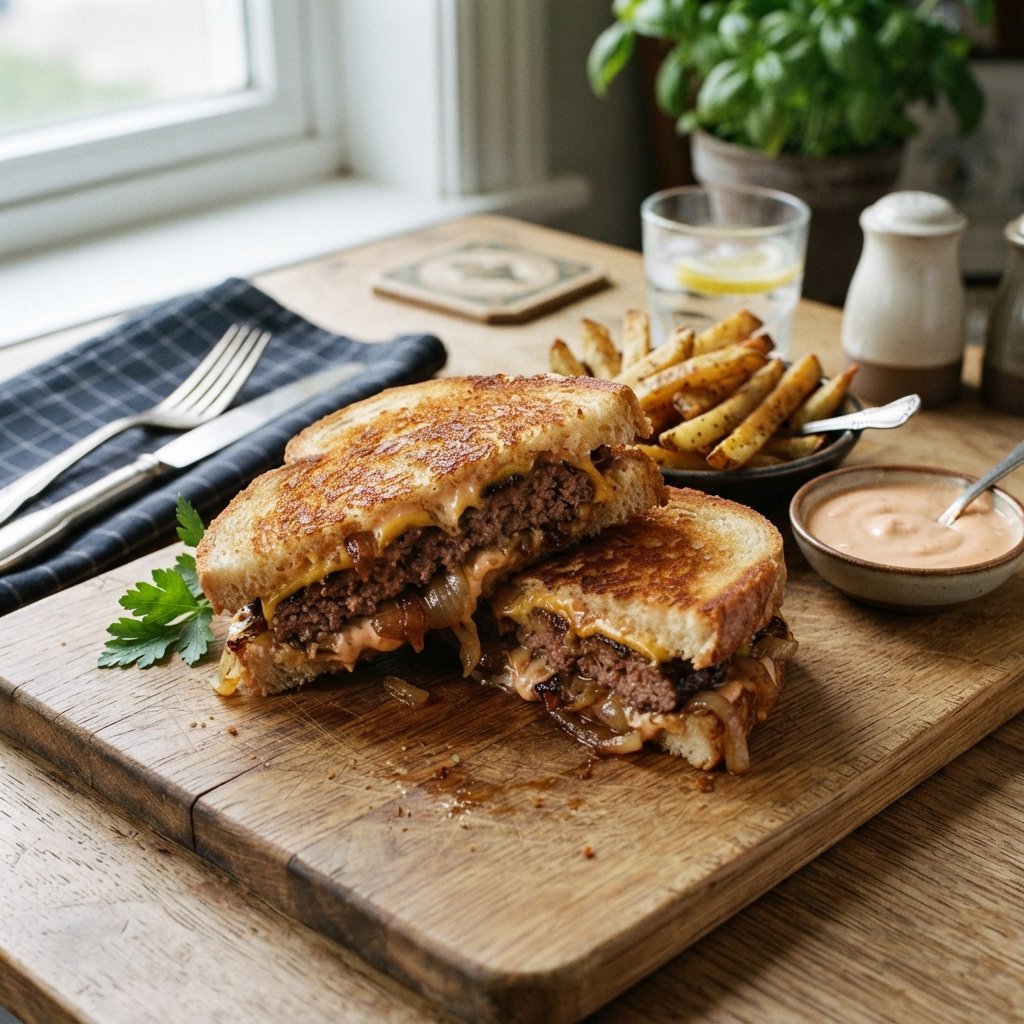
There are few comfort foods that rival the sheer satisfaction of a perfectly executed grilled patty melt. It is a culinary masterpiece that sits at the intersection of a hamburger and a grilled cheese sandwich, creating something greater than the sum of its parts. Imagine the aroma of toasted rye bread hitting the skillet, the savory sizzle of a thin beef patty, and the gooey, molten embrace of Swiss cheese mingling with sweet, caramelized onions. This isn’t just fast food; it is a diner classic that demands patience, quality ingredients, and a love for savory, buttery textures.
Whether you are looking to recreate the nostalgic taste of a 1950s roadside diner or simply want to elevate your weeknight dinner game, the grilled patty melt offers a robust flavor profile that is hard to beat. In this comprehensive guide, we will dive deep into the origins of this American icon, break down the science behind the perfect caramelization, and provide you with a foolproof recipe to create the ultimate patty melt in your own kitchen.
The History
The origins of the patty melt are steeped in American diner lore, with the most widely accepted credit going to Bob’s Big Boy restaurant in Burbank, California. Legend has it that in 1949, a customer requested a hamburger on rye bread instead of a bun. The kitchen staff obliged, adding Swiss cheese and grilled onions to the mix. The result was an instant hit, bridging the gap between the traditional burger and the European open-faced sandwich.
However, some food historians argue that the concept predates Bob’s Big Boy, suggesting that similar “hamburger melts” were served in diners across the Midwest and Northeast during the post-war era. Regardless of its exact birth certificate, the patty melt became a staple of the “Greasy Spoon” culture in the 1950s and 60s. It represented the era’s love for convenience without sacrificing heartiness. Over the decades, it has evolved from a simple diner special into a gourmet item found on the menus of high-end gastropubs, proving that true comfort food is timeless.
Ingredients Breakdown
To make a truly exceptional patty melt, one must understand the role of each component. This is not a dish where you can simply throw random ingredients together; balance is key.
- The Bread (Rye or Sourdough): The foundation of the patty melt is the bread. Traditionalists swear by seeded rye bread. The caraway seeds provide an earthy, anise-like crunch that cuts through the richness of the meat and cheese. The bread must be sturdy enough to hold the juices without becoming soggy, yet soft enough to toast beautifully. Sourdough is a popular modern alternative, offering a tangy bite that complements the beef.
- The Beef: Unlike a thick burger patty, a patty melt requires a thin, wide patty. This ensures a higher surface-area-to-volume ratio, allowing for maximum Maillard reaction (browning) and ensuring the meat cooks quickly before the bread burns. Ground chuck (80/20 fat ratio) is ideal for flavor, though leaner blends work if handled carefully.
- The Cheese: Swiss cheese (Emmental or Jarlsberg) is the classic choice. Its nutty, slightly sweet flavor pairs perfectly with the onions. However, Provolone adds a smokier depth, and sharp Cheddar offers a more aggressive tang. The cheese must have excellent melting properties to act as the “glue” holding the sandwich together.
- The Onions: These are not just a garnish; they are a main event. They must be sliced thinly and cooked low and slow until they reach a state of deep caramelization. Raw or undercooked onions will provide a harsh crunch that ruins the texture of the melt.
- The Fat (Butter vs. Mayo): To get that golden-brown, crispy exterior, you need a fat for the griddle. Butter provides the classic, rich diner flavor, while mayonnaise (spread on the outside of the bread) has a higher smoke point and creates an incredibly crisp, even crust.
Step-by-Step Recipe
Creating the perfect grilled patty melt is a process of timing and heat management. Follow these steps to achieve diner-quality results.
Phase 1: The Onions
Begin by slicing two large yellow onions into thin, uniform strips. Heat a tablespoon of butter and a splash of oil in a large skillet over medium-low heat. Add the onions and a pinch of salt. The salt draws out moisture, helping them cook down. Stir occasionally. This process takes time—anywhere from 20 to 30 minutes. You want them dark golden brown and sweet, not burnt. Once done, remove them from the pan and set aside.
Phase 2: The Patties
While the onions cook, divide your ground beef into four equal portions. Do not form them into balls; instead, press them into thin, oval shapes that roughly match the size of your bread slices. Season generously with kosher salt and freshly cracked black pepper. Increase the heat on your skillet to medium-high. Cook the patties for about 2-3 minutes per side. You want a deep brown crust. In the last minute of cooking, place a slice of Swiss cheese on each patty and cover the pan with a lid to steam-melt the cheese.
Phase 3: The Assembly and Grill
Butter one side of each slice of rye bread. Place two slices, butter-side down, onto the skillet (you may need to do this in batches). Layer the caramelized onions onto the bread, followed by the cheesy beef patty. Top with the remaining two slices of bread, butter-side up. Press down gently with a spatula. Cook for 2-3 minutes until the bottom is golden brown and crispy. Carefully flip the sandwiches and cook the other side for another 2-3 minutes. Remove from heat, let rest for a minute to set the cheese, slice diagonally, and serve immediately.
Tips
- The “Steam Melt” Trick: When melting the cheese on the beef, add a teaspoon of water to the pan before putting the lid on. The steam ensures the cheese melts completely before the beef overcooks.
- Bread Management: If your bread slices are very thick, you can hollow out the center slightly to create a “well” for the onions and meat, preventing the sandwich from falling apart when you bite into it.
- Resting is Crucial: It is tempting to cut into the patty melt immediately, but letting it rest for 60 seconds allows the molten cheese to firm up slightly, preventing it from oozing out entirely upon the first cut.
- Season the Onions: Don’t just salt the onions; a pinch of sugar can help accelerate caramelization, and a dash of balsamic vinegar at the very end adds a complex depth of flavor.
Variations and Customizations
While the classic recipe is timeless, the patty melt is a versatile canvas for culinary creativity.
- The “Reuben” Melt: Swap the caramelized onions for sauerkraut and add Thousand Island dressing. Use corned beef instead of ground beef for a twist on the classic deli sandwich.
- The Mushroom Swiss: Sauté sliced cremini mushrooms along with your onions. The earthy umami of the mushrooms pairs exceptionally well with Swiss cheese.
- The Spicy Jalapeño Melt: Add pickled jalapeños or fresh sliced peppers to the onion mix. Use Pepper Jack cheese instead of Swiss for a kick of heat.
- The Turkey Melt: For a lighter option, use ground turkey seasoned with poultry seasoning. This works surprisingly well with provolone cheese and a garlic-herb butter.
- Bread Swaps: Try using Texas Toast (thick-cut white bread) for a softer, doughier experience, or Marble Rye for a visual and flavor contrast.
Health Considerations and Nutritional Value
It is important to acknowledge that the grilled patty melt is an indulgence. A standard patty melt made with 80/20 beef, Swiss cheese, butter, and rye bread is calorie-dense. A single sandwich can range from 600 to 900 calories, depending on the portion size and amount of butter used.
Macronutrients: It is high in protein due to the beef and cheese, making it a satiating meal. However, it is also high in saturated fats and sodium, particularly from the processed cheese, cured meats (if variations are used), and the salt in the bread.
Making it Healthier: To lighten the dish, consider using 90/10 lean ground beef or ground turkey. You can reduce the butter by using a cooking spray or a very light brush of olive oil on the bread. Opt for low-sodium Swiss cheese and load up on the onions, which provide fiber and antioxidants. Using whole grain rye bread will increase the fiber content, helping to regulate blood sugar spikes associated with refined white flour.
Ingredients
- 1 lb Ground Beef (80/20 chuck recommended)
- 8 Slices Rye Bread (seeded or marbled)
- 8 Slices Swiss Cheese
- 2 Large Yellow Onions, thinly sliced
- 4 tbsp Unsalted Butter (softened)
- 1 tbsp Vegetable Oil (for cooking onions)
- Salt and Black Pepper to taste
- Optional: 1 tsp Worcestershire sauce (mixed into beef)
Directions
- Prep Onions: Heat oil and 1 tbsp butter in a large skillet over medium-low heat. Add sliced onions and a pinch of salt. Cook slowly for 20-30 minutes, stirring occasionally, until deep golden brown and caramelized. Remove from pan.
- Form Patties: Divide ground beef into 4 portions. Press into thin, wide oval shapes slightly larger than your bread slices. Season both sides generously with salt and pepper.
- Cook Beef: Wipe the skillet and heat over medium-high. Cook patties for 2-3 minutes per side until well-browned. In the last minute, place 2 slices of Swiss cheese on each patty. Cover pan with a lid for 30 seconds to melt cheese.
- Butter Bread: While meat cooks, spread the remaining softened butter on one side of each slice of rye bread.
- Assemble: Place 2 slices of bread butter-side down in the skillet. Divide the caramelized onions between them. Place the cheesy beef patties on top. Top with the remaining bread slices, butter-side up.
- Grill: Cook over medium heat for 2-3 minutes until the bottom bread is golden and crisp. Flip carefully and cook the other side for 2-3 minutes.
- Serve: Remove from heat, let rest for 1 minute, slice diagonally, and serve hot.
FAQ
Can I make patty melts in the oven?
While you can finish them in the oven to melt the cheese, the signature texture of a patty melt comes from direct contact with a hot surface (griddle or skillet) to toast the bread. We recommend stovetop cooking for the best crust.
Why is my bread burning before the cheese melts?
This is a common issue. The heat is likely too high. Cook the bread over medium heat rather than medium-high. Alternatively, melt the cheese on the meat under a lid before assembling the final sandwich.
Can I use white bread?
You can, but it is not traditional. White bread is softer and lacks the structural integrity of rye. If you use white bread, use a thick-cut Texas Toast to prevent it from getting soggy from the onion juices.
How do I store leftovers?
Patty melts are best eaten fresh. However, leftovers can be stored in an airtight container in the fridge for up to 2 days. Reheat in a skillet to restore the crispiness; microwaving will make the bread rubbery.
Summary
The grilled patty melt is a timeless diner classic featuring thin beef patties, melted Swiss cheese, and sweet caramelized onions sandwiched between slices of toasted rye bread. Mastering the balance of crispy bread and juicy meat creates the ultimate savory comfort food experience.