Introduction
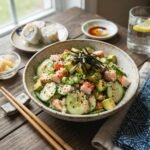
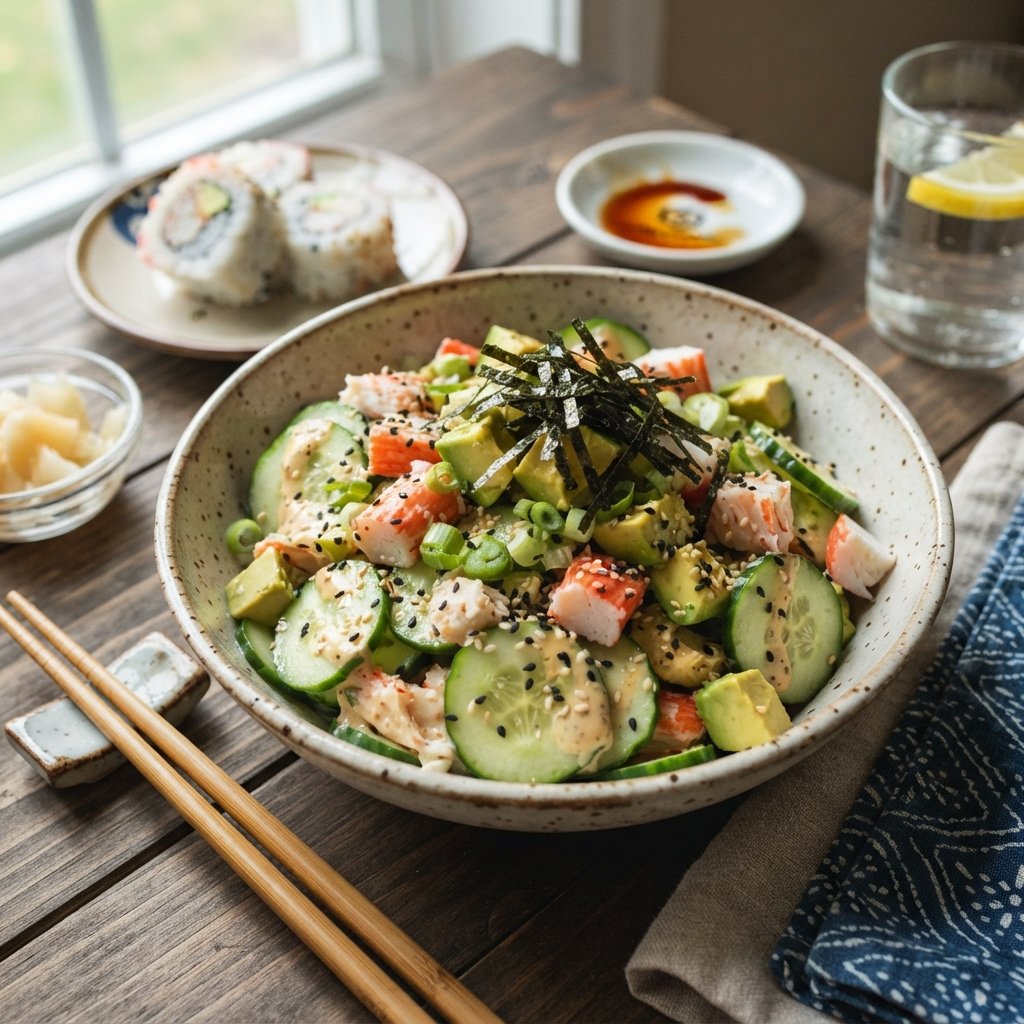
Welcome to the ultimate culinary fusion that bridges the gap between traditional Japanese sushi artistry and modern, health-conscious salad trends. The Best California Roll Cucumber Salad is not merely a dish; it is an experience that captures the iconic flavors of the beloved California roll without the need for rolling mats, sticky rice, or extensive sushi-making skills. This recipe deconstructs the essential elements of the sushi classic—fresh cucumber, creamy avocado, sweet imitation crab, and savory nori—and reimagines them into a vibrant, crunch-filled salad that is perfect for lunch, dinner, or as a refreshing side dish at any gathering.
Imagine the crisp snap of chilled cucumber meeting the rich, buttery texture of ripe avocado, all bound together by a tangy, umami-rich dressing that hints at soy sauce and sesame oil. This salad offers the satisfaction of sushi with the lightness of a green salad, making it an ideal choice for those looking to reduce carbohydrate intake while still enjoying the complex flavor profiles of Japanese cuisine. Whether you are a sushi enthusiast looking for a quick fix or a home cook seeking a impressive yet simple recipe, this guide will walk you through every nuance required to create the definitive version of this dish.
In the following sections, we will explore the origins of this fusion concept, break down the science behind each ingredient, provide a meticulous step-by-step guide, and offer professional tips to ensure your salad remains crisp and flavorful. Prepare to elevate your meal prep game with a dish that balances texture, temperature, and taste in perfect harmony.
The History
To understand the genesis of the California Roll Cucumber Salad, one must first delve into the history of the California Roll itself. The California Roll is widely credited to have been invented in Los Angeles, California, during the 1960s or 1970s. While there is some debate among culinary historians regarding the exact chef, most accounts point to Ichiro Mashita, a chef at Tokyo Kaikan restaurant in Los Angeles. Facing a shortage of fresh Toro (fatty tuna) and noticing that American customers were hesitant to eat nori (seaweed) on the outside of the roll, Mashita innovated by using avocado as a substitute for the fatty texture of tuna and turning the roll inside-out so the rice was on the exterior.
This innovation was pivotal in popularizing sushi across North America, as it introduced a milder, creamier flavor profile that appealed to Western palates unfamiliar with raw fish. Over the decades, the California Roll became a staple in sushi bars worldwide, synonymous with accessibility and flavor. However, as health trends shifted towards low-carb, gluten-free, and whole-food diets in the 21st century, chefs and home cooks began experimenting with deconstructing sushi rolls. The idea was to retain the flavor essence without the high glycemic index of sushi rice.
The transition from roll to salad was a natural evolution. By removing the rice and increasing the proportion of vegetables, the dish transformed into a nutrient-dense powerhouse. The “California Roll Salad” emerged in food blogs and modern fusion restaurants around the 2010s, gaining traction as a “sushi bowl” alternative. This specific iteration, focusing heavily on cucumber as the base, emphasizes hydration and crunch, distinguishing it from heavier rice-based bowls. It represents a modern adaptation of a classic, honoring the history of Japanese-American fusion while aligning with contemporary nutritional values.
Ingredients Breakdown
Creating the best version of this salad requires a deep understanding of each component and how it contributes to the overall sensory profile. Here is a detailed analysis of the key players in this dish:
English Cucumbers
Unlike standard slicing cucumbers, English cucumbers (often sold wrapped in plastic) have thinner skins and fewer seeds. This means less bitterness and a more consistent crunch. They are also less watery, which is crucial for preventing the salad from becoming soggy after dressing. The high water content provides hydration, while the structural integrity ensures each bite remains crisp.
Imitation Crab (Surimi)
Traditional California rolls use surimi, a processed fish paste made primarily from Alaskan pollock. For this salad, high-quality imitation crab sticks provide a sweet, briny flavor that mimics real crab without the high cost. It is important to shred or chunk this properly to ensure even distribution throughout the salad. For a premium upgrade, real lump crab meat can be used, though it changes the flavor profile to be less sweet and more oceanic.
Avocado
The avocado is the heart of the California Roll, providing the necessary creaminess to balance the crunch of the cucumber. A ripe Hass avocado should yield slightly to gentle pressure. The healthy monounsaturated fats in avocado also help the body absorb fat-soluble vitamins from the other vegetables. To prevent oxidation (browning), acid from the dressing must be applied quickly.
Nori (Seaweed)
Often overlooked, nori is essential for capturing the true “sushi” flavor. Crumbled toasted nori sheets add a briny, umami depth that soy sauce alone cannot achieve. It also adds a subtle textural contrast that melts slightly upon contact with the dressing, creating a savory coating on the vegetables.
The Dressing Base
The dressing typically combines Japanese mayonnaise (such as Kewpie), rice vinegar, soy sauce, and sesame oil. Kewpie mayo is richer than American mayo due to the use of egg yolks only and a hint of umami from MSG. Rice vinegar provides a mild acidity that brightens the dish without overpowering it. Toasted sesame oil adds a nutty aroma that ties all the ingredients together.
Step-by-Step Recipe
Follow this comprehensive guide to assemble your salad with precision. Each step is designed to maximize flavor and texture retention.
Phase 1: Preparation of Vegetables
Begin by washing your English cucumbers thoroughly. Since the skin is thin and edible, there is no need to peel them unless you prefer a smoother texture. Slice the cucumbers into half-moons or quarters lengthwise, depending on the thickness of the cucumber. The goal is to create bite-sized pieces that are substantial enough to hold the dressing but small enough to be eaten easily with a fork. Place the cut cucumbers in a colander and sprinkle lightly with salt. Let them sit for 10 minutes. This process draws out excess moisture, ensuring your salad does not become watery later. Rinse briefly and pat dry with a clean kitchen towel.
Phase 2: Protein and Fat Prep
While the cucumbers are draining, prepare the avocado. Slice it in half, remove the pit, and scoop the flesh out gently. Dice the avocado into cubes roughly the same size as the cucumber pieces. Uniformity is key for an aesthetically pleasing dish. Next, take your imitation crab sticks. If they are wrapped in plastic, remove the packaging. You can either shred them by hand for a stringy texture that mimics real crab meat or chop them into chunks for a heartier bite. Shredding is generally preferred for better integration with the dressing.
Phase 3: Creating the Dressing
In a small mixing bowl, combine the Japanese mayonnaise, soy sauce, rice vinegar, sesame oil, and a touch of sugar or honey if you prefer a sweeter profile. Whisk these ingredients vigorously until emulsified. Taste the dressing. It should be a balance of creamy, salty, tangy, and nutty. If it feels too heavy, add a splash more rice vinegar. If it is too sharp, add a bit more mayonnaise. Set this aside to allow the flavors to meld while you finish chopping.
Phase 4: Assembly
In a large mixing bowl, combine the dried cucumbers, shredded crab, and diced avocado. Sprinkle the crumbled nori sheets over the top. Pour the dressing over the mixture gently. Using a large spatula or tossing spoons, fold the ingredients together. Be gentle with the avocado to prevent it from turning into mush. You want the dressing to coat every piece evenly without breaking the structural integrity of the vegetables. Serve immediately over a bed of mixed greens or enjoy as is.
Tips
To ensure your California Roll Cucumber Salad reaches restaurant-quality standards, consider these professional insights:
- Prevent Sogginess: The number one enemy of this salad is excess water. Always salt and drain your cucumbers before assembling. If you skip this step, the salt in the dressing will draw water out of the cucumber during storage, creating a pool of liquid at the bottom of the bowl.
- Avocado Timing: Avocados oxidize quickly. If you are meal prepping, consider adding the avocado just before serving. Alternatively, toss the avocado cubes in a little extra lemon juice or rice vinegar before mixing to create a barrier against oxygen.
- Toast Your Sesame Seeds: If using garnish sesame seeds, toast them lightly in a dry pan before sprinkling. This releases their essential oils and enhances the nutty aroma significantly compared to raw seeds.
- Chill Your Ingredients: This salad is best served cold. Ensure your cucumbers and crab are chilled before mixing. A cold salad feels more refreshing and helps the dressing cling better to the surfaces.
- Quality of Nori: Use snack-grade nori or sushi-grade sheets. Avoid older packages of nori that may have become stale or chewy. Fresh nori should snap crisply when broken.
- Spice Control: If you enjoy heat, add Sriracha or chili garlic sauce to the dressing gradually. It is easier to add more spice than to fix a dressing that is too hot.
Variations and Customizations
One of the strengths of this recipe is its versatility. You can adapt it to suit various dietary needs and flavor preferences:
Spicy California Salad
For those who love a kick, incorporate a spicy mayo element. Mix Sriracha or chili oil into the mayonnaise base. You can also add thinly sliced jalapeños or red pepper flakes for fresh heat that complements the cool cucumber.
Vegan and Vegetarian Options
To make this dish plant-based, substitute the imitation crab with hearts of palm or shredded king oyster mushrooms. These ingredients mimic the texture of seafood remarkably well. Ensure your mayonnaise is vegan-friendly (egg-free) to keep the dish entirely plant-based.
Low-Carb and Keto
This recipe is naturally low-carb, but imitation crab often contains starches and sugar. For a strict Keto version, replace the surimi with cooked shrimp, real crab meat, or smoked salmon. Ensure your sweetener in the dressing is erythritol or stevia instead of honey or sugar.
Added Crunch
Introduce additional textures by adding thinly sliced radishes, bell peppers, or even crushed tempura flakes (tenkasu) just before serving. This adds a layer of complexity to the mouthfeel.
Fruit Fusion
For a summer twist, add diced mango or pineapple. The sweetness of the fruit pairs beautifully with the savory soy dressing and creamy avocado, creating a tropical sushi salad experience.
Health Considerations and Nutritional Value
This salad is not only delicious but also packed with nutritional benefits, making it a smart choice for health-conscious individuals.
Hydration and Digestion
Cucumbers are composed of over 95% water, making this salad excellent for hydration. They also contain fiber, which aids in digestion and promotes gut health. The high water content helps you feel full without consuming excessive calories.
Healthy Fats
Avocados are rich in oleic acid, a monounsaturated fatty acid that is linked to reduced inflammation and better heart health. These fats also promote satiety, helping to curb cravings between meals.
Protein Content
While primarily vegetable-based, the imitation crab or alternative proteins provide a moderate amount of protein necessary for muscle repair and maintenance. Using real seafood increases the protein profile significantly.
Sodium Awareness
One consideration is the sodium content found in soy sauce and imitation crab. If you are monitoring salt intake, opt for low-sodium soy sauce or coconut aminos. Rinsing the imitation crab briefly can also reduce surface sodium.
Vitamin Profile
This dish is a good source of Vitamin K (from cucumbers and nori), Vitamin E (from avocado), and various B vitamins. The sesame seeds add calcium and magnesium to the nutritional mix.
Ingredients
- Cucumbers: 2 large English cucumbers, washed and sliced
- Avocado: 2 ripe Hass avocados, diced
- Imitation Crab: 8 ounces of surimi sticks, shredded or chopped
- Nori Sheets: 2 full sheets, toasted and crumbled
- Japanese Mayonnaise: 1/3 cup (Kewpie preferred)
- Soy Sauce: 2 tablespoons (low sodium recommended)
- Rice Vinegar: 1 tablespoon
- Toasted Sesame Oil: 1 teaspoon
- Sugar or Honey: 1 teaspoon (optional, for balance)
- Sesame Seeds: 1 tablespoon for garnish
- Green Onions: 2 stalks, thinly sliced for garnish
- Salt: 1/2 teaspoon (for drawing moisture from cucumbers)
Directions
- Prep the Cucumbers: Slice the English cucumbers into bite-sized pieces. Place them in a colander, sprinkle with salt, and let them drain for 10 minutes. Rinse lightly and pat dry thoroughly with paper towels.
- Prepare the Avocado: Cut the avocados in half, remove the pits, and scoop the flesh into a bowl. Dice into cubes similar in size to the cucumber pieces.
- Process the Crab: Unwrap the imitation crab sticks. Shred them by hand or chop them into chunks using a knife. Set aside.
- Make the Dressing: In a small bowl, whisk together the Japanese mayonnaise, soy sauce, rice vinegar, sesame oil, and sugar until smooth and creamy.
- Combine Ingredients: In a large mixing bowl, add the dried cucumbers, diced avocado, and shredded crab. Pour the dressing over the top.
- Toss Gently: Using a spatula, fold the ingredients together until everything is evenly coated. Be careful not to mash the avocado.
- Add Nori and Garnish: Sprinkle the crumbled nori sheets, sesame seeds, and sliced green onions over the salad. Toss lightly once more.
- Serve: Serve immediately chilled. If storing, keep the dressing separate until ready to eat to maintain crunch.
FAQ
Can I make this salad ahead of time?
It is best enjoyed fresh. However, you can prep the ingredients separately and store them in airtight containers in the fridge for up to 24 hours. Combine and dress just before serving to prevent sogginess.
Is this salad gluten-free?
Standard soy sauce contains wheat. To make this gluten-free, use Tamari or Coconut Aminos instead of regular soy sauce. Also, check the label on your imitation crab, as some brands contain wheat starch.
What can I use instead of imitation crab?
You can substitute with cooked shrimp, flaked smoked salmon, canned tuna, or tofu for a vegetarian option. Real lump crab meat offers a luxurious upgrade.
How do I keep the avocado from turning brown?
The acid in the dressing helps, but for meal prep, leave the avocado out until the last minute. Alternatively, store the salad with a piece of plastic wrap pressed directly against the surface of the avocado.
Can I add rice to this salad?
Yes, if you want a more filling meal, you can serve this over sushi rice or quinoa. However, this changes the nutritional profile to be higher in carbohydrates.
How long does the dressing last?
The dressing can be made in advance and stored in the refrigerator for up to 5 days. Shake or whisk it again before using as separation may occur.
Summary
This California Roll Cucumber Salad offers a refreshing, low-carb fusion of crisp vegetables and creamy avocado with iconic sushi flavors.
Perfect for quick meals or meal prep, it delivers the taste of sushi without the rice using simple, wholesome ingredients.