Introduction
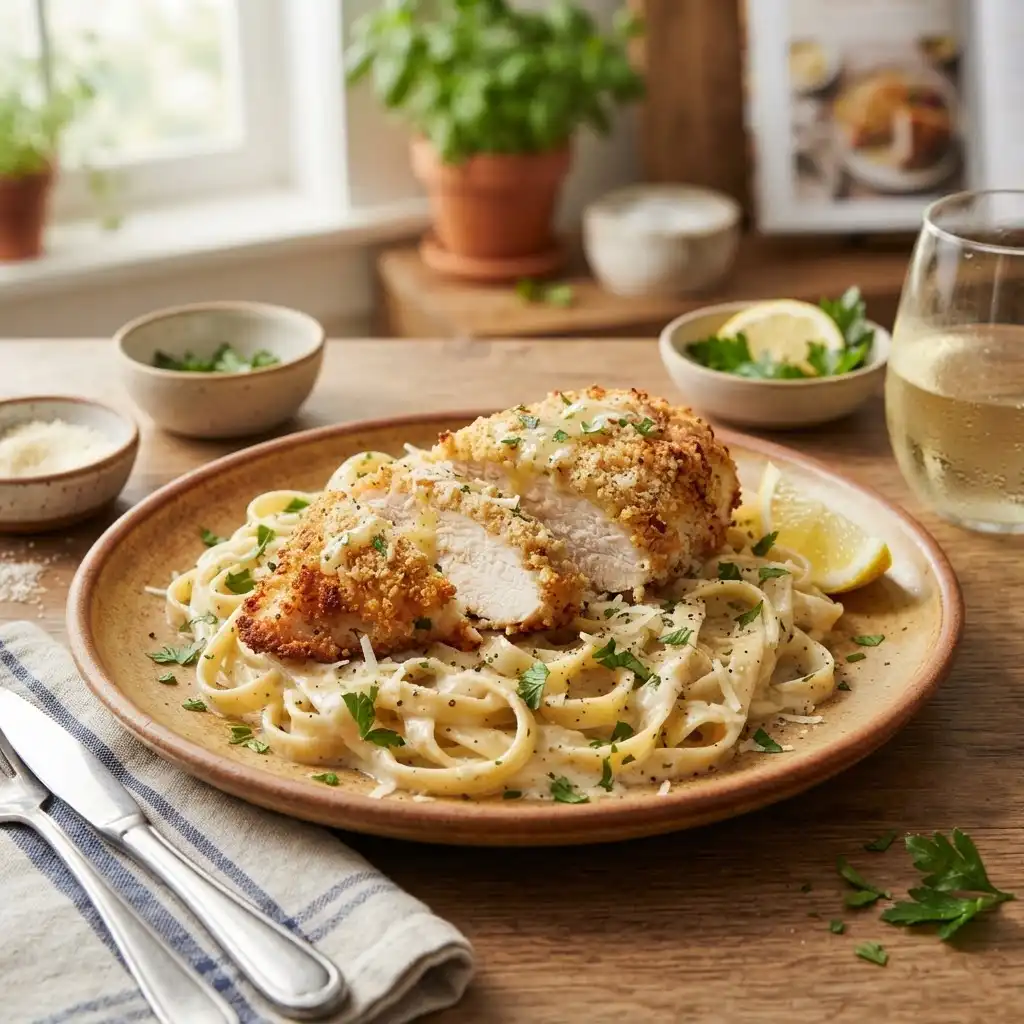
There is something undeniably magical about walking into a bustling restaurant, catching the aroma of buttery garlic and seared chicken, and knowing that a plate of comfort is about to arrive at your table. For millions of dining enthusiasts, the Cheesecake Factory represents the pinnacle of American casual dining, offering massive portions and bold flavors that keep customers returning year after year. Among the vast array of options on their legendary menu, one dish stands out as a timeless classic that balances richness with zesty brightness: the Chicken Romano. This dish features tender, breaded chicken cutlets smothered in a creamy lemon butter sauce, served over perfectly cooked pasta. While dining out is a treat, recreating this masterpiece in your own kitchen allows you to control the quality of ingredients, adjust the portions to your liking, and save a significant amount of money without sacrificing an ounce of flavor. In this comprehensive guide, we will dissect every element of this crave-worthy dish, ensuring you can perfect your Cheesecake Factory favorite at home with confidence and culinary precision.
The History
To truly appreciate Chicken Romano, one must understand its roots in Italian-American cuisine. The dish is a modern evolution of classic Roman preparations, specifically drawing inspiration from “Saltimbocca” and various cacciatore styles, though it leans heavily into the creamy Alfredo tradition popularized in the United States during the late 20th century. The name “Romano” refers to Pecorino Romano, a hard, salty cheese made from sheep’s milk that originates from the Lazio region of Italy, including Rome. Historically, this cheese was a staple for shepherds who needed durable, high-energy food that could last during long months in the fields. As Italian immigrants moved to America, they adapted their traditional recipes to include available ingredients, often blending Pecorino with Parmesan and creating richer, creamier sauces to suit American palates. The Cheesecake Factory, founded in 1978, capitalized on this fusion trend. They took the concept of a breaded chicken cutlet, a staple in Southern Italian cooking, and elevated it with a signature lemon butter cream sauce that cut through the richness of the cheese and breading. Over the decades, this specific combination became a signature item, representing the bridge between old-world tradition and new-world indulgence. Understanding this lineage helps home cooks respect the ingredients, knowing that each component plays a historical role in the flavor profile.
Ingredients Breakdown
Creating a restaurant-quality dish starts with understanding the science and flavor profile of each component. Here is a deep dive into why specific ingredients are chosen for this recipe:
- Chicken Breasts: The foundation of the dish. We use boneless, skinless chicken breasts because they provide a lean canvas that absorbs the sauce beautifully. It is crucial to pound them to an even thickness to ensure uniform cooking and prevent dryness.
- Pecorino Romano Cheese: This is the star of the show. Unlike Parmesan, which is made from cow’s milk and has a nuttier flavor, Pecorino is made from sheep’s milk and offers a sharper, saltier kick. This intensity is necessary to stand up to the heavy cream and butter in the sauce.
- Parmesan Cheese: Often used in conjunction with Pecorino. Blending the two cheeses creates a complex flavor profile; the Parmesan adds umami and creaminess while the Pecorino adds the signature tang.
- Fresh Lemon Juice: Acid is the counterbalance to fat. The lemon juice cuts through the richness of the butter and cream, preventing the dish from feeling too heavy on the palate. Always use fresh lemons; bottled juice contains preservatives that can alter the taste.
- White Wine: Used for deglazing the pan, white wine lifts the fond (the browned bits of food) from the bottom of the skillet. This adds depth and acidity to the sauce. A dry Pinot Grigio or Sauvignon Blanc works best.
- Heavy Cream: This provides the luxurious velvety texture associated with the Cheesecake Factory version. It emulsifies with the cheese and butter to create a cohesive coating for the chicken.
- Pasta: Traditionally, fettuccine or angel hair is used. The long strands hold the sauce well, ensuring every bite is flavorful.
- Garlic and Butter: The aromatic base. Unsalted butter is preferred so you can control the sodium levels, especially since the cheeses are already quite salty.
Step-by-Step Recipe
Cooking this dish is a journey of timing and temperature control. Follow this narrative walkthrough to understand the flow of the cooking process before diving into the specific measurements later.
Phase 1: Preparation and Breading
The first step is preparing the chicken. You want to start by placing your chicken breasts between two sheets of plastic wrap. Using a meat mallet, gently pound the chicken until it is about half an inch thick. This tenderizes the meat and ensures it cooks quickly without drying out. Next, set up a breading station with three shallow bowls: one with flour seasoned with salt and pepper, one with beaten eggs mixed with a splash of water, and one with Italian seasoned breadcrumbs mixed with a portion of your grated Parmesan cheese. Dredge each chicken cutlet in the flour, shaking off the excess, dip it into the egg wash, and finally press it firmly into the breadcrumb mixture. Let the breaded chicken rest for about ten minutes; this helps the coating adhere during frying.
Phase 2: Searing the Chicken
Heat a large skillet over medium-high heat with a combination of olive oil and butter. The oil prevents the butter from burning, while the butter adds flavor. Once the fat is shimmering, carefully place the chicken cutlets into the pan. Do not overcrowd the skillet; cook in batches if necessary. Overcrowding lowers the pan temperature and steams the chicken instead of searing it. Cook for about 4-5 minutes per side until the coating is golden brown and the internal temperature reaches 165°F. Remove the chicken and let it rest on a wire rack while you build the sauce. Resting allows the juices to redistribute.
Phase 3: Building the Sauce
In the same skillet, do not wipe out the browned bits. Add minced garlic and sauté for thirty seconds until fragrant. Pour in the white wine to deglaze, scraping the bottom of the pan with a wooden spoon to release the flavorful fond. Let the wine reduce by half to cook off the alcohol. Lower the heat to medium-low and stir in the heavy cream. Allow the cream to simmer gently; do not let it boil vigorously or it may separate. Gradually whisk in the remaining Pecorino and Parmesan cheeses until melted and smooth. Finish the sauce with fresh lemon juice and chopped parsley. The sauce should coat the back of a spoon.
Phase 4: Assembly
While the sauce is finishing, cook your pasta in salted boiling water until al dente. Reserve a little pasta water before draining. Toss the pasta with a ladle of the sauce to coat it. Place the pasta on serving plates, top with the rested chicken cutlets, and spoon the remaining creamy lemon butter sauce generously over the chicken and pasta. Garnish with extra cheese and lemon wedges for serving.
Tips
To elevate your Chicken Romano from good to exceptional, consider these professional culinary tips:
- Room Temperature Chicken: Let your chicken sit out for 20 minutes before cooking. Cold chicken hitting a hot pan causes uneven cooking and can seize the meat.
- Cheese Quality: Avoid pre-grated cheese in shakers if possible. They often contain anti-caking agents like cellulose that prevent the cheese from melting smoothly into the sauce. Buy a block of Pecorino and grate it yourself.
- Sauce Consistency: If your sauce becomes too thick, thin it out with a splash of the reserved pasta water. The starch in the water helps emulsify the sauce further.
- Don’t Burn the Garlic: Garlic burns quickly and turns bitter. Add it to the pan after deglazing with wine or keep the heat low when sautéing it.
- Resting is Key: Never cut into the chicken immediately after cooking. Let it rest for at least five minutes to ensure it remains juicy when sliced.
- Warm Plates: Serve the dish on warm plates. Cream sauces cool down rapidly, and a cold plate will cause the sauce to congeal before the guest takes their first bite.
Variations and Customizations
While the classic recipe is divine, cooking at home allows for customization based on dietary needs or personal preference.
- Gluten-Free Option: Substitute the all-purpose flour and Italian breadcrumbs with gluten-free alternatives. Many brands offer excellent gluten-free panko that crisps up beautifully.
- Lighter Version: To reduce calories, substitute half of the heavy cream with low-sodium chicken broth and use half-and-half instead of cream. You can also bake the chicken instead of pan-frying it to reduce oil usage.
- Vegetable Add-ins: Add sautéed spinach, sun-dried tomatoes, or artichoke hearts to the sauce for added nutrition and color. Broccoli florets steamed and tossed with the pasta also work well.
- Spicy Kick: For those who enjoy heat, add a pinch of red pepper flakes to the sauce or use spicy Italian seasoning in the breading mixture.
- Protein Swap: This sauce pairs wonderfully with shrimp or veal cutlets. If using shrimp, reduce the cooking time significantly to avoid toughness.
- Dairy-Free: Use coconut cream or a high-quality cashew cream alternative along with nutritional yeast or vegan hard cheese substitutes to mimic the Romano flavor.
Health Considerations and Nutritional Value
It is important to approach this dish with mindfulness regarding nutritional intake. Restaurant-style Chicken Romano is inherently rich due to the breading, frying oil, heavy cream, and cheese. A standard serving can range from 1,200 to 1,500 calories, with high levels of saturated fat and sodium. However, homemade versions allow you to mitigate these factors. By baking the chicken instead of frying, you can save upwards of 200 calories. Using less cream and bulking up the sauce with pureed cauliflower or chicken stock can reduce fat content. The dish does provide a good source of protein from the chicken and calcium from the cheese. To balance the meal, serve it with a large side salad with a vinaigrette dressing to add fiber and volume without many additional calories. Portion control is also vital; consider serving half the pasta portion you would normally eat and filling the rest of the plate with roasted vegetables.
Ingredients
For the Chicken:
- 4 boneless, skinless chicken breasts (pounded to 1/2 inch thickness)
- 1 cup all-purpose flour
- 2 large eggs, beaten
- 2 cups Italian seasoned breadcrumbs
- 1/2 cup grated Parmesan cheese (mixed into breadcrumbs)
- Salt and black pepper to taste
- 1/4 cup olive oil
- 2 tablespoons unsalted butter (for frying)
For the Creamy Lemon Butter Sauce:
- 4 tablespoons unsalted butter
- 4 cloves garlic, minced
- 1/2 cup dry white wine (Pinot Grigio or Sauvignon Blanc)
- 1 1/2 cups heavy cream
- 1 cup grated Pecorino Romano cheese
- 1/2 cup grated Parmesan cheese
- 3 tablespoons fresh lemon juice
- 1 teaspoon lemon zest
- 1/4 cup fresh parsley, chopped
- Salt and white pepper to taste
For Serving:
- 1 pound fettuccine or angel hair pasta
- Extra grated cheese for garnish
- Lemon wedges
Directions
- Prepare the chicken by pounding it to an even 1/2-inch thickness. Season both sides lightly with salt and pepper.
- Set up a breading station: Place flour in one dish, beaten eggs in a second, and mix breadcrumbs with 1/2 cup Parmesan cheese in a third.
- Dredge each chicken breast in flour, dip in egg, and coat thoroughly with the breadcrumb mixture. Set aside on a wire rack for 10 minutes.
- Bring a large pot of salted water to a boil for the pasta. Cook according to package directions until al dente. Reserve 1/2 cup of pasta water before draining.
- Heat olive oil and 2 tablespoons of butter in a large skillet over medium-high heat. Cook chicken in batches for 4-5 minutes per side until golden brown and cooked through (165°F internal temperature). Transfer to a plate and cover loosely with foil.
- In the same skillet, melt 4 tablespoons of butter over medium heat. Add minced garlic and sauté for 30 seconds until fragrant.
- Pour in the white wine to deglaze the pan, scraping up any browned bits. Simmer until the wine is reduced by half.
- Reduce heat to low. Stir in the heavy cream and bring to a gentle simmer. Do not boil vigorously.
- Gradually whisk in the Pecorino Romano and remaining Parmesan cheese until melted and smooth.
- Stir in the lemon juice, lemon zest, and chopped parsley. Season with salt and white pepper. If the sauce is too thick, add a splash of reserved pasta water.
- Toss the cooked pasta with half of the sauce. Place pasta on serving plates, top with chicken cutlets, and pour the remaining sauce over the chicken.
- Garnish with extra cheese and lemon wedges. Serve immediately while hot.
FAQ
Can I make this dish ahead of time?
It is best served fresh, but you can bread the chicken earlier in the day and keep it refrigerated. The sauce can be made ahead and reheated gently, but you may need to add a splash of cream or milk to restore consistency.
What can I substitute for white wine?
If you prefer not to cook with alcohol, you can substitute the white wine with an equal amount of chicken broth mixed with a teaspoon of white wine vinegar or lemon juice to mimic the acidity.
How do I store leftovers?
Store leftovers in an airtight container in the refrigerator for up to 3 days. Reheat gently in a skillet with a little added cream or milk to prevent the sauce from separating. Microwave reheating is not recommended as it can make the breading soggy.
Can I freeze Chicken Romano?
Freezing is not recommended for the breaded chicken as the coating will become soggy upon thawing. The sauce can be frozen for up to 2 months, but the texture may change slightly upon reheating.
Why is my sauce grainy?
Grainy sauce usually occurs from high heat or using pre-grated cheese with anti-caking agents. Ensure you use low heat when melting the cheese and grate your own cheese from a block.
Summary (in two lines)
Master the art of homemade dining with this rich, creamy Chicken Romano that rivals the Cheesecake Factory favorite.
Perfectly breaded chicken meets a zesty lemon butter sauce for an unforgettable meal you can create in your own kitchen.