Introduction
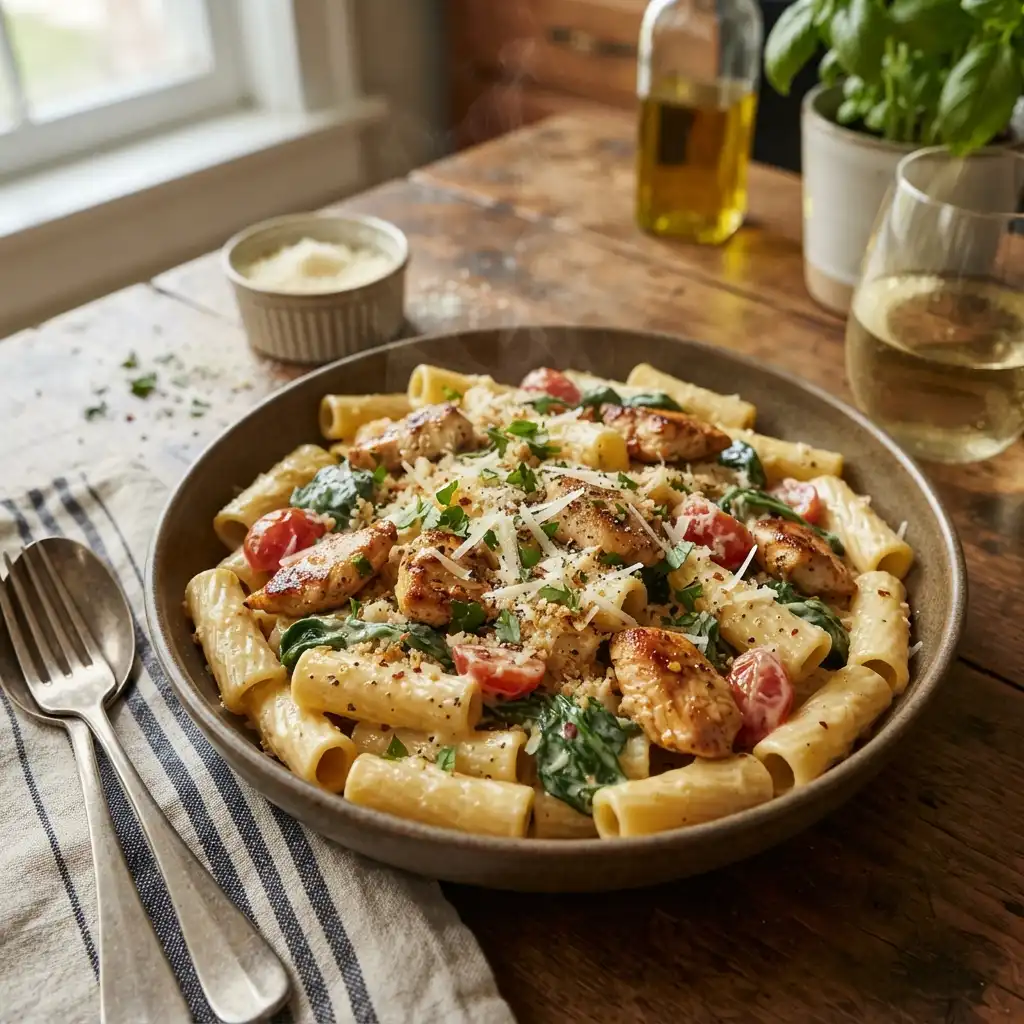
There are few culinary experiences as universally comforting as a steaming bowl of Garlic Butter Chicken Rigatoni. It is the quintessential weeknight dinner that feels like a weekend treat, a dish where simplicity meets sophistication in the most delicious way possible. Imagine tender, bite-sized pieces of chicken, seared to a golden-brown perfection, tossed with tube-shaped rigatoni pasta that is coated in a luscious, glossy sauce made from melted butter, aromatic garlic, and a hint of fresh herbs. The aroma that fills the kitchen as the garlic hits the hot butter is nothing short of intoxicating, promising a meal that is rich, savory, and deeply satisfying.
This dish has earned its place in the pantheon of comfort food classics because it strikes the perfect balance between ease of preparation and depth of flavor. It is not just about throwing ingredients together; it is about the alchemy of fat, heat, and starch coming together to create a cohesive, mouth-watering experience. Whether you are cooking for a hungry family, hosting a casual dinner party, or simply treating yourself after a long day, Garlic Butter Chicken Rigatoni delivers on every front. It is hearty enough to satisfy a robust appetite yet light enough not to weigh you down, making it a versatile staple for any home cook’s repertoire.
The History
While Garlic Butter Chicken Rigatoni is a staple in modern Italian-American households, its roots are a fascinating tapestry woven from traditional Italian cooking techniques and American innovation. The foundation of the dish lies in the Italian classic Aglio e Olio (garlic and oil), a humble peasant dish from Naples that relies on the purity of garlic and olive oil to create flavor. However, as Italian immigrants settled in the United States, particularly in the Northeast, ingredients became more abundant, and the cuisine evolved to reflect the “American Dream” of plenty.
The addition of chicken transformed the dish from a simple pasta side into a hearty main course, reflecting the American preference for protein-centric meals. The choice of rigatoni is also historically significant; unlike spaghetti, which is often associated with lighter sauces, rigatoni’s large, ridged tubes were designed to hold onto chunkier, heavier sauces. This pasta shape became popular in the mid-20th century as machinery improved, allowing for the extrusion of thicker, sturdier noodles that could stand up to the robust flavors of garlic butter and seared meats. Today, this dish represents the beautiful evolution of diaspora cooking—honoring the Old World’s respect for ingredients while embracing the New World’s love for abundance and comfort.
Ingredients Breakdown
To truly master this dish, one must understand the role each ingredient plays in the final symphony of flavors. It is not merely a list of items; it is a chemistry set where every component has a specific job.
- The Chicken: We typically use boneless, skinless chicken breasts or thighs. Breasts offer a leaner profile and a firm texture that holds up well to searing, while thighs provide a richer, more succulent mouthfeel due to their higher fat content. Cutting them into bite-sized pieces increases the surface area, allowing for more caramelization (the Maillard reaction), which is crucial for developing deep, savory notes.
- The Rigatoni: Rigatoni is the vessel for the sauce. Its wide diameter and ridged exterior (rigate) are engineered to trap the garlic butter emulsion. Unlike smooth pasta, rigatoni ensures that every bite is coated in flavor, preventing the sauce from sliding off the noodle.
- The Garlic: This is the star of the show. Fresh garlic cloves are non-negotiable. Jarred minced garlic often contains preservatives and water that can dilute the sauce and alter the flavor profile. Fresh garlic provides a pungent, spicy kick that mellows into a sweet, nutty aroma when sautéed in butter.
- The Butter: We use unsalted butter to control the sodium levels, allowing us to season the dish precisely. The milk solids in the butter brown slightly, adding a toasty, nutty dimension to the sauce that oil alone cannot achieve.
- The Herbs and Cheese: Fresh parsley adds a necessary pop of color and a grassy freshness that cuts through the richness of the butter. Parmesan cheese, specifically freshly grated Parmigiano-Reggiano, adds umami and saltiness, acting as a natural thickener for the sauce when it melts.
Step-by-Step Recipe
Creating the perfect Garlic Butter Chicken Rigatoni is a process that requires attention to timing and heat management. Here is the narrative journey of how this dish comes together.
Phase 1: Preparation and Mise en Place
Before you turn on the stove, ensure everything is ready. This dish cooks quickly, and you do not want to be chopping garlic while your butter is burning. Cut your chicken into uniform 1-inch cubes. Season them generously with salt and black pepper; this initial seasoning is vital as it penetrates the meat during the sear. Mince your garlic finely but not into a paste—you want small pieces that will crisp up slightly. Grate your Parmesan cheese and chop your parsley.
Phase 2: The Perfect Sear
Bring a large pot of heavily salted water to a boil for the pasta. While waiting, heat a large skillet or Dutch oven over medium-high heat. Add a splash of olive oil and a tablespoon of butter. Once the butter foams and subsides, add the chicken in a single layer. Do not overcrowd the pan; if the pan is too crowded, the chicken will steam instead of sear. Let the chicken cook undisturbed for 3-4 minutes until a golden crust forms. Flip and cook until the internal temperature reaches 165°F (74°C). Remove the chicken and set it aside on a plate to rest. This prevents the chicken from overcooking while you make the sauce.
Phase 3: The Aromatic Base
In the same pan, do not wipe out the browned bits (fond) left by the chicken; that is pure flavor. Add the remaining butter. Once melted, toss in the minced garlic. Cook this for only 1-2 minutes, stirring constantly. You want the garlic to become fragrant and lightly golden, but never brown or burnt, as burnt garlic turns bitter instantly.
Phase 4: Marriage of Flavors
By now, your rigatoni should be cooked to al dente—firm to the bite. Reserve about a cup of the starchy pasta water before draining. Toss the drained pasta directly into the skillet with the garlic butter. Add the cooked chicken back into the pan. Pour in a splash of the reserved pasta water. The starch in the water mixes with the butter to create an emulsion, coating the pasta in a glossy sheen rather than a greasy pool of oil. Toss everything vigorously over low heat for a minute.
Phase 5: The Finish
Remove the pan from the heat. Stir in the grated Parmesan cheese and half of the fresh parsley. The residual heat will melt the cheese into the sauce. Taste and adjust seasoning with more salt or pepper if needed. Serve immediately, garnished with the remaining parsley and extra cheese.
Tips for Success
- Save the Pasta Water: This is the golden rule of pasta cooking. The starchy water is the secret ingredient that binds the fat (butter) and the water-based elements together, creating a creamy texture without adding actual cream.
- Don’t Burn the Garlic: Garlic goes from raw to burnt in seconds. If you are nervous, remove the pan from the heat before adding the garlic, let the residual heat cook it for 30 seconds, then return it to the stove. This gives you more control.
- Room Temperature Chicken: Let your chicken sit out for 15 minutes before cooking. Cold chicken hitting a hot pan lowers the pan’s temperature, leading to uneven cooking and less browning.
- Use Fresh Parmesan: Pre-grated cheese in the green shaker can contains anti-caking agents (like wood pulp) that prevent it from melting smoothly. Buy a wedge of Parmigiano-Reggiano and grate it yourself for the best texture.
- Rest the Chicken: Allowing the chicken to rest after searing lets the juices redistribute. If you cut into it immediately, the juices run out, leaving the meat dry.
Variations and Customizations
While the classic version is timeless, this recipe is a fantastic canvas for customization based on your dietary needs or flavor cravings.
- The Creamy Version: For a richer, Alfredo-style dish, stir in 1/2 cup of heavy cream or cream cheese along with the butter. This creates a velvety, white sauce that clings heavily to the rigatoni.
- Spicy Kick: Add 1/2 teaspoon of red pepper flakes to the garlic butter. The heat cuts through the richness of the butter and adds a delightful warmth to the back of the throat.
- Veggie-Packed: Sauté spinach, cherry tomatoes, or broccoli florets in the pan before adding the garlic. Spinach wilts beautifully into the sauce, while roasted tomatoes add a burst of acidity.
- Lemon Zest: Grate fresh lemon zest over the top before serving. The citrus oil brightens the heavy butter flavors and adds a sophisticated, fresh aroma.
- Protein Swap: This method works equally well with shrimp (cook for only 2-3 minutes), Italian sausage (remove casing and crumble), or even firm tofu for a vegetarian option.
Health Considerations and Nutritional Value
Garlic Butter Chicken Rigatoni is an indulgent meal, but it can be part of a balanced diet when enjoyed in moderation. The primary source of calories comes from the carbohydrates in the pasta and the fats in the butter and oil. However, the dish is also high in protein due to the chicken, which is essential for muscle repair and satiety.
Nutritional Highlights:
- Protein: A standard serving provides approximately 25-30 grams of high-quality protein.
- Garlic Benefits: Garlic is known for its immune-boosting properties and contains allicin, a compound linked to lower blood pressure and improved cholesterol levels.
- Calcium: The Parmesan cheese adds a significant boost of calcium for bone health.
Making it Lighter: To reduce the calorie count, you can substitute half the butter with olive oil, use whole wheat or legume-based rigatoni for added fiber, and increase the ratio of vegetables to pasta. Using chicken broth to deglaze the pan instead of extra butter can also reduce fat content while maintaining flavor.
Ingredients
- 1 lb (450g) boneless, skinless chicken breasts or thighs, cut into 1-inch cubes
- 1 lb (450g) rigatoni pasta
- 6 tablespoons unsalted butter, divided
- 1 tablespoon olive oil
- 6-8 cloves fresh garlic, minced
- 1/2 cup freshly grated Parmesan cheese, plus more for serving
- 1/4 cup fresh parsley, chopped
- 1 teaspoon salt (plus more for pasta water)
- 1/2 teaspoon black pepper
- 1/4 teaspoon red pepper flakes (optional)
- 1/2 cup reserved pasta water
Directions
- Boil Water: Bring a large pot of salted water to a rolling boil. Add the rigatoni and cook according to package directions until al dente. Before draining, reserve 1/2 cup of the starchy pasta water.
- Season Chicken: While the water heats, pat the chicken dry with paper towels. Season the chicken cubes generously on all sides with salt and black pepper.
- Sear Chicken: In a large skillet or Dutch oven, heat 1 tablespoon of olive oil and 1 tablespoon of butter over medium-high heat. Add the chicken in a single layer. Cook for 3-4 minutes per side until golden brown and cooked through (165°F). Remove chicken from the pan and set aside on a plate.
- Sauté Garlic: Reduce heat to medium-low. Add the remaining 5 tablespoons of butter to the same pan. Once melted, add the minced garlic (and red pepper flakes if using). Sauté for 1-2 minutes, stirring constantly, until fragrant and lightly golden. Do not burn.
- Combine: Add the cooked rigatoni and the seared chicken (along with any juices on the plate) back into the skillet with the garlic butter.
- Emulsify: Pour in the reserved pasta water. Toss everything together vigorously for 1-2 minutes. The water and butter will combine to create a glossy sauce that coats the pasta.
- Finish: Remove from heat. Stir in the grated Parmesan cheese and half of the chopped parsley. Toss until the cheese is melted and incorporated.
- Serve: Serve immediately while hot. Garnish with the remaining parsley and extra Parmesan cheese.
FAQ
Can I make this dish ahead of time?
Pasta dishes with butter sauces are best served fresh. However, you can prep the ingredients (cut chicken, mince garlic) ahead of time. If you must reheat leftovers, do so gently in a skillet with a splash of water or broth to re-emulsify the sauce, as the butter may separate in the microwave.
Can I freeze Garlic Butter Chicken Rigatoni?
Freezing is not recommended for this specific recipe. Creamy or butter-based sauces tend to separate and become grainy when frozen and thawed. The pasta also tends to become mushy upon reheating after freezing.
What can I use instead of rigatoni?
Any short, sturdy pasta with ridges works well. Penne rigate, fusilli, or cavatappi are excellent substitutes. Avoid long pastas like spaghetti or angel hair, as they do not hold the chunky chicken and butter sauce as effectively.
Is this dish spicy?
As written, it is mild. The heat comes solely from the black pepper unless you add the optional red pepper flakes. You can adjust the spice level easily by increasing or decreasing the flakes.
Summary
Garlic Butter Chicken Rigatoni is a comforting, flavor-packed dish featuring seared chicken and ridged pasta tossed in a rich, emulsified sauce of fresh garlic, butter, and Parmesan. It is a quick, versatile meal that balances savory depth with simple, high-quality ingredients for a satisfying dining experience.