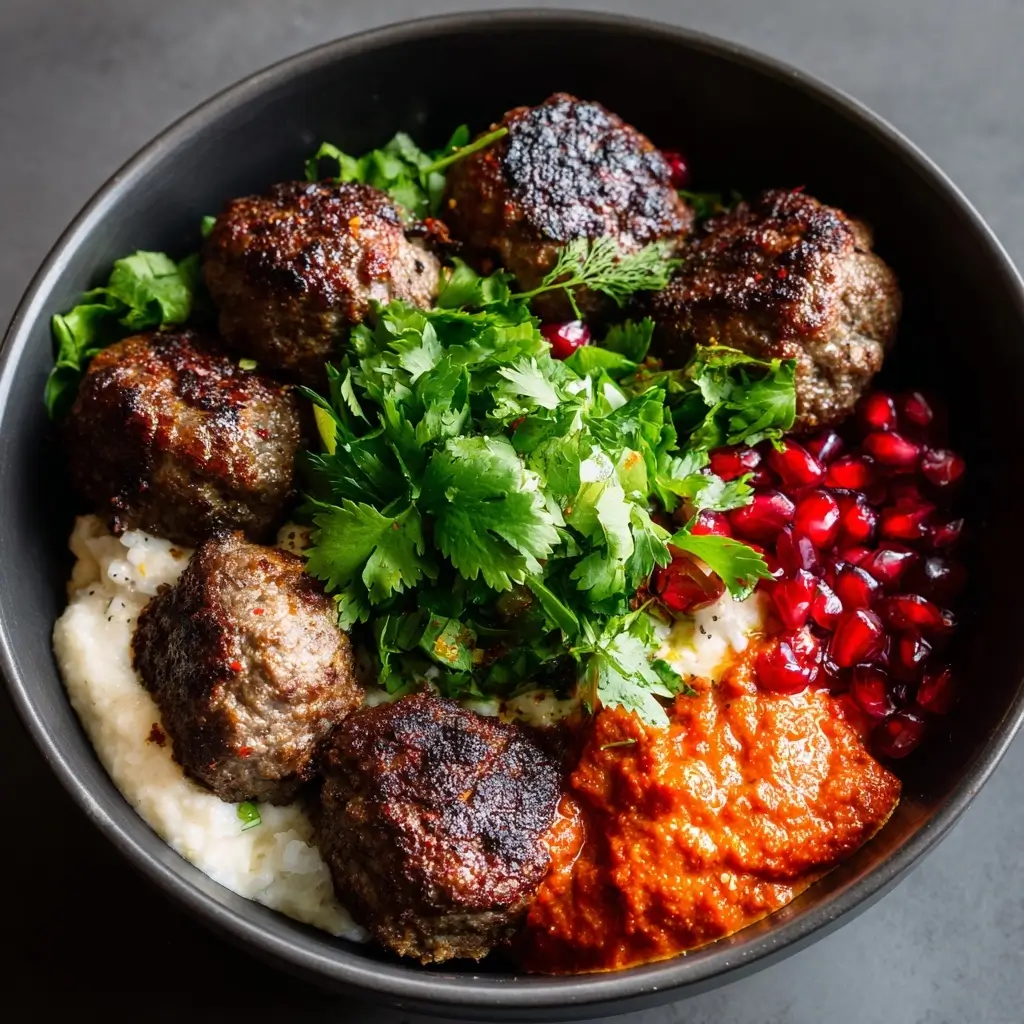
Beef Kofta Bowls: A Flavorful Middle Eastern Delight
Beef kofta bowls are a vibrant, aromatic, and satisfying dish that brings the rich flavors of Middle Eastern cuisine straight to your table. These hearty bowls combine spiced ground beef formed into kofta (meatballs or logs), grilled to perfection, and served over fluffy rice or fresh greens with an array of colorful vegetables, creamy sauces, and tangy accompaniments. Whether you’re seeking a wholesome family dinner, meal-prep inspiration, or a way to impress guests with bold, layered tastes, beef kofta bowls deliver on every front. Packed with protein, fiber, and a symphony of spices, this dish is as nutritious as it is delicious. Let’s dive deep into everything you need to know about crafting the ultimate beef kofta bowl experience at home.
The History of Kofta: A Culinary Journey Across Continents
The word “kofta” comes from the Persian word *kuftan*, meaning “to beat” or “to grind,” reflecting the traditional method of finely mincing meat by pounding it with a mortar and pestle. This technique dates back thousands of years and spread across regions through trade, conquest, and cultural exchange. Originating in ancient Persia, kofta evolved uniquely in each region it touched—from Turkey and Greece to India, North Africa, and the Levant.
In the Arab world, particularly in Lebanon, Syria, Palestine, and Jordan, kofta typically refers to elongated skewers of spiced ground lamb or beef, grilled over open flames. It became a staple of street food culture and family gatherings alike. The use of warm spices like cumin, coriander, allspice, and cinnamon reflects the influence of the historic spice trade routes that passed through the Middle East.
Over time, kofta has been adapted into countless forms: baked, boiled, stewed, or pan-fried. In modern times, health-conscious cooks have embraced kofta as a lean, flavorful alternative to heavier meat dishes. When served in bowl form—over grains, salads, or roasted vegetables—it transforms into a complete, balanced meal perfect for contemporary lifestyles. Today’s beef kofta bowls honor tradition while embracing flexibility, nutrition, and global flavor profiles.
Ingredients Breakdown: What Makes Beef Kofta Shine?
The magic of beef kofta lies in its simplicity and depth of flavor, achieved through a well-balanced blend of ingredients. Each component plays a crucial role in building texture, aroma, and taste.
- Ground Beef: Use 85–90% lean ground beef for the best balance of flavor and moisture. Leaner cuts can dry out during grilling, while fattier blends enhance juiciness.
- Onion: Finely grated onion adds natural sweetness and moisture. Its juices help bind the mixture and prevent toughness.
- Fresh Herbs: Parsley and mint are essential. They provide freshness, brightness, and cut through the richness of the meat. Cilantro can be used as a variation.
- Garlic: Minced garlic delivers pungency and depth, forming the backbone of savory notes.
- Spices: A blend of ground cumin, coriander, allspice, smoked paprika, cinnamon, and black pepper creates the signature warmth and complexity of Middle Eastern kofta. Some recipes include a pinch of chili flakes for heat.
- Breadcrumbs or Bulgur (Optional): These act as extenders and help absorb excess moisture, improving texture and preventing crumbling. For a gluten-free version, omit or substitute with almond flour or cooked quinoa.
- Egg (Optional Binder): While traditional kofta doesn’t always require a binder, adding a lightly beaten egg can help hold the mixture together—especially if shaping long skewers.
- Olive Oil: Enhances richness and helps keep the kofta tender during cooking.
For the bowl components, versatility reigns. Common additions include basmati rice, bulgur, farro, or a bed of mixed greens. Toppings often feature cucumber-tomato salad (Arab salad), pickled turnips, hummus, tzatziki, grilled vegetables, olives, feta cheese, and lemon wedges.
Step-by-Step Recipe: Crafting Perfect Beef Kofta Bowls at Home
Follow this detailed guide to make restaurant-quality beef kofta bowls right in your kitchen. Serves 4–6.
Ingredients
For the Beef Kofta:
- 1.5 lbs (680g) ground beef (85% lean)
- 1 medium yellow onion, finely grated
- 1/2 cup fresh parsley, finely chopped
- 2 tablespoons fresh mint, finely chopped (optional)
- 3 cloves garlic, minced
- 1 teaspoon ground cumin
- 1 teaspoon ground coriander
- 1/2 teaspoon ground allspice
- 1/2 teaspoon smoked paprika
- 1/4 teaspoon ground cinnamon
- 1/2 teaspoon black pepper
- 1 teaspoon salt (adjust to taste)
- 2 tablespoons breadcrumbs (or almond flour for GF)
- 1 tablespoon olive oil (plus extra for brushing)
- Optional: 1 egg (for binding)
- Metal or soaked wooden skewers
For Serving (Choose Your Bowl Base & Toppings):
- 2 cups cooked basmati rice, quinoa, or bulgur
- 2 cups mixed greens or chopped romaine lettuce
- 1 cup diced cucumbers
- 1 cup cherry tomatoes, halved
- 1/2 red onion, thinly sliced
- 1 cup chopped bell peppers (grilled optional)
- 1/2 cup crumbled feta cheese
- 1/2 cup hummus or baba ganoush
- 1/2 cup tzatziki or garlic yogurt sauce
- 1/4 cup pickled red onions or turnips
- 1/4 cup kalamata olives
- Lemon wedges
- Fresh herbs for garnish (parsley, mint)
Directions
- Prepare the Kofta Mixture: In a large mixing bowl, combine the ground beef, grated onion (squeeze out excess liquid using a cheesecloth or clean towel), parsley, mint, garlic, cumin, coriander, allspice, paprika, cinnamon, black pepper, salt, breadcrumbs, olive oil, and egg (if using). Mix gently with your hands until just combined. Avoid overmixing, which can make the kofta tough.
- Chill the Mixture: Cover and refrigerate for at least 30 minutes (up to 2 hours). This helps the flavors meld and makes shaping easier.
- Shape the Kofta: Divide the mixture into 6–8 portions. Take each portion and mold it around a skewer, shaping it into a long, oval log about 6 inches long and 1 inch thick. Press firmly but gently to ensure even thickness throughout.
- Preheat Cooking Surface: Heat a grill, grill pan, or cast-iron skillet over medium-high heat. Lightly oil the surface or brush the kofta with olive oil to prevent sticking.
- Cook the Kofta: Place the skewers on the hot surface. Grill for 4–5 minutes per side (total 12–15 minutes), turning occasionally, until nicely charred and cooked through (internal temperature should reach 160°F / 71°C).
- Rest Before Serving: Remove from heat and let rest for 3–5 minutes. This allows juices to redistribute, ensuring moist, flavorful bites.
- Assemble the Bowls: Start with your base—rice, quinoa, or greens. Slice the kofta off the skewers or serve whole. Arrange toppings around or over the meat: vegetables, cheeses, dips, and garnishes. Drizzle with sauce and finish with a squeeze of fresh lemon juice.
- Serve Immediately: Enjoy while warm for the best texture and flavor contrast.
Tips for Success: Mastering the Art of Kofta
- Don’t Overwork the Meat: Handle the mixture gently. Overmixing activates proteins in the beef, leading to dense, rubbery kofta.
- Squeeze Out Onion Juice: Grated onion adds moisture, but too much liquid can cause the kofta to fall apart. Always drain it well.
- Keep Ingredients Cold: Chill both the meat and mixing bowl before starting. Cold ingredients help maintain texture and prevent fat from melting prematurely.
- Uniform Shape Matters: Ensure all kofta are similar in size and thickness for even cooking.
- Use Soaked Wooden Skewers: If not using metal, soak wooden skewers in water for 30 minutes to prevent burning.
- Test One First: Cook a small patty to check seasoning and doneness before making the full batch.
- Let It Rest: Allowing the kofta to rest after cooking locks in moisture and improves tenderness.
- Double the Batch: Kofta freezes beautifully. Freeze uncooked shaped skewers on a tray, then transfer to bags. Cook directly from frozen (add 2–3 minutes per side).
Variations and Customizations: Make It Your Own
One of the greatest strengths of beef kofta bowls is their adaptability. Here are creative ways to tailor them to dietary needs, flavor preferences, and seasonal ingredients.
- Protein Swaps: Replace beef with ground lamb (traditional), turkey, chicken, or plant-based grounds for vegetarian kofta. Lentils or mushrooms can add umami and texture.
- Gluten-Free Option: Skip breadcrumbs or use certified GF oats, almond flour, or cooked quinoa as a binder.
- Keto/Low-Carb Version: Serve over cauliflower rice or a big salad with high-fat toppings like avocado, olives, and tahini dressing.
- Spice Level: Add cayenne pepper, harissa paste, or diced jalapeños for extra heat. For milder versions, reduce or omit spicy elements.
- Different Grains: Try freekeh, couscous, wild rice blend, or millet for unique textures and nutty flavors.
- Mediterranean Twist: Add roasted eggplant, sun-dried tomatoes, artichoke hearts, and Greek-style yogurt.
- Middle Eastern Fusion: Include tabbouleh, fattoush salad, sumac onions, or a drizzle of date molasses.
- Mexican-Inspired: Use taco spices (chili powder, oregano, cumin), top with corn, black beans, cilantro-lime crema, and crushed tortilla chips.
- Breakfast Bowl: Top with a fried or poached egg and serve with roasted potatoes.
Health Considerations and Nutritional Value
When prepared thoughtfully, beef kofta bowls can be a well-rounded, nutrient-dense meal. Let’s break down the key nutritional aspects.
Nutritional Highlights (Per Serving, Approximate):
- Calories: ~550–700 (varies based on bowl composition)
- Protein: 30–40g – Excellent source of complete protein supporting muscle repair and satiety.
- Fat: 25–35g – Mostly unsaturated fats from olive oil, avocado, and nuts/seeds when added. Saturated fat depends on beef choice; opt for leaner cuts to reduce it.
- Carbohydrates: 45–60g – Primarily complex carbs from whole grains and fiber-rich vegetables.
- Fiber: 8–12g – From vegetables, legumes (hummus), and whole grains. Supports digestion and gut health.
- Iron: High – Beef is rich in heme iron, which is easily absorbed and helps prevent anemia.
- Zinc & B Vitamins: Abundant – Essential for immune function, energy metabolism, and neurological health.
- Vitamin C: From fresh veggies like tomatoes and bell peppers – Boosts immunity and enhances iron absorption.
Health Tips:
- Leaner Beef: Choose 90–95% lean ground beef to reduce saturated fat intake.
- Baking Instead of Grilling: To minimize charring (which may produce carcinogens), bake kofta at 400°F (200°C) for 15–18 minutes or use an air fryer.
- Portion Control: Balance meat with generous amounts of vegetables and moderate grains.
- Sodium Awareness: Be mindful of added salt, especially if using store-bought hummus, feta, olives, or pickles. Rinse canned goods and choose low-sodium options when possible.
- Heart-Healthy Fats: Incorporate avocados, nuts, seeds, and olive oil to boost monounsaturated fats.
- Antioxidant-Rich Sides: Colorful vegetables provide polyphenols and carotenoids that fight oxidative stress.
Overall, beef kofta bowls align well with Mediterranean and flexitarian diets—both associated with reduced risk of heart disease, diabetes, and obesity when consumed as part of a balanced lifestyle.
Frequently Asked Questions (FAQ)
Can I make beef kofta ahead of time?
Yes! Prepare and shape the kofta up to 24 hours in advance. Store covered in the fridge. You can also freeze raw kofta on skewers for up to 3 months.
Can I bake or air fry instead of grilling?
Absolutely. Bake at 400°F (200°C) on a parchment-lined tray for 15–18 minutes, flipping halfway. Air fry at 375°F (190°C) for 10–12 minutes, shaking once.
Why did my kofta fall apart?
Possible causes: too much onion juice, insufficient binder, overhandling, or cooking on a cold/un-oiled surface. Chilling the mixture helps significantly.
Are kofta the same as meatballs?
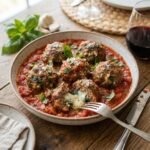
They’re similar but distinct. Kofta are typically elongated and spiced with Middle Eastern flavors, while meatballs are round and vary widely by cuisine (e.g., Italian, Swedish).
Can I use frozen vegetables in the bowl?
Fresh is best for texture, but frozen grilled veggies (like peppers and onions) can work if thawed and drained well.
Is this recipe kid-friendly?
Yes! Kids often love the mild spices and fun skewer format. Serve with yogurt sauce for dipping and let them build their own bowls.
What drink pairs well with beef kofta bowls?
Try mint lemonade, ayran (yogurt drink), pomegranate juice, or a crisp white wine like Sauvignon Blanc.
Summary
Beef kofta bowls are a celebration of flavor, texture, and cultural heritage, combining seasoned ground beef skewers with fresh vegetables, wholesome grains, and creamy sauces for a nourishing and customizable meal. Easy to prepare, rich in protein, and endlessly adaptable, they bring the vibrant spirit of Middle Eastern cuisine into your everyday cooking routine.