Garlic Butter Shrimp Scampi: A Culinary Masterpiece from the Italian Coast
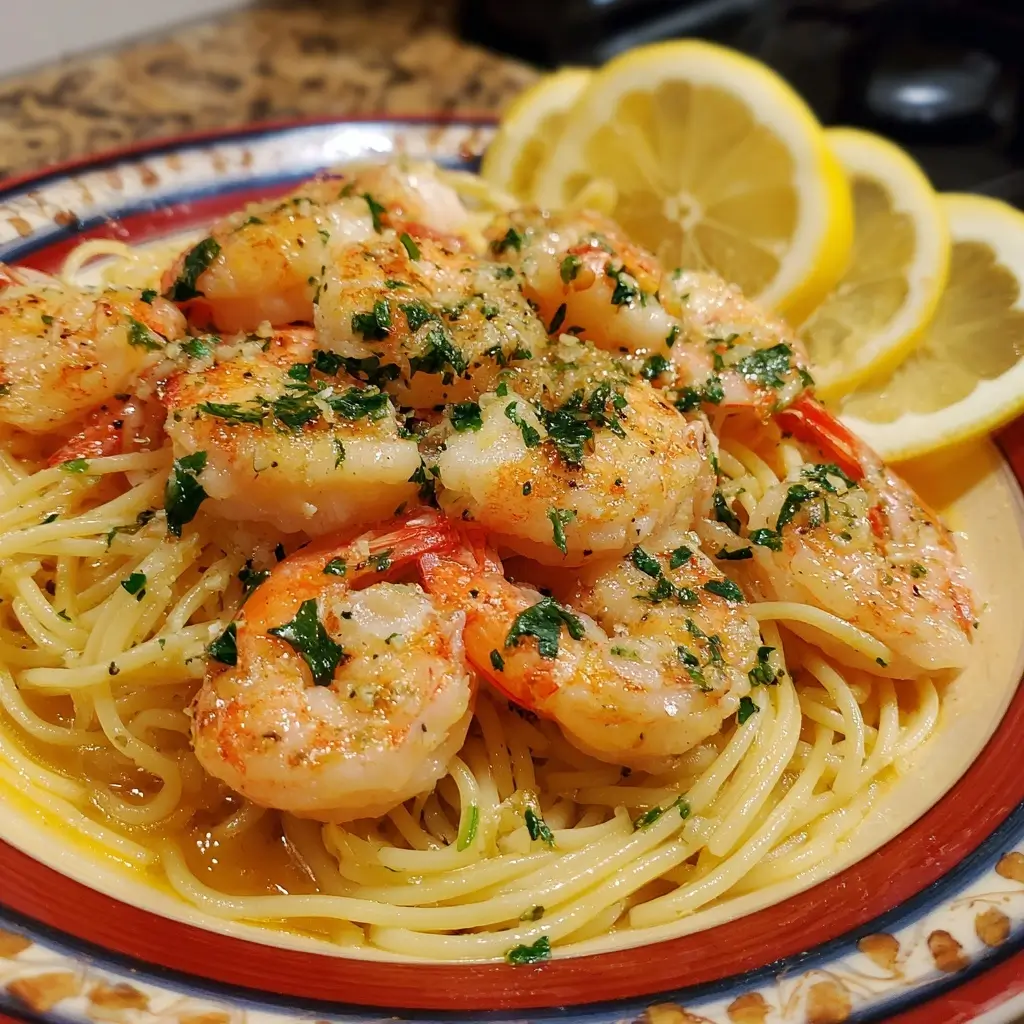
There’s a dish that transcends time, geography, and palate preferences — Garlic Butter Shrimp Scampi. Revered in seaside trattorias along the Amalfi Coast and recreated with passion in home kitchens across continents, this elegant yet approachable meal captures the essence of Mediterranean cooking: simple ingredients elevated through technique, aroma, and love. With its golden pools of garlicky butter sauce, tender shrimp, bright lemon notes, and perfectly al dente pasta (or crusty bread for dipping), Shrimp Scampi is not just food — it’s an experience. Whether you’re preparing it for a romantic dinner, a family feast, or simply to treat yourself after a long week, this recipe delivers restaurant-quality results with minimal effort.
The History of Shrimp Scampi
Despite what many believe, “scampi” isn’t actually a cooking method — it’s an Italian word for langoustine, a small lobster-like crustacean native to the Mediterranean Sea. In Italy, scampi alla busara or scampi al forno are traditional preparations involving these delicate shellfish cooked in tomato, garlic, wine, and breadcrumbs. However, when Italian immigrants brought their culinary traditions to America in the late 19th and early 20th centuries, true scampi were difficult to source. Enter the humble shrimp — abundant, affordable, and remarkably similar in texture and flavor when cooked properly.
Thus, “Shrimp Scampi” was born — not as a direct translation, but as a delicious adaptation. American chefs and home cooks began preparing large, meaty shrimp in the style traditionally reserved for langoustines: sautéed in butter, olive oil, garlic, white wine, and lemon juice. Over time, this version became so popular that “shrimp scampi” evolved into a standalone dish rather than a substitute. Today, in most American restaurants and cookbooks, “shrimp scampi” refers specifically to this garlicky, buttery preparation — even if no actual scampi are involved.
The dish gained widespread popularity in the mid-20th century during the rise of Italian-American cuisine. It graced menus from red-sauce joints in New York to upscale steakhouses in California, often served over linguine or accompanied by toasted garlic bread. Its reputation for being both luxurious and quick to prepare made it a staple of dinner parties and date nights alike.
Ingredients Breakdown: What Makes This Dish Shine?
The magic of Garlic Butter Shrimp Scampi lies in its simplicity and balance. Each ingredient plays a critical role, contributing layers of flavor, texture, and richness. Let’s break them down:
- Shrimp: Large, peeled and deveined shrimp (preferably wild-caught) form the heart of the dish. Look for sizes labeled U15, 16/20, or 21/25 — these yield plump, juicy bites. Avoid pre-cooked shrimp; fresh raw shrimp absorb flavors better and give superior texture.
- Butter: Unsalted butter allows control over seasoning and provides a rich, velvety base. European-style cultured butter (like Kerrygold) adds extra depth due to higher fat content.
- Olive Oil: High-quality extra virgin olive oil brings fruitiness and prevents the butter from burning at high heat. The combination of oil and butter creates a stable emulsion ideal for sautéing.
- Garlic: Freshly minced garlic is non-negotiable. Bottled or powdered garlic can’t match the pungent, aromatic complexity that fresh cloves deliver when gently cooked in fat.
- Dry White Wine: A crisp, acidic wine like Pinot Grigio, Sauvignon Blanc, or unoaked Chardonnay deglazes the pan and adds brightness. Never use “cooking wine” — it contains added salt and preservatives that dull the flavor.
- Lemon: Both zest and juice add essential acidity and freshness, cutting through the richness of the butter and enhancing the natural sweetness of the shrimp.
- Red Pepper Flakes: Just a pinch introduces subtle heat without overwhelming the other components. Adjustable based on preference.
- Parsley: Fresh flat-leaf parsley stirred in at the end adds color, herbal nuance, and a clean finish.
- Salt & Black Pepper: Proper seasoning enhances all elements. Use kosher salt for even distribution and freshly ground black pepper for aromatic warmth.
- Pasta (optional): Linguine is classic, but fettuccine, spaghetti, or gluten-free alternatives work well. Alternatively, serve with crusty bread for dipping.
Step-by-Step Recipe: How to Make Perfect Garlic Butter Shrimp Scampi
Follow this detailed guide to create a flawless Garlic Butter Shrimp Scampi every time. Total time: approximately 25 minutes.
- Prepare Ingredients: Peel and devein 1 pound of large shrimp (16/20 count). Pat dry thoroughly with paper towels — moisture is the enemy of proper searing. Mince 4–5 garlic cloves finely. Zest one lemon and juice half. Measure out ½ cup dry white wine, chop ¼ cup fresh parsley, and have 4 tablespoons unsalted butter ready.
- Cook the Pasta (if serving with): Bring a large pot of salted water to a boil (use about 1 tablespoon salt per quart). Cook 8 oz linguine according to package instructions until al dente. Reserve ¾ cup pasta water before draining.
- Heat the Pan: Place a large skillet (preferably stainless steel or cast iron) over medium-high heat. Add 2 tablespoons extra virgin olive oil and allow it to shimmer — not smoke.
- Sauté the Garlic: Reduce heat to medium-low. Add minced garlic and sauté gently for 60–90 seconds until fragrant and just beginning to turn golden. Do not let it brown — burnt garlic turns bitter.
- Add Butter and Warm Through: Stir in 3 tablespoons of cold butter, one piece at a time, swirling the pan to melt and emulsify. This builds the sauce base slowly and prevents separation.
- Introduce the Shrimp: Increase heat to medium-high. Add shrimp in a single layer. Season lightly with salt, black pepper, and a pinch of red pepper flakes (about ¼ tsp).
- Sear the Shrimp: Cook for 1–2 minutes per side, depending on size, until opaque and pink with light browning on the edges. Don’t overcrowd the pan — work in batches if necessary.
- Flambé with Wine (Optional but Recommended): Pour in ½ cup white wine. Use a wooden spoon to scrape up any browned bits (fond) from the bottom of the pan — this adds incredible flavor. Let simmer for 2–3 minutes until reduced by half.
- Incorporate Lemon: Stir in 1 tablespoon lemon juice and all the zest. Taste and adjust acidity — more lemon can be added later if needed.
- Finish the Sauce: Remove from heat. Swirl in remaining 1 tablespoon butter to enrich the sauce and give it a glossy sheen.
- Add Herbs: Fold in chopped parsley for freshness and color.
- Combine with Pasta (if using): Add drained linguine to the skillet. Toss vigorously to coat every strand in the sauce. If too dry, add reserved pasta water 1–2 tablespoons at a time until desired consistency is reached.
- Serve Immediately: Plate promptly while hot. Garnish with additional parsley, lemon wedges, and freshly grated Parmesan cheese (optional but delicious).
Professional Tips for Success
- Don’t Overcook the Shrimp: Shrimp cook quickly and become rubbery if left too long. They’re done when they turn opaque and C-shaped. Overcooked shrimp curl tightly into O-shapes — avoid this!
- Use Cold Butter: Adding cold butter off-heat helps create a stable emulsion, giving the sauce a creamy, restaurant-quality texture without cream.
- Reserve Pasta Water: The starchy liquid helps bind the sauce to the noodles, creating a silky coating that clings beautifully.
- Balance Acidity: Taste before serving. If too sharp, add a tiny pinch of sugar. If too mild, boost with another squeeze of lemon.
- Let the Pan Do the Work: Allow proper browning (Maillard reaction) on the shrimp and fond development — these deepen flavor significantly.
- Prevent Clumping: Spread shrimp evenly in the pan. Crowding causes steaming instead of searing.
- Rest Before Serving: While optional, letting the dish sit for 1–2 minutes allows flavors to meld subtly.
Variations and Customizations
While classic Garlic Butter Shrimp Scampi is timeless, feel free to experiment with creative twists:
- Creamy Scampi: Stir in 2–3 tablespoons heavy cream or crème fraîche at the end for a richer, more decadent sauce.
- Tomato-Herb Scampi: Add 1 cup halved cherry tomatoes halfway through cooking. Their juices burst into the sauce, adding sweetness and color.
- Spicy Arrabbiata Style: Double the red pepper flakes and add a dash of smoked paprika or Calabrian chili paste for intense heat.
- Herb Infusion: Add fresh thyme, basil, or tarragon along with parsley for layered aromatics.
- Wine-Free Version: Replace wine with low-sodium chicken or vegetable broth mixed with 1 tsp apple cider vinegar for acidity.
- Gluten-Free Option: Serve over zucchini noodles (zoodles), spaghetti squash, or gluten-free pasta. Ensure all ingredients (especially broth or wine) are certified GF.
- Keto-Friendly Scampi: Skip the pasta entirely. Serve over sautéed spinach, cauliflower rice, or roasted asparagus.
- Seafood Medley: Combine shrimp with scallops, mussels, or chunks of firm white fish like cod for a surf-and-turndown effect.
- Asian Fusion Twist: Substitute soy sauce for salt, add ginger, green onions, and sesame oil. Finish with cilantro instead of parsley.
- Vegan “Scampi”: Use king oyster mushroom strips or hearts of palm cut into rounds to mimic shrimp texture. Sauté in vegan butter and nutritional yeast for umami.
Health Considerations and Nutritional Value
Garlic Butter Shrimp Scampi can be part of a balanced diet when prepared mindfully. Here’s a breakdown per serving (based on 4 servings, without pasta):
- Calories: ~280 kcal
- Protein: 26g – Excellent source; supports muscle repair and satiety.
- Fat: 17g – Mostly unsaturated from olive oil and butter. Moderate saturated fat content.
- Carbohydrates: 3g – Primarily from wine and minimal natural sugars.
- Sodium: ~600mg – Can vary based on added salt. Lower by reducing salt and using low-sodium broth if substituting wine.
- Cholesterol: ~180mg – Naturally present in shrimp. Recent studies suggest dietary cholesterol has less impact on blood cholesterol than once thought, but consult your doctor if managing heart health.
Key Health Benefits:
- Shrimp: Rich in selenium, vitamin B12, phosphorus, choline, and omega-3 fatty acids (EPA and DHA), which support brain function and reduce inflammation.
- Garlic: Contains allicin, known for antimicrobial and cardiovascular benefits. May help lower blood pressure and cholesterol levels.
- Lemon: High in vitamin C, a powerful antioxidant that boosts immunity and aids iron absorption.
- Olive Oil: A cornerstone of the Mediterranean diet, linked to reduced risk of heart disease, stroke, and certain cancers.
Considerations:
- Butter Content: While flavorful, butter increases saturated fat. For a lighter version, increase olive oil and reduce butter to 2 tbsp total.
- Alcohol in Wine: Most ethanol evaporates during reduction, but trace amounts may remain. Not suitable for those avoiding alcohol completely.
- Allergens: Contains shellfish and dairy (butter). Not safe for individuals with shrimp or lactose intolerance unless modified.
- Purine Content: Shrimp contain purines, which can contribute to gout flare-ups in sensitive individuals. Consume in moderation if prone to gout.
Full Ingredient List
- 1 lb (450g) large raw shrimp (16/20 or 21/25 count), peeled and deveined
- 4–5 cloves garlic, finely minced
- 4 tbsp unsalted butter, cold and cubed
- 2 tbsp extra virgin olive oil
- ½ cup dry white wine (e.g., Pinot Grigio, Sauvignon Blanc)
- 1 lemon (zested and juiced – use 1 tbsp juice to start)
- ¼ cup fresh flat-leaf parsley, chopped
- ¼ tsp red pepper flakes (adjust to taste)
- Kosher salt and freshly ground black pepper, to taste
- 8 oz linguine (optional, for serving)
- Reserved pasta water (about ¾ cup)
- Grated Parmesan cheese (optional garnish)
- Lemon wedges (for serving)
Detailed Directions
- Prep Work: Start by cleaning and drying the shrimp thoroughly. Excess moisture prevents proper browning. Keep refrigerated until ready to cook.
- Boil Salted Water: Fill a large pot with water, add 1 tbsp kosher salt, and bring to a rolling boil. Add pasta if using and cook until 1 minute shy of al dente. Reserve ¾ cup starchy water, then drain.
- Sauté Garlic: Heat olive oil in a wide skillet over medium-low. Add garlic and cook slowly until fragrant (~1 min). Stir constantly to prevent burning.
- Build the Base: Reduce heat slightly. Add 3 tbsp butter, one cube at a time, stirring continuously until melted and incorporated.
- Season and Sear Shrimp: Raise heat to medium-high. Add shrimp in a single layer. Sprinkle with salt, pepper, and red pepper flakes. Cook 1–2 minutes per side until pink and opaque.
- Deglaze with Wine: Pour in white wine, scraping the bottom of the pan. Simmer 2–3 minutes until reduced by half and slightly syrupy.
- Add Citrus: Stir in lemon zest and 1 tbsp juice. Adjust to taste — some prefer more tang.
- Final Enrichment: Remove pan from heat. Swirl in final tablespoon of cold butter for shine and silkiness.
- Herb Finish: Stir in fresh parsley. Cover briefly to steam slightly and infuse flavor.
- Combine with Pasta: Add cooked linguine to the skillet. Toss well, adding reserved pasta water 1–2 tbsp at a time until sauce coats each strand luxuriously.
- Taste and Adjust: Check seasoning. Add more salt, pepper, lemon, or heat as needed.
- Plate and Serve: Divide among warm bowls. Garnish with extra parsley, lemon wedges, and a dusting of Parmesan if desired. Serve immediately.
Frequently Asked Questions (FAQ)
Can I use frozen shrimp?
Yes, but thaw them first in the refrigerator overnight or under cold running water. Pat very dry before cooking to ensure proper sear.
Is it safe to eat shrimp with butter and wine?
Absolutely. When cooked properly, the alcohol reduces significantly, and the dish falls within normal dietary guidelines. Those avoiding alcohol can substitute with broth and vinegar.
Can I make this ahead of time?
Best served fresh. However, you can prep ingredients (mince garlic, chop herbs, measure liquids) up to a day in advance. Reheat gently to avoid overcooking shrimp.
Why did my sauce break or separate?
This happens when heat is too high or butter is added too quickly. Always swirl cold butter in off-heat and maintain gentle emulsification.
Can I freeze leftovers?
Not recommended. Shrimp become tough and watery upon reheating. Best consumed within 2 days refrigerated.
What wine pairs well with Shrimp Scampi?
A chilled glass of the same white used in cooking — such as Pinot Grigio, Vermentino, or unoaked Chardonnay — complements the dish beautifully.
How do I know when shrimp are done?
They should be uniformly pink and opaque, forming a loose “C” shape. Overcooked ones curl tightly and feel rubbery.
Can I use margarine instead of butter?
Not advised. Margarine contains water and additives that affect flavor and texture. Stick to real butter for authenticity.
Is Shrimp Scampi gluten-free?
The sauce is naturally gluten-free. But check labels on wine and broth if using substitutes. Serve over GF pasta or vegetables to keep it compliant.
Can I add vegetables?
Yes! Try spinach, asparagus, artichoke hearts, or bell peppers. Sauté them before adding garlic or after removing shrimp.
Summary
Garlic Butter Shrimp Scampi is a vibrant, aromatic dish that combines plump shrimp, rich butter, pungent garlic, white wine, and lemon in perfect harmony — traditionally served over pasta or with crusty bread for dipping. Quick to prepare and endlessly customizable, it’s a gourmet favorite that feels indulgent yet remains accessible for weeknight dinners.