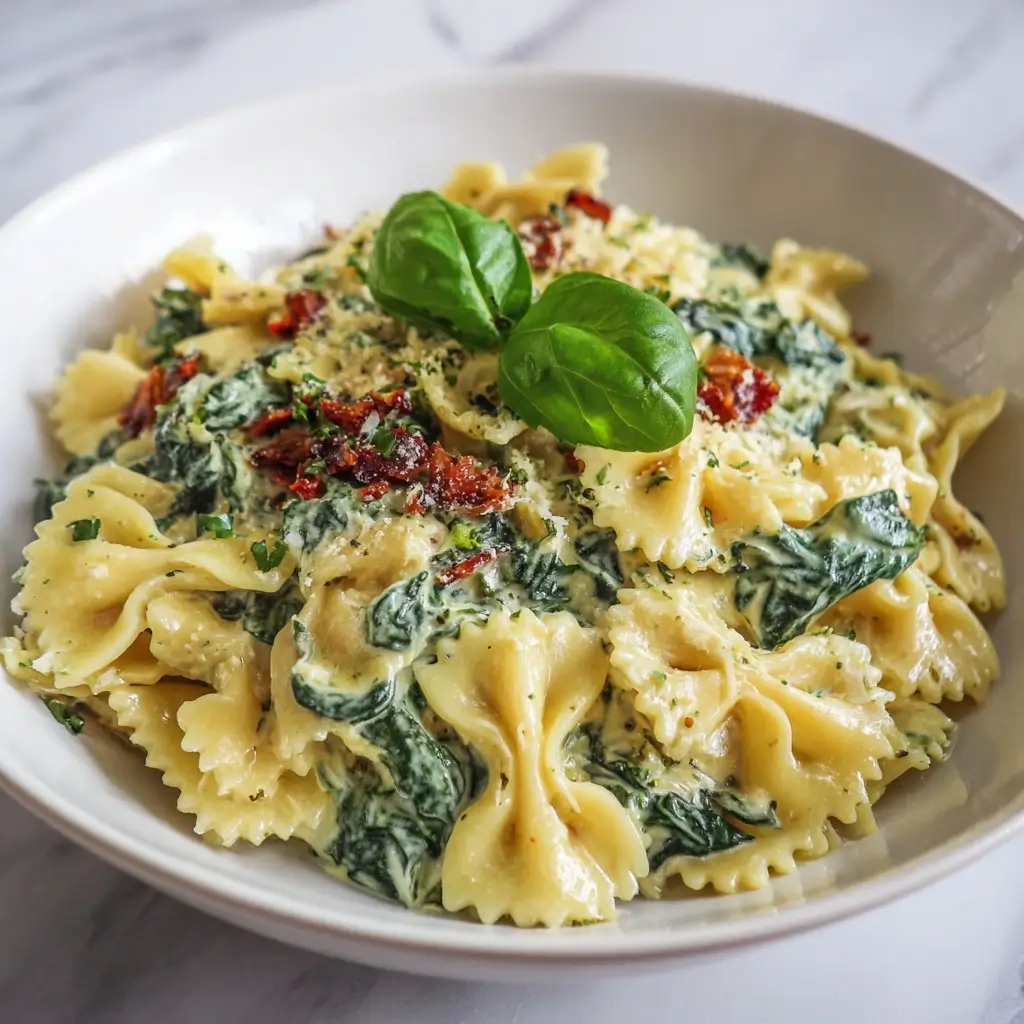
Creamy Spinach Ricotta Pasta is a luscious, comforting dish that brings together the delicate richness of ricotta cheese with the earthy freshness of spinach, all wrapped in tender pasta. Perfect for weeknight dinners or elegant enough for weekend entertaining, this dish balances indulgence with wholesome ingredients. With its velvety texture and vibrant green hue, it’s a feast for both the eyes and the palate. Whether you’re a beginner in the kitchen or a seasoned cook, this recipe is simple to prepare yet delivers restaurant-quality results.
The History
The roots of creamy pasta dishes can be traced back to Italian culinary traditions, where fresh cheeses like ricotta have been staples since ancient times. Originating from southern Italy, particularly regions like Sicily and Campania, ricotta (meaning “recooked” in Italian) was traditionally made from the leftover whey after producing other cheeses such as mozzarella or pecorino. Over time, ricotta found its way into both sweet and savory dishes, including lasagna, ravioli fillings, and desserts like cannoli.
Creamy spinach pasta, while not directly documented in historical Italian cookbooks, emerged as a modern interpretation influenced by the popularity of vegetable-enriched pastas and lighter cream sauces. The combination of spinach and ricotta became especially popular in the 20th century, as home cooks sought healthier, more colorful alternatives to heavy cream-based sauces. Today, Creamy Spinach Ricotta Pasta reflects a fusion of tradition and innovation—honoring rustic Italian techniques while embracing contemporary tastes and nutritional awareness.
Ingredients Breakdown
The beauty of this dish lies in its simplicity and high-quality ingredients. Each component plays a crucial role in achieving the perfect balance of flavor, texture, and nutrition:
- Pasta: Use dried or fresh fettuccine, penne, rigatoni, or even gluten-free pasta based on dietary needs. The shape affects how well the sauce clings—tubes and ridges work exceptionally well.
- Ricotta Cheese: Full-fat whole milk ricotta provides the creamiest texture and richest flavor. Low-fat versions can be used but may result in a thinner, less luxurious sauce.
- Fresh Spinach: Young, tender spinach leaves wilt quickly and add color, nutrients, and a subtle earthiness without overpowering the dish.
- Garlic: Freshly minced garlic adds aromatic depth. Sautéing it gently ensures it doesn’t burn and turn bitter.
- Olive Oil: Extra virgin olive oil enhances flavor and helps sauté ingredients smoothly. It also contributes heart-healthy monounsaturated fats.
- Lemon Juice: A splash brightens the entire dish, cutting through the richness and enhancing the freshness of the spinach and cheese.
- Grated Parmesan or Pecorino Romano: These hard cheeses add umami, saltiness, and help thicken the sauce slightly when melted.
- Nutmeg (optional): Just a pinch elevates the ricotta’s natural sweetness and pairs beautifully with spinach—a classic touch in Italian cooking.
- Salt & Black Pepper: Essential for seasoning each layer of the dish.
- Pasta Water: Starchy, hot water from boiling pasta is liquid gold—it binds the sauce, helping it emulsify and cling to every strand or tube.
Step-by-Step Recipe
- Boil the Pasta: Bring a large pot of salted water to a rolling boil (use about 1 tablespoon of salt per 4 quarts of water). Add your choice of pasta and cook according to package instructions until al dente—usually 9–12 minutes for dried pasta. Reserve 1 cup of pasta water before draining.
- Prepare the Spinach: While the pasta cooks, heat 2 tablespoons of olive oil in a large skillet over medium heat. Add 2–3 minced garlic cloves and sauté for 30 seconds until fragrant but not browned. Add 5–6 cups of fresh spinach (in batches if needed) and stir continuously until wilted—about 2–3 minutes. Remove from heat and set aside.
- Blend the Ricotta Mixture: In a blender or food processor, combine 1 ½ cups of whole milk ricotta, ½ cup grated Parmesan, juice of half a lemon (about 1–2 tablespoons), ¼ teaspoon freshly grated nutmeg (if using), ½ teaspoon salt, and a generous amount of black pepper. Blend until completely smooth and creamy. Alternatively, you can mash and mix thoroughly by hand, though blending yields a silkier texture.
- Combine Everything: Return the cooked, drained pasta to the pot (off the heat). Add the wilted spinach and garlic mixture. Pour the blended ricotta sauce over the pasta. Begin adding reserved pasta water, one ladle at a time (start with ¼ cup), tossing vigorously to create a glossy, cohesive sauce. Continue until the desired creaminess is achieved—usually ½ to ¾ cup total.
- Adjust Seasoning: Taste and adjust salt, pepper, or lemon juice as needed. If the dish feels flat, a bit more lemon or Parmesan can elevate the flavors instantly.
- Serve Immediately: Plate the pasta while hot. Garnish with extra grated cheese, a drizzle of olive oil, cracked black pepper, and optional red pepper flakes for heat. Fresh basil or parsley adds a pop of color and freshness.
Tips
- Don’t Overcook the Pasta: Al dente texture ensures the pasta holds up when mixed with the sauce and doesn’t become mushy.
- Use Hot Pasta Water: Cold water will cool down the dish and prevent proper emulsification. Always reserve and use it piping hot.
- Blend the Ricotta: Even if your ricotta seems smooth, blending eliminates any graininess and creates a truly velvety sauce.
- Add Greens Gradually: If using frozen spinach, thaw completely and squeeze out excess moisture to avoid watery sauce. For fresh spinach, add in batches to prevent overcrowding the pan.
- Infuse the Oil (Optional): For deeper flavor, gently warm the olive oil with garlic and a sprig of rosemary or thyme before adding spinach—just remove herbs before serving.
- Work Quickly: The sauce comes together fast once the pasta is ready, so have all ingredients prepped ahead of time (mise en place).
- Avoid High Heat When Mixing: Reheating the final dish on high heat can cause ricotta to separate or curdle. Toss gently off the heat or on very low warmth.
Variations and Customizations
This versatile recipe welcomes endless adaptations to suit different tastes, diets, and seasonal availability:
- Protein Boost: Add grilled chicken, sautéed shrimp, crispy pancetta, or white beans for extra protein. Poached or fried eggs make a luxurious brunch version.
- Dairy-Free/Vegan Option: Substitute ricotta with blended silken tofu or cashew ricotta (soaked cashews, lemon, nutritional yeast, and garlic). Use plant-based Parmesan and olive oil for richness.
- Gluten-Free Version: Choose certified gluten-free pasta—corn, rice, or chickpea-based varieties work well.
- Different Greens: Swap spinach with arugula (for peppery bite), kale (massage first), Swiss chard, or broccoli rabe (blanched to reduce bitterness).
- Add Mushrooms: Sautéed cremini or wild mushrooms bring an earthy, umami-rich layer that complements the creaminess.
- Herb Variations: Stir in fresh basil, dill, tarragon, or chives for a unique aromatic twist.
- Spicy Kick: Add red pepper flakes during sautéing or finish with a swirl of chili oil.
- Tomato Twist: Fold in sun-dried tomatoes or a spoonful of tomato pesto for a tangy contrast.
- Baked Version: Transfer the finished pasta to an oven-safe dish, top with breadcrumbs and mozzarella, and bake at 375°F (190°C) for 15–20 minutes for a casserole-style meal.
Health Considerations and Nutritional Value
Creamy Spinach Ricotta Pasta offers a surprisingly balanced nutritional profile when prepared mindfully:
- Spinach: Packed with iron, vitamin K, vitamin A, folate, and antioxidants like lutein and beta-carotene. Supports bone health, vision, and immune function.
- Ricotta Cheese: A good source of high-quality protein and calcium. Also contains phosphorus and selenium. Opting for part-skim reduces saturated fat while maintaining creaminess.
- Olive Oil: Rich in heart-healthy monounsaturated fats and anti-inflammatory compounds like oleocanthal.
- Whole Grain or Legume-Based Pasta: Increases fiber and protein content, promoting satiety and stable blood sugar levels.
- Lemon Juice: Enhances iron absorption from spinach due to its vitamin C content.
Nutritional Estimate (per serving, serves 4):
- Calories: ~450–550 (varies with pasta type and cheese)
- Protein: 18–22g
- Carbohydrates: 55–65g
- Fiber: 4–6g
- Fat: 18–22g (mostly unsaturated)
- Sodium: 600–800mg (can be reduced by limiting added salt and choosing low-sodium cheese)
Note: To lower calories and fat, increase spinach volume, reduce ricotta slightly, and rely more on starchy pasta water for creaminess. Pair with a side salad or roasted vegetables for a complete, balanced meal.
Ingredients
- 12 oz (340g) pasta (penne, fettuccine, or rigatoni recommended)
- 1 ½ cups whole milk ricotta cheese (drained if watery)
- 5–6 cups fresh baby spinach (packed)
- 2–3 cloves garlic, finely minced
- 2 tbsp extra virgin olive oil
- ½ cup freshly grated Parmesan or Pecorino Romano cheese, plus extra for serving
- Juice of ½ lemon (1–2 tbsp)
- ¼ tsp ground nutmeg (optional but recommended)
- 1 tbsp salt (for pasta water)
- Freshly ground black pepper, to taste
- Red pepper flakes (optional)
- 1 cup reserved pasta cooking water
- Fresh basil or parsley, chopped (for garnish)
Directions
- Fill a large pot with water, add 1 tablespoon of salt, and bring to a boil. Add pasta and cook until al dente. Before draining, reserve 1 cup of starchy pasta water.
- While pasta cooks, heat olive oil in a large skillet over medium heat. Add minced garlic and sauté for 30 seconds until fragrant. Do not let it brown.
- Add fresh spinach in batches, stirring constantly until fully wilted, about 2–3 minutes. Remove from heat and set aside.
- In a blender or bowl, combine ricotta, grated Parmesan, lemon juice, nutmeg, ½ teaspoon salt, and a few grinds of black pepper. Blend or whisk until completely smooth.
- Drain the pasta and return it to the pot (off the heat). Add the wilted spinach mixture and the ricotta sauce.
- Begin adding reserved pasta water, starting with ¼ cup, tossing well after each addition. Continue until the sauce is creamy, glossy, and evenly coats the pasta—typically ½ to ¾ cup used.
- Taste and adjust seasoning—add more salt, pepper, lemon juice, or cheese as desired.
- Serve immediately in warm bowls. Top with additional Parmesan, cracked black pepper, a drizzle of olive oil, and fresh herbs. Optional: sprinkle with red pepper flakes for heat.
FAQ
Can I make this ahead of time?
Yes, but best results come from reheating gently with a splash of water or milk to restore creaminess. The sauce may thicken when chilled.
Can I freeze Creamy Spinach Ricotta Pasta?
Not recommended—ricotta tends to separate and become grainy when frozen and thawed. Enjoy fresh or refrigerate for up to 3 days.
Why is my sauce too thick/thin?
Too thick? Add more warm pasta water, a tablespoon at a time. Too thin? Toss over low heat briefly to reduce, or add more ricotta/cheese to thicken.
Can I use frozen spinach?
Absolutely. Use about 10 oz frozen chopped spinach, thawed and squeezed dry to remove excess moisture. This prevents a watery sauce.
Is this dish vegetarian/vegan?
Vegetarian: Yes. Vegan: Only if substituting dairy ingredients with plant-based alternatives.
Can I add meat?
Yes! Cooked chicken, sausage, shrimp, or pancetta blend well. Add just before mixing with pasta.
What wine pairs well with this dish?
A crisp white wine like Pinot Grigio, Sauvignon Blanc, or Vermentino complements the lemon and creaminess. For red lovers, a light-bodied Chianti works.
Summary
Creamy Spinach Ricotta Pasta is a harmonious blend of rich, velvety cheese and vibrant, nutrient-packed greens tossed with perfectly cooked pasta. Simple to make yet deeply satisfying, it’s a modern classic that nourishes both body and soul.