Introduction
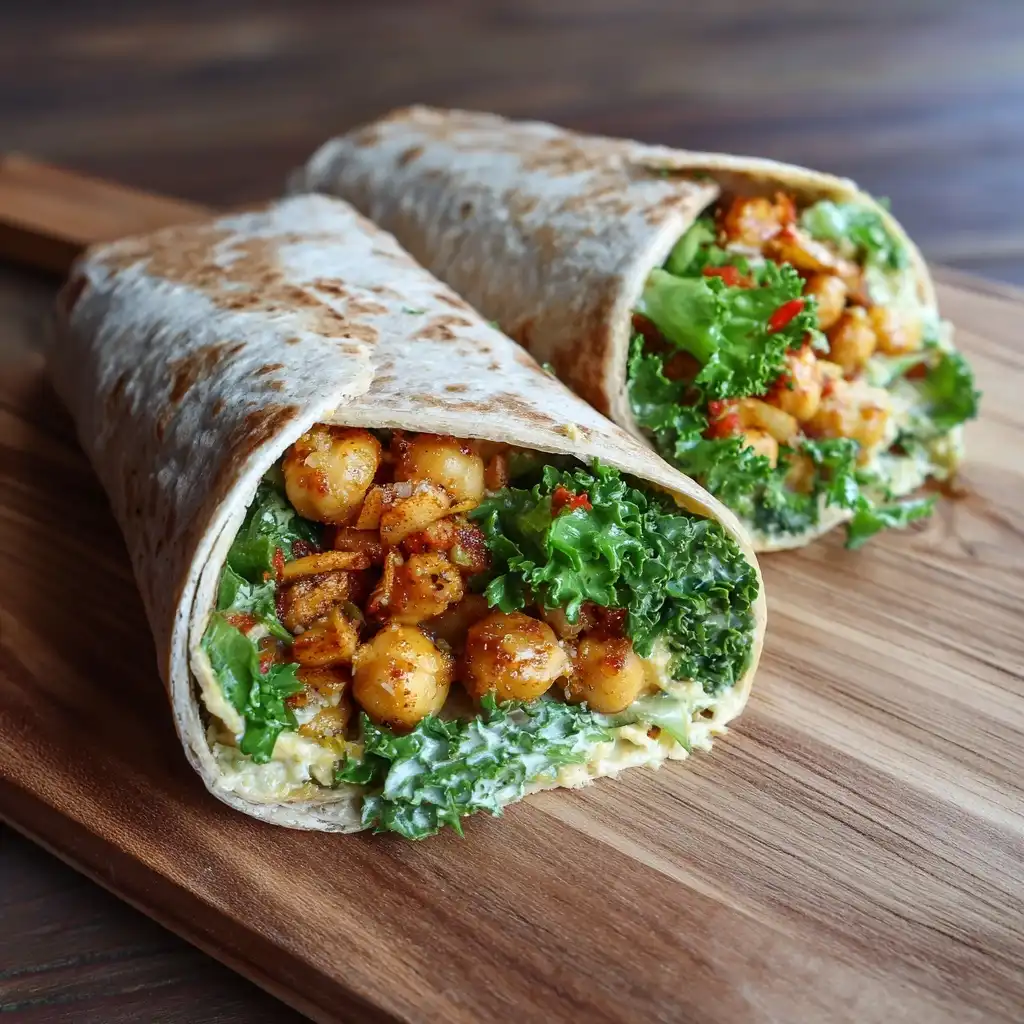
The Spicy Chickpea Wrap is a vibrant, plant-powered meal that marries bold global flavors with wholesome nutrition. Born from the growing demand for quick, satisfying, and entirely vegetarian lunch options, this wrap delivers hearty texture, complex heat, and creamy richness—all without relying on meat or dairy. Whether you’re a seasoned vegan, a flexitarian seeking more legume-based meals, or simply someone craving a flavorful, no-compromise lunch that comes together in under 30 minutes, this recipe checks every box. Its versatility makes it perfect for meal prep, on-the-go lunches, post-workout fuel, or even a light yet deeply satisfying dinner. What truly sets it apart is how it transforms humble canned chickpeas into a star ingredient—roasted until golden and crispy, then tossed in a zesty, smoky-spicy sauce that clings beautifully to every bite.
The History
While wraps themselves trace their origins to ancient flatbreads across the Middle East, Mediterranean, and Mesoamerica—from pita and lavash to tortillas—the modern “spicy chickpea wrap” is a relatively recent culinary evolution rooted in the 21st-century plant-based movement. Chickpeas have been a dietary staple for over 7,500 years, cultivated first in the Fertile Crescent and later embraced across India, the Levant, North Africa, and Southern Europe. In Indian cuisine, spiced chickpea preparations like chana masala laid foundational flavor principles—cumin, ginger, turmeric, chili—while Middle Eastern dishes such as hummus and falafel showcased chickpeas’ textural adaptability. The fusion spark came in the early 2010s, as health-conscious chefs and food bloggers began reimagining traditional legume dishes in portable, globally inspired formats. Influenced by street food trends (like Mumbai’s pav sandwiches and Istanbul’s dürüm), wellness culture, and sustainability advocacy, the spicy chickpea wrap emerged as both an ethical and energetic alternative to conventional protein wraps. Today, it appears on menus from Brooklyn cafés to Berlin vegan bistros—and has become a cornerstone recipe in countless plant-based cookbooks and digital food communities.
Ingredients Breakdown
Every component of this wrap plays a deliberate role—not just in taste, but in texture, nutrition, and balance:
- Chickpeas: The heart of the dish—rich in plant-based protein (7.3g per ½ cup), dietary fiber (6g), folate, iron, and magnesium. Opting for low-sodium or no-salt-added canned varieties gives you full control over seasoning; rinsing removes excess sodium and the starchy liquid (aquafaba) that can inhibit crispiness.
- Smoked Paprika: Adds deep, earthy warmth and subtle barbecue-like notes—key for umami depth without added fat or animal products. Contains capsaicin (anti-inflammatory) and high levels of vitamin A (as beta-carotene).
- Cayenne Pepper & Chipotle Powder: Provide layered heat—cayenne delivers bright, upfront fire, while chipotle (smoked jalapeños) lends slow-building smokiness and complexity. Adjust ratios to fine-tune Scoville-level intensity.
- Nutritional Yeast: A deactivated yeast prized in vegan cooking for its naturally cheesy, nutty, umami-rich flavor and impressive B-vitamin profile—including B12 when fortified. It also contributes a subtle creaminess when blended into the sauce.
- Avocado or Cashew Cream: Serves as the luxurious, cooling counterpoint to the spice—adding monounsaturated fats (heart-healthy), potassium, and creaminess without dairy. Cashew cream offers a nuttier, richer base; avocado adds freshness and vibrant green color.
- Whole-Grain or Sprouted Tortillas: Provide complex carbohydrates, additional fiber (3–5g per wrap), and sustained energy. Sprouted grain versions enhance nutrient bioavailability—especially B vitamins and amino acids—by breaking down phytic acid during germination.
- Fresh Veggies (Red Cabbage, Cucumber, Spinach): Introduce crunch, hydration, antioxidants (vitamin C, K, anthocyanins), and enzymatic brightness. Red cabbage, in particular, contains glucosinolates linked to cellular support.
- Lime Juice & Fresh Cilantro: Offer acidity and aromatic lift—cutting through richness, enhancing absorption of non-heme iron from chickpeas, and adding polyphenols and volatile oils with digestive benefits.
Step-by-Step Recipe
- Prep & Drain Chickpeas: Drain and rinse one 15-oz can of chickpeas thoroughly in a fine-mesh strainer. Spread them on a clean kitchen towel or triple-layered paper towels. Gently pat dry—removing as much surface moisture as possible is essential for achieving maximum crispness during roasting.
- Roast to Crisp Perfection: Preheat oven to 400°F (200°C). Toss dried chickpeas with 1 tbsp high-heat oil (avocado or refined coconut), ½ tsp garlic powder, ½ tsp onion powder, 1 tsp smoked paprika, ¼ tsp cayenne, ¼ tsp chipotle powder, ½ tsp ground cumin, ¼ tsp sea salt, and a pinch of black pepper. Spread in a single layer on a parchment-lined baking sheet. Roast for 25–35 minutes, shaking the pan every 10 minutes, until golden brown and crunchy—some may “pop” audibly when done. Let cool slightly (they crisp further as they cool).
- Whisk the Creamy Spice Sauce: In a small bowl, combine ½ ripe mashed avocado (or ¼ cup soaked & blended cashew cream), 1 tbsp fresh lime juice, 1 tsp maple syrup or agave (to balance heat), 1 tbsp nutritional yeast, ¼ tsp garlic powder, ¼ tsp onion powder, ⅛ tsp cayenne (optional, for extra kick), and a pinch of salt. Whisk until smooth and emulsified. Adjust lime or sweetener to taste.
- Warm & Soften Tortillas: Lightly heat whole-grain tortillas (6–8 inches) in a dry skillet over medium-low heat for 20–30 seconds per side—or wrap in damp paper towels and microwave for 15 seconds. This improves pliability and prevents tearing when rolling.
- Assemble with Intention: Lay a warm tortilla flat. Spread 2–3 tbsp of creamy spice sauce evenly across the center, leaving a 1-inch border. Layer ¼ cup roasted chickpeas down the middle, then top with ¼ cup shredded red cabbage, 2–3 thin cucumber ribbons, a small handful of baby spinach or arugula, and a sprinkle of fresh cilantro leaves.
- Roll Tightly & Seal: Fold the bottom edge up over the filling, then fold in both sides snugly. Roll forward firmly but gently, tucking as you go to enclose all ingredients. If desired, lightly toast the seam-side down in the skillet for 30 seconds to help it hold.
- Serve Immediately or Chill: For optimal texture, serve within 30 minutes. To meal prep: wrap tightly in parchment + aluminum foil and refrigerate up to 2 days (add greens/cabbage just before eating to prevent sogginess).
Tips
- Dry Thoroughly: Even a trace of moisture prevents crisping—consider air-drying rinsed chickpeas for 15 minutes or using a salad spinner for best results.
- Roast Low & Slow for Extra Crunch: For ultra-crispy chickpeas, reduce oven temp to 375°F and extend roasting time to 40–45 minutes—just watch closely after 35 minutes to avoid burning.
- Batch-Roast Extras: Double the chickpea batch and store cooled, roasted chickpeas in an airtight container at room temperature for up to 1 week—they make fantastic salad toppers, soup garnishes, or snack crackers.
- Acid Is Your Ally: Always add lime or lemon juice *after* roasting—acid can toughen legumes if added before heating.
- Press Cashews Right: For ultra-smooth cashew cream, soak raw cashews in hot water for 15 minutes (or cold water for 4+ hours), then drain and blend with just enough water (1–2 tsp) until glossy and thick—no grit whatsoever.
- Layer Greens Last: Add delicate greens like spinach or sprouts *after* spreading the sauce and chickpeas—but *before* crunchy veggies—to create a moisture barrier that keeps the tortilla intact.
- Use a “Wrap Mat” Hack: Place your tortilla on a clean bamboo sushi mat or folded tea towel—it provides gentle resistance and grip while rolling, minimizing slippage and uneven tension.
- Freeze Smart: Unfilled roasted chickpeas freeze beautifully for up to 3 months. Sauce (avocado-based) does not freeze well—but cashew-based sauce can be frozen for up to 2 months in ice cube trays, then thawed & whisked.
Variations and Customizations
This wrap is infinitely adaptable—here are 12 thoughtfully curated variations spanning global cuisines, dietary needs, and seasonal availability:
- Mediterranean Lemon-Herb: Swap chipotle for ½ tsp dried oregano + 1 tsp lemon zest; replace avocado sauce with lemon-tahini drizzle (2 tbsp tahini + 1 tbsp lemon + 2 tsp maple + water to thin); top with kalamata olives, cherry tomatoes, and crumbled vegan feta.
- Indian-Inspired Chana Chaat: Skip roasting—mash chickpeas lightly with 1 tsp chaat masala, ½ tsp amchur (dry mango powder), 1 tsp finely minced red onion, and 1 tbsp pomegranate arils; serve with mint-cilantro chutney and sev (optional gluten-free version).
- Breakfast Chickpea Scramble Wrap: Sauté roasted chickpeas with turmeric, black salt (kala namak), and diced bell peppers; bind with silken tofu scramble; add sliced avocado and microgreens.
- BBQ-Spiced Smoky Wrap: Replace chipotle with 1 tbsp sugar-free vegan BBQ sauce in the roast mix; drizzle finished wrap with extra BBQ + apple cider vinegar slaw (shredded cabbage + carrot + 1 tbsp ACV + ½ tsp Dijon).
- Thai Peanut Twist: Use peanut butter–lime–sriracha sauce instead of avocado blend; toss chickpeas with 1 tsp grated ginger + 1 tsp tamari + ½ tsp five-spice; top with bean sprouts, crushed peanuts, and lime wedges.
- Low-Carb/Low-Carb Keto Option: Serve filling in large butter lettuce cups or collard green wraps (blanched 10 seconds for flexibility); boost healthy fats with hemp seeds and extra avocado.
- Gluten-Free Certified: Use certified GF tortillas (e.g., Siete Almond Flour or Mission GF Spinach) and verify all spices/sauces are GF—many bulk-bin paprikas contain gluten cross-contamination.
- Oil-Free Whole Food Plant-Based: Roast chickpeas with 2 tbsp vegetable broth or aquafaba instead of oil; use steamed sweet potato mash or white bean puree as creamy binder.
- Protein-Packed Power Wrap: Add 1 tbsp hemp hearts + 1 tbsp sunflower seed butter to sauce; layer in 2 tbsp cooked quinoa or lentils beneath chickpeas.
- Winter Root Veggie Upgrade: Roast diced parsnip or beet alongside chickpeas (toss in same spices); add roasted veg to wrap with wilted kale sautéed in garlic.
- Deconstructed Bowl Version: Serve all components over massaged kale or quinoa—ideal for those avoiding grains or preferring fork-and-knife meals.
- Kid-Friendly Mild Version: Omit cayenne and chipotle; use mild paprika + pinch of cinnamon; add 1 tsp unsweetened applesauce to sauce for natural sweetness; swap cabbage for shredded carrot or zucchini ribbons.
Health Considerations and Nutritional Value
A single Spicy Chickpea Wrap (made with one 6-inch whole-grain tortilla, ¾ cup roasted chickpeas, 2 tbsp avocado-based sauce, and ½ cup mixed vegetables) delivers approximately:
- Calories: 385–420 kcal
- Protein: 14–16 g (complete profile when paired with whole grains—providing all 9 essential amino acids)
- Fiber: 12–15 g (≈50–60% of daily recommended intake)
- Healthy Fats: 14–17 g (primarily monounsaturated from avocado + omega-6/omega-3 balance from chickpeas and seeds)
- Vitamins & Minerals: Exceptionally high in folate (65% DV), iron (25% DV, enhanced by vitamin C from lime/cabbage), magnesium (30% DV), potassium (20% DV), and vitamins A, C, K, and B6.
Functional Benefits:
- Blood Sugar Balance: High fiber + resistant starch (from cooled chickpeas) slows glucose absorption—ideal for prediabetic or insulin-sensitive individuals.
- Gut Health Support: Chickpeas contain prebiotic oligosaccharides (raffinose, stachyose) that feed beneficial bifidobacteria; fermented options (e.g., adding a spoonful of unpasteurized sauerkraut) amplify this effect.
- Cardiovascular Protection: Soluble fiber binds cholesterol; potassium counters sodium; antioxidants (lutein, zeaxanthin in spinach; anthocyanins in red cabbage) reduce oxidative stress in arterial walls.
- Anti-Inflammatory Profile: Turmeric (if added), cayenne, garlic, onions, and leafy greens collectively supply curcumin, capsaicin, allicin, and quercetin—bioactives clinically associated with lowered CRP and IL-6 markers.
- Digestive Considerations: Those new to high-fiber legumes should introduce gradually and drink ample water; soaking or sprouting dried chickpeas prior to cooking further reduces oligosaccharide content and improves digestibility.
Dietary Accommodations: Naturally vegan, vegetarian, soy-free (if using avocado sauce), nut-free (omit cashew option), and easily adapted for gluten-free, oil-free, low-FODMAP (use canned, well-rinsed chickpeas + limit serving to ¼ cup), and kidney-friendly (low-sodium prep with no added salt).
Ingredients
- 1 (15 oz) can low-sodium chickpeas, drained, rinsed, and patted extremely dry
- 1 tbsp avocado oil or refined coconut oil
- 1 tsp smoked paprika
- ½ tsp ground cumin
- ¼ tsp garlic powder
- ¼ tsp onion powder
- ¼ tsp cayenne pepper (adjust to preference)
- ¼ tsp chipotle powder
- ¼ tsp sea salt (or to taste)
- Freshly ground black pepper
- 1 (6–8 inch) whole-grain or sprouted grain tortilla, warmed
- ½ ripe Hass avocado, flesh scooped and mashed (or ¼ cup raw cashew cream)
- 1 tbsp fresh lime juice (plus extra for garnish)
- 1 tsp pure maple syrup or agave nectar
- 1 tbsp nutritional yeast
- ¼ tsp garlic powder (for sauce)
- ¼ tsp onion powder (for sauce)
- Pinch of cayenne (optional, for extra heat in sauce)
- ¼ cup thinly shredded red cabbage
- ¼ cup matchstick-cut English cucumber
- ¼ cup baby spinach or arugula
- 1 tbsp fresh chopped cilantro
- Optional garnishes: lime wedge, extra cilantro, microgreens, hot sauce, or pickled red onions
Directions
- Preheat oven to 400°F (200°C). Line a baking sheet with parchment paper.
- In a medium bowl, combine dried chickpeas, oil, smoked paprika, cumin, garlic powder, onion powder, cayenne, chipotle powder, salt, and black pepper. Toss vigorously until evenly coated.
- Spread chickpeas in a single, uncrowded layer on prepared baking sheet. Roast for 25 minutes. Shake pan gently, rotate sheet front-to-back, and continue roasting 10–15 minutes longer, until chickpeas are deeply golden, shrunken, and audibly crisp. Remove and let cool 5 minutes (they’ll firm further).
- While chickpeas roast, prepare sauce: In a small bowl, whisk together mashed avocado (or cashew cream), lime juice, maple syrup, nutritional yeast, garlic powder, onion powder, optional cayenne, and a pinch of salt until completely smooth. Adjust lime for brightness or syrup for balance.
- Warm tortilla in a dry skillet over medium-low heat for 20 seconds per side, or wrap in a damp towel and microwave for 10–15 seconds until pliable.
- Place tortilla on a clean surface. Spread 2–3 tablespoons of sauce across center third, leaving 1-inch margins. Layer roasted chickpeas evenly over sauce.
- Top chickpeas with red cabbage, cucumber, spinach/arugula, and cilantro.
- Fold bottom edge of tortilla up and over filling. Fold left and right edges inward about 1 inch each. Begin rolling tightly from the bottom, applying gentle, even pressure to seal. Tuck filling in as you go.
- For extra security, place seam-side down in the warm skillet for 30 seconds to lightly toast and adhere.
- Cut in half diagonally (optional), serve immediately with lime wedge and extra cilantro. Enjoy within 30 minutes for peak texture.
FAQ
- Can I make this oil-free?
- Yes! Substitute oil with 2 tablespoons low-sodium vegetable broth or reserved (unsalted) aquafaba. Roast chickpeas at 375°F for 35–45 minutes, checking frequently—texture will be slightly less crunchy but still delicious and nutritious.
- Why do my chickpeas never get crispy?
- The #1 culprit is moisture. Rinsing isn’t enough—patting dry with towels is non-negotiable. Also ensure your oven is fully preheated, avoid overcrowding the pan, and don’t skip the shake-and-rotate step. Older chickpeas (more than 2 years past “best by”) lose moisture and won’t crisp as well.
- Can I use dried chickpeas instead of canned?
- Absolutely—and highly recommended for superior flavor and texture. Soak ½ cup dried chickpeas overnight (or quick-soak: boil 2 minutes, steep 1 hour), then cook in unsalted water until tender but firm (45–60 minutes). Drain, dry thoroughly, and proceed with roasting.
- How long do roasted chickpeas last?
- Cool completely, then store in an airtight container at room temperature for up to 1 week, or refrigerate for up to 2 weeks. Freeze for up to 3 months. Re-crisp in a 375°F oven for 5 minutes if needed.
- Is the avocado sauce safe to prep ahead?
- Avocado-based sauce browns quickly. Best made fresh—but if prepping 2–4 hours ahead, press plastic wrap directly onto the surface and refrigerate. For true make-ahead convenience, use the cashew cream version, which stays vibrant for 4–5 days refrigerated.
- What if I don’t have chipotle powder?
- Substitute ¼ tsp smoked paprika + ⅛ tsp cayenne for smoke + heat. Or use ½ tsp ancho chili powder for fruity smokiness, or ¼ tsp ground guajillo for mild earthiness.
- Can I add cheese or yogurt?
- For omnivore or lactose-tolerant versions: crumble feta or cotija over filling, or swirl in 1 tbsp plain Greek yogurt into the sauce. Note: dairy slightly reduces iron absorption from chickpeas due to calcium interference—pair with extra vitamin C (lime, bell pepper) to compensate.
- My wrap keeps falling apart—how do I roll it tightly?
- Key techniques: (1) Don’t overfill—max ¾ cup total filling; (2) Warm tortillas properly—they’re pliable, not stiff or brittle; (3) Fold bottom first, then sides in *before* rolling; (4) Roll away from you while tucking the leading edge under the filling with your thumbs; (5) Rest seam-side down for 2 minutes before cutting or serving.
- Are canned chickpeas healthy despite being processed?
- Yes—canned chickpeas retain nearly all nutrients of dried-cooked versions, especially when rinsed. They’re convenient, affordable, and shelf-stable. Choose BPA-free lined cans or glass jars when possible. Sodium can be controlled via rinsing (reduces sodium by ~40%) or opting for no-salt-added varieties.
- Can kids enjoy this wrap?
- Definitely—with smart tweaks: omit cayenne/chipotle, add a touch more maple syrup or mashed banana to sauce, swap cabbage for shredded carrot or zucchini, and cut wrap into pinwheels or “sandwich sticks.” Involve kids in mashing avocado or choosing toppings—it increases willingness to try new foods.
Summary
The Spicy Chickpea Wrap is a nutritionally dense, globally inspired, and endlessly customizable plant-based powerhouse—transforming pantry-staple chickpeas into a boldly flavored, crunchy-yet-creamy, fiber- and protein-rich handheld meal that supports gut health, stable energy, and long-term wellness.
With minimal prep, zero exotic ingredients, and built-in flexibility for allergies, diets, seasons, and skill levels, it’s not just a recipe—it’s a reliable, joyful, and deeply satisfying framework for nourishing yourself and others, one vibrant bite at a time.