Introduction
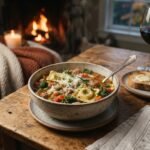
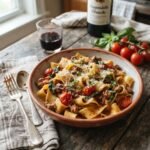
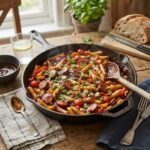
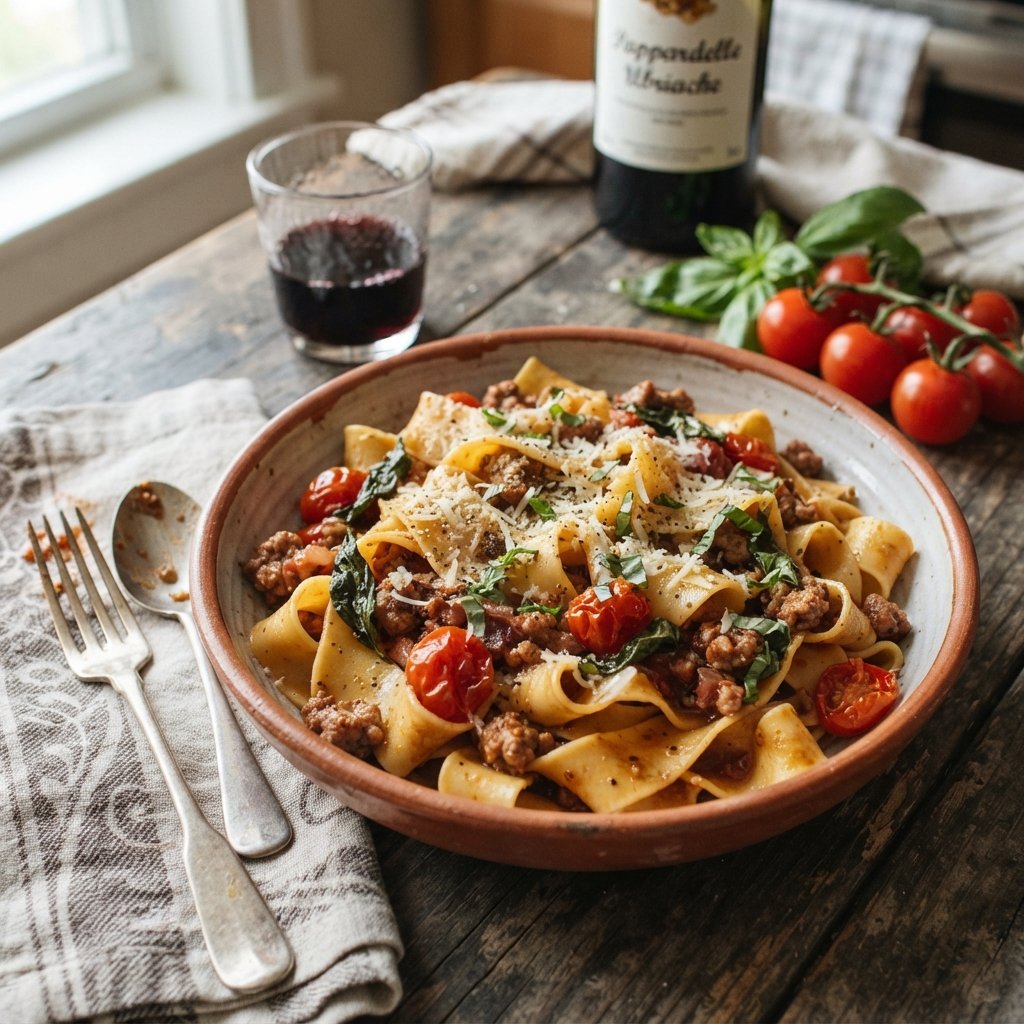
Imagine a dish so rich, so aromatic, and so deeply flavorful that it feels like a warm embrace on a cold evening. Welcome to the world of Italian Drunken Noodles, or as it is known in its native tongue, Pasta Ubriaca. This isn’t just a dinner; it is an experience. The name itself evokes a sense of indulgence and merriment, suggesting a meal that is loose, spirited, and thoroughly enjoyable.
At its core, this dish is a celebration of the marriage between carbohydrates and alcohol. It involves simmering pasta directly in a sauce heavily fortified with red wine, allowing the noodles to absorb the tannins, fruit notes, and acidity of the vintage. The result is a dish where the pasta itself becomes infused with the essence of the wine, creating a depth of flavor that standard boiling methods simply cannot achieve. Whether you are hosting a dinner party or looking for a comforting solo meal, Drunken Noodles offer a sophisticated yet rustic culinary adventure that transforms simple pantry staples into a gourmet masterpiece.
The History
The origins of Pasta Ubriaca are a fascinating blend of culinary folklore and modern innovation. While the concept of cooking with wine is as old as Italian cuisine itself—dating back to the Roman Empire where wine was a staple cooking liquid—the specific iteration of “Drunken Noodles” is often considered a modern classic. Unlike traditional dishes like Cacio e Pepe or Carbonara, which have centuries of documented history in Rome, Drunken Noodles gained significant popularity in the late 20th and early 21st centuries.
Some food historians trace the inspiration to the Veneto region, where wines like Valpolicella and Amarone are abundant. In these regions, it was common to braise meats in wine, and the practice eventually extended to pasta. The term “Ubriaca” (drunk) refers not to the consumer, but to the pasta itself, which is “intoxicated” by the wine bath. In recent years, the dish saw a massive resurgence due to social media and food blogs, evolving from a regional curiosity into a global comfort food phenomenon. It represents the Italian-American spirit of taking traditional techniques and amplifying them for maximum flavor impact.
Ingredients Breakdown
To create the perfect Drunken Noodles, one must understand the role each ingredient plays in the symphony of flavors:
- The Wine: This is the star. You need a dry, full-bodied red wine. Varietals like Cabernet Sauvignon, Merlot, or a robust Chianti work best. Avoid “cooking wine” found in the vinegar aisle; if you wouldn’t drink a glass of it, don’t put it in your pasta. The wine reduces down, concentrating its flavors, so quality matters immensely.
- The Pasta: Short, sturdy shapes are ideal. Penne, rigatoni, or campanelle are excellent choices because their ridges and hollow centers trap the wine reduction. However, many purists insist on wide egg noodles or pappardelle to maximize the surface area for the sauce to cling to.
- The Protein: Italian sausage is the traditional pairing. The fennel and anise notes in the sausage complement the fruitiness of the red wine. Ground beef or pancetta can also be used for a different texture.
- The Aromatics: Onions, garlic, and bell peppers form the soffritto base. They provide the sweet and savory foundation that balances the acidity of the tomatoes and wine.
- The Tomatoes: Crushed tomatoes or a rich tomato paste add body and umami. They help thicken the wine reduction into a cohesive sauce rather than a thin broth.
- The Cheese: Freshly grated Parmigiano-Reggiano or Pecorino Romano adds a salty, nutty finish that cuts through the richness of the alcohol.
- Fresh Herbs: Basil is non-negotiable for that fresh, peppery finish, while oregano adds an earthy depth during the simmering process.
Step-by-Step Recipe
Phase 1: The Sear and Sauté
Begin by heating a large, deep skillet or Dutch oven over medium-high heat. Add a drizzle of olive oil. If using Italian sausage, remove the casing and crumble the meat into the pan. Cook until browned and crispy, rendering out the fat. If using ground beef, ensure you get a good sear to develop the Maillard reaction. Once the meat is browned, push it to the side of the pan and add diced onions and bell peppers. Sauté until the vegetables are soft and translucent, about 5-7 minutes. Add minced garlic and red pepper flakes in the last minute to prevent burning.
Phase 2: The Deglaze
This is the most critical step. Pour in the majority of your red wine (reserve a small splash for later if desired). Use a wooden spoon to scrape up the fond—the browned bits stuck to the bottom of the pan. This is pure flavor. Allow the wine to come to a rolling boil and let it reduce by about half. This cooks off the harsh alcohol bite while concentrating the grape flavors.
Phase 3: The Simmer
Add your crushed tomatoes, tomato paste, sugar (to balance acidity), and dried herbs (oregano, thyme, basil). Stir well to combine with the wine and meat. Lower the heat to a simmer. Let this sauce cook for at least 20 minutes. The longer it simmers, the more the flavors meld and the alcohol evaporates.
Phase 4: The “Drunken” Cooking Method
Here is where the magic happens. Instead of boiling your pasta in a separate pot of water, you will cook it directly in the sauce. Add your dry pasta to the simmering sauce. You will need to add liquid—either water, beef broth, or more wine—until the pasta is just barely submerged. Stir frequently. As the pasta cooks, it releases starch into the sauce, naturally thickening it into a luscious glaze. This process takes about 12-15 minutes, depending on the pasta shape.
Phase 5: The Finish
Once the pasta is al dente and the liquid has reduced to a saucy consistency, remove the pan from the heat. Stir in fresh chopped basil and a generous handful of grated Parmesan cheese. The residual heat will melt the cheese into the sauce. Taste and adjust seasoning with salt and black pepper.
Tips
- Don’t Skimp on the Wine: Since the wine is the primary liquid, its flavor profile dictates the dish. A cheap, vinegary wine will ruin the sauce. A $10-$15 bottle of Cabernet or Merlot is perfect.
- Stir Constantly: When cooking pasta directly in the sauce, it can stick to the bottom. Frequent stirring ensures even cooking and prevents scorching.
- Watch the Liquid Levels: If the sauce gets too dry before the pasta is cooked, add a splash of warm water or broth. If it’s too soupy at the end, crank up the heat for the last two minutes to evaporate the excess liquid.
- Rest the Dish: Let the pasta sit off the heat for 5 minutes before serving. This allows the sauce to thicken further and the flavors to settle.
- Use a Wide Pan: A wide skillet allows for faster evaporation of the wine and better distribution of the pasta, ensuring every noodle gets coated evenly.
Variations and Customizations
Vegetarian Drunken Noodles:
Omit the sausage and replace it with hearty mushrooms (like Portobello or Cremini) sautéed until brown. You can also add chickpeas or white beans for protein. Use vegetable broth instead of beef broth for the cooking liquid.
Spicy Arrabbiata Style:
Increase the amount of red pepper flakes or add a diced Calabrian chili for a significant heat kick. The spice pairs incredibly well with the sweetness of the reduced wine.
Creamy Drunken Noodles:
For a richer texture, stir in a splash of heavy cream or a dollop of mascarpone cheese at the very end. This creates a pink-hued sauce that is velvety and luxurious.
Seafood Twist:
Swap the red wine for a dry white wine (like Pinot Grigio) and replace the sausage with shrimp or calamari. This creates a lighter, coastal version of the dish.
Health Considerations and Nutritional Value
While undeniably delicious, Italian Drunken Noodles is a calorie-dense dish. A standard serving can range from 600 to 800 calories, depending on the amount of sausage and cheese used. The primary sources of calories are the carbohydrates in the pasta and the fats in the meat and oil.
Alcohol Content: A common concern is whether the dish will make you intoxicated. The short answer is no. While the dish starts with a significant amount of wine, the prolonged simmering and boiling process evaporates most of the ethanol. Studies suggest that after 2.5 hours of cooking, only about 5% of alcohol remains, and in a rapid boil scenario like this, the retention is minimal. However, trace amounts may remain, so it is something to consider for those with severe sensitivities.
Nutritional Highlights: The dish provides a good source of protein from the sausage and cheese. Tomatoes offer lycopene, an antioxidant linked to heart health. To make it healthier, consider using whole wheat pasta for added fiber, lean ground turkey instead of sausage, and loading the dish with extra vegetables like spinach, zucchini, or kale to increase volume without adding significant calories.
Ingredients
- 1 lb (450g) Italian sausage (sweet or spicy), casings removed
- 1 medium onion, diced
- 1 red bell pepper, diced
- 4 cloves garlic, minced
- 1 lb (450g) dry pasta (penne, rigatoni, or egg noodles)
- 2 cups dry red wine (Cabernet Sauvignon, Merlot, or Chianti)
- 1 can (28 oz) crushed tomatoes
- 2 tbsp tomato paste
- 1 tsp dried oregano
- 1 tsp dried basil
- 1/2 tsp red pepper flakes (optional)
- 1 tsp sugar
- Salt and black pepper to taste
- 1/2 cup fresh basil, chopped
- 1/2 cup grated Parmesan cheese, plus more for serving
- 2 tbsp olive oil
- 2 cups beef or chicken broth (as needed for cooking liquid)
Directions
- Heat olive oil in a large, deep skillet or Dutch oven over medium-high heat.
- Add the Italian sausage, breaking it up with a wooden spoon. Cook until browned and no longer pink, about 8 minutes.
- Add the diced onion and bell pepper to the pan. Sauté for 5-7 minutes until softened.
- Stir in the minced garlic, red pepper flakes, oregano, and dried basil. Cook for 1 minute until fragrant.
- Pour in the red wine. Scrape the bottom of the pan to release any browned bits. Bring to a boil and let reduce by half (about 5-7 minutes).
- Stir in the crushed tomatoes, tomato paste, sugar, salt, and pepper. Simmer the sauce for 15 minutes.
- Add the dry pasta to the sauce. Pour in enough broth or water to just barely cover the pasta.
- Bring to a simmer, cover partially, and cook for 10-12 minutes, stirring frequently to prevent sticking. Add more liquid if the pan gets too dry before pasta is tender.
- Once pasta is al dente and sauce is thickened, remove from heat.
- Stir in fresh basil and Parmesan cheese.
- Serve immediately with extra cheese on top.
FAQ
Can I use white wine instead of red?
Yes, but it changes the flavor profile significantly. White wine will result in a lighter, brighter sauce. It pairs better with chicken or seafood variations of this dish.
Does the pasta taste like alcohol?
No. The cooking process burns off the ethanol, leaving behind the complex, fruity, and tannic flavors of the grape. It tastes rich and savory, not boozy.
What if my sauce is too thin?
If the sauce is too runny after the pasta is cooked, remove the lid and boil rapidly for 2-3 minutes while stirring. The starch from the pasta will help thicken it up quickly.
Can I make this ahead of time?
It is best served fresh. However, you can make the sauce (without the pasta) up to 2 days in advance. Reheat the sauce, add a little water, and then cook the pasta in it when ready to serve.
Summary
Italian Drunken Noodles is a robust, wine-infused pasta dish where noodles are simmered directly in a rich reduction of red wine, sausage, and tomatoes. It offers a deep, complex flavor profile that transforms a simple weeknight dinner into a sophisticated culinary event.