Introduction
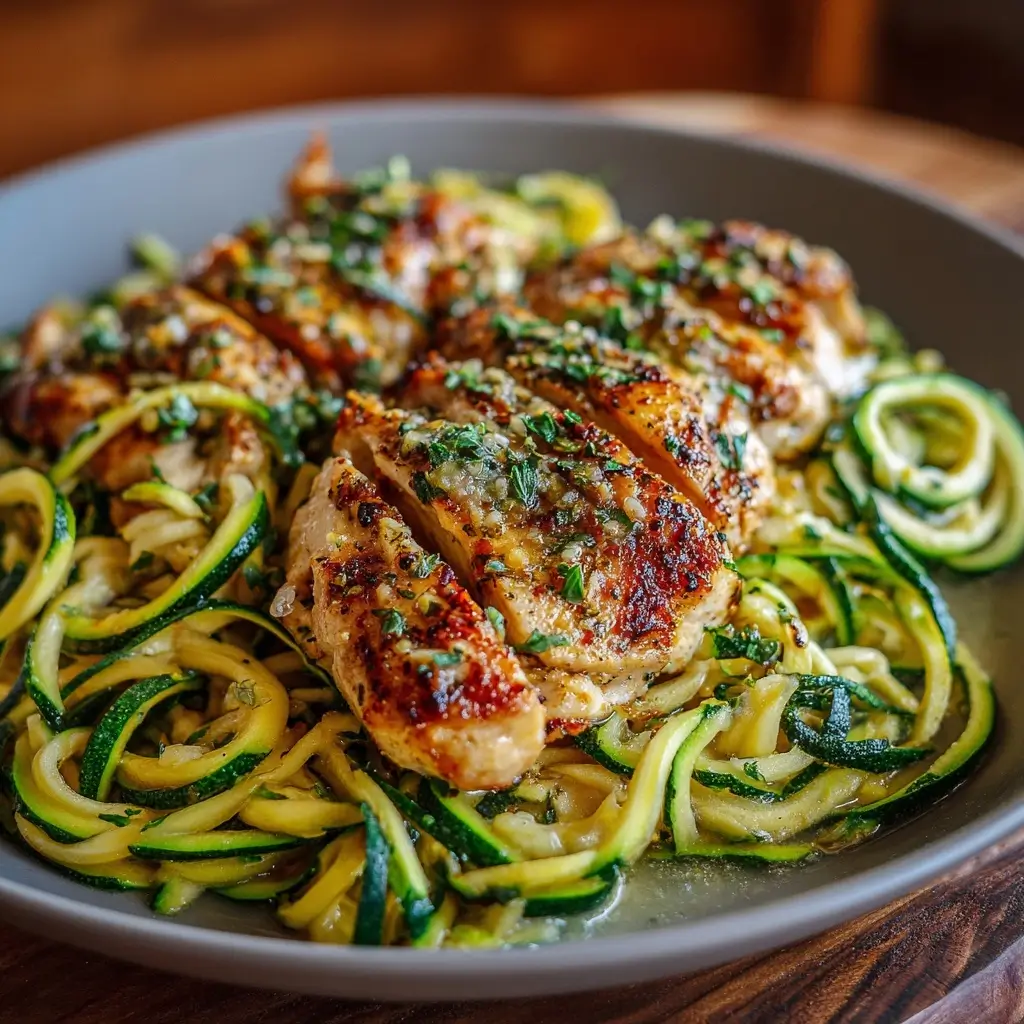
Garlic Butter Chicken Zoodles is a vibrant, nutrient-dense, low-carb dish that masterfully bridges comfort food satisfaction with modern wellness goals. It features tender, pan-seared chicken breast or thigh nestled atop zucchini noodles (“zoodles”) tossed in a rich, aromatic garlic-infused butter sauce—elevated with fresh herbs, lemon zest, and subtle umami depth. This recipe is not only a staple in keto, paleo, and whole30 kitchens but also a go-to for anyone seeking a quick, flavorful, and wholesome weeknight dinner without sacrificing taste or texture. Whether you’re meal prepping for the week, managing blood sugar, aiming for weight-conscious eating, or simply craving something light yet deeply savory, Garlic Butter Chicken Zoodles delivers on every front—balancing simplicity with gourmet appeal.
The History
The origins of Garlic Butter Chicken Zoodles lie at the intersection of culinary evolution and dietary innovation. While garlic butter sauces trace back centuries across French, Mediterranean, and Middle Eastern cuisines—think classic beurre blanc, aioli, and ghee-spiced tadka—and chicken has long been a global protein cornerstone, the “zoodle” phenomenon emerged much more recently. Zucchini noodles gained mainstream traction in the early 2010s amid the rise of gluten-free, grain-free, and low-glycemic lifestyle movements. Pioneered by health-conscious chefs, nutritionists, and food bloggers—including early advocates like Maria Emmerich (keto), Diane Sanfilippo (paleo), and minimalist meal-prep influencers—the zoodle quickly replaced traditional pasta in countless recipes. Garlic Butter Chicken Zoodles crystallized as a signature fusion: marrying the luxurious mouthfeel of European-style pan sauces with the fresh, garden-fresh ethos of American farm-to-table and clean-eating trends. Its viral popularity on platforms like Pinterest, Instagram, and TikTok further cemented its status—not just as a diet food, but as a beloved, restaurant-worthy home dish with global adaptability.
Ingredients Breakdown
Every element in this dish serves both functional and sensory purpose—no filler, no afterthoughts. Let’s explore each ingredient with culinary context and nutritional insight:
- Chicken Breast or Thigh: Boneless, skinless chicken breast offers lean protein (≈31g per 100g) and mild flavor, ideal for absorbing the sauce. Chicken thighs provide richer taste, more natural fat (enhancing juiciness and mouthfeel), and higher levels of iron and B vitamins—especially beneficial for sustained energy and immune support.
- Zucchini: Spiralized into noodles, zucchini contributes minimal calories (≈17 kcal per 100g), high water content (95%), and generous amounts of vitamin C, potassium, manganese, and antioxidant lutein. Its neutral flavor and delicate texture make it the perfect canvas—yet it holds up beautifully when cooked just right (not mushy).
- Unsalted Butter: Preferably grass-fed, for elevated CLA (conjugated linoleic acid), vitamin K2, and omega-3s. Butter adds unctuous richness, carries fat-soluble flavors (garlic, herbs), and creates the glossy, emulsified finish essential to the sauce. Ghee is an excellent dairy-free alternative with a higher smoke point and nutty depth.
- Fresh Garlic: Minced or finely grated—not powdered. Raw garlic contains allicin, a potent compound with antimicrobial, anti-inflammatory, and cardiovascular benefits. Sautéing gently unlocks sweetness while preserving bioactive compounds better than high-heat roasting.
- Yellow Onion or Shallots: Finely diced for aromatic base layer. Onions contribute quercetin (a flavonoid antioxidant) and natural sweetness that balances acidity; shallots offer subtler, wine-like complexity and are gentler on digestion for sensitive individuals.
- Dry White Wine (optional but recommended): A splash of Sauvignon Blanc or Pinot Grigio deglazes the pan, lifts fond, adds brightness, and subtly tenderizes the chicken. Alcohol fully cooks off, leaving only nuanced acidity and fruit notes—critical for balancing butter’s richness.
- Lemon Juice & Zest: Fresh-squeezed juice introduces bright acidity to cut through fat, while zest contributes volatile citrus oils (limonene) that elevate aroma and aid digestion. Never substitute bottled juice—it lacks enzymatic freshness and often contains preservatives.
- Fresh Herbs: Parsley (flat-leaf preferred) adds peppery freshness and chlorophyll-rich nutrients; basil lends summery sweetness; thyme or oregano bring earthy, medicinal warmth. All are rich in polyphenols and volatile oils that synergize with garlic and lemon.
- Extra-Virgin Olive Oil: Used for initial searing—high in monounsaturated fats and polyphenols like oleocanthal (a natural anti-inflammatory). Choose cold-pressed, early-harvest varieties for robust flavor and maximum antioxidant activity.
- Sea Salt & Freshly Ground Black Pepper: Enhance all other flavors without overpowering. Unrefined sea salt contains trace minerals (magnesium, zinc, iodine); freshly cracked pepper releases piperine, which boosts nutrient absorption (especially curcumin and selenium).
- Red Pepper Flakes (optional): A pinch adds gentle heat and capsaicin—a metabolism-supportive compound with pain-modulating properties.
- Grated Parmesan or Nutritional Yeast (optional garnish): Adds umami depth and calcium (Parmesan) or B12/folate (nutritional yeast for vegan adaptation).
Step-by-Step Recipe
- Prep the Protein: Pat 2 large boneless, skinless chicken breasts (or 4 thighs) *extremely dry* with paper towels—this ensures golden, non-steaming sear. Season generously on both sides with 1 tsp sea salt, ½ tsp black pepper, and optional ¼ tsp garlic powder (for layered flavor—not a substitute for fresh garlic later).
- Spiralize & Prep Zoodles: Using a spiralizer (or julienne peeler), create long, even zucchini noodles from 3 medium zucchinis (≈4 cups loosely packed). Place in a colander, sprinkle with ½ tsp salt, toss, and let drain 10 minutes. Afterward, squeeze *gently but firmly* in a clean kitchen towel to remove excess water—this prevents dilution of your sauce and soggy results.
- Sear the Chicken: Heat 1 tbsp extra-virgin olive oil in a heavy-bottomed stainless steel or cast-iron skillet over medium-high heat until shimmering. Carefully place chicken in the pan without crowding. Cook undisturbed 5–6 minutes until deeply golden and easily releases. Flip and cook another 4–5 minutes (breast) or 6–7 minutes (thigh) until internal temp reaches 165°F (breast) or 175°F (thigh). Transfer to a cutting board, tent loosely with foil, and rest 5 minutes before slicing against the grain into thin, even strips.
- Build the Aromatic Base: Reduce heat to medium-low. In the same skillet, add 2 tbsp unsalted butter. Once melted and foaming subsides, add 1 small finely diced yellow onion (or 3 shallots) and sauté 2–3 minutes until translucent. Stir in 4–5 cloves fresh minced garlic and ¼ tsp red pepper flakes (if using); cook 60–90 seconds until fragrant—do not brown garlic.
- Deglaze & Enrich: Pour in ¼ cup dry white wine, scraping vigorously with a wooden spoon to lift all golden-brown fond from the pan bottom. Simmer 2 minutes until mostly evaporated. Stir in 2 tbsp fresh lemon juice, 1 tsp lemon zest, and 2 tbsp chopped fresh parsley stems (reserve leaves for garnish). Let reduce 1 minute.
- Combine & Finish: Return sliced chicken to the pan along with drained zoodles. Toss gently over low heat for 60–90 seconds—just until zoodles are warmed through and coated, remaining al dente (they cook rapidly; over-stirring causes mush). Remove from heat. Swirl in remaining 1 tbsp cold butter (cut into cubes) for velvety emulsification and shine. Taste and adjust: more salt? A squeeze of lemon? A crack of black pepper?
- Plate & Garnish: Divide among warm shallow bowls. Top with reserved parsley leaves, additional lemon zest, a drizzle of high-quality olive oil, and optional shaved Parmesan or nutritional yeast. Serve immediately.
Tips
- Dryness is Non-Negotiable: Wet chicken won’t sear—it steams. Wet zoodles will water down your sauce. Take time to pat and squeeze thoroughly.
- Don’t Crowd the Pan: Searing in batches ensures proper Maillard reaction. Overcrowding drops temperature, causing gray, rubbery chicken.
- Control Garlic Heat: Garlic burns at 300°F. Keep heat at medium-low when sautéing—it should sizzle softly, never pop or turn brown.
- Zoodle Timing is Critical: Add them *last*, toss *briefly*, and serve immediately. Carryover heat continues cooking—zoodles go from crisp-tender to limp in under 30 seconds.
- Butter Temperature Matters: Adding cold butter off-heat at the end creates a lush, cohesive sauce. If added too early or over high heat, it separates or browns.
- Rest the Chicken: Skipping the 5-minute rest allows juices to stay in the meat—slicing too soon releases them onto the plate, leaving chicken dry.
- Use a Wide, Shallow Skillet: Maximizes surface area for even searing and rapid evaporation during deglazing—key for concentrated flavor.
- Wine Substitute Options: If avoiding alcohol, use ¼ cup low-sodium chicken broth + 1 tsp apple cider vinegar for acidity and depth.
- Herb Timing: Add delicate herbs (parsley, basil, chives) at the end for maximum aroma and color. Heartier herbs (thyme, rosemary) can go in with the garlic.
- Taste & Adjust Relentlessly: Balance is everything: salt enhances, acid brightens, fat rounds, heat awakens. Adjust each component incrementally.
Variations and Customizations
This recipe is endlessly adaptable—here’s how to tailor it to dietary needs, seasonal produce, pantry staples, or global flavor profiles:
- Keto-Optimized: Boost healthy fats with 1 tbsp toasted pine nuts or slivered almonds; add ¼ avocado per serving; replace lemon juice with lime for lower net carbs.
- Paleo/Whole30: Swap butter for ghee or coconut oil; omit wine (use broth + vinegar); ensure all seasonings are compliant (no sugar or maltodextrin).
- Vegan/Vegetarian: Replace chicken with marinated, baked tofu or tempeh; use plant-based butter (e.g., Miyoko’s) and nutritional yeast instead of Parmesan; add sautéed mushrooms for umami heft.
- Mediterranean Twist: Add kalamata olives, crumbled feta, sun-dried tomatoes, and oregano; finish with a drizzle of lemon-tahini sauce.
- Asian-Inspired: Replace garlic butter with ginger-sesame sauce (grated ginger, tamari, rice vinegar, toasted sesame oil, chili paste); top with scallions, cilantro, and sesame seeds.
- Mexican Fusion: Add cumin, smoked paprika, and chipotle in adobo; swap lemon for lime; garnish with avocado, pickled red onions, and cotija cheese.
- Herb-Forward Garden Version: Use a mix of dill, chives, tarragon, and mint; add blanched peas and asparagus ribbons.
- Spice-Lover’s Edition: Infuse butter with crushed coriander and cumin seeds; add harissa or gochujang to the sauce; top with pickled jalapeños.
- Meal-Prep Friendly: Cook chicken and sauce separately; store zoodles raw (drained and chilled in sealed container). Assemble and heat components individually before serving to retain texture.
- One-Pan / Sheet Pan Option: Roast seasoned chicken and zoodles together at 425°F for 18–20 minutes, then toss with warm garlic butter sauce post-bake.
Health Considerations and Nutritional Value
A single serving (1 chicken breast + 2 medium zucchinis + full sauce) provides approximately:
- Calories: ~420–480 kcal (varies by butter/oil amount and chicken cut)
- Protein: 38–42g (excellent complete protein supporting muscle synthesis and satiety)
- Fat: 24–28g (predominantly heart-healthy monounsaturated and saturated fats from butter/olive oil—shown in studies to support HDL cholesterol and hormone production when consumed as part of balanced diet)
- Carbohydrates: 8–10g total (≈5g net carbs—ideal for low-carb/keto protocols)
- Fiber: 2–3g (from zucchini and herbs—supports gut microbiome diversity and regularity)
- Vitamins & Minerals: Exceptionally high in vitamin C (immune function, collagen synthesis), vitamin A (vision, skin health), potassium (blood pressure regulation), magnesium (nerve/muscle function), and B6 (energy metabolism). Garlic contributes allicin; lemon zest adds limonene; parsley delivers apigenin (neuroprotective flavonoid).
Dietary Notes: Naturally gluten-free, grain-free, and dairy-modifiable. Low FODMAP if using garlic-infused oil (instead of fresh garlic) and limiting onion to green parts only. Suitable for most renal diets (low sodium if unsalted butter/broth used). Not appropriate for those with severe dairy allergies unless fully substituted (ghee may still contain trace casein). Always consult a registered dietitian for personalized medical nutrition therapy.
Ingredients
- 2 large boneless, skinless chicken breasts (about 1 lb / 450g) or 4 boneless, skinless chicken thighs
- 3 medium zucchinis (about 1 lb / 450g), ends trimmed
- 3 tbsp unsalted butter, divided (grass-fed preferred)
- 1 tbsp extra-virgin olive oil
- 1 small yellow onion, finely diced (or 3 shallots)
- 4–5 cloves fresh garlic, finely minced
- ¼ cup dry white wine (e.g., Sauvignon Blanc or Pinot Grigio) — optional but recommended
- 2 tbsp fresh lemon juice (about 1 medium lemon)
- 1 tsp lemon zest
- ¼ tsp red pepper flakes (optional)
- 2 tbsp chopped fresh flat-leaf parsley (stems included for cooking, leaves reserved for garnish)
- 1 tsp fine sea salt, plus more to taste
- ½ tsp freshly ground black pepper, plus more to taste
- Extra-virgin olive oil, for finishing (optional)
- Grated Parmesan cheese or nutritional yeast, for serving (optional)
Directions
- Pat chicken dry thoroughly with paper towels. Season both sides with 1 tsp salt and ½ tsp black pepper.
- Spiralize zucchinis into noodles. Place in a colander, sprinkle with ½ tsp salt, toss, and let drain 10 minutes. Squeeze gently but firmly in a clean kitchen towel to remove excess moisture.
- Heat olive oil in a large skillet over medium-high heat. When shimmering, add chicken and cook undisturbed 5–6 minutes per side (breast) or 6–7 minutes per side (thigh) until golden and cooked through (165°F internal temp). Transfer to a cutting board, tent with foil, and rest 5 minutes. Slice thinly against the grain.
- Reduce heat to medium-low. Add 2 tbsp butter to the same skillet. Once melted and foaming, add onion and sauté 2–3 minutes until soft. Stir in garlic and red pepper flakes; cook 60–90 seconds until fragrant.
- Pour in wine, scraping up browned bits. Simmer 2 minutes until reduced by half. Stir in lemon juice, lemon zest, and parsley stems; simmer 1 minute.
- Add sliced chicken and drained zoodles. Toss gently over low heat for 60–90 seconds until zoodles are warmed and coated, remaining crisp-tender.
- Remove from heat. Swirl in remaining 1 tbsp cold butter until melted and sauce is glossy.
- Taste and adjust seasoning. Serve immediately, garnished with parsley leaves, extra lemon zest, a drizzle of olive oil, and optional Parmesan or nutritional yeast.
FAQ
- Can I make this ahead of time?
- Yes—with caveats. Cook chicken and sauce separately up to 3 days ahead; store chilled. Keep zoodles raw (drained, refrigerated in sealed container). Reheat sauce and chicken gently, then toss with *freshly drained* zoodles just before serving to preserve texture.
- Why do my zoodles turn out watery?
- Zucchini is 95% water. Skipping salting/drainage or inadequate squeezing is the #1 cause. Also avoid overcrowding the pan—steam builds and rehydrates noodles.
- Can I use frozen zoodles?
- Not recommended. Freezing ruptures cell walls, causing extreme mushiness and ice-crystal dilution. Fresh is essential for texture and flavor integrity.
- What’s the best spiralizer?
- For consistency: the Inspiralizer (hand-crank, durable blades) or Paderno World Cuisine Vegetable Slicer (adjustable blade settings). For speed: KitchenAid Food Processor with spiralizer attachment.
- Can I air fry the chicken?
- Absolutely—spray chicken with oil, season, and air fry at 375°F for 12–15 minutes (flipping halfway) until 165°F. Rest before slicing. Adds crispy edges without extra oil.
- Is garlic butter healthy?
- In moderation—yes. Butter contains butyrate (gut-healing short-chain fatty acid) and fat-soluble vitamins. Pairing it with garlic, lemon, and herbs transforms it into a phytonutrient-rich, anti-inflammatory sauce—not a “naughty” indulgence.
- How do I prevent garlic from burning?
- Always sauté garlic *after* aromatics (onion/shallot) have softened—and keep heat at medium-low. Stir constantly. Remove from heat if it starts browning.
- Can I double this recipe?
- Yes—but use two skillets or cook in batches. Doubling in one pan lowers temperature, steams instead of sears, and overwhelms the sauce’s balance.
- What sides pair well?
- Simple arugula salad with lemon vinaigrette, roasted cherry tomatoes, grilled asparagus, or a dollop of herbed Greek yogurt.
- My sauce broke—what happened?
- Likely overheated butter or added cold butter to hot pan. Fix it: whisk in 1 tsp warm broth or lemon juice while whisking vigorously off heat. Or blend briefly with an immersion blender.
Summary
Garlic Butter Chicken Zoodles is a harmonious, nutrient-packed masterpiece—celebrating fresh ingredients, mindful technique, and bold, balanced flavor without compromise.
It’s a weeknight wonder, a wellness staple, and a canvas for creativity—proving that eating well doesn’t mean eating plain.