Introduction
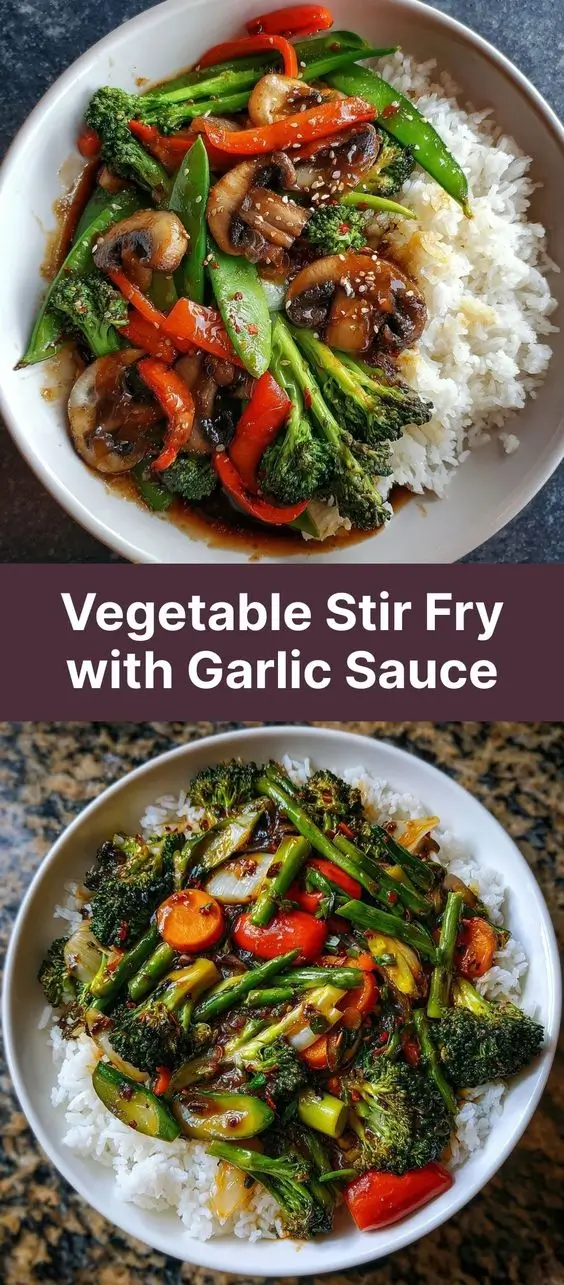
Vegetable stir fry with garlic sauce is a vibrant, healthy, and incredibly satisfying dish that brings together the crisp freshness of vegetables with the bold, aromatic punch of garlic. Loved across cultures and adapted in countless kitchens around the world, this dish exemplifies how simple ingredients can come together to create something truly extraordinary. Whether you’re a busy professional looking for a quick weeknight meal or a health-conscious foodie seeking nutrient-rich recipes, this vegetable stir fry checks all the boxes—flavorful, fast, nutritious, and endlessly customizable. With its glossy, savory-sweet sauce clinging to tender-crisp vegetables, it’s no wonder this dish has become a staple in both home and restaurant cooking.
Not only is it a go-to option for vegetarians and vegans, but it also pairs beautifully with proteins like tofu, chicken, shrimp, or beef, making it a versatile centerpiece for any meal. The beauty of stir frying lies in its speed and efficiency—high heat, rapid cooking, and minimal oil preserve nutrients while maximizing flavor. When elevated with a rich, umami-packed garlic sauce, each bite becomes a harmonious blend of textures and tastes that dance on your palate. This guide will walk you through everything you need to know about crafting the perfect vegetable stir fry with garlic sauce—from its origins and core ingredients to detailed instructions, expert tips, variations, and nutritional insights.
The History
The roots of stir frying trace back over 2,000 years to ancient China, where the wok was first invented during the Han Dynasty (206 BCE–220 CE). The technique evolved as a practical solution for cooking quickly over open flames using minimal fuel and oil. The word “stir fry” itself is an English translation coined in the mid-20th century by Chinese-American author Buwei Yang Chao in her 1945 cookbook How to Cook and Eat in Chinese. In Mandarin, the technique is known as “chǎo” (炒), which literally means “to stir-fry.”
Stir frying became popular not only because of its speed and efficiency but also due to its ability to retain the color, texture, and nutrients of fresh ingredients. As Chinese immigrants spread across Southeast Asia, North America, and beyond, they brought their culinary traditions with them, adapting recipes to local tastes and available produce. Over time, stir fry dishes incorporated regional vegetables, sauces, and seasonings, leading to a wide variety of interpretations.
Garlic, a cornerstone of many global cuisines, has been used for thousands of years—not just for flavor but also for its medicinal properties. In Chinese cooking, garlic is often sautéed at the beginning of a stir fry to build a deep, fragrant base. The combination of garlic with soy sauce, rice vinegar, and other pantry staples gave rise to what we now recognize as garlic sauce—a pungent, slightly sweet, and deeply savory condiment ideal for coating vegetables.
Today’s vegetable stir fry with garlic sauce is a modern fusion of traditional techniques and contemporary dietary preferences. It reflects a global appreciation for plant-based eating, quick preparation methods, and bold flavors. While it may vary from one kitchen to another, its essence remains unchanged: fresh vegetables, high-heat searing, and a luscious garlic-infused sauce that ties everything together.
Ingredients Breakdown
To achieve a perfectly balanced vegetable stir fry with garlic sauce, selecting the right ingredients is crucial. Each component plays a role in contributing to the overall texture, flavor profile, and nutritional value of the dish. Below is a comprehensive breakdown of every ingredient typically used:
- Bell Peppers (Red, Yellow, Green): These add sweetness, crunch, and vibrant color. Red bell peppers are the sweetest and richest in vitamin C and antioxidants like beta-carotene.
- Broccoli: Provides a hearty texture and earthy taste. High in fiber, vitamin K, and cancer-fighting compounds like sulforaphane.
- Carrots: Thinly sliced or julienned for quick cooking. They contribute natural sweetness and a pop of orange hue, along with beta-carotene essential for eye health.
- Snow Peas or Sugar Snap Peas: Offer a delicate crunch and mild legume flavor. Picked young, they cook quickly and retain their bright green color.
- Green Beans: Trimmed and cut into bite-sized pieces. They bring firmness and a grassy note that complements the sauce.
- Mushrooms (Shiitake, Button, or Cremini): Add umami depth and a meaty texture. Shiitakes, in particular, enhance the savoriness of the dish.
- Onions (Yellow or Red): Sliced thinly, they provide a foundational layer of sweetness and aroma when sautéed.
- Garlic (Fresh Cloves): The star of the sauce. Minced or crushed, it delivers intense fragrance and sharp warmth. Using fresh garlic ensures maximum flavor.
- Ginger (Fresh Root): Grated or finely chopped, it adds a zesty, slightly spicy undertone that balances the richness of garlic.
- Canola Oil, Vegetable Oil, or Peanut Oil: High smoke point oils ideal for stir frying without burning. Sesame oil (used sparingly) can be added at the end for nutty aroma.
- Low-Sodium Soy Sauce: Forms the salty backbone of the sauce. Tamari is a gluten-free alternative.
- Oyster Sauce (Optional – Use Vegetarian Version if Needed): Adds thickness and umami. A vegetarian version made from mushrooms mimics the original flavor without animal products.
- Hoisin Sauce: Contributes sweetness and complexity. Look for gluten-free versions if needed.
- Rice Vinegar or Apple Cider Vinegar: Brightens the sauce with a touch of acidity, cutting through the richness.
- Maple Syrup, Honey, or Agave Nectar: Natural sweeteners that balance saltiness and enhance browning. Adjust based on desired sweetness level.
- Cornstarch: Used to thicken the sauce so it clings beautifully to the vegetables. Arrowroot powder is a suitable substitute.
- Water or Vegetable Broth: Dilutes the sauce to the right consistency while adding extra flavor.
- Red Pepper Flakes or Fresh Chili: For those who enjoy heat, these add a spicy kick.
- Toasted Sesame Seeds and Green Onions (for garnish): Final touches that elevate presentation and add subtle nuttiness and freshness.
Optional additions include baby corn, water chestnuts, bok choy, napa cabbage, zucchini, or even pineapple chunks for a tropical twist. The key is maintaining a mix of colors, textures, and flavors to keep every bite interesting.
Step-by-Step Recipe
Follow this detailed method to prepare a restaurant-quality vegetable stir fry with garlic sauce right in your own kitchen. Precision, timing, and organization (mise en place) are essential for success.
- Prepare All Ingredients: Wash, dry, and cut all vegetables uniformly into thin, even slices or bite-sized pieces to ensure consistent cooking. Keep them separate by cooking time—harder veggies like carrots and broccoli go together; softer ones like mushrooms and snow peas in another group.
- Make the Garlic Sauce: In a small bowl, whisk together:
- ¼ cup low-sodium soy sauce
- 2 tablespoons oyster sauce (vegetarian if preferred)
- 1 tablespoon hoisin sauce
- 1 tablespoon rice vinegar
- 1 teaspoon maple syrup or honey
- 1 tablespoon cornstarch
- ½ cup water or vegetable broth
- 4 cloves garlic, minced
- 1 tablespoon fresh ginger, grated
- ½ teaspoon red pepper flakes (optional)
Set aside.
- Blanch Hard Vegetables (Optional but Recommended): Bring a pot of salted water to boil. Blanch broccoli and carrots for 1–2 minutes until brightened and slightly tender. Immediately plunge into ice water to stop cooking. Drain well. This step ensures they finish cooking evenly in the wok without overcooking softer vegetables.
- Heat the Wok or Skillet: Place a large wok or heavy-bottomed skillet over high heat. Allow it to get very hot—this is critical for proper stir frying. You should see wisps of smoke when you hold your hand above it.
- Add Oil: Pour in 1–2 tablespoons of neutral oil (like canola or peanut). Swirl to coat the surface. Avoid overcrowding the pan later, as this lowers the temperature and causes steaming instead of searing.
- Sauté Aromatics: Add sliced onions and stir for 30 seconds. Then add minced garlic and grated ginger. Stir constantly for 15–20 seconds until fragrant but not browned—burnt garlic turns bitter.
- Stir Fry Vegetables: Begin with harder vegetables (carrots, broccoli). Add them to the wok and toss vigorously for 2 minutes. Push them to the sides or remove temporarily, then add medium-hard vegetables like bell peppers, mushrooms, and green beans. Stir fry for another 2 minutes. Finally, add soft vegetables like snow peas. Cook everything together for 1 minute more, tossing continuously.
- Pour in the Sauce: Give the sauce mixture a final stir (cornstarch settles) and pour it down the sides of the wok. It should sizzle and begin thickening immediately.
- Bring to a Simmer: Stir constantly as the sauce bubbles and coats the vegetables. This takes about 1–2 minutes. The sauce should turn glossy and cling to each piece.
- Taste and Adjust: Check seasoning. Add a splash more soy sauce for saltiness, a pinch of sugar for sweetness, or a dash of vinegar for brightness.
- Finish with Sesame Oil (Optional): Remove from heat and drizzle with ½–1 teaspoon toasted sesame oil for an aromatic finish.
- Garnish and Serve: Transfer to a serving platter. Sprinkle with sliced green onions and toasted sesame seeds. Serve immediately over steamed jasmine rice, brown rice, quinoa, or noodles.
Tips
- Prep Ahead: Chop all ingredients before turning on the stove. Stir frying happens fast, and you won’t have time to prep once cooking begins.
- Use High Heat: True stir frying requires intense heat to achieve wok hei—the elusive “breath of the wok” characterized by smoky, seared flavor.
- Don’t Crowd the Pan: Cook in batches if necessary. Overfilling leads to steaming rather than searing, resulting in soggy vegetables.
- Dry Vegetables Thoroughly: Excess moisture prevents proper browning and dilutes the sauce.
- Thickening the Sauce: If the sauce is too thin, mix ½ teaspoon cornstarch with 1 tablespoon cold water and stir it in. Let it bubble for 30 seconds to activate.
- Keep Moving: Constant stirring prevents burning and ensures even cooking and sauce distribution.
- Customize Texture: Prefer softer veggies? Extend cooking time slightly. Like them crisp? Reduce time and remove promptly.
- Boost Umami: Add a splash of vegetarian fish sauce or a few drops of liquid aminos for deeper savory notes.
- Reserve Some Raw Veggies: For contrast, set aside a handful of snow peas or bell peppers to stir in at the end raw or barely warmed.
- Leftover Storage: Cool completely and store in an airtight container in the refrigerator for up to 4 days. Reheat gently in a wok or microwave, adding a splash of water or broth to refresh the sauce.
Variations and Customizations
One of the greatest strengths of vegetable stir fry with garlic sauce is its adaptability. Here are numerous ways to tailor the dish to your taste, diet, or cultural inspiration:
- Protein-Packed Versions:
- Tofu: Press and cube firm tofu, marinate in soy sauce, then pan-fry until golden before adding to the stir fry.
- Tempeh: Steam first, then slice and sear for a nuttier flavor.
- Seitan: Shredded seitan absorbs sauce beautifully and mimics meat texture.
- Chicken, Beef, or Pork: Slice thinly against the grain, marinate briefly, and cook first. Remove, then add back with sauce.
- Shrimp or Scallops: Sear quickly at high heat—they cook in minutes.
- Regional Twists:
- Thai-Inspired: Add lemongrass, lime juice, and coconut aminos. Top with crushed peanuts and cilantro.
- Korean-Inspired: Swap garlic sauce for gochujang-based glaze. Garnish with kimchi and sesame seeds.
- Indian-Inspired: Use garam masala, turmeric, and curry leaves. Substitute coconut milk for part of the broth.
- Mediterranean-Inspired: Use olives, artichokes, sun-dried tomatoes, and oregano. Skip soy sauce; use lemon and olive oil.
- Dietary Modifications:
- Gluten-Free: Use tamari instead of soy sauce and verify all sauces are certified GF.
- Vegan: Ensure oyster sauce is mushroom-based and avoid honey (use agave).
- Low-Sodium: Opt for reduced-sodium soy sauce and omit added salt. Boost flavor with garlic, ginger, and citrus.
- Sugar-Free: Omit sweeteners entirely or use monk fruit or stevia drops.
- Noodle Stir Fry Option: Toss cooked soba, udon, rice noodles, or even spaghetti into the finished dish. Reserve some sauce to coat the noodles evenly.
- Grain Bowls: Serve over cauliflower rice, quinoa, farro, or millet for a complete, balanced meal.
- Spice Level Control: Adjust chili content—add serrano peppers for moderate heat, habanero for extreme, or skip altogether for mild palates.
- Seasonal Swaps: Use asparagus in spring, zucchini and eggplant in summer, kale and squash in fall, and hearty greens in winter.
Health Considerations and Nutritional Value
Vegetable stir fry with garlic sauce is widely regarded as a healthy, nutrient-dense meal. Its benefits stem from a foundation of colorful vegetables, minimal fat, and flavorful, low-calorie sauces. Below is a detailed look at its health aspects:
Nutritional Highlights (per serving, approx. 1.5 cups stir fry + ½ cup brown rice):
- Calories: ~280–350 kcal (varies with oil and additions)
- Protein: 8–12g (higher with tofu or meat)
- Fiber: 6–9g (supports digestion and satiety)
- Fat: 8–12g (mostly unsaturated from healthy oils)
- Carbohydrates: 45–55g (complex carbs from vegetables and whole grains)
- Vitamin A: Over 100% DV (from carrots, bell peppers)
- Vitamin C: Over 150% DV (broccoli, peppers, snow peas)
- Vitamin K: High (from leafy greens and cruciferous veggies)
- Potassium, Folate, Iron, Calcium: Moderate to high levels depending on ingredients
Key Health Benefits:
- Rich in Antioxidants: Garlic contains allicin, known for immune-boosting and anti-inflammatory effects. Colorful vegetables offer flavonoids and carotenoids.
- Heart-Healthy: Low in saturated fat and cholesterol. Fiber helps regulate blood pressure and cholesterol levels.
- Blood Sugar Friendly: When served with whole grains and balanced macronutrients, it has a moderate glycemic index.
- Supports Gut Health: Fiber acts as a prebiotic, feeding beneficial gut bacteria.
- Weight Management: High volume, low energy density makes it filling without excess calories.
Considerations:
- Sodium Content: Soy sauce and store-bought sauces can be high in sodium. Use low-sodium versions and limit added salt.
- Allergens: Contains soy and sesame (if using oil/seeds). Gluten may be present in soy sauce unless substituted.
- Iron Absorption: Plant-based iron (non-heme) is less absorbable. Pair with vitamin C-rich ingredients (like bell peppers) to enhance absorption.
- Goitrogens: Cruciferous vegetables (broccoli, cabbage) contain compounds that may affect thyroid function in excessive amounts—but normal dietary intake is safe for most people.
Ingredients
Serves: 4 | Prep Time: 20 minutes | Cook Time: 10 minutes
- 1 red bell pepper, sliced
- 1 yellow bell pepper, sliced
- 1 cup broccoli florets
- 1 medium carrot, julienned
- 1 cup snow peas, trimmed
- 1 cup mushrooms (shiitake or cremini), sliced
- 1/2 onion, thinly sliced
- 4 cloves garlic, minced
- 1 tbsp fresh ginger, grated
- 2 tbsp neutral oil (canola, peanut, or avocado)
- 1 tsp toasted sesame oil (optional, for finishing)
- 2 green onions, sliced (for garnish)
- 1 tbsp toasted sesame seeds (for garnish)
Garlic Sauce:
- 1/4 cup low-sodium soy sauce (or tamari)
- 2 tbsp vegetarian oyster sauce
- 1 tbsp hoisin sauce (gluten-free if needed)
- 1 tbsp rice vinegar
- 1 tsp maple syrup or honey
- 1 tbsp cornstarch
- 1/2 cup water or vegetable broth
- 1/2 tsp red pepper flakes (optional)
Directions
- Prepare all vegetables, slicing them uniformly for even cooking. Set aside in groups based on texture.
- In a small bowl, whisk together all garlic sauce ingredients until smooth. Set aside.
- (Optional) Blanch broccoli and carrots in boiling salted water for 1–2 minutes, then shock in ice water. Drain thoroughly.
- Heat a wok or large skillet over high heat until smoking slightly. Add 2 tablespoons oil and swirl to coat.
- Add onions and stir-fry for 30 seconds. Add garlic and ginger, stir for 15–20 seconds until fragrant.
- Add carrots and broccoli first; stir-fry 2 minutes. Push to side of wok or remove temporarily.
- Add bell peppers, mushrooms, and green beans; stir-fry 2 minutes. Return harder vegetables to wok.
- Add snow peas; stir-fry 1 minute more.
- Give sauce a final stir and pour into the center of the wok. Stir constantly as it simmers and thickens, about 1–2 minutes.
- Once sauce is glossy and coats vegetables, taste and adjust seasoning.
- Remove from heat. Drizzle with sesame oil if using.
- Transfer to a serving dish. Garnish with green onions and sesame seeds.
- Serve immediately over rice, noodles, or grain of choice.
FAQ
Q: Can I make this stir fry ahead of time?
A: Yes, you can prep all ingredients up to a day in advance and store them separately in airtight containers. However, stir fry is best cooked fresh. Reheated leftovers may lose some crispness but are still delicious.
Q: Why did my sauce turn out too thick or too thin?
A: Too thick? Likely too much cornstarch or insufficient liquid. Whisk in a bit more broth. Too thin? Let it simmer longer or add a cornstarch slurry (½ tsp cornstarch + 1 tbsp water).
Q: Can I freeze vegetable stir fry?
A: Freezing is not recommended as vegetables become mushy upon thawing. The sauce may also separate. Best enjoyed fresh or refrigerated for short-term storage.
Q: Is stir frying healthy?
A: Yes, when done properly with minimal oil and fresh ingredients. It preserves nutrients better than boiling and uses little fat compared to deep frying.
Q: Can I use frozen vegetables?
A: Yes, but thaw and drain them well first. Frozen veggies release more water, so increase heat and reduce sauce liquid slightly.
Q: What kind of pan should I use?
A: A carbon steel wok is ideal, but a large cast iron skillet or heavy-duty nonstick pan works well too. Avoid lightweight pans that can’t handle high heat.
Q: How do I prevent sticking?
A: Ensure the pan is hot before adding oil, and the oil is shimmering. Don’t add wet vegetables. Keep ingredients moving.
Summary (in two lines)
Vegetable stir fry with garlic sauce is a dynamic, nutrient-rich dish that combines crisp vegetables with a savory, aromatic sauce for a meal that’s as healthy as it is delicious. Quick to prepare and endlessly adaptable, it’s a must-have recipe for anyone seeking flavor, convenience, and wellness in every bite.