Introduction
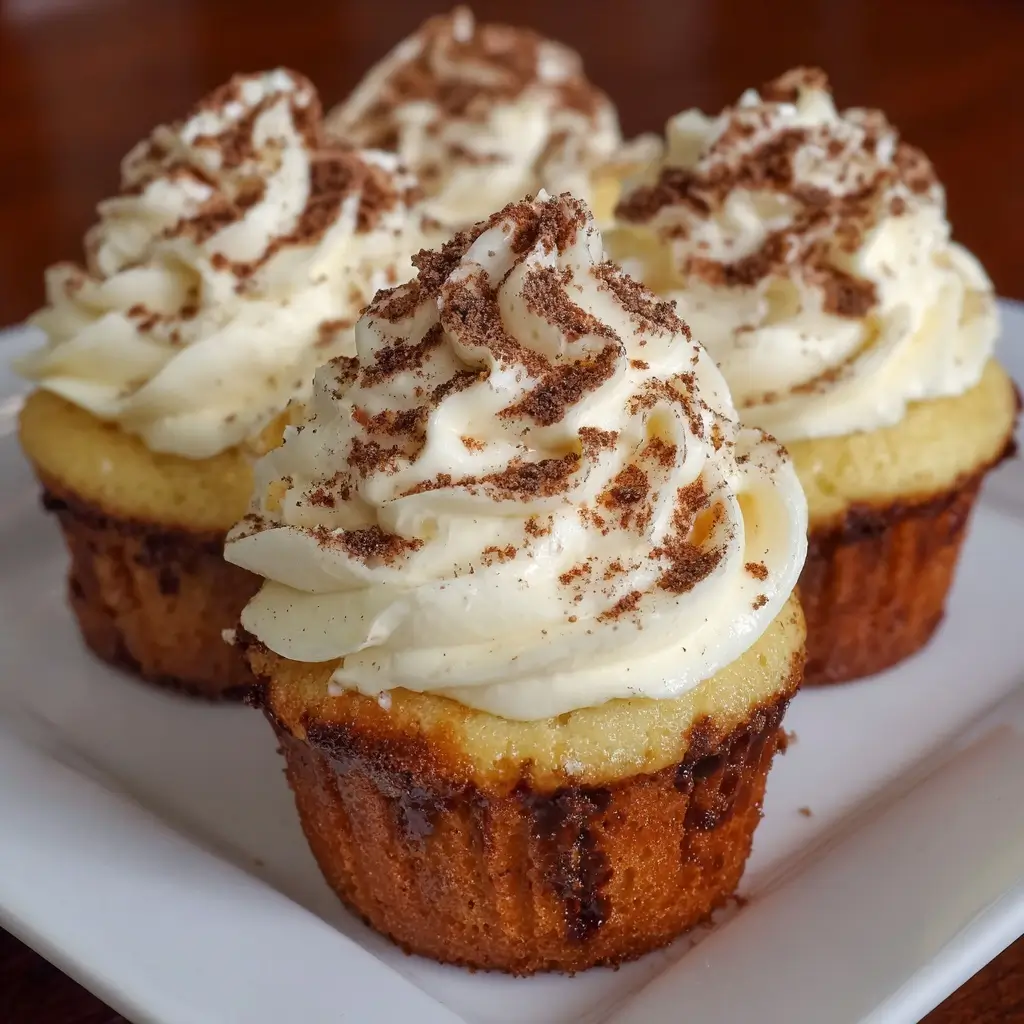
Step into the world of elegant Italian indulgence with Tiramisu Inspired Cupcakes — a whimsical, portable reimagining of the beloved classic dessert. These cupcakes capture the soul of traditional tiramisu — its velvety mascarpone creaminess, the delicate coffee-kissed sponge, the subtle bitterness of espresso, and the luxurious dusting of cocoa — all elegantly layered and portioned into charming, individual servings. Perfect for dinner parties, bridal showers, holiday gatherings, or even as a sophisticated afternoon treat, these cupcakes marry authenticity with innovation: no raw eggs required (thanks to modern, safe preparation methods), no messy layering in a dish, and zero compromise on flavor or texture. Whether you’re a seasoned baker or a curious beginner, this recipe delivers restaurant-quality results with approachable techniques and clear guidance at every step.
The History
Tiramisu — whose name literally translates from Italian as “pick me up” or “lift me up” — is a relatively modern dessert with contested origins, believed to have emerged in the Veneto or Friuli-Venezia Giulia regions of Northern Italy sometime between the 1960s and early 1970s. While folklore often credits Treviso’s Le Beccherie restaurant (where it reportedly debuted on a menu in 1972), other theories suggest roots in 19th-century *dolci della passione* served in brothels — where caffeine and sugar were thought to invigorate patrons. Regardless of origin, tiramisu rose to global fame by the 1980s, becoming Italy’s most iconic dessert abroad. Its genius lies in simplicity: soaked ladyfingers (*savoiardi*), espresso, mascarpone, eggs, sugar, and cocoa — layered without baking, relying instead on emulsion, aeration, and gentle infusion. The cupcake adaptation is a 21st-century evolution — born from the fusion food movement, social media’s love of photogenic miniatures, and home bakers’ desire for portion control, transportability, and presentation flair. Unlike traditional tiramisu, which can be texturally inconsistent if under- or over-soaked, cupcakes offer structural integrity and built-in portion discipline — transforming a deconstructed, bowl-based dessert into a refined, self-contained confection that honors heritage while embracing modern convenience and creativity.
Ingredients Breakdown
Every component of these Tiramisu Inspired Cupcakes serves a precise sensory and functional role — from structure and moisture to richness and contrast. Let’s explore each ingredient not just by name, but by purpose, science, and substitution insight:
- Espresso or Strong Brewed Coffee (cooled): The aromatic backbone — provides deep, roasted bitterness that cuts through sweetness and enhances mascarpone’s tang. Instant espresso powder dissolved in hot water is a reliable, consistent alternative; avoid overly acidic or dark-roast coffees that may turn harsh when concentrated.
- Granulated Sugar: Sweetens, stabilizes whipped mascarpone, and aids in caramelization of the cake crumb. For refined texture, superfine sugar dissolves more readily in batter and filling.
- Unsalted Butter (room temperature): Adds tenderness, richness, and mouth-coating fat to the cake base. European-style butter (higher fat content) yields a more luxurious crumb. Always use unsalted to control sodium levels precisely.
- Large Eggs (room temperature): Provide structure, leavening (via trapped air during whipping), and emulsification. Pasteurized eggs or pasteurized liquid egg whites are strongly recommended for safety in the mascarpone filling — especially when serving children, pregnant individuals, or immunocompromised guests.
- All-Purpose Flour (plus optional cornstarch blend): Forms gluten for structure but kept minimal for tenderness. A 90/10 flour-to-cornstarch ratio mimics cake flour for an ultra-soft, fine-grained crumb ideal for soaking.
- Baking Powder & Baking Soda: Dual-acting leaveners — baking powder provides primary lift; baking soda (activated by the coffee’s acidity) adds subtle lift and balances pH for optimal browning and tenderness.
- Full-Fat Mascarpone Cheese: The star of the show — a rich, triple-cream Italian cheese with ~75% butterfat. Its high fat content ensures stability in whipped fillings and delivers unparalleled silkiness. Never substitute with cream cheese alone (too tart and firm); if mascarpone is unavailable, blend ¾ cup full-fat cream cheese + ¼ cup heavy cream + 1 tsp lemon juice, chilled and whipped until smooth.
- Heavy Whipping Cream (cold): Whipped separately and folded in to lighten the mascarpone, adding airy volume and preventing denseness. Must be very cold (below 45°F/7°C) for optimal whip stability.
- Vanilla Extract (pure, not imitation): Enhances complexity and rounds out coffee’s sharpness. Madagascar bourbon vanilla is ideal; avoid alcohol-heavy extracts that may curdle dairy.
- Unsweetened Cocoa Powder (Dutch-process preferred): Provides the signature bitter-chocolate finish and visual contrast. Dutch-process is less acidic and richer in color and flavor than natural cocoa — essential for authentic tiramisu depth. Sift before dusting to prevent clumping.
- Optional Flavor Enhancers: A pinch of finely ground cinnamon or cardamom in the cake batter; orange or almond extract (¼ tsp) in the mascarpone; or a splash of Marsala wine, Kahlúa, or Amaretto in the coffee soak (reduce liquid slightly if adding spirits).
Step-by-Step Recipe
This method prioritizes precision, timing, and temperature control — the three pillars of successful tiramisu cupcakes. Total active time: ~90 minutes; total hands-off chilling time: minimum 4 hours (overnight highly recommended).
- Prepare the Coffee Soak: Brew ¾ cup strong espresso or very robust coffee (use 2 tbsp finely ground espresso beans per ½ cup hot water). Cool completely to room temperature, then stir in 2 tbsp granulated sugar until fully dissolved. Optional: add 1 tsp Kahlúa or ½ tsp pure almond extract. Refrigerate in an airtight container until needed.
- Bake the Espresso Cupcakes: Preheat oven to 350°F (175°C). Line a standard 12-cup muffin tin with parchment or high-quality paper liners. In a medium bowl, whisk together 1 ½ cups all-purpose flour, 2 tbsp cornstarch, 1 ½ tsp baking powder, ¼ tsp baking soda, and ¼ tsp fine sea salt. In a large bowl, beat ½ cup unsalted butter (room temp) and ¾ cup granulated sugar with an electric mixer on medium-high for 3–4 minutes until pale, fluffy, and doubled in volume. Add 2 large eggs one at a time, beating well after each, then beat in 2 tsp pure vanilla. Alternate adding dry ingredients and ⅓ cup cooled espresso (or strong coffee) in three additions, beginning and ending with dry ingredients. Mix only until just combined — do not overmix. Divide evenly among lined cups (fill ~⅔ full). Bake 18–22 minutes, or until a toothpick inserted comes out clean and tops spring back lightly. Cool in pan for 10 minutes, then transfer to a wire rack to cool completely (minimum 1 hour).
- Prepare the Mascarpone Filling: In a chilled metal or glass bowl, whip 1 cup cold heavy cream on medium-high until soft peaks form (~2–3 min). Transfer to a separate bowl and refrigerate. In the same (now-clean, chilled) bowl, beat 16 oz (2 cups) full-fat mascarpone with ⅓ cup powdered sugar and 1 tsp vanilla on low for 30 seconds, then increase to medium for 1 minute until smooth and creamy. Gently fold in the whipped cream in three additions using a silicone spatula — lifting and turning — until uniform, airy, and no streaks remain. Do not overfold. Refrigerate filling for at least 30 minutes to firm slightly.
- Soak & Assemble: Using a small serrated knife or cupcake corer, carefully remove a ¾-inch wide, 1-inch deep cylinder from the center of each completely cooled cupcake. Reserve cake cores. Brush or spoon ~1 tsp coffee soak onto the exposed surface and cavity of each cupcake — enough to moisten deeply but not saturate or cause collapse. Let absorb for 2 minutes. Fill each cavity with ~2 tbsp mascarpone filling, mounding slightly. Replace the reserved core (cut-side down) gently on top to conceal the filling — this creates a seamless, professional “hidden surprise” effect. Alternatively, pipe filling directly into cavity using a large round tip (Ateco #808) for clean application.
- Chill & Finish: Place cupcakes on a tray, cover loosely with plastic wrap (avoid touching filling), and refrigerate for minimum 4 hours — ideally overnight. This allows flavors to meld, textures to harmonize, and filling to set. Just before serving, generously sift unsweetened Dutch-process cocoa powder over the entire surface using a fine-mesh sieve. For elegance, add a single dark chocolate shiver, espresso bean, or edible gold leaf flake atop each cupcake.
Tips
- Temperature Is Non-Negotiable: Cold cream whips better; room-temp butter creams smoother; cooled coffee prevents melting mascarpone. Keep all dairy components chilled until the moment of use — even chill your mixing bowls and beaters for 15 minutes beforehand.
- Don’t Rush the Chill: Skipping or shortening the post-assembly refrigeration leads to weeping filling, soggy cake, and poor cocoa adhesion. Overnight chilling also deepens the coffee-mascarpone synergy — think of it as “marinating” the dessert.
- Soak Strategically: Use a pastry brush for controlled, even application. If cake feels fragile, reduce soak to ½ tsp and reapply after 1 minute. Over-soaking causes structural failure — aim for moist, resilient, and springy — not saturated or mushy.
- Whip Smart, Not Hard: Over-whipping cream turns grainy and separates. Stop at soft peaks — they should curl over gently when the whisk is lifted. Under-whipped cream won’t hold structure; over-whipped won’t fold smoothly.
- Sift Your Cocoa — Religiously: Unsifted cocoa forms gritty clumps and uneven coverage. Use a fine-mesh sieve held 6 inches above cupcakes and tap gently. Re-sift any cocoa that accumulates on the rim of the sieve.
- Line With Parchment, Not Just Paper: Standard paper liners can peel or become translucent when in contact with coffee and mascarpone. Use greaseproof parchment liners or double-line with paper + parchment for guaranteed integrity and easy removal.
- Level Before Coring: If cupcakes dome unevenly, level tops with a serrated knife before coring. This ensures uniform height and professional appearance.
- Scale Your Batch: This recipe scales beautifully. For 24 cupcakes, double all ingredients except leaveners (increase baking powder by 1.75x, not 2x, to prevent bitterness) and bake in two batches for consistent results.
Variations and Customizations
These cupcakes are a canvas for creativity — honoring tradition while inviting personal expression. Here are inspired, tested variations that maintain structural integrity and flavor balance:
- Decadent Chocolate Espresso: Add ¼ cup unsweetened Dutch-process cocoa to the dry ingredients and reduce flour by ¼ cup. Infuse soak with 1 tsp instant espresso + 1 tsp melted dark chocolate (cooled). Top with dark chocolate ganache drizzle and cacao nibs.
- Lemon-Ricotta Tiramisu: Replace 4 oz mascarpone with whole-milk ricotta (drained overnight in cheesecloth). Add zest of 1 lemon + 1 tbsp limoncello to filling. Soak with lemon-infused espresso (steep 1 tsp lemon peel in hot coffee 5 min, strain). Dust with lemon sugar instead of cocoa.
- Vegan & Dairy-Free: Use aquafaba (¾ cup whipped to stiff peaks) + 1 cup coconut cream (chilled, solid part only) + 2 tbsp maple syrup + 1 tsp apple cider vinegar instead of mascarpone filling. Cake: replace butter with refined coconut oil, eggs with flax eggs (2 tbsp ground flax + 5 tbsp water), milk with oat milk. Soak with cold-brew coffee + date syrup. Dust with carob powder.
- Gluten-Free: Substitute flour blend (1:1 GF baking blend containing xanthan gum) + 1 tbsp psyllium husk powder for binding. Ensure all other ingredients (baking powder, cocoa, coffee) are certified GF. Test bake one cupcake first for crumb behavior.
- Boozy & Bold: Soak with ½ cup cold brew + 2 tbsp Frangelico + 1 tbsp brown sugar. Fold 2 tbsp chopped toasted hazelnuts into filling. Garnish with crushed praline and a whisper of orange zest.
- Matcha-Almond: Replace espresso in soak with strong matcha tea (1 tsp ceremonial grade + ¼ cup hot water, cooled). Use almond extract instead of vanilla. Dust with matcha-cocoa blend (2:1 ratio) and top with toasted sliced almonds.
- Child-Friendly “Tira-Mini”: Omit coffee entirely. Soak with warm milk + 1 tsp vanilla + 1 tbsp honey. Fill with vanilla mascarpone + whipped cream. Dust with cinnamon-cocoa mix and top with mini chocolate chips.
- Mini-Tiramisu Tartlets: Press baked cupcake batter into greased mini muffin tins (no liners) and bake 10–12 min. Fill with mascarpone, top with a tiny espresso-soaked mini ladyfinger fragment, and dust. Perfect for wedding favors.
Health Considerations and Nutritional Value
While inherently indulgent, thoughtful adjustments can enhance nutritional profile without sacrificing authenticity. Per standard cupcake (1/12th recipe, approx. 285 calories):
- Calories & Macronutrients: ~285 kcal | 16g fat (10g sat) | 31g carbs (22g sugars) | 4g protein. Primary sources: butter, mascarpone, sugar, and flour.
- Reducing Added Sugar: Cut granulated sugar in cake by 25% (to ½ cup) — espresso’s bitterness compensates well. Use powdered sugar sparingly in filling (start with 2 tbsp); consider monk fruit or erythritol blends for keto versions (note: bulk substitutes may affect texture).
- Boosting Nutrition: Add 2 tbsp ground flaxseed or chia seeds to dry ingredients for omega-3s and fiber. Substitute ¼ cup flour with almond flour for extra protein and healthy fats. Incorporate 1 tsp spirulina powder into cocoa dust for antioxidants (color shifts to deep green — best for themed events).
- Dairy Sensitivity Options: Lactose-intolerant? Use lactose-free mascarpone and butter. For casein sensitivity, see vegan variation above. Always verify mascarpone labels — some contain added thickeners or cultures that may trigger sensitivities.
- Allergen Notes: Contains eggs, dairy (milk, butter, cream, cheese), and gluten. Tree nuts (almond extract, hazelnut variations) and soy (in some butter/mascarpone) may be present — always check ingredient labels. Egg-free versions require aquafaba or commercial egg replacers tested for emulsion stability.
- Mindful Indulgence Tips: Serve smaller portions (mini cupcakes = 140 kcal each). Pair with herbal tea (peppermint or chamomile) to aid digestion. Store leftovers properly — they peak at 24–48 hours refrigerated; beyond 72 hours, texture degrades and cocoa may bleed.
Ingredients
Makes 12 standard cupcakes
- ¾ cup (180 ml) strong brewed espresso or very robust coffee, cooled to room temperature
- 2 tbsp (25 g) granulated sugar (for soak)
- 1 ½ cups (188 g) all-purpose flour
- 2 tbsp (15 g) cornstarch
- 1 ½ tsp baking powder
- ¼ tsp baking soda
- ¼ tsp fine sea salt
- ½ cup (113 g) unsalted butter, room temperature
- ¾ cup (150 g) granulated sugar
- 2 large eggs, room temperature (pasteurized recommended)
- 2 tsp pure vanilla extract
- ⅓ cup (40 g) powdered sugar (for filling)
- 16 oz (454 g / 2 cups) full-fat mascarpone cheese, chilled
- 1 cup (240 ml) heavy whipping cream, very cold
- ¼ cup (20 g) unsweetened Dutch-process cocoa powder, for dusting
Directions
- Prepare coffee soak: In a small bowl, stir cooled espresso and 2 tbsp granulated sugar until dissolved. Cover and refrigerate.
- Preheat oven to 350°F (175°C). Line 12-cup muffin tin with parchment or high-quality paper liners.
- In a medium bowl, whisk flour, cornstarch, baking powder, baking soda, and salt.
- In a large bowl, beat butter and ¾ cup granulated sugar with electric mixer on medium-high 3–4 min until light and fluffy.
- Add eggs one at a time, beating well after each. Beat in vanilla.
- Alternate adding dry ingredients and ⅓ cup cooled espresso in three additions, beginning and ending with dry ingredients. Mix on low just until combined — do not overmix.
- Divide batter evenly among liners (fill ⅔ full). Bake 18–22 min until toothpick comes out clean and tops spring back.
- Cool in pan 10 min, then transfer to wire rack to cool completely (≥1 hr).
- Make filling: Whip cold heavy cream in chilled bowl to soft peaks. Refrigerate.
- In same chilled bowl, beat mascarpone, powdered sugar, and 1 tsp vanilla on low 30 sec, then medium 1 min until smooth.
- Gently fold whipped cream into mascarpone in three additions until uniform and airy. Refrigerate ≥30 min.
- Using corer or small knife, remove ¾” x 1″ core from center of each cooled cupcake.
- Brush or spoon ~1 tsp coffee soak onto exposed surface and cavity of each cupcake. Let absorb 2 min.
- Fill each cavity with ~2 tbsp mascarpone filling. Replace core gently, cut-side down.
- Cover loosely and refrigerate ≥4 hours (overnight preferred).
- Just before serving, sift cocoa generously over all cupcakes using fine-mesh sieve.
FAQ
- Can I make these ahead?
- Absolutely — and highly recommended! Assemble up to 48 hours ahead. Store covered in refrigerator. Cocoa should be applied no more than 2 hours before serving to prevent bleeding.
- Why does my mascarpone filling look grainy or curdled?
- Most commonly caused by: (1) Warm mascarpone — always chill before beating; (2) Over-beating — stop once smooth; (3) Acidic additions (lemon, wine) added too quickly — temper by whisking 1 tsp filling into acid first, then fold in. If grainy, gently warm bowl in hot water 10 sec and re-whip on low.
- Can I freeze tiramisu cupcakes?
- Yes — but only unfilled cupcakes. Bake, cool, wrap tightly in plastic + foil, and freeze up to 3 months. Thaw overnight in fridge, then soak, fill, and chill as directed. Filled cupcakes do not freeze well — cream separates and cocoa becomes damp.
- What if I don’t have espresso powder or a machine?
- Use 2 tbsp high-quality instant coffee granules dissolved in ¼ cup hot water. Avoid generic “instant coffee” — choose brands labeled “espresso style” or “dark roast.” Cold-brew concentrate (1:1 water ratio) also works beautifully.
- My cupcakes sank in the center after baking — what went wrong?
- Possible causes: (1) Underbaked — insert toothpick near edge, not center; (2) Opening oven too early — wait until 15 min before checking; (3) Too much leavener — measure baking powder/soda with measuring spoons, not tablespoons; (4) Overmixed batter — mix dry/wet ingredients just until incorporated.
- Can I use store-bought ladyfingers instead of cake?
- Not recommended for cupcakes — ladyfingers are too fragile and crumble when cored/filled. However, you can make “tiramisu cupcake parfaits” in glasses: layer crumbled store-bought savoiardi, coffee soak, mascarpone, and cocoa in clear jars for a deconstructed version.
- Is raw egg safe in this recipe?
- The mascarpone filling uses no raw eggs — it relies on whipped cream and stabilized mascarpone. The cake contains cooked eggs. For absolute safety, use pasteurized eggs or pasteurized liquid eggs in both components.
- How do I prevent cocoa from tasting bitter or dusty?
- Use high-quality Dutch-process cocoa (not natural), sift finely, and apply right before serving. Pair with a pinch of flaky sea salt on top — it balances bitterness and elevates complexity.
- Can I make these gluten-free?
- Yes — use a trusted 1:1 gluten-free flour blend (with xanthan gum) and add 1 tsp psyllium husk powder to improve elasticity and moisture retention. Reduce baking time by 1–2 minutes and test early.
Summary
Tiramisu Inspired Cupcakes reimagine Italy’s most beloved dessert as an elegant, portion-perfect, and technically refined handheld delight — balancing bold espresso depth, cloud-like mascarpone luxury, and the ritualistic dusting of bittersweet cocoa.
With meticulous attention to temperature, texture, and tradition — plus endless room for creative customization — these cupcakes deliver authentic tiramisu soul in every bite, making them as unforgettable at a gourmet dinner party as they are comforting on a quiet Sunday afternoon.