Pesto Chicken Orzo Skillet: A Creamy, Flavor-Packed One-Pan Wonder
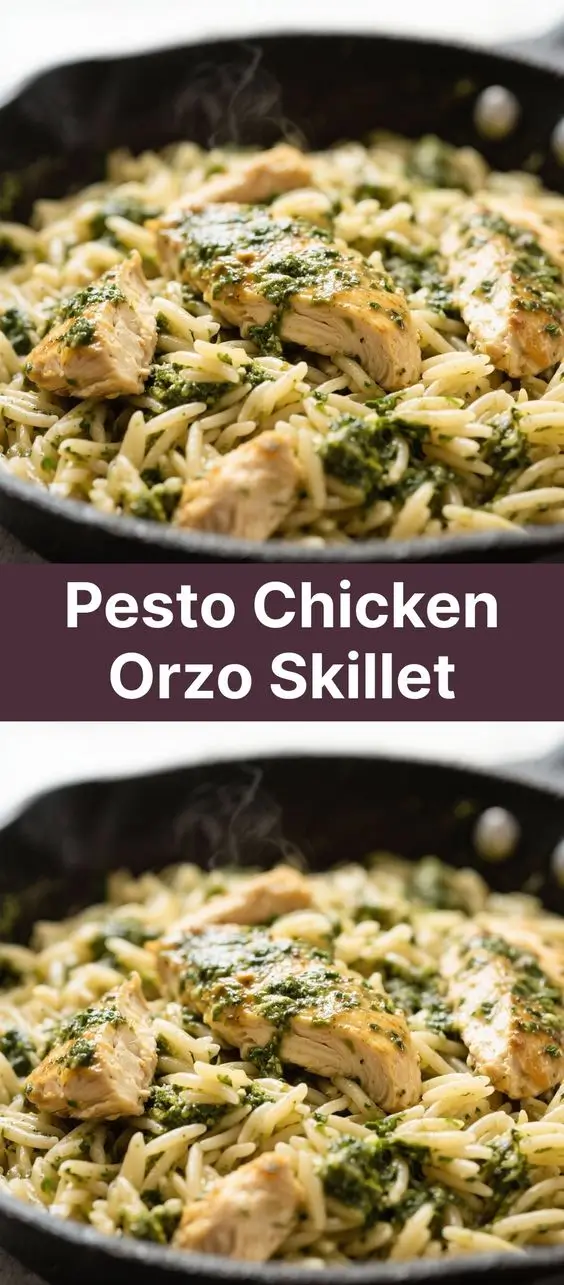
If you’re searching for a comforting, restaurant-quality meal that comes together in under 30 minutes with minimal cleanup, look no further than this Pesto Chicken Orzo Skillet. This dish combines tender chicken breast, al dente orzo pasta, and a vibrant basil pesto sauce into a creamy, aromatic one-pan sensation. Whether you’re cooking for your family on a busy weeknight or impressing guests at a casual dinner, this skillet delivers bold flavors and satisfying textures with surprising ease.
The History of the Dish: Where Comfort Meets Mediterranean Flair
While there isn’t a single documented origin for “Pesto Chicken Orzo Skillet,” its roots lie in the rich culinary traditions of both Italian and modern American home cooking. Orzo, a rice-shaped pasta originating in Italy, has long been a staple in soups and side dishes across the Mediterranean. Its delicate texture and ability to absorb flavors make it ideal for pilafs, baked casseroles, and sautéed skillets.
Pesto, hailing from Genoa in northern Italy, traditionally blends fresh basil, pine nuts, garlic, Parmesan cheese, and olive oil into a fragrant green sauce. Over time, home cooks began incorporating pesto into heartier meals beyond pasta—especially as fusion cuisine gained popularity in North America. The concept of combining protein, starch, and sauce in one pan echoes the efficiency of French sauteuses and Spanish paellas, but adapted for fast-paced lifestyles.
The Pesto Chicken Orzo Skillet emerged as part of the “one-pan wonder” trend popularized in the 2010s, especially through food blogs and social media platforms like Pinterest and Instagram. It reflects a desire for flavorful, balanced meals without excessive prep or cleanup—a perfect harmony of convenience and gourmet appeal.
Ingredients Breakdown: What Makes This Dish Shine
- Chicken Breast (1.5 lbs): Boneless, skinless chicken breasts are ideal for their lean texture and mild flavor, which readily absorbs the herby richness of pesto. Slicing them into bite-sized pieces ensures quick, even cooking.
- Orzo Pasta (1 cup): This small, rice-shaped pasta offers a slightly chewy bite and excellent sauce absorption. Unlike regular pasta, orzo can be toasted and simmered directly in the skillet, making it perfect for one-pot recipes.
- Basil Pesto (½ cup): Homemade or high-quality store-bought pesto is key. Look for bright green color and fresh ingredients. Pesto contributes garlic, basil, nuts, cheese, and olive oil—all essential flavor components in one convenient ingredient.
- Chicken Broth (2.5 cups): Provides the liquid base for cooking the orzo while infusing savory depth. Low-sodium versions allow better control over salt levels.
- Heavy Cream (¼ cup): Adds luxurious creaminess and balances the acidity of tomatoes and lemon. For lighter variations, half-and-half or whole milk may be substituted, though with less richness.
- Cherry Tomatoes (1 cup, halved): Add sweetness, acidity, and vibrant color. Their juicy burst contrasts beautifully with the creamy sauce.
- Garlic (3 cloves, minced): A fundamental aromatic that enhances the overall savoriness when sautéed briefly before adding liquids.
- Red Pepper Flakes (¼ tsp): Optional heat element—adds a subtle kick that complements the herbal notes without overpowering.
- Olive Oil (2 tbsp): Used for searing chicken and building flavor foundation. Extra virgin olive oil contributes fruity notes that pair well with pesto.
- Freshly Grated Parmesan Cheese (½ cup): Melts into the sauce for umami depth and salty tang. Pre-grated cheeses often contain anti-caking agents that hinder smooth melting.
- Fresh Basil (for garnish): Enhances aroma and adds a pop of green freshness just before serving.
- Lemon Zest (from ½ lemon): Brightens the entire dish, cutting through the richness and elevating the herbal profile.
- Salt & Black Pepper (to taste): Essential seasonings adjusted throughout cooking to layer flavors properly.
Step-by-Step Recipe: How to Make Pesto Chicken Orzo Skillet
- Prep Ingredients: Slice chicken breasts into 1-inch cubes. Halve cherry tomatoes. Mince garlic. Grate Parmesan cheese. Measure out all other ingredients to ensure smooth cooking flow (mise en place).
- Sear the Chicken: Heat olive oil in a large, deep skillet (preferably stainless steel or enameled cast iron) over medium-high heat. Season chicken generously with salt and pepper. Add chicken in a single layer and cook for 5–6 minutes, turning occasionally, until golden brown and cooked through. Remove chicken and set aside on a plate.
- Toast the Orzo: In the same skillet, add a splash more olive oil if needed. Reduce heat to medium. Add orzo and toast for 2–3 minutes, stirring frequently, until lightly golden and nutty-smelling. Toasting enhances flavor and prevents mushiness during simmering.
- Add Aromatics: Stir in minced garlic and red pepper flakes. Cook for 30 seconds to 1 minute until fragrant—do not let garlic brown.
- Pour in Liquids: Carefully add chicken broth and heavy cream, stirring to combine. Scrape up any browned bits from the bottom of the pan—these add tremendous flavor.
- Simmer the Orzo: Bring mixture to a gentle boil, then reduce heat to medium-low. Cover and simmer for 8–10 minutes, stirring occasionally, until orzo is tender and has absorbed most of the liquid. Check near the end to avoid overcooking.
- Incorporate Pesto and Chicken: Once orzo is al dente, remove skillet from heat. Stir in the cooked chicken, pesto, grated Parmesan, and halved cherry tomatoes. Mix gently to preserve tomato integrity. The residual heat will warm everything through and melt the cheese smoothly.
- Finish with Freshness: Taste and adjust seasoning with additional salt, pepper, or a squeeze of lemon juice if desired. Stir in lemon zest and garnish generously with fresh basil leaves.
- Serve Immediately: Spoon into warmed bowls. Optionally top with extra Parmesan, cracked black pepper, or a drizzle of high-quality olive oil for presentation.
Tips for Perfect Results Every Time
- Don’t Overcook the Chicken: Since it’s added back at the end, sear it just until done—overcooking now leads to dryness later.
- Use Quality Pesto: If using store-bought, choose refrigerated pesto with real ingredients. Avoid those with artificial colors or hydrogenated oils. Alternatively, blend your own with fresh basil, pine nuts, garlic, Parmesan, and olive oil.
- Toast the Orzo Well: This step is crucial—it develops a deeper flavor and helps maintain texture during simmering.
- Stir Gently After Adding Tomatoes: To prevent them from bursting and releasing too much juice, fold them in at the end off the heat.
- Let It Rest: Allow the skillet to sit for 2–3 minutes after mixing in pesto—this lets the sauce thicken and flavors meld.
- Adjust Consistency: If the dish seems too thick upon standing, stir in a splash of warm broth or cream to loosen it.
- Cook Covered But Watch Closely: Covering traps steam and speeds up orzo cooking, but peek frequently to stir and check doneness.
Variations and Customizations: Make It Your Own
This recipe is highly adaptable based on dietary preferences, seasonal availability, or pantry creativity. Here are some delicious twists:
- Vegetarian Version: Omit chicken and use mushrooms (such as cremini or shiitake) or chickpeas for protein. Use vegetable broth instead of chicken broth.
- Vegan Adaptation: Replace chicken with white beans or tofu, use dairy-free pesto (without cheese), swap heavy cream for coconut cream or cashew cream, and omit Parmesan or use nutritional yeast.
- Gluten-Free Option: Substitute orzo with gluten-free alternatives like quinoa, rice, or certified GF small pasta shapes. Adjust cooking time accordingly.
- Seafood Twist: Swap chicken for grilled shrimp or flaked salmon. Add seafood at the very end to avoid overcooking.
- Different Pesto Varieties: Try sun-dried tomato pesto, kale-walnut pesto, or arugula-almond pesto for unique flavor profiles.
- Add More Veggies: Stir in spinach, zucchini, roasted red peppers, artichoke hearts, or peas during the last few minutes of cooking.
- Nut Substitutions: Replace pine nuts in pesto with walnuts, almonds, or pecans for cost-effective or allergy-friendly options.
- Creaminess Boost: For an ultra-rich version, increase cream to ½ cup or stir in mascarpone cheese at the end.
- Herb Swaps: Add fresh oregano, thyme, or parsley along with basil for layered herb complexity.
Health Considerations and Nutritional Value
A typical serving (about 1.5 cups) of Pesto Chicken Orzo Skillet contains approximately:
- Calories: ~450–500 kcal
- Protein: ~30–35g (excellent source from chicken and cheese)
- Carbohydrates: ~45–50g (primarily from orzo; moderate glycemic load)
- Fat: ~20–25g (includes healthy monounsaturated fats from olive oil and nuts in pesto)
- Fiber: ~3–4g (enhanced with added vegetables)
- Sodium: ~600–800mg (varies widely depending on broth and pesto used; lower with low-sodium choices)
Positive Aspects:
- High in lean protein, supporting muscle repair and satiety.
- Contains heart-healthy fats from olive oil and nuts.
- Rich in antioxidants from basil, tomatoes, and garlic.
- B-vitamins from chicken and whole ingredients support metabolism.
Considerations:
- Can be high in saturated fat due to cream and cheese—opt for reduced-fat versions or limit portions if concerned.
- Orzo is refined carbohydrate; consider substituting part of it with whole grain or legume-based pasta for increased fiber.
- Sodium content can spike with pre-made pesto and broth—make your own to control salt levels.
- Portion size matters: this is a calorie-dense dish best enjoyed in moderation, especially for weight management.
To boost nutrition, serve with a side salad, steamed greens, or roasted vegetables. This transforms the meal into a well-rounded plate with added fiber, vitamins, and phytonutrients.
Full Ingredient List
- 2 tablespoons extra virgin olive oil
- 1.5 pounds boneless, skinless chicken breasts, cut into 1-inch cubes
- Salt and freshly ground black pepper, to taste
- 1 cup uncooked orzo pasta
- 3 cloves garlic, minced
- ¼ teaspoon red pepper flakes (optional)
- 2.5 cups low-sodium chicken broth
- ¼ cup heavy cream
- ½ cup basil pesto (homemade or high-quality store-bought)
- ½ cup freshly grated Parmesan cheese, plus extra for serving
- 1 cup cherry tomatoes, halved
- Zest of ½ lemon
- ¼ cup fresh basil leaves, thinly sliced (chiffonade), for garnish
Detailed Cooking Directions
- In a large, oven-safe skillet over medium-high heat, warm the olive oil until shimmering.
- Season chicken pieces with salt and pepper. Add to the hot skillet in a single layer and cook for 5–6 minutes, turning occasionally, until golden and cooked through (internal temperature should reach 165°F). Transfer to a clean plate and cover loosely with foil.
- Reduce heat to medium. Add orzo to the same skillet and toast for 2–3 minutes, stirring constantly, until golden and aromatic.
- Add minced garlic and red pepper flakes. Stir for 30 seconds until fragrant.
- Pour in chicken broth and heavy cream. Stir well, scraping the bottom of the pan to lift any browned bits (fond).
- Bring to a gentle boil, then reduce heat to medium-low. Cover with a lid and simmer for 8–10 minutes, stirring occasionally, until orzo is tender and liquid is mostly absorbed.
- Remove from heat. Stir in pesto, Parmesan cheese, cooked chicken, cherry tomatoes, and lemon zest. Fold gently until evenly combined and cheese is melted.
- Taste and adjust seasoning—add more salt, pepper, or a squeeze of lemon juice if desired.
- Let rest for 2–3 minutes to allow flavors to meld and sauce to thicken slightly.
- Garnish with fresh basil and extra Parmesan. Serve immediately.
Frequently Asked Questions (FAQ)
Can I make this ahead of time?
Yes, though it’s best served fresh. You can prep ingredients (chop chicken, measure spices, etc.) up to a day in advance. Fully cooked skillet reheats well in a covered pan over low heat with a splash of broth to refresh the texture.
How do I store leftovers?
Cool completely and store in an airtight container in the refrigerator for up to 3 days. Reheat gently on the stovetop with a bit of liquid to restore creaminess. Avoid microwaving for too long, as it can make the chicken rubbery.
Can I freeze Pesto Chicken Orzo Skillet?
Freezing is possible but not ideal—the cream and cheese may separate slightly upon thawing, and orzo can become mushy. If freezing, do so within 24 hours and thaw overnight in the fridge before reheating slowly with added broth.
Is this dish safe for pregnant women?
Yes, provided all ingredients are pasteurized (especially cream and cheese) and chicken is fully cooked. Ensure pesto does not contain raw eggs unless pasteurized. When in doubt, consult a healthcare provider.
Why did my sauce turn out too thick or too thin?
Too thick? Likely evaporated too much liquid—stir in warm broth or cream. Too thin? May need longer simmering or a cornstarch slurry (1 tsp cornstarch + 1 tbsp water) stirred in and heated until thickened.
Can I use dried basil instead of pesto?
Not recommended. Dried basil lacks the oil, nuts, cheese, and garlic that define pesto. You’d lose the signature flavor and creaminess. Instead, make a quick homemade pesto or buy a good jarred version.
What can I serve with this dish?
It’s a complete meal on its own, but pairs wonderfully with a crisp green salad, garlic bread, roasted asparagus, or a chilled glass of Pinot Grigio.
Summary
The Pesto Chicken Orzo Skillet is a luscious, one-pan meal that marries tender chicken, perfectly cooked orzo, and vibrant pesto into a creamy, satisfying dish ready in under 30 minutes. Packed with flavor, flexible for dietary needs, and easy to customize, it’s destined to become a go-to favorite for cozy dinners and effortless entertaining alike.