Introduction
Miso butter noodles are a modern, umami-rich fusion dish that bridges the comforting familiarity of Western-style buttered noodles with the deep, complex savoriness of Japanese miso paste. This deceptively simple preparation transforms pantry staples into an elegant, soul-warming meal in under 15 minutes—perfect for busy weeknights, cozy solo dinners, or impressing guests with minimal effort and maximum flavor impact. At its core, it’s a celebration of balance: the creamy richness of browned or cultured butter harmonizes with the fermented depth of miso, while fresh aromatics, citrus zest, and delicate garnishes add brightness and texture. Unlike heavy cream-based pastas or overly salty soy-sauce-driven bowls, miso butter noodles offer a refined, nuanced profile—earthy yet bright, rich yet clean, deeply satisfying without being cloying. Whether you’re a seasoned home cook exploring Japanese pantry ingredients or a beginner seeking an approachable gateway to fermentation-forward cooking, this dish invites curiosity, customization, and daily delight.
The History
While miso butter noodles lack a single documented origin story, their emergence reflects a broader culinary evolution rooted in cross-cultural exchange and pantry innovation. Miso—a cornerstone of Japanese cuisine for over 1,300 years—was traditionally used in soups (miso shiru), marinades, pickles, and glazes. Its global popularity surged in the late 20th and early 21st centuries as chefs and home cooks discovered its versatility beyond traditional applications. Simultaneously, Western “butter noodles”—a humble American and European staple often made with melted butter, black pepper, and Parmesan—gained renewed attention through food media emphasizing simplicity and ingredient integrity. The convergence began organically: chefs experimenting with umami boosters noticed how white or yellow miso could enhance dairy-based sauces without overpowering them; home cooks on platforms like Instagram and TikTok started sharing viral “miso pasta” variations using spaghetti and miso-butter emulsions. Notably, renowned chefs such as David Chang (Momofuku) and Eric Ripert have referenced miso’s affinity for fat and acid—principles that underpin this dish. Though not a centuries-old tradition, miso butter noodles represent a thoughtful, respectful evolution: honoring miso’s cultural significance while adapting it with intention, seasonality, and accessibility at heart. It’s less about authenticity in replication and more about resonance in flavor philosophy—where fermentation meets comfort, and tradition converses fluently with innovation.
Ingredients Breakdown
Every element in miso butter noodles serves a precise sensory and functional role—nothing is arbitrary. Understanding each component elevates both execution and customization:
- Miso Paste (4–5 tbsp): The soul of the dish. Opt for shinshu (yellow miso) for balanced sweetness and mild funk, saikyo (white miso) for delicate, slightly sweet notes ideal for delicate palates or seafood pairings, or aka miso (red miso) for bold, earthy intensity—best balanced with extra butter or citrus. Always choose unpasteurized, naturally fermented varieties for optimal enzymatic depth and probiotic integrity. Avoid “miso blends” with added sugar, alcohol, or MSG.
- Cultured Butter (½ cup / 1 stick, unsalted): Preferably European-style (82–86% butterfat) for richer mouthfeel and nuttier browning potential. Cultured butter contains lactic acid, which enhances miso’s tang and helps emulsify the sauce. Clarified butter (ghee) may be used for higher smoke point and cleaner flavor—but sacrifices some complexity. For vegan versions, high-fat cultured coconut butter or browned cashew butter infused with nutritional yeast offers remarkable depth.
- Aromatics (1 small shallot, 2 garlic cloves, 1-inch ginger): Finely minced to dissolve seamlessly into the sauce. Shallots lend sweetness and structure; garlic adds pungent warmth (added later to avoid bitterness); ginger contributes zesty lift and digestive synergy with miso’s fermentation.
- Dry White Wine or Mirin (2 tbsp): Acts as a deglazing acid and solvent—lifting fond while balancing miso’s saltiness. Dry sake or rice vinegar (½ tsp) work as non-alcoholic alternatives. Mirin adds subtle sweetness but reduce added sugar accordingly.
- Fresh Citrus (Zest + juice of 1 lemon or yuzu): Brightens the sauce, cuts richness, and lifts miso’s density. Lemon offers universal vibrancy; yuzu delivers haunting floral-citrus nuance; lime adds tropical sharpness. Always zest before juicing—the oils contain 90% of the aroma.
- Pasta (12 oz / 340g): Choose shapes with surface area and nooks: spaghetti, somen, udon, soba (for nuttiness), or even fusilli. Fresh egg noodles or hand-pulled lamian absorb sauce luxuriously. Gluten-free options like brown rice or buckwheat soba perform exceptionally well when cooked al dente.
- Garnishes (Essential, not optional): Toasted sesame seeds (adds nutty crunch and lignans), scallion greens (fresh allium bite), nori strips (marine umami and crisp texture), shichimi togarashi (Japanese seven-spice for heat/complexity), and micro shiso or mitsuba (herbal sophistication). Each garnish contributes distinct volatile compounds that evolve the aroma profile with every bite.
Step-by-Step Recipe
- Prep All Ingredients Mise en Place: Mince shallot, garlic, and ginger separately. Measure miso into a small bowl (do not refrigerate—it thickens when cold). Zest and juice citrus. Toast sesame seeds in a dry pan over medium-low heat until golden and fragrant (2–3 min), then cool. Slice scallions thinly on diagonal. Have nori cut into fine ribbons. Keep everything within arm’s reach—this dish moves quickly.
- Cook Pasta to Perfect Al Dente: Use 4–6 quarts well-salted water (as salty as seawater—~2 tbsp kosher salt). Add pasta and stir immediately to prevent sticking. Cook 1–2 minutes *less* than package instructions—pasta will finish cooking in the hot sauce. Reserve 1 cup starchy pasta water before draining.
- Brown the Butter Thoughtfully: In a wide, heavy-bottomed skillet or Dutch oven (12-inch preferred), melt butter over medium heat. Swirl constantly. As foam subsides, butter will crackle, then turn golden with nutty aroma (~4–5 min). Watch closely—once specks turn light brown and fragrance deepens, remove from heat immediately. Let cool 1 minute (to prevent miso from “cooking” and losing enzymes).
- Sauté Aromatics Gently: Return pan to low heat. Add shallots; cook 2 minutes until translucent. Add ginger; stir 30 seconds until fragrant. Add garlic last (30 seconds only)—too long and it turns acrid. Do not brown.
- Emulsify the Miso Base: Reduce heat to lowest setting. Whisk miso paste into warm (not hot) browned butter mixture, 1 tbsp at a time, fully dissolving each addition before adding more. This prevents clumping and preserves delicate volatiles. Once fully incorporated, whisk in wine/mirin and simmer gently 1 minute to mellow alcohol and meld flavors.
- Combine & Finish with Pasta Water: Add drained pasta directly to skillet. Toss vigorously with tongs for 30 seconds to coat. Gradually add reserved pasta water, 2 tbsp at a time, tossing continuously until sauce turns glossy, velvety, and clings thickly to noodles (usually ¼–⅓ cup needed). Sauce should shimmer—not pool or look broken.
- Finish with Brightness & Texture: Off heat, fold in citrus zest and juice. Taste and adjust: a pinch of flaky sea salt if needed (miso varies in sodium), a drop more lemon if flat, or ½ tsp honey if too sharp. Never add more miso at this stage—it dulls brightness.
- Plate with Intention: Twirl noodles into warm shallow bowls. Immediately top with generous scatterings: toasted sesame, scallions, nori, shichimi, and a final whisper of citrus zest. Serve within 90 seconds—texture and temperature are paramount.
Tips
- Temperature Is Everything: Miso is alive. Adding it to piping-hot butter (>140°F/60°C) kills beneficial microbes and can create off-flavors. Always cool browned butter 60–90 seconds before incorporating miso.
- Pasta Water Is Your Emulsifier: That starchy liquid isn’t just “insurance”—it’s the glue. Its amylose starch swells in heat and binds fat + water + miso proteins into a stable, luxurious emulsion. Never skip reserving it—and never add cold water.
- Undercook Pasta Relentlessly: Even 30 seconds too long yields mushy noodles that absorb sauce poorly. Err toward firmness—you’ll finish cooking in the pan.
- Whisk Miso Off Heat: Use a small balloon whisk and incorporate slowly. Lumps mean uneven seasoning and grainy mouthfeel. If lumps form, pass sauce through a fine-mesh sieve before adding pasta.
- Toast Aromatics, Don’t Sweat Them: Low-and-slow sautéing develops sweetness without caramelization. High heat makes shallots bitter and garlic harsh.
- Layer Garnishes Strategically: Add nori last—its crispness vanishes in steam. Scallions go on just before serving so their sharpness stays vibrant. Sesame seeds provide textural contrast against silky noodles.
- Make-Ahead Smartly: Browned butter keeps 5 days refrigerated or 3 months frozen. Miso-butter base (without pasta water or citrus) holds 3 days chilled—rewhisk gently before use. Never pre-mix miso + citrus—it oxidizes and turns dull.
- Respect the Rest Time: Let plated noodles sit 20 seconds before first bite. This allows residual heat to bloom aromatics and lets sauce settle into every groove.
Variations and Customizations
This recipe is a dynamic canvas—adaptable across seasons, dietary needs, and flavor curiosities:
Protein Enhancements
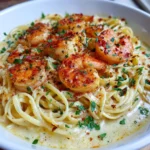
- Seared Scallops: Pan-sear dry-packed scallops in same skillet after making sauce; nestle atop noodles with lemon-thyme butter drizzle.
- Miso-Glazed Salmon: Brush salmon fillets with miso-butter mixture + ginger; broil 6–8 min. Flake over warm noodles.
- Shiitake “Bacon”: Thinly slice shiitakes, toss with tamari + maple + smoked paprika, bake at 375°F until crisp. Adds chewy, smoky umami.
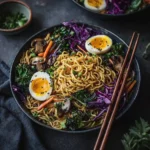
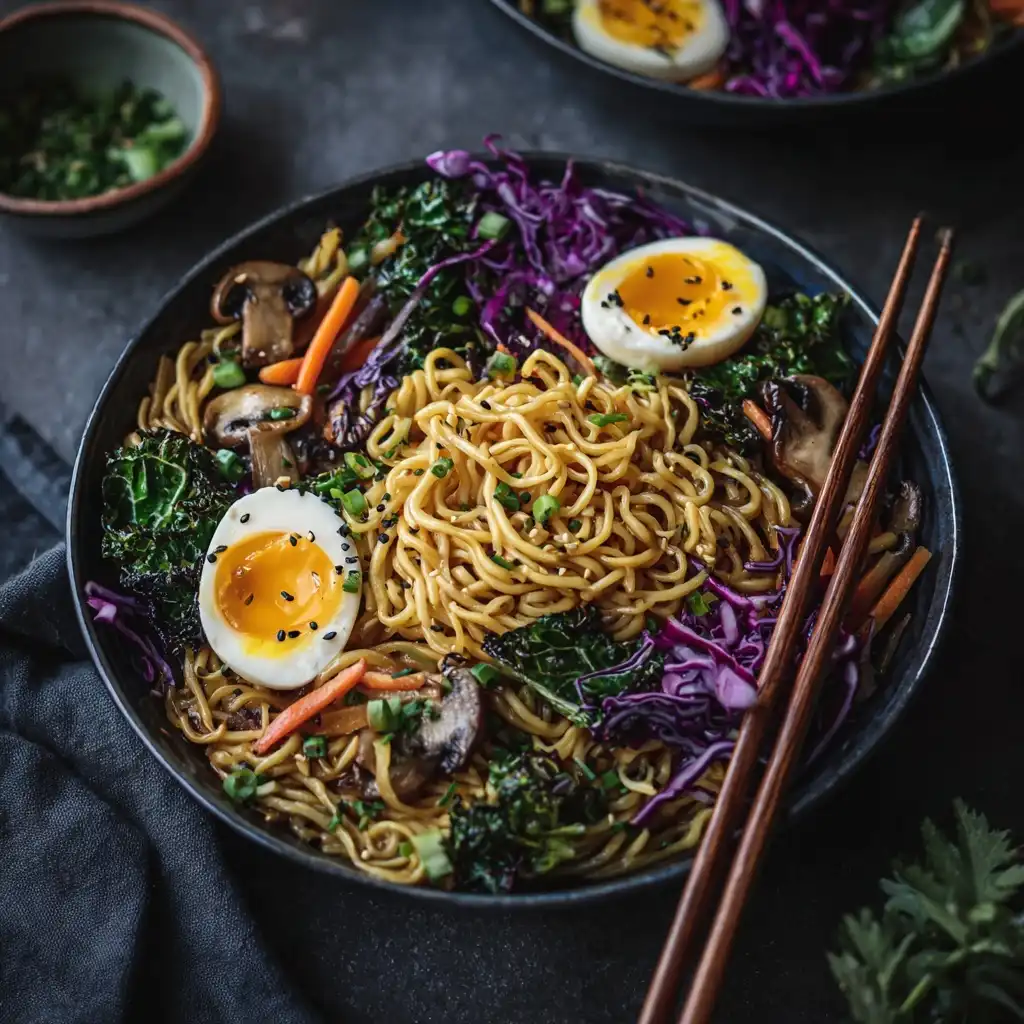
- Soft-Boiled Egg: 6-minute egg with jammy yolk—break over noodles for unctuous silkiness and natural lecithin emulsification.
Vegetable Infusions
- Spring Version: Fold in blanched asparagus tips, pea shoots, and fava beans. Finish with mint and chive blossoms.
- Autumn Version: Sauté roasted kabocha squash cubes + crispy sage in browned butter before adding miso.
- Umami Trio: Add rehydrated dried porcini (soaked in warm water, finely chopped) + sun-dried tomatoes (oil-packed, minced) + roasted red peppers.
- Green Goddess: Blend blanched broccoli rabe, parsley, and avocado into miso-butter base for creamy, verdant depth.
Dietary Adaptations
- Vegan: Use cultured coconut butter or browned cashew butter; replace wine with rice vinegar + agave; opt for gluten-free buckwheat soba; garnish with hemp seeds instead of fish-derived nori.
- Gluten-Free: Certified GF pasta (brown rice, quinoa, or 100% buckwheat soba); verify miso is tamari-based (not wheat-containing soy sauce).
- Low-Sodium: Use low-sodium miso (some brands offer 30% less salt); omit added salt; amplify with lemon, yuzu, shiso, and toasted seeds.
- Keto/Low-Carb: Substitute shirataki or hearts of palm noodles; increase butter to ¾ cup; add grated aged Gouda or Pecorino Romano for extra fat and salt.
Global Twists
- Korean-Inspired: Swap miso for doenjang; add gochujang (½ tsp), toasted perilla leaves, and kimchi brine instead of wine.
- French-Japanese Fusion: Use miso + Dijon mustard + tarragon; finish with crème fraîche and chervil.
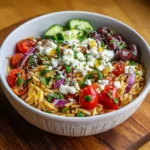
- Mediterranean Miso: Stir in preserved lemon pulp, Kalamata olives, and oregano; top with feta and pine nuts.
- Thai-Influenced: Add lemongrass paste, kaffir lime leaves, and chili oil; garnish with cilantro and crushed peanuts.
Health Considerations and Nutritional Value
Miso butter noodles offer surprising functional nutrition when prepared mindfully—far exceeding typical “comfort food” stereotypes:
- Probiotic Powerhouse: Unpasteurized miso contains live Lactobacillus, Aspergillus oryzae, and Zygosaccharomyces rouxii strains. These support gut microbiome diversity, enhance nutrient absorption (especially B vitamins and bioavailable zinc), and modulate immune response. To preserve viability, always add miso off direct heat and below 115°F.
- Healthy Fat Profile: Cultured butter provides butyric acid—a short-chain fatty acid shown to reduce intestinal inflammation and strengthen gut barrier function. When paired with miso’s isoflavones (genistein, daidzein), fat metabolism improves synergistically.
- Antioxidant Synergy: Miso’s melanoidins (Maillard reaction compounds formed during fermentation) act as potent antioxidants—scavenging free radicals more effectively than unfermented soy. Combined with citrus flavonoids (hesperidin, naringenin) and sesame lignans (sesamin, sesamolin), oxidative stress protection multiplies.
- Digestive Intelligence: Ginger’s gingerols stimulate gastric motilin release, accelerating stomach emptying. Garlic’s allicin supports healthy gut flora balance. Fermented soy in miso also produces prebiotic oligosaccharides that feed beneficial Bifidobacteria.
- Nutrient Density: Per standard serving (12 oz pasta + ½ cup butter + 4 tbsp miso + garnishes): ~780 kcal, 32g fat (19g sat), 98g carb (4g fiber), 22g protein, 120% DV vitamin A (from butter + nori), 85% DV vitamin K (nori + scallions), 45% DV iron (miso + nori), plus magnesium, copper, and selenium. Lower-calorie versions easily achieve ~520 kcal by reducing butter to ⅓ cup and adding 1 cup shiitakes or spinach.
- Considerations: Naturally high in sodium (650–950mg/serving)—ideal for athletes or active individuals needing electrolyte replenishment, but monitor if managing hypertension. Choose organic, non-GMO soy miso to avoid glyphosate residues. Those with histamine intolerance may react to aged miso—opt for younger white miso and consume fresh.
Ingredients
- 12 oz (340g) high-quality dried or fresh noodles (spaghetti, somen, udon, or soba)
- ½ cup (1 stick / 113g) unsalted cultured butter, preferably European-style
- ¼ cup (60ml) dry white wine, dry sake, or mirin
- 4–5 tbsp (60–75g) unpasteurized yellow or white miso paste (shinshu or saikyo)
- 1 small shallot (about ¼ cup), finely minced
- 2 garlic cloves, finely minced
- 1-inch piece fresh ginger, peeled and finely grated or minced
- Zest and juice of 1 organic lemon or yuzu (about 1 tsp zest, 2 tbsp juice)
- 1 tsp flaky sea salt (such as Maldon), plus more for pasta water
- ¼ tsp freshly ground white or black pepper
- ¼ cup (35g) toasted white or black sesame seeds
- 3 scallions, thinly sliced on diagonal (green and white parts)
- 1 sheet roasted nori, cut into fine ¼-inch ribbons
- ½ tsp shichimi togarashi (Japanese seven-spice blend)
- Optional: Micro shiso, mitsuba, or edible chrysanthemum flowers for garnish
Directions
- Bring 5–6 quarts of water to a rolling boil in a large pot. Add 2 tablespoons kosher salt. Once boiling vigorously, add noodles and stir immediately to separate. Cook, stirring occasionally, until 1–2 minutes shy of package’s al dente time. Before draining, carefully scoop out and reserve 1 cup of starchy pasta water. Drain noodles thoroughly in a colander—do not rinse.
- While pasta cooks, prepare aromatics: finely mince shallot, garlic, and ginger separately. Zest and juice lemon or yuzu. Toast sesame seeds in a dry 10-inch skillet over medium-low heat, shaking pan frequently, until golden and fragrant (2–3 minutes). Transfer to a small bowl and set aside to cool completely.
- In a wide, heavy-bottomed 12-inch skillet or Dutch oven, melt butter over medium heat. Swirl constantly. After 2–3 minutes, foam will rise, then subside. Continue swirling until butter turns golden with pale amber specks and releases a rich, nutty aroma (4–5 minutes total). Immediately remove from heat and let cool 60–90 seconds.
- Return skillet to low heat. Add minced shallot and cook, stirring, until soft and translucent (about 2 minutes). Add grated ginger and stir 30 seconds until aromatic. Add garlic and stir constantly for exactly 30 seconds—do not brown.
- Reduce heat to lowest possible setting. Whisk miso paste into warm (not hot) butter mixture, 1 tablespoon at a time, fully dissolving each addition before adding the next. Once smooth and homogeneous, whisk in wine or mirin. Simmer gently for 1 minute to integrate and evaporate alcohol.
- Add drained pasta directly to skillet. Toss vigorously with tongs for 30 seconds to evenly coat. Gradually add reserved pasta water, 2 tablespoons at a time, tossing continuously, until sauce becomes glossy, cohesive, and clings luxuriously to noodles (typically ⅓ cup needed). Sauce should coat without pooling or appearing greasy.
- Remove from heat. Immediately fold in lemon or yuzu zest and juice. Taste and adjust: add flaky salt only if needed (miso varies), a pinch more citrus if flat, or ½ teaspoon honey if overly tart. Never add more miso at this stage.
- Divide noodles among four warmed shallow bowls. Immediately top each with generous sprinklings of toasted sesame seeds, scallions, nori ribbons, and shichimi togarashi. Finish with an extra whisper of citrus zest. Serve immediately, encouraging diners to mix gently at the table to distribute garnishes.
FAQ
- Can I use any type of miso?
- Yes—but flavor profiles differ dramatically. White (shiro) miso is mildest and sweetest; yellow (shinshu) offers balanced umami; red (aka) miso is bold, salty, and earthy. For beginners, start with yellow miso. Avoid “instant” or “blend” misos with added sugar, alcohol, or MSG—they lack enzymatic depth and can taste artificial.
- Why can’t I use regular butter?
- You can, but cultured butter makes a profound difference. Its lactic acid content enhances miso’s tang, improves emulsion stability, and contributes nuanced fermentation notes that echo miso’s own microbial complexity. Regular butter lacks this dimension and may yield a flatter, greasier sauce.
- My sauce broke or looks oily—what went wrong?
- Most commonly: pasta water was too cold or added too quickly, miso was added to overheated butter, or insufficient tossing occurred. Fix it by removing from heat, adding 1 tbsp hot pasta water, and whisking vigorously off-heat until re-emulsified. Next time, ensure pasta water is hot, butter is warm-not-hot, and toss continuously.
- Can I make this ahead and reheat?
- Best enjoyed fresh—but components store beautifully. Browned butter keeps 5 days refrigerated or 3 months frozen. Miso-butter base (without citrus or pasta water) lasts 3 days chilled. Reheat base gently, then combine with freshly cooked pasta and hot starchy water. Never reheat fully assembled dish—it becomes gummy.
- Is this dish gluten-free?
- Yes—with careful substitutions. Use certified gluten-free pasta (brown rice, quinoa, or 100% buckwheat soba) and verify your miso is made with tamari (gluten-free soy sauce) rather than wheat-based shoyu. Many Japanese miso brands (e.g., Cold Mountain, Eden Foods) offer GF-certified options.
- What wine pairs best with miso butter noodles?
- A crisp, high-acid white with subtle salinity complements the umami richness: try Chablis, Muscadet Sèvre-et-Maine, Txakoli, or an unoaked Albariño. For red lovers, a chilled, low-tannin Gamay (Beaujolais Villages) works surprisingly well—its red fruit and acidity cut through butter without overwhelming miso.
- Can I freeze leftovers?
- Not recommended. Freezing disrupts the emulsion, separates fats, and dulls miso’s volatile aromatics. However, uncooked miso-butter base freezes flawlessly for up to 3 months—just thaw overnight in fridge and rewhisk before use.
- Why toast the sesame seeds separately?
- Toasting unlocks sesame oil’s aromatic compounds (sesamin, sesamol) and creates Maillard-driven nuttiness that raw seeds lack. Doing it separately ensures even browning without burning—critical since sesame burns faster than butter browns.
- Can I use frozen noodles?
- Absolutely—especially frozen udon or soba. Cook directly from frozen in boiling salted water, adding 1–2 minutes to package time. No need to thaw. Frozen noodles often retain better texture than dried when finished in sauce.
- How do I store miso properly?
- Keep miso covered tightly in its original container or an airtight glass jar. Store refrigerated—even past “best by” date (it’s a preservative itself!). Surface darkening is harmless oxidation; simply scrape off. Never store at room temperature long-term unless in a cool, dark pantry (for short periods only).
Summary
Miso butter noodles are a masterclass in umami harmony—where centuries-old Japanese fermentation meets French-inspired butter technique to create a dish that is simultaneously grounding and ethereal, rich and refreshing, simple in execution yet infinitely layered in flavor and nutrition. With mindful ingredient selection, precise temperature control, and intentional garnishing, it transcends trend to become a timeless, nourishing ritual for the modern table.
Whether served as a minimalist weeknight staple or elevated with seasonal vegetables and artisan proteins, this dish affirms that true comfort lies not in heaviness—but in balance, brightness, and the quiet profundity of well-fermented things.