Introduction
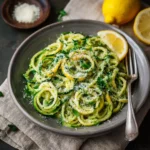
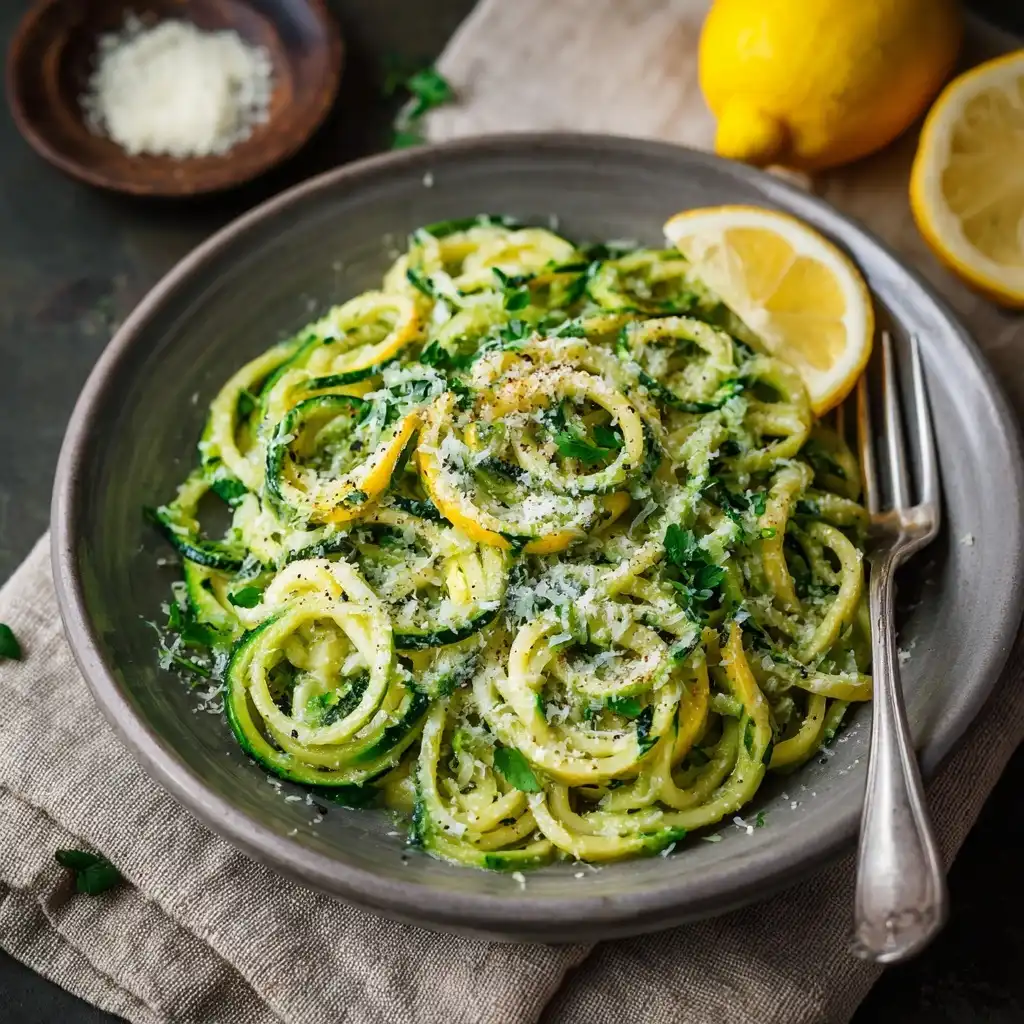
Imagine a dish that’s light yet deeply satisfying, vibrant yet comforting, fresh yet rich—Lemon Parmesan Zucchini Noodles are exactly that. This elegant yet effortless recipe transforms humble zucchini into tender, golden ribbons kissed with bright citrus, nutty aged Parmesan, and just the right amount of savory depth. Far from a mere “low-carb substitute,” it stands proudly as a complete, restaurant-worthy meal in under 15 minutes. Whether you’re embracing mindful eating, seeking vibrant plant-forward dinners, or simply craving something refreshingly zesty and aromatic, this dish delivers on flavor, texture, and nutritional integrity—without compromise, without heaviness, and without sacrificing soul.
The History
Zucchini noodles—or “zoodles”—emerged prominently in the early 2010s amid the rise of gluten-free, grain-free, and low-carbohydrate lifestyle movements. While spiralized vegetables have ancient roots (think hand-cut vegetable ribbons in traditional Asian stir-fries or Italian *tagliatelle di zucca*), the modern zoodle phenomenon was catalyzed by home kitchen gadgets like the spiralizer and later the julienne peeler and mandoline. Chefs and wellness influencers alike championed zucchini for its mild flavor, high water content, and structural pliability—making it ideal for absorbing bold dressings and sauces. The Lemon Parmesan variation, however, is a distinctly contemporary American-Italian fusion: it draws inspiration from classic *spaghetti al limone* (a Roman-Jewish lemon pasta) and *pasta alla gricia* (with its generous use of Pecorino Romano), but swaps wheat pasta for raw or lightly sautéed zucchini and leans into the brightness of fresh lemon zest and juice. Over time, this version evolved beyond trend status into a pantry staple—appearing on menus from California farm-to-table bistros to Brooklyn supper clubs—and has since been refined through thousands of home cooks’ iterations, each adding subtle nuance to balance acidity, salt, fat, and umami.
Ingredients Breakdown
Every ingredient in Lemon Parmesan Zucchini Noodles serves a precise sensory and functional role—no filler, no afterthoughts:
- Zucchini: The star and foundation—preferably medium-sized (6–8 inches), firm, and deeply green. Smaller zucchinis offer sweeter, more tender flesh and fewer seeds; larger ones can be watery and fibrous. Organic is recommended to minimize pesticide residue, especially since the skin remains intact for added fiber and chlorophyll-rich nutrients.
- Extra-Virgin Olive Oil: Not just for cooking—it’s a flavor carrier and textural enhancer. A high-quality, fruity, peppery EVOO (like arbequina or koroneiki) contributes polyphenols, antioxidants, and a lush mouthfeel that binds the lemon and cheese together.
- Fresh Lemon: Both zest and juice are non-negotiable. The zest contains volatile citrus oils (limonene, citral) that deliver intense aroma and complexity; the juice adds sharp acidity to cut richness and brighten every bite. Bottled lemon juice lacks enzymatic nuance and often contains preservatives that dull flavor.
- Garlic: Freshly minced—not powdered or jarred—for pungent, floral-savory depth. Garlic’s allicin compounds are heat-sensitive, so adding it late preserves both flavor and bioactive benefits.
- Grated Parmigiano-Reggiano: Authentic, imported Italian DOP-certified Parmesan aged minimum 24 months. Its crystalline crunch, caramelized nuttiness, and natural umami (from glutamic acid) elevate the entire dish. Pre-grated “Parmesan” often contains cellulose anti-caking agents and lacks enzymatic maturity—resulting in chalky texture and muted flavor.
- Red Pepper Flakes: Optional but highly recommended—a whisper of heat awakens the palate and balances lemon’s tartness. Toast them lightly in oil first to unlock smoky, fruity capsaicin notes.
- Fresh Herbs (Parsley or Basil): Added at the very end for herbal lift, visual vibrancy, and phytonutrient diversity (apigenin in parsley, eugenol in basil).
- Sea Salt & Freshly Cracked Black Pepper: Fine sea salt enhances natural sweetness and amplifies other flavors; coarse black pepper adds aromatic terpenes (pinene, limonene) and gentle warmth that complements lemon zest.
Step-by-Step Recipe
- Prep the Zucchini: Wash zucchini thoroughly under cool running water. Trim both ends. Using a spiralizer (with medium blade), julienne peeler, or mandoline slicer, create long, even noodles. Place noodles in a large colander, sprinkle generously with ½ tsp fine sea salt, and gently toss. Let drain 10–15 minutes—this draws out excess moisture, preventing a watery, mushy final dish. After draining, gently squeeze handfuls of noodles in a clean kitchen towel or paper towels to remove residual liquid. Do not skip this step—it’s essential for texture integrity.
- Toast the Aromatics: Heat 2 tbsp extra-virgin olive oil in a wide, heavy-bottomed stainless steel or cast-iron skillet over medium-low heat. Add ¼ tsp red pepper flakes and toast for 30 seconds until fragrant—but not smoking. Immediately add 2 finely minced garlic cloves and stir constantly for 45–60 seconds until just golden (not browned). Remove from heat briefly if garlic threatens to burn.
- Sauté Gently: Return pan to medium heat. Add drained zucchini noodles. Toss continuously for 2–3 minutes—just until noodles soften slightly at the edges but retain a delicate, al dente “bite.” Avoid overcooking: zucchini should never become translucent or limp. For raw variation (see Variations), skip this step entirely and proceed to dressing.
- Build the Sauce Off-Heat: In a small bowl, whisk together zest of 1 large lemon (about 1 tbsp), 3 tbsp freshly squeezed lemon juice, ¼ tsp flaky sea salt, and a generous grind of black pepper. Pour this mixture over warm zucchini in the pan.
- Finish with Cheese & Herbs: Remove pan from heat. Immediately add ⅓ cup freshly grated Parmigiano-Reggiano and 2 tbsp chopped fresh flat-leaf parsley. Toss gently but thoroughly—allowing residual heat to slightly melt the cheese into silky ribbons while preserving its granular texture. Taste and adjust: more lemon zest for aroma, more juice for brightness, more cheese for savoriness, or a drizzle of raw olive oil for roundness.
- Serve Immediately: Plate while warm (not hot) or at room temperature. Garnish with additional lemon zest, a final twist of black pepper, microgreens, or a few shavings of Parmigiano-Reggiano using a vegetable peeler for dramatic texture contrast.
Tips
- Choose the Right Zucchini: Look for zucchini that feel heavy for their size, with glossy, taut skin and no soft spots or blemishes. Smaller specimens (under 7 inches) yield sweeter, more tender noodles with tighter spirals.
- Don’t Skip the Salting Step: This osmotic draw is critical. Skipping it leads to “lemon-water soup” noodles instead of vibrant, cohesive strands.
- Control Heat Meticulously: Zucchini cooks fast—and overcooking is irreversible. Medium heat only, and constant movement ensures even, gentle warming—not boiling or steaming.
- Grate Cheese Yourself: Pre-grated cheese contains starches and anti-caking agents that inhibit melting and create grittiness. A Microplane yields optimal surface area for quick integration and maximum flavor release.
- Add Lemon Zest First: Always zest before juicing—the oils are most abundant in the outer yellow layer, and juicing first can make the peel slippery and harder to zest finely.
- Use Warm—Not Hot—Pans: If serving raw, bring noodles to room temperature before tossing with dressing. If sautéing, let noodles rest 1 minute off-heat before adding lemon and cheese—excessive heat causes cheese to clump and lemon juice to “cook,” muting its freshness.
- Layer Acidity Thoughtfully: For deeper complexity, add a tiny splash (¼ tsp) of high-quality white wine vinegar or yuzu juice alongside lemon—enhances brightness without overpowering.
- Respect the Rest Time: Let dressed noodles sit 2–3 minutes before serving—this allows flavors to marry and the cheese to hydrate slightly, creating a subtle creaminess.
Variations and Customizations
This recipe is a master canvas—adaptable across dietary frameworks, seasonal availability, and personal preference:
- Raw Zoodle Version: Skip sautéing entirely. After salting and draining, toss chilled noodles directly with lemon zest/juice, olive oil, garlic, herbs, and cheese. Ideal for summer, detox phases, or raw food enthusiasts. Adds crisp-tender texture and maximal enzyme retention.
- Creamy Lemon-Parmesan: Stir in 2 tbsp unsweetened almond milk or cashew cream + 1 tsp nutritional yeast before adding cheese for a luscious, dairy-light sauce with extra B-vitamins and umami depth.
- Protein-Forward Options: Top with pan-seared shrimp, grilled lemon-herb chicken breast, flaked wild-caught salmon, crumbled Italian sausage (remove casing, brown well), or marinated baked tofu. Add protein after tossing noodles to preserve temperature contrast.
- Vegan Adaptation: Substitute high-quality vegan Parmesan (e.g., brands using coconut oil, tapioca, and nutritional yeast), double the lemon zest, add 1 tsp white miso paste for fermented umami, and finish with toasted pine nuts or hemp seeds for richness.
- Herb Swaps: Replace parsley with fresh basil (especially with cherry tomatoes), dill (for a Greek-inspired twist), chives (delicate onion note), or mint (bright, cooling contrast to lemon and cheese).
- Vegetable Medley: Fold in blanched asparagus ribbons, roasted cherry tomatoes (halved and oven-roasted at 400°F for 12 minutes), shaved fennel, or baby spinach leaves for added color, fiber, and phytonutrient diversity.
- Umami Bomb Upgrade: Add 1 tsp white or yellow miso paste whisked into the lemon mixture, or fold in 1 tbsp finely chopped sun-dried tomatoes (oil-packed, patted dry) and 1 tsp capers for briny, fermented complexity.
- Spice Infusion: Infuse olive oil with black peppercorns, lemon peel, and thyme sprigs for 24 hours before cooking—or stir in harissa paste (½ tsp) or gochujang (¼ tsp) for North African or Korean flair.
- Breakfast or Brunch Style: Serve chilled or room-temp topped with a soft-poached egg, everything bagel seasoning, and avocado slices—transforming it into a nutrient-dense morning power bowl.
- Meal Prep Friendly: Prepare noodles and dressing separately; store in airtight containers for up to 3 days. Assemble only before serving to prevent sogginess. Freezing is not recommended—zucchini weeps and degrades upon thawing.
Health Considerations and Nutritional Value
Lemon Parmesan Zucchini Noodles exemplify functional, whole-food nutrition—where taste and biology align seamlessly. A standard serving (2 medium zucchinis, 2 tbsp EVOO, 1 lemon, ⅓ cup Parmesan) delivers approximately:
- Calories: ~240 kcal — nutrient-dense, not calorie-dense.
- Fiber: 3–4 g — primarily soluble (pectin) and insoluble (cellulose), supporting gut motility, microbiome diversity, and stable blood glucose.
- Vitamin C: ~50 mg (83% DV) — from lemon juice and zest, acting as antioxidant, collagen co-factor, and iron absorption enhancer (especially important when paired with plant-based meals).
- Vitamin A (as beta-carotene): ~800 mcg RAE (90% DV) — concentrated in zucchini skin; vital for vision, immune resilience, and epithelial tissue integrity.
- Potassium: ~650 mg (14% DV) — supports healthy blood pressure, nerve conduction, and fluid balance—particularly beneficial for those reducing sodium intake.
- Calcium & Phosphorus: ~200 mg calcium, 150 mg phosphorus — synergistic bone-building minerals naturally present in aged Parmesan, highly bioavailable due to fermentation.
- Healthy Fats: ~18 g monounsaturated fats (oleic acid) from EVOO — linked to reduced LDL oxidation, improved endothelial function, and anti-inflammatory gene expression.
- Phytonutrients: Lutein and zeaxanthin (eye-protective carotenoids in zucchini), limonene (anticarcinogenic monoterpene in lemon zest), and polyphenols (oleocanthal in EVOO, with ibuprofen-like COX inhibition).
Dietary Notes: Naturally gluten-free, grain-free, dairy-modifiable (vegan option), low-glycemic (GI ≈ 15), and appropriate for Mediterranean, DASH, anti-inflammatory, and PCOS-supportive diets. Those with histamine intolerance may wish to reduce garlic and aged cheese—or opt for fresher cheeses like ricotta salata. Individuals on warfarin should maintain consistent vitamin K intake (zucchini provides ~15 mcg/serving); consult with a healthcare provider before major dietary shifts.
Ingredients
- 3 medium zucchini (about 1 lb / 450 g), washed and dried
- ½ tsp fine sea salt (for sweating)
- 3 tbsp extra-virgin olive oil, plus more for drizzling
- ¼ tsp red pepper flakes (optional but recommended)
- 2 garlic cloves, finely minced
- Zest of 1 large organic lemon (about 1 tbsp)
- 3 tbsp freshly squeezed lemon juice (from same lemon)
- ⅓ cup freshly grated Parmigiano-Reggiano (DOP-certified, aged 24+ months)
- 2 tbsp fresh flat-leaf parsley, finely chopped
- Fine sea salt and freshly ground black pepper, to taste
- Additional lemon zest and cracked black pepper, for garnish
Directions
- Prepare zucchini noodles using a spiralizer, julienne peeler, or mandoline. Place in a large colander, sprinkle with ½ tsp fine sea salt, and toss gently. Let drain 10–15 minutes. Squeeze handfuls firmly in a clean kitchen towel or paper towels to remove excess moisture.
- In a wide skillet over medium-low heat, warm 3 tbsp olive oil. Add red pepper flakes and toast 30 seconds until fragrant. Stir in minced garlic and cook 45–60 seconds until just golden—do not brown.
- Increase heat to medium. Add drained zucchini noodles and sauté 2–3 minutes, tossing constantly, until edges soften but noodles retain structure and slight bite.
- Remove pan from heat. In a small bowl, whisk lemon zest, lemon juice, and a pinch of salt. Pour over warm noodles.
- Immediately add grated Parmigiano-Reggiano and chopped parsley. Toss gently but thoroughly to coat evenly. Let rest 2 minutes for flavors to meld.
- Taste and adjust seasoning—add more lemon zest for aroma, juice for acidity, cheese for savoriness, or black pepper for warmth. Drizzle with a final swirl of high-quality olive oil if desired.
- Serve immediately, garnished with extra lemon zest, cracked black pepper, and optional microgreens or Parmesan shavings.
FAQ
- Can I make zucchini noodles ahead of time?
- Yes—but keep components separate. Spiralize and salt-drain noodles up to 1 day ahead; store in an airtight container lined with paper towels in the fridge. Store dressing and cheese separately. Assemble no more than 10 minutes before serving to maintain ideal texture.
- Why do my zoodles turn out watery?
- Most commonly due to skipping the salting-and-squeezing step, using overripe or oversized zucchini, or overcrowding the pan during sautéing (which causes steaming instead of searing). Always choose firm, smaller zucchinis and treat moisture removal as non-negotiable.
- Can I use yellow squash instead of zucchini?
- Absolutely—and deliciously. Yellow squash offers a subtly sweeter, nuttier profile and holds shape beautifully. For best results, use equal parts zucchini and yellow squash for visual appeal and balanced flavor.
- Is Parmigiano-Reggiano vegetarian?
- Traditional Parmigiano-Reggiano uses calf rennet, making it non-vegetarian. However, many artisanal producers now offer microbial or vegetable rennet versions—look for labels specifying “vegetarian rennet” or certifications from organizations like the Vegetarian Society.
- How do I store leftovers?
- Store undressed noodles and sauce separately in airtight containers for up to 2 days refrigerated. Reassemble cold or at room temperature—do not reheat, as heat degrades lemon’s volatile oils and makes cheese rubbery.
- Can I freeze this dish?
- Not recommended. Zucchini has high water content; freezing causes ice crystals to rupture cell walls, resulting in extreme sogginess and loss of structural integrity upon thawing.
- What’s the best tool for spiralizing zucchini?
- For consistent, restaurant-quality noodles: a countertop spiralizer with adjustable blades (like the Inspiralizer or Paderno) offers speed and uniformity. For portability and ease: a handheld julienne peeler (such as the OXO Good Grips) gives excellent control and minimal waste. Avoid electric spiralizers with plastic gears—they often jam and degrade quickly.
- Can I add pasta water for a silkier sauce?
- While traditional pasta dishes rely on starchy water, zucchini contains no starch—so adding water will dilute flavor and create sloshiness. Instead, rely on the natural mucilage (slight sliminess) of zucchini combined with olive oil and cheese emulsion for cohesion.
- My garlic tastes bitter—what went wrong?
- Bitterness indicates garlic was overheated or burned. Garlic burns at just 300°F—so always use medium-low heat, add it after toasting spices, and stir constantly. If bitterness occurs, remove burnt bits and start fresh with new garlic—do not try to “fix” it mid-cook.
- Are there low-histamine options for this recipe?
- Yes. Omit garlic or replace with 1 tsp asafoetida (hing) powder. Use freshly grated young pecorino or ricotta salata instead of aged Parmesan. Skip red pepper flakes (high in histamine), and use lemon juice only—omit zest (higher histamine load). Serve raw or very gently warmed.
Summary
Lemon Parmesan Zucchini Noodles are a masterclass in minimalist, ingredient-driven cooking—where peak-season produce, time-honored techniques, and thoughtful pairings converge into a dish that’s simultaneously nourishing, vibrant, and deeply flavorful. It celebrates simplicity without sacrifice: no heavy creams, no refined starches, no artificial enhancements—just zucchini transformed by lemon’s radiance, olive oil’s grace, and Parmesan’s profound umami.
Whether served as a revitalizing lunch, an elegant side, or a protein-adapted main, this recipe embodies culinary mindfulness—honoring tradition while inviting endless creativity, grounded always in freshness, balance, and joy.