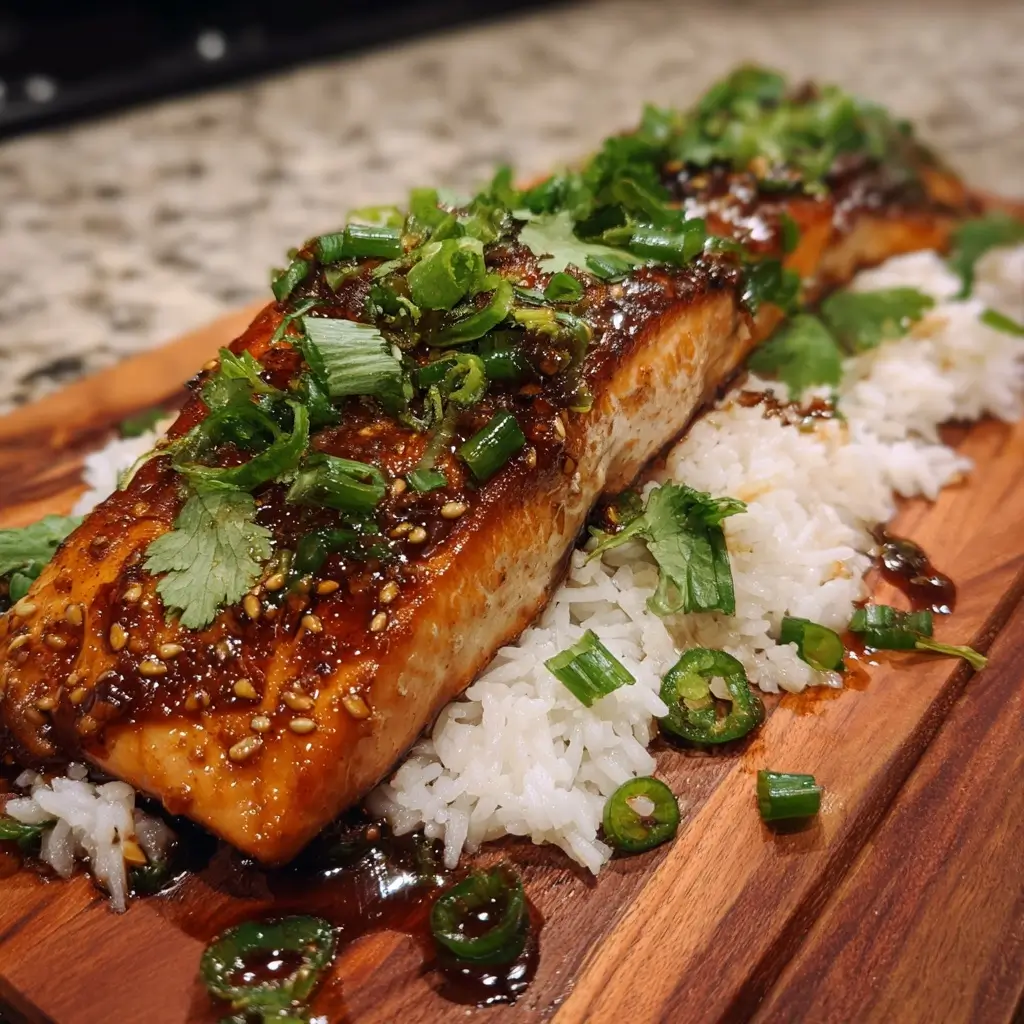
Honey Soy Glazed Salmon: A Flavorful, Healthy Delight
When it comes to combining rich umami flavors with tender, flaky fish, few dishes rival the elegance and simplicity of Honey Soy Glazed Salmon. This dish strikes the perfect balance between sweet and savory, making it a favorite among home cooks and gourmet chefs alike. Whether you’re preparing a weeknight dinner or hosting guests for a special occasion, honey soy glazed salmon delivers on taste, nutrition, and presentation.
The History of Honey Soy Glazed Salmon
The roots of honey soy glazed salmon lie in the fusion of Eastern and Western culinary traditions. While salmon has long been a staple in Nordic and Pacific Northwest diets, the use of soy sauce as a seasoning originates from East Asia—particularly China, Japan, and Korea—where fermented soy sauces have been used for thousands of years to enhance flavor. The combination of soy sauce with honey, however, reflects a more modern culinary innovation, particularly popularized in North America during the 20th century with the rise of Asian-inspired cuisine.
In the 1970s and 1980s, dishes that blended ingredients like soy sauce, honey, garlic, and ginger gained popularity in American households, often labeled under the broad term “Asian fusion.” Chefs began experimenting with glazes that married the saltiness of soy with the natural sweetness of honey, creating complex flavor profiles ideal for proteins like chicken, pork, and especially salmon. Over time, honey soy glazed salmon became a go-to recipe for its ease, quick preparation, and restaurant-quality results.
Today, this dish is celebrated not only for its delicious taste but also for its health benefits. Salmon is rich in omega-3 fatty acids, high-quality protein, and essential nutrients, while the glaze—when made with care—can be low in added sugars and free from artificial ingredients. As consumers increasingly seek nutritious yet flavorful meals, honey soy glazed salmon continues to shine as a modern classic.
Ingredients Breakdown
Every great recipe starts with quality ingredients. For honey soy glazed salmon, each component plays a vital role in building depth, texture, and harmony of flavor. Let’s examine them in detail:
- Salmon Fillets: Fresh or thawed wild-caught salmon is ideal. It tends to have a richer flavor and firmer texture than farmed salmon. Look for fillets with even thickness to ensure uniform cooking. Skin-on fillets are recommended as they help protect the flesh during cooking and can become delightfully crispy when pan-seared.
- Soy Sauce: Use low-sodium soy sauce to control salt levels. Traditional soy sauce provides the umami backbone of the glaze. For gluten-free options, tamari is an excellent substitute.
- Honey: Raw, unfiltered honey adds both sweetness and viscosity to the glaze. It also helps create that beautiful caramelized finish when heated. Avoid using artificial honey substitutes, as they lack the depth and floral notes of real honey.
- Fresh Garlic: Minced garlic brings aromatic intensity and pungency that mellows beautifully when cooked. Fresh is always better than powdered for maximum flavor impact.
- Fresh Ginger: Grated ginger contributes warmth and slight spiciness, enhancing the complexity of the glaze without overpowering other elements.
- Rice Vinegar: A splash of rice vinegar adds brightness and balances the richness of the salmon and sweetness of the honey. It also helps emulsify the glaze slightly.
- Green Onions (Scallions): Used both in the glaze and as garnish, green onions provide a fresh, mild onion flavor and vibrant color contrast.
- Sesame Oil: Just a teaspoon enhances the aroma with nutty undertones. Use toasted sesame oil for maximum fragrance.
- Red Pepper Flakes (optional): For those who enjoy a touch of heat, red pepper flakes add a subtle kick that complements the sweetness.
- Lemon Juice: Freshly squeezed lemon juice brightens the entire dish, cutting through the richness and elevating the overall flavor profile.
- Black Pepper: Freshly ground black pepper adds a gentle warmth and rounds out the seasoning.
Step-by-Step Recipe
Follow these detailed steps to achieve perfectly cooked honey soy glazed salmon every time:
- Prepare the Salmon: Start by patting the salmon fillets dry with paper towels. Moisture on the surface can prevent proper browning, so thorough drying is essential. Season lightly with salt and pepper on both sides. Let sit at room temperature for 10–15 minutes while you prepare the glaze.
- Make the Honey Soy Glaze: In a small bowl, whisk together:
- ¼ cup low-sodium soy sauce
- 3 tablespoons honey
- 1 tablespoon rice vinegar
- 1 tablespoon fresh lemon juice
- 1½ teaspoons toasted sesame oil
- 2 cloves garlic, finely minced
- 1 tablespoon fresh ginger, grated
- 2 green onions, thinly sliced (white and green parts separated)
- ¼ teaspoon red pepper flakes (optional)
- Freshly ground black pepper to taste
Whisk until fully combined and set aside.
- Preheat the Cooking Surface: Heat a large oven-safe skillet (preferably cast iron or non-stick) over medium-high heat. Add 1 tablespoon of neutral oil with a high smoke point, such as avocado or grapeseed oil.
- Sear the Salmon: Place the salmon fillets skin-side down in the hot skillet. Press gently with a spatula to ensure full contact. Sear undisturbed for 4–5 minutes, or until the skin is golden brown and crisp. This step locks in moisture and creates a beautiful crust.
- Flip and Glaze: Carefully flip the fillets using a wide spatula. Reduce the heat to medium, then immediately pour the glaze evenly over each fillet. Allow the glaze to bubble gently, coating the salmon as it reduces slightly.
- Bake (Optional for Thicker Cuts): If your fillets are thick (over 1 inch), transfer the skillet to a preheated oven at 375°F (190°C) and bake for 8–10 minutes, or until the internal temperature reaches 125–130°F (52–54°C) for medium doneness. The salmon will continue to cook slightly after removal due to carryover heat.
- Broil for Gloss (Optional): For an extra shiny, caramelized finish, switch the oven to broil for the final 1–2 minutes. Watch closely to avoid burning.
- Rest and Garnish: Remove from heat and let rest for 3–5 minutes. Spoon any remaining glaze from the pan over the top. Garnish with reserved green onion tops and a squeeze of fresh lemon if desired.
Tips for Perfect Honey Soy Glazed Salmon
- Don’t Overcook: Salmon is best when slightly translucent in the center. Overcooking leads to dry, tough fish. Aim for an internal temperature of 125–130°F; it will rise to 135°F as it rests.
- Use Room-Temperature Fish: Cold salmon straight from the fridge may cook unevenly. Letting it sit out briefly ensures even searing.
- Crispy Skin Secret: Ensure the pan is hot before adding the salmon, and do not move it once placed. This allows the skin to render fat and crisp up properly.
- Reduce the Glaze First (Optional Technique): For a thicker, more concentrated glaze, simmer the sauce mixture in a small saucepan for 3–4 minutes before applying it to the salmon.
- Basting Boost: Baste the salmon with the sizzling glaze using a spoon during cooking for deeper flavor infusion.
- Watch the Sugar: Honey can burn easily. Keep the heat moderate after adding the glaze and monitor closely, especially under the broiler.
- Even Thickness Matters: Ask your fishmonger for uniformly cut fillets or trim thicker ends slightly to promote even cooking.
Variations and Customizations
Honey soy glazed salmon is highly adaptable. Here are some creative twists to suit different tastes and dietary needs:
- Teriyaki Style: Add 1 teaspoon cornstarch to the glaze to thicken it into a glossy teriyaki sauce. Simmer until thickened before brushing onto the salmon.
- Pineapple Twist: Replace half the honey with pineapple juice for a tropical flair. Add a pinch of allspice for a Hawaiian-inspired taste.
- Orange-Ginger Variation: Substitute orange juice for lemon juice and increase ginger for a citrusy, zesty alternative.
- Spicy Sriracha Glaze: Mix in 1–2 teaspoons of sriracha or chili garlic sauce for a fiery kick.
- Maple-Soy Alternative: Swap honey with pure maple syrup for a vegan-friendly version with earthy sweetness.
- Coconut Aminos Option: For a soy-free, lower-sodium alternative, use coconut aminos instead of soy sauce. The flavor is milder and slightly sweeter.
- Grilled Version: Cook on a preheated grill over medium heat. Oil the grates well and glaze during the last few minutes to prevent flare-ups.
- Baked Sheet Pan Dinner: Arrange salmon on a sheet pan with vegetables (broccoli, bell peppers, carrots). Drizzle everything with the glaze and roast at 400°F (200°C) for 12–15 minutes.
- Meal Prep Friendly: Prepare the glaze in advance and store in an airtight container in the refrigerator for up to 1 week. Marinate salmon for 30 minutes before cooking for intensified flavor (do not exceed 1 hour to avoid texture changes).
Health Considerations and Nutritional Value
Honey soy glazed salmon isn’t just delicious—it’s also packed with nutrients that support heart, brain, and metabolic health.
Nutritional Highlights per 6 oz (170g) Serving (approximate):
- Calories: ~380 kcal
- Protein: ~34g (excellent source of complete protein)
- Fat: ~22g (mostly healthy unsaturated fats)
- Omega-3 Fatty Acids: ~2,500–3,000 mg (supports cardiovascular and cognitive function)
- Sodium: ~600–700mg (lower if using low-sodium soy sauce)
- Carbohydrates: ~12g (primarily from honey)
- Sugars: ~10g (natural sugars from honey)
Health Benefits:
- Heart Health: Omega-3 fatty acids in salmon reduce inflammation, lower triglycerides, and may decrease the risk of heart disease.
- Brain Function: DHA, a type of omega-3 found abundantly in salmon, supports brain development and may slow cognitive decline.
- Anti-Inflammatory Effects: The combination of omega-3s, antioxidants from honey, and phytonutrients in garlic and ginger can help combat chronic inflammation.
- Lean Protein Source: High-quality protein promotes muscle maintenance, satiety, and healthy metabolism.
- Balanced Glaze: When prepared mindfully, the glaze contributes minimal refined sugar and uses natural sweeteners and flavor enhancers.
Dietary Notes:
- Gluten-Free: Use tamari instead of soy sauce.
- Keto-Friendly (Modified): Reduce honey to 1 tablespoon and use a keto-approved sweetener like monk fruit syrup to lower carb content.
- Diabetic-Friendly (with caution): Monitor portion sizes and pair with fiber-rich sides like quinoa, roasted Brussels sprouts, or steamed broccoli to balance blood sugar response.
- Pescatarian Approved: Naturally fits within pescatarian diets.
- Allergens: Contains fish. Check labels on soy sauce and honey if cross-contamination is a concern.
Full Ingredient List
- 4 salmon fillets (about 6 oz each), skin-on preferred
- ¼ cup low-sodium soy sauce (or tamari for gluten-free)
- 3 tablespoons raw honey
- 1 tablespoon rice vinegar
- 1 tablespoon fresh lemon juice
- 1½ teaspoons toasted sesame oil
- 2 cloves garlic, minced
- 1 tablespoon fresh ginger, grated
- 4 green onions, thinly sliced (divided)
- ¼ teaspoon red pepper flakes (optional)
- Freshly ground black pepper, to taste
- 1 tablespoon avocado oil or other high-smoke-point oil
- Lemon wedges, for serving
Directions Recap
- Pat salmon fillets dry and season lightly with salt and pepper. Let sit at room temperature for 10–15 minutes.
- In a bowl, whisk together soy sauce, honey, rice vinegar, lemon juice, sesame oil, garlic, ginger, white parts of green onions, red pepper flakes, and black pepper.
- Heat oil in an oven-safe skillet over medium-high heat. Add salmon skin-side down and sear for 4–5 minutes until skin is crisp and golden.
- Flip salmon, reduce heat to medium, and pour glaze evenly over fillets.
- If needed, transfer skillet to a 375°F (190°C) oven and bake for 8–10 minutes until internal temperature reaches 125–130°F.
- For extra gloss, broil for 1–2 minutes (watch carefully).
- Remove from heat, rest for 3–5 minutes, spoon extra glaze over top, and garnish with green onion tops and lemon wedges.
- Serve immediately with preferred sides.
FAQ (Frequently Asked Questions)
Q: Can I use frozen salmon?
A: Yes, but thaw it completely in the refrigerator overnight before cooking. Pat dry thoroughly to avoid excess moisture.
Q: How do I know when salmon is done?
A: The flesh should flake easily with a fork and appear opaque. An instant-read thermometer inserted into the thickest part should read 125–130°F (medium-rare to medium).
Q: Can I make this recipe ahead of time?
A: The glaze can be made 2–3 days in advance. Cooked salmon is best served fresh but can be refrigerated and gently reheated (though texture may change slightly).
Q: Is honey soy glazed salmon safe to eat raw?
A: No. Always cook salmon to a safe internal temperature to avoid foodborne illness.
Q: Can I air fry this recipe?
A: Absolutely! Air fry at 370°F (188°C) for 8–10 minutes, flipping halfway and glazing in the last 2–3 minutes.
Q: What sides go well with honey soy glazed salmon?
A: Steamed jasmine rice, quinoa, roasted vegetables, stir-fried bok choy, sautéed asparagus, or a crisp cucumber salad.
Q: Can I double the recipe?
A: Yes, just ensure your skillet isn’t overcrowded. Cook in batches if necessary.
Q: Why did my glaze burn?
A: Honey and sugar caramelize quickly at high heat. Reduce heat after adding the glaze and avoid broiling too long.
Q: Can I use pre-minced garlic from a jar?
A: While convenient, fresh garlic offers superior flavor. If using jarred, reduce quantity slightly as it can be more potent.
Q: Is wild salmon better than farmed?
A: Wild salmon typically has less fat and fewer contaminants, with a more robust flavor. Farmed salmon is higher in omega-3s but may contain more saturated fat and environmental pollutants. Choose sustainably sourced options when possible.
Summary
Honey soy glazed salmon is a harmonious blend of sweet, salty, and umami flavors, delivering a restaurant-quality meal with simple home cooking techniques. Packed with heart-healthy omega-3s and versatile enough for countless variations, it’s a must-have recipe for any kitchen.