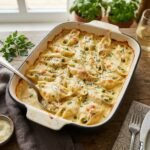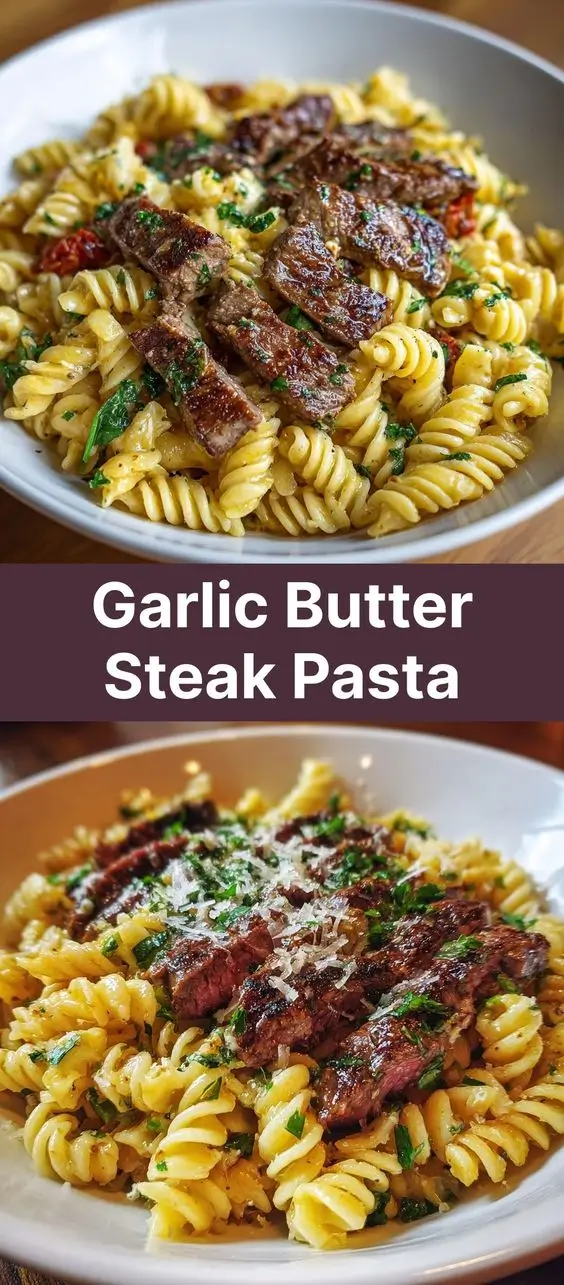
Garlic Butter Steak Pasta: A Rich and Flavorful Culinary Delight
Introduction
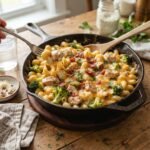
When comfort meets elegance on a plate, you get the irresistible Garlic Butter Steak Pasta. This dish is a luxurious fusion of savory steak, al dente pasta, and a rich, aromatic garlic butter sauce that coats every strand in velvety perfection. Whether you’re preparing a romantic dinner for two, hosting a dinner party, or simply treating yourself to a gourmet-style meal at home, this recipe delivers bold flavors, elegant presentation, and an indulgent dining experience.
Combining the succulent tenderness of seared steak with the comforting familiarity of buttery pasta, Garlic Butter Steak Pasta stands out as a modern classic. It’s a versatile dish that allows for creativity while remaining accessible to cooks of all levels. With its golden-brown crust, fragrant garlic aroma, and silky texture, this dish promises satisfaction in every bite.
The History
While there isn’t a single documented origin for Garlic Butter Steak Pasta, its roots lie in the culinary traditions of both Italian and French cuisines—two cultures renowned for their mastery of butter, garlic, and high-quality meats. The use of garlic and butter as a flavor base dates back centuries in European cooking, particularly in dishes like steak au poivre and spaghetti aglio e olio.
Italian cuisine has long celebrated simple ingredients elevated through technique, such as olive oil, garlic, and fresh herbs tossed with pasta. Meanwhile, French bistro culture popularized pan-seared steaks served with compound butters and rich sauces. Garlic Butter Steak Pasta is essentially a harmonious marriage of these two worlds—a hearty pasta dish enhanced by steakhouse-quality elements.
In modern times, food bloggers, celebrity chefs, and home cooks have reimagined this concept, blending it into what we now know as Garlic Butter Steak Pasta. Its rise in popularity over the past decade can be attributed to social media platforms like Instagram and TikTok, where visually stunning, creamy, butter-drenched dishes go viral almost overnight. Today, it’s a staple in many upscale casual restaurants and kitchen tables around the world.
Ingredients Breakdown
The magic of Garlic Butter Steak Pasta lies not only in how the ingredients are prepared but also in the quality and synergy of each component. Here’s a detailed look at what goes into making this decadent dish:
- Steak (Ribeye, Sirloin, or Filet Mignon): Choose well-marbled cuts for maximum juiciness and flavor. Ribeye offers rich fat content, sirloin provides a leaner yet still flavorful option, and filet mignon delivers unmatched tenderness.
- Pasta (Fettuccine, Pappardelle, or Linguine): Wide, flat noodles hold the thick garlic butter sauce exceptionally well. Fettuccine is traditional, but pappardelle adds extra surface area for clinging sauce.
- Unsalted Butter: High-fat European-style butter enhances richness and prevents oversalting. It forms the base of the sauce and contributes to a smooth mouthfeel.
- Fresh Garlic: Minced or thinly sliced, fresh garlic brings pungency and depth. Avoid pre-minced jarred garlic when possible for superior taste.
- Olive Oil: Used for searing steak without burning, it complements the butter and adds a subtle fruitiness.
- Heavy Cream or Crème Fraîche (optional): Adds silkiness and balances acidity if wine is used. Creates a more luxurious sauce texture.
- Dry White Wine (e.g., Sauvignon Blanc or Pinot Grigio): Deglazes the pan and lifts browned bits (fond), adding complexity and brightness to the sauce.
- Fresh Herbs (Parsley, Thyme, Rosemary): Parsley adds freshness; thyme and rosemary contribute earthy notes. Use sparingly to avoid overpowering.
- Grated Parmesan Cheese: Salty, umami-rich cheese that melts beautifully into the warm pasta, enhancing savoriness.
- Salt and Freshly Ground Black Pepper: Essential seasonings applied at multiple stages to layer flavor.
- Red Pepper Flakes (optional): For a touch of heat—ideal for those who enjoy a spicy kick.
- Lemon Zest or Juice (optional): Brightens the dish and cuts through the richness of butter and meat.
Step-by-Step Recipe
Follow this comprehensive guide to create a restaurant-worthy Garlic Butter Steak Pasta from scratch.
Ingredients
- 1 lb (450g) ribeye or sirloin steak
- 8 oz (225g) fettuccine or pappardelle
- 4 tbsp unsalted butter, divided
- 2 tbsp olive oil, divided
- 6 cloves garlic, minced
- 1/2 cup dry white wine (optional)
- 1/2 cup heavy cream (optional)
- 1/2 cup grated Parmesan cheese
- 1/4 cup fresh parsley, chopped
- 1 tsp fresh thyme leaves
- 1/2 tsp red pepper flakes (optional)
- Salt and freshly ground black pepper to taste
- Zest of 1/2 lemon (optional)
Directions
- Prepare the Steak: Pat the steak dry with paper towels—this ensures a good sear. Season generously on both sides with salt and pepper. Let sit at room temperature for 20–30 minutes before cooking.
- Cook the Pasta: Bring a large pot of salted water to a boil. Add pasta and cook until al dente according to package instructions (usually 9–11 minutes). Reserve 1 cup of pasta water before draining. Toss cooked pasta with a drizzle of olive oil to prevent sticking and set aside.
- Sear the Steak: Heat 1 tablespoon olive oil in a large skillet over medium-high heat. Once shimmering, add the steak. Sear for 3–4 minutes per side for medium-rare (adjust based on thickness and desired doneness). Transfer to a cutting board, tent loosely with foil, and let rest for 10 minutes. This allows juices to redistribute.
- Make the Garlic Butter Sauce: In the same skillet (do not clean), reduce heat to medium. Add 2 tablespoons butter and melt. Stir in minced garlic and sauté for 30–60 seconds until fragrant but not browned. If using, add red pepper flakes now.
- Deglaze the Pan: Pour in white wine carefully—it will sizzle. Scrape up any browned bits from the bottom of the pan using a wooden spoon. Simmer for 2–3 minutes until reduced by half.
- Add Cream (if using): Stir in heavy cream and bring to a gentle simmer. Cook for another 2–3 minutes until slightly thickened.
- Incorporate Pasta: Add drained pasta to the sauce. Toss thoroughly to coat, adding reserved pasta water 1–2 tablespoons at a time to achieve a silky consistency.
- Add Cheese and Herbs: Remove from heat. Stir in Parmesan cheese, 1 tablespoon butter, chopped parsley, and thyme. Adjust seasoning with salt and pepper.
- Slice the Steak: After resting, slice the steak thinly against the grain into strips. This ensures tenderness.
- Combine and Serve: Gently fold steak slices into the pasta or arrange them neatly on top. Finish with a sprinkle of extra Parmesan, a grind of black pepper, and optional lemon zest for brightness.
Tips
- Rest Your Steak: Never skip resting the steak after searing. Cutting too soon releases precious juices, resulting in dry meat.
- Use a Meat Thermometer: For perfect doneness: 130°F (54°C) for medium-rare, 140°F (60°C) for medium, 150°F (65°C) for medium-well.
- Don’t Overcook Garlic: Burnt garlic turns bitter. Keep the heat moderate and monitor closely.
- Salt Water Like the Sea: Properly salting pasta water enhances flavor from within the noodle itself.
- Reserve Pasta Water: The starchy liquid helps emulsify the sauce and improves adhesion to pasta.
- Work Quickly: Have all ingredients prepped (mise en place) since the cooking process moves fast.
- Butter Quality Matters: Use high-fat, cultured butter for a richer, more complex flavor profile.
- Keep Pasta Moving: When combining with sauce, keep tossing to distribute heat and prevent clumping.
Variations and Customizations
One of the greatest strengths of Garlic Butter Steak Pasta is its adaptability. Here are some creative twists to personalize your dish:
- Mushroom Addition: Sauté sliced cremini or wild mushrooms in butter before adding garlic for an earthy umami boost.
- Creamy Spinach Version: Wilt fresh spinach into the sauce just before combining with pasta for added color and nutrients.
- Seafood Twist: Replace steak with seared scallops or shrimp for a surf-and-turf or coastal-inspired variation.
- Dairy-Free Option: Use vegan butter, nutritional yeast instead of Parmesan, and coconut cream instead of dairy cream.
- Gluten-Free Adaptation: Use gluten-free pasta (such as brown rice or corn-based) and ensure all other ingredients are GF-certified.
- Herb Variations: Swap parsley for basil in summer for a fresher note, or add tarragon for a subtle anise-like flavor.
- Wine-Free Sauce: Substitute wine with low-sodium beef broth or mushroom stock for deglazing.
- Spicy Kick: Increase red pepper flakes or add a dash of hot sauce like Sriracha for heat lovers.
- Truffle Infusion: Drizzle truffle oil over the finished dish or stir in a small amount of truffle butter for gourmet flair.
- Carbonara-Inspired: Temper beaten egg yolks with hot pasta and sauce, then finish with pecorino Romano for a carbonara-style twist.
Health Considerations and Nutritional Value
Garlic Butter Steak Pasta is undeniably rich, but with mindful adjustments, it can fit into a balanced diet. Below is an approximate nutritional breakdown per serving (assuming 4 servings):
| Nutrient | Amount per Serving |
|---|---|
| Calories | 680–750 kcal |
| Protein | 38–42g |
| Total Fat | 35–40g |
| Saturated Fat | 18–22g |
| Carbohydrates | 50–55g |
| Dietary Fiber | 3–4g |
| Sugars | 2–3g |
| Sodium | 600–900mg (varies with cheese and seasoning) |
Health Tips:
- Portion Control: Serve with a generous side salad to increase volume without excess calories.
- Leaner Cuts: Opt for sirloin or flank steak to reduce saturated fat content.
- Less Butter, More Flavor: Reduce butter by half and use olive oil as the primary fat, relying on garlic, herbs, and cheese for flavor.
- Whole Grain Pasta: Substitute regular pasta with whole wheat or legume-based varieties for increased fiber and protein.
- Limit Cheese: Use a smaller amount of aged Parmesan, which has stronger flavor, so less is needed.
- Boost Veggies: Add roasted bell peppers, zucchini ribbons, or sun-dried tomatoes to increase micronutrients and antioxidants.
- Heart-Healthy Swaps: Include omega-3-rich ingredients like grilled salmon or walnuts in modified versions.
Note: Individuals with lactose intolerance, cardiovascular concerns, or those managing cholesterol should consume this dish in moderation and consider lighter adaptations.
FAQ
Q: Can I make Garlic Butter Steak Pasta ahead of time?
A: While best served fresh, you can prep components in advance. Cook the steak and slice it, refrigerate for up to 2 days. Reheat gently in butter. Cook pasta just before serving to maintain texture.
Q: What cut of steak is best for this dish?
A: Ribeye, strip steak, and filet mignon are ideal due to their tenderness and marbling. Flank or skirt steak works well if sliced thinly and marinated briefly.
Q: Can I freeze leftovers?
A: Yes, though pasta may soften upon reheating. Store in an airtight container for up to 2 months. Reheat slowly on the stove with a splash of broth or cream.
Q: Why did my sauce break or separate?
A: High heat or cold ingredients added too quickly can cause emulsion failure. Always remove from direct heat when adding dairy and incorporate gradually while stirring.
Q: Is it necessary to use wine?
A: No. Substitute with chicken or beef broth, mushroom stock, or even tomato juice for depth. Wine adds acidity and complexity but isn’t essential.
Q: How do I store and reheat leftovers?
A: Store in the refrigerator for up to 3–4 days. Reheat in a skillet over low heat with a few drops of water or broth to revive moisture.
Q: Can I make this dish creamy without heavy cream?
A: Yes. Try blending in ricotta, mascarpone, Greek yogurt (add off-heat), or pureed cauliflower for a lighter, creamy texture.
Summary
Garlic Butter Steak Pasta is a luxurious, flavor-packed dish that combines tender seared steak with silky pasta in a rich, garlicky butter sauce—perfect for special dinners or elevating weeknight meals. With endless customization options and tips for healthier adaptations, it’s a timeless favorite that satisfies both the palate and the soul.