Introduction
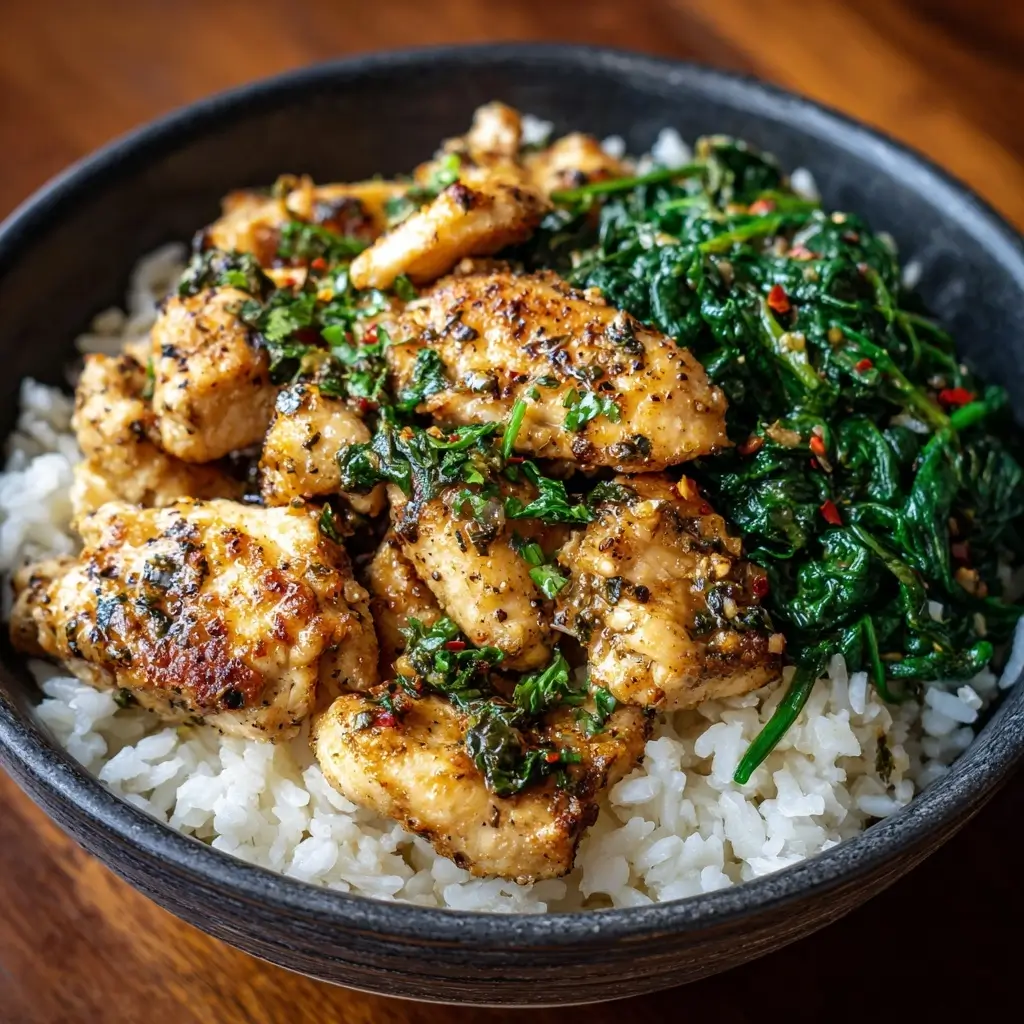
Garlic Butter Chicken with Spinach is a restaurant-worthy, weeknight-friendly dish that marries tender, pan-seared chicken breasts with rich, aromatic garlic butter sauce and vibrant, nutrient-dense baby spinach. Elegant yet effortless, this meal comes together in under 30 minutes using simple pantry staples and fresh ingredients—no complicated techniques or hard-to-find components required. Its irresistible aroma—warm garlic sizzling in golden butter, mingling with the earthy sweetness of caramelized shallots and the subtle bitterness of wilted spinach—immediately transforms any ordinary dinner into something special. Whether you’re cooking for a romantic date night, feeding a busy family, or meal prepping for the week ahead, this recipe delivers consistent flavor, satisfying texture, and visual appeal—all while remaining deeply comforting and nourishing.
The History
While no single documented origin exists for “Garlic Butter Chicken with Spinach,” its roots trace back to a confluence of culinary traditions spanning centuries and continents. Garlic butter—a foundational compound in French cuisine known as beurre à la bourguignonne or beurre maître d’hôtel—has been used since at least the 17th century to finish steaks, fish, and roasted vegetables. In mid-20th-century American home cooking, the rise of convenience foods and the popularity of “continental” flavors led to the fusion of European sauces with accessible proteins like chicken breast. Meanwhile, spinach—celebrated since ancient Persia and later championed by 19th-century French chefs like Escoffier for its versatility—became a natural companion due to its quick-wilting nature and ability to absorb rich, savory sauces without overpowering them. The modern iteration gained widespread traction in the 2010s via food blogs and social media, where its photogenic golden-brown chicken, glossy emulsified sauce, and vivid green spinach made it a viral favorite—symbolizing the broader shift toward “elevated simplicity”: dishes that look gourmet but require minimal skill, time, or equipment.
Ingredients Breakdown
Every ingredient in this dish plays a deliberate role—not just for flavor, but for function, texture, and balance:
- Chicken Breasts (boneless, skinless): Served as the protein anchor, they provide lean, mild-flavored meat that readily absorbs seasoning and sauce. Opting for uniform thickness ensures even cooking; pounding helps prevent dryness and promotes rapid searing.
- Unsalted Butter: Used both for searing (at medium heat) and finishing (added cold at the end), it contributes luxurious mouthfeel, nutty depth, and emulsifying power. Unsalted butter allows precise sodium control.
- Fresh Garlic: Minced or finely grated, it releases allicin—the pungent, health-promoting compound responsible for garlic’s signature aroma and antimicrobial properties. Cooking it gently in butter mellows sharpness while deepening sweetness.
- Shallots (optional but highly recommended): A milder, sweeter allium cousin to onions, shallots add nuanced complexity and help build the sauce’s aromatic base without overwhelming bitterness.
- Dry White Wine (e.g., Sauvignon Blanc or Pinot Grigio): Deglazes the pan, lifting flavorful browned bits (fond), adding brightness and acidity to cut through richness, and contributing subtle fruitiness. Substitute with low-sodium chicken broth if avoiding alcohol—but note the flavor dimension shifts slightly.
- Fresh Lemon Juice: Added off-heat, it provides essential acidity to brighten the sauce, balance butterfat, enhance garlic notes, and preserve the vibrant green color of the spinach.
- Baby Spinach: Chosen for its delicate texture, mild flavor, and rapid wilting time—unlike mature spinach, it doesn’t require pre-cooking or squeezing. Rich in iron, folate, vitamin K, and antioxidants like lutein and beta-carotene, it adds nutrition without compromising speed.
- Heavy Cream or Half-and-Half (optional): A small splash lends silkiness and body to the sauce, helping it cling to the chicken and spinach. Omit for a lighter, more rustic version—or substitute with coconut milk for dairy-free richness.
- Herbs (fresh parsley, thyme, or oregano): Parsley adds freshness and visual pop; thyme contributes earthy warmth; oregano offers Mediterranean flair. Always added at the end to preserve volatile oils and aroma.
- Seasonings (kosher salt, freshly ground black pepper, smoked paprika or red pepper flakes): Salt enhances every other flavor; pepper adds gentle heat and complexity; smoked paprika introduces subtle smokiness and color; red pepper flakes offer customizable spice.
Step-by-Step Recipe
- Prep the Chicken: Place two 6–8 oz boneless, skinless chicken breasts between sheets of parchment or plastic wrap. Gently pound with a meat mallet or heavy skillet until uniformly ½-inch thick. Pat *very* dry with paper towels—this is critical for achieving a golden crust. Season both sides generously with kosher salt, black pepper, and a pinch of smoked paprika.
- Heat the Pan: Heat a large stainless steel or cast-iron skillet over medium-high heat for 2 minutes. Add 1 tbsp high-smoke-point oil (avocado, grapeseed, or light olive oil). Swirl to coat. When oil shimmers slightly (not smoking), carefully place chicken in the pan without crowding. Cook undisturbed for 5–6 minutes, until deeply golden and easily releases from the pan. Flip and cook another 4–5 minutes until internal temperature reaches 165°F (74°C) when checked with an instant-read thermometer at the thickest part. Transfer to a clean plate, tent loosely with foil, and rest for 5 minutes—this allows juices to redistribute.
- Build the Aromatic Base: Reduce heat to medium. In the same skillet, melt 2 tbsp unsalted butter. Add 2 finely minced shallots (or ½ small yellow onion) and sauté for 2 minutes until translucent. Stir in 4–5 cloves fresh garlic (minced or grated) and cook 60–90 seconds—just until fragrant and softened, *not browned*, to avoid bitterness.
- Deglaze and Simmer: Carefully pour in ¼ cup dry white wine (or low-sodium chicken broth), scraping vigorously with a wooden spoon to lift all browned bits from the pan bottom. Let simmer 2–3 minutes until reduced by half and slightly syrupy.
- Emulsify the Sauce: Reduce heat to low. Whisk in 2 more tbsp cold unsalted butter, one tablespoon at a time, allowing each to fully incorporate before adding the next. For extra richness, stir in 1–2 tbsp heavy cream or half-and-half. Simmer gently for 1 minute—do not boil vigorously, or the sauce may separate.
- Wilt the Spinach: Increase heat to medium. Add 5–6 oz fresh baby spinach in batches, stirring constantly. It will rapidly shrink—about 60–90 seconds total. Do not overcook; spinach should be vibrant green and just tender, not mushy.
- Finish and Combine: Remove pan from heat. Stir in 1 tbsp fresh lemon juice, 2 tbsp chopped fresh parsley, and a final pinch of flaky sea salt and black pepper. Return rested chicken to the pan, spooning sauce and spinach over the top. Let sit 1–2 minutes to warm through. Garnish with extra parsley, lemon zest, or a drizzle of high-quality olive oil.
Tips
- Dry Chicken Is Key: Moisture on the surface prevents browning—pat chicken *thoroughly* before seasoning and searing.
- Don’t Skip the Rest: Cutting into hot chicken releases precious juices. Resting ensures tenderness and succulence.
- Control Garlic Heat: Garlic burns quickly. Keep heat at medium or lower during the sauté step—and stir constantly.
- Use Cold Butter for Emulsification: Adding cold, cubed butter off-heat or on very low heat helps create a stable, velvety emulsion instead of greasy separation.
- Spinach Timing Matters: Add it *after* the sauce is built—adding it too early draws out water and dilutes flavor. Wilt it fast and serve immediately.
- Acid Last, Always: Lemon juice or vinegar added at the end preserves brightness and prevents dulling of herbal notes.
- Skillet Choice Impacts Results: Stainless steel gives superior fond for deglazing; cast iron retains heat well for consistent searing; nonstick avoids sticking but yields less fond—compensate with extra shallots or a splash of broth.
- Thermometer Confidence: An instant-read thermometer eliminates guesswork—chicken is safe at 165°F, but carryover cooking means pulling at 160°F is ideal.
- Sauce Consistency Fixes: Too thin? Simmer 30 seconds longer. Too thick? Whisk in 1 tsp warm broth or lemon juice. Separated? Whisk vigorously off-heat or blend briefly with an immersion blender.
- Leftovers Reinvent Easily: Shred leftover chicken and toss with cooked pasta, extra spinach, and a splash of sauce for a creamy primavera. Or fold into omelets, grain bowls, or quesadillas.
Variations and Customizations
This recipe is wonderfully adaptable to dietary preferences, seasonal produce, global flavors, and pantry constraints:
- Dairy-Free/Vegan Option: Replace butter with vegan butter or refined coconut oil; use unsweetened plain almond or cashew milk instead of cream; swap chicken for pan-seared marinated tofu or chickpeas; ensure wine is vegan-certified.
- Gluten-Free Friendly: Naturally GF—just verify wine and broth labels for hidden gluten (rare but possible in flavored broths).
- Keto/Low-Carb Adaptation: Already compliant! Serve as-is or over cauliflower rice, zucchini noodles, or roasted radishes. Avoid starchy sides like potatoes or bread unless tracking macros intentionally.
- Mediterranean Twist: Add ¼ cup halved cherry tomatoes, 1 tsp dried oregano, crumbled feta cheese, and kalamata olives just before serving.
- Asian-Inspired Version: Swap garlic butter for ginger-sesame sauce: use toasted sesame oil, minced fresh ginger and scallions, tamari instead of salt, rice vinegar instead of lemon, and finish with sesame seeds and cilantro.
- Creamy Mushroom Variation: Sauté 8 oz sliced cremini or shiitake mushrooms with shallots before adding garlic. Deglaze with sherry instead of white wine for deeper umami.
- Spicy Arrabbiata Style: Add ½ tsp crushed red pepper flakes with garlic; stir in 2 tbsp tomato paste after deglazing and cook 1 minute before adding liquid.
- Herb-Forward Garden Edition: Double the fresh herbs—add basil, chives, and tarragon alongside parsley; garnish with edible flowers like pansies or nasturtiums.
- One-Pan Sheet Bake: Arrange pounded chicken on a parchment-lined sheet pan; scatter garlic, shallots, and spinach around it; drizzle with melted butter, lemon, and herbs; roast at 425°F for 18–22 minutes until chicken is cooked and spinach is crisp-tender.
- Meal Prep-Friendly Batch: Double the sauce base (garlic, shallots, wine reduction, butter) and store separately; cook chicken fresh each day and combine with warmed sauce and raw spinach (wilted in the pan just before serving).
Health Considerations and Nutritional Value
Garlic Butter Chicken with Spinach is not only delicious—it’s nutritionally intelligent. A standard serving (one 6-oz chicken breast + 2 cups spinach + full sauce) provides approximately 420–480 calories, with a balanced macronutrient profile: ~38g protein (supporting muscle maintenance and satiety), ~28g healthy fats (primarily from unsaturated fats in butter and olive oil, plus fat-soluble vitamins), and ~8g carbohydrates (mostly from spinach’s fiber and natural sugars). Notably, it delivers exceptional micronutrient density:
- Vitamin K (700% DV): Crucial for blood clotting and bone mineralization—spinach is among the richest dietary sources.
- Folate (65% DV): Essential for DNA synthesis and cell repair—especially important during pregnancy and for cardiovascular health.
- Vitamin A (130% DV as beta-carotene): Supports immune function, vision, and skin health—enhanced by dietary fat for optimal absorption.
- Iron (25% DV, non-heme): Plant-based iron from spinach is better absorbed when paired with vitamin C—hence the lemon juice.
- Allicin & Selenium: Garlic contains allicin (anti-inflammatory, antimicrobial), while chicken provides selenium (a potent antioxidant supporting thyroid function).
Considerations for Specific Diets:
- Heart Health: While butter is included, research increasingly supports moderate saturated fat intake within a whole-foods context. Using grass-fed butter adds CLA (conjugated linoleic acid), and pairing with garlic and spinach provides synergistic cardiovascular benefits.
- Low-Sodium Needs: Rely on herbs, lemon, garlic, and spices instead of salt; choose no-salt-added broth and unsalted butter; rinse canned ingredients thoroughly.
- Weight Management: High protein and fiber promote fullness; portion control is simplified by the naturally filling nature of the dish—no need for oversized starches.
- Digestive Sensitivity: For those with IBS or FODMAP concerns, reduce garlic/shallots (use garlic-infused oil instead) and opt for spinach in smaller servings (½ cup), as larger amounts may trigger symptoms in sensitive individuals.
Ingredients
- 2 (6–8 oz) boneless, skinless chicken breasts, pounded to ½-inch thickness
- 1½ tsp kosher salt, divided
- 1 tsp freshly ground black pepper, divided
- ¼ tsp smoked paprika (optional)
- 2 tbsp high-smoke-point oil (avocado, grapeseed, or light olive oil)
- 4 tbsp unsalted butter, divided (2 tbsp for sautéing, 2 tbsp cold for finishing)
- 2 shallots, finely minced (or ½ small yellow onion)
- 4–5 garlic cloves, finely minced or grated
- ¼ cup dry white wine (e.g., Sauvignon Blanc, Pinot Grigio) — or low-sodium chicken broth
- 1–2 tbsp heavy cream or half-and-half (optional, for richness)
- 5–6 oz fresh baby spinach (about 6 loosely packed cups)
- 1 tbsp fresh lemon juice (plus zest for garnish)
- 2 tbsp fresh flat-leaf parsley, finely chopped
- Flaky sea salt (for finishing)
- Lemon wedges and extra parsley, for serving
Directions
- Prepare chicken: Between parchment or plastic wrap, gently pound chicken to even ½-inch thickness. Pat *extremely* dry with paper towels. Season both sides with 1 tsp kosher salt, ½ tsp black pepper, and smoked paprika.
- Heat 2 tbsp oil in a large skillet over medium-high heat until shimmering. Add chicken; cook 5–6 minutes per side until golden and internal temp reaches 165°F. Transfer to plate; tent with foil. Rest 5 minutes.
- Reduce heat to medium. Melt 2 tbsp butter. Add shallots; sauté 2 minutes until soft. Add garlic; cook 60–90 seconds until fragrant.
- Pour in wine (or broth); scrape pan vigorously. Simmer 2–3 minutes until reduced by half.
- Reduce heat to low. Whisk in remaining 2 tbsp cold butter, one cube at a time, until fully emulsified. Stir in cream (if using); simmer 1 minute.
- Increase heat to medium. Add spinach in batches, stirring constantly, until just wilted (60–90 sec).
- Remove from heat. Stir in lemon juice, parsley, remaining ½ tsp salt, and ½ tsp pepper. Return chicken to pan, spooning sauce over top. Let sit 1–2 minutes.
- Garnish with lemon zest, flaky salt, extra parsley, and lemon wedges. Serve immediately.
FAQ
- Can I use chicken thighs instead of breasts?
- Absolutely—and often preferred for their richer flavor and forgiving texture. Use boneless, skinless thighs (about 4–5 oz each). Adjust cooking time: sear 6–7 minutes per side, until internal temp reaches 175°F. Thighs benefit from slightly longer resting (7–10 minutes) to maximize juiciness.
- Why does my sauce break or look greasy?
- Sauces separate when butter is added too hot or too quickly, or when boiled after emulsification. Fix it by removing from heat, whisking vigorously, or blending with an immersion blender. Next time, add cold butter slowly on low heat—and never return to a rolling boil after finishing.
- Can I make this ahead of time?
- The sauce base (shallots, garlic, wine reduction) can be made up to 2 days ahead and refrigerated. Reheat gently, then whisk in cold butter and fresh lemon/spinach just before serving. Chicken is best cooked fresh for optimal texture—but prepped chicken can be refrigerated up to 24 hours before cooking.
- Is frozen spinach okay to use?
- Fresh is strongly recommended—frozen spinach releases excess water, diluting the sauce and creating a soggy texture. If necessary, thaw completely, squeeze *aggressively* in a clean towel to remove every drop of moisture, and add at the very end—just to warm through.
- What sides pair best with this dish?
- Its richness pairs beautifully with neutral, textural contrasts: creamy mashed cauliflower, lemon-herb quinoa, roasted sweet potatoes, crusty whole-grain bread for sopping, or a crisp arugula salad with shaved Parmesan and balsamic.
- Can I freeze leftovers?
- Yes—with caveats. Freeze *without* the spinach (which turns mushy upon thawing). Portion cooked chicken and sauce separately in airtight containers. Thaw overnight in fridge; reheat gently on stove, then stir in *fresh* spinach to wilt just before serving.
- How do I keep the chicken from drying out?
- Pounding ensures even thickness; thorough drying guarantees crust formation; accurate internal temp (165°F) prevents overcooking; and resting locks in juices. Brining for 15–30 minutes in ¼ cup water + 1 tsp salt also boosts moisture retention significantly.
- What’s the best wine to cook with?
- Choose a wine you’d happily drink—a dry, acidic white like Sauvignon Blanc, Pinot Grigio, or unoaked Chardonnay. Avoid “cooking wine” (loaded with salt and preservatives) or sweet wines, which can caramelize unpleasantly or clash with savory notes.
- Can I cook this entirely on the stovetop without a thermometer?
- Yes—but rely on visual/tactile cues: chicken should feel firm yet springy (not rock-hard) when pressed, and juices should run completely clear—not faintly pink—when pierced with a knife at the thickest part.
- Is this suitable for kids?
- Very much so! Mild garlic flavor, tender chicken, and subtly sweet spinach make it kid-friendly. For picky eaters, reduce garlic to 2 cloves, omit paprika/red pepper, and serve with a side of honey-mustard dip or whole-grain toast strips for dipping.
Summary
Garlic Butter Chicken with Spinach is a masterclass in simple elegance—melding golden, juicy chicken, a luxuriously herb-flecked garlic butter sauce, and tender-crisp spinach into a cohesive, restaurant-caliber dish ready in under 30 minutes.
Nutritionally robust, endlessly customizable, and deeply satisfying, it proves that wholesome, flavorful, and fast cooking aren’t mutually exclusive—they’re the foundation of joyful, sustainable home cooking.