Introduction
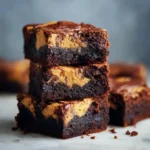
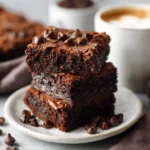
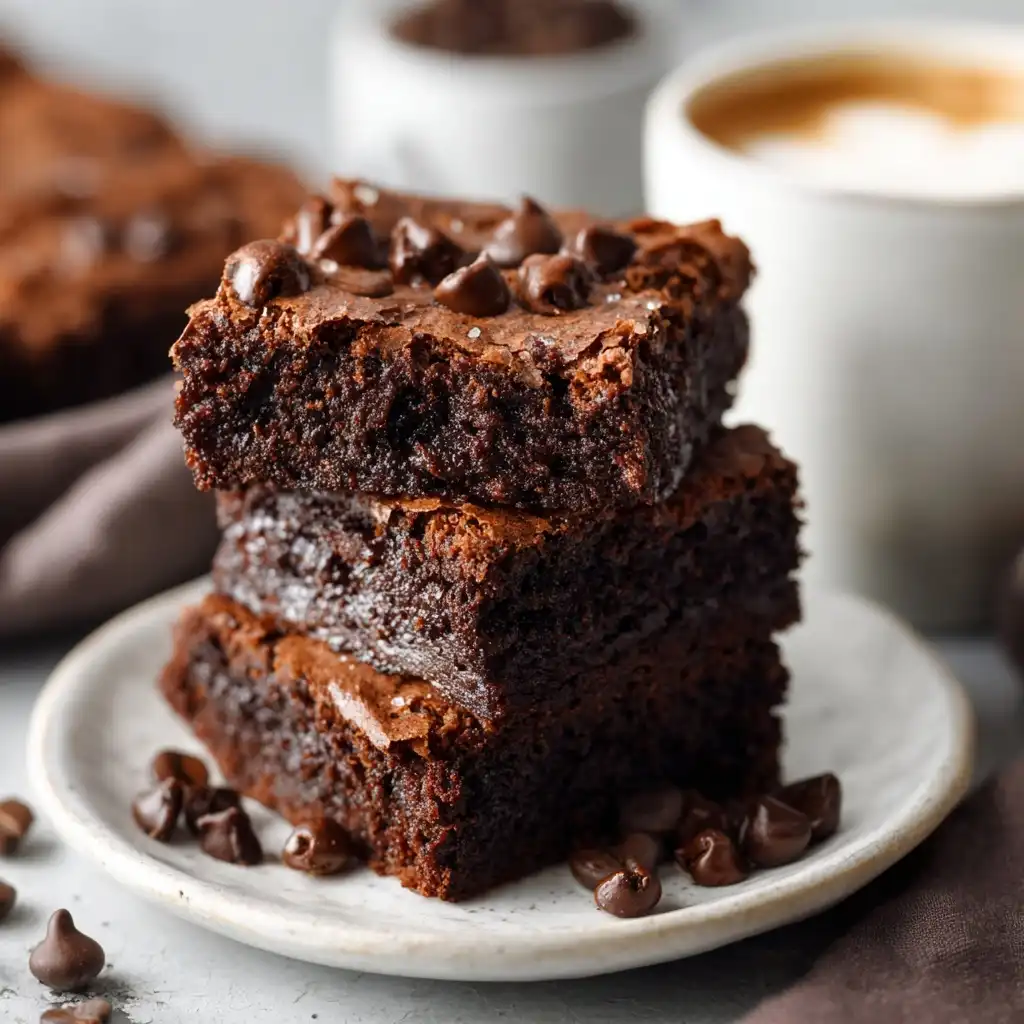
Espresso Chocolate Chip Brownies are the ultimate fusion of rich, fudgy decadence and bold, aromatic coffee intensity—elevating the classic brownie into a sophisticated, deeply satisfying dessert experience. More than just a sweet treat, they strike a masterful balance between bittersweet chocolate’s velvety depth and espresso’s earthy, slightly floral notes, resulting in a complex flavor profile that lingers long after the last bite. Whether served warm with a scoop of vanilla bean ice cream, enjoyed alongside an afternoon pour-over, or gifted in a festive tin for holidays and gatherings, these brownies embody indulgence with intention—crafted for those who appreciate both craftsmanship and comfort in every square.
The History
The evolution of the brownie traces back to the late 19th century in the United States, with early iterations appearing in cookbooks like the 1896 Boston Cooking-School Cook Book by Fannie Farmer—though those were more akin to molasses-based “brownie cakes” than today’s dense, chewy confections. The modern fudgy brownie emerged around the 1900s, popularized by Chicago’s Palmer House Hotel, which reportedly created a walnut-studded, jelly-filled version for the World’s Columbian Exposition in 1893. Espresso’s integration into brownies is a more recent innovation, gaining momentum in the 1990s and early 2000s alongside the third-wave coffee movement. As artisanal roasters and specialty cafés emphasized nuanced single-origin beans and precise extraction methods, home bakers and professional pastry chefs alike began experimenting with finely ground espresso powder—not as a caffeine booster, but as a flavor amplifier. Its concentrated, roasted character enhances chocolate’s natural cocoa notes without adding bitterness, acting much like a culinary “umami” catalyst. Today, Espresso Chocolate Chip Brownies represent a cultural convergence: the nostalgic warmth of American baking tradition meeting the global sophistication of Italian espresso culture—and they’ve become a mainstay on bakery menus from Brooklyn to Berlin.
Ingredients Breakdown
Every ingredient in this recipe plays a deliberate, functional role—no filler, no afterthoughts. Understanding *why* each component is included empowers you to adapt, troubleshoot, and perfect your batch:
- Unsalted Butter (1 cup / 227g): Provides richness, moisture, and flakiness in the crust layer (if using the optional “crust-and-center” method). Clarified or browned butter can be substituted for deeper nuttiness—but standard unsalted ensures consistent melt-and-mix behavior.
- Granulated Sugar (1 ¼ cups / 250g): Not only sweetens but contributes to the signature shiny, crackly top through sugar bloom during baking. A portion can be replaced with light brown sugar (up to ½ cup) for added moisture and subtle molasses complexity.
- Dark Chocolate (70–72% cacao, 8 oz / 227g): The backbone of flavor and texture. High-cocoa chocolate delivers intense bitterness to offset sweetness and binds the batter via its cocoa butter content. Avoid “chocolate chips” here—they contain stabilizers that inhibit proper melting and emulsification.
- Unsweetened Natural Cocoa Powder (⅓ cup / 30g): Adds depth, color, and tannic structure. Natural (not Dutch-processed) cocoa reacts with baking soda for lift and contributes bright acidity that balances fat and sugar.
- Freshly Brewed Espresso (2 tbsp, cooled) OR Pure Espresso Powder (1 ½ tsp): The soul of the recipe. Real espresso adds liquid volume and nuanced fruit-forward notes; instant espresso powder offers convenience and maximum concentration. Never substitute regular brewed coffee—it’s too dilute and acidic. For best results, use a dark-roast, low-acid espresso blend (e.g., Italian-style or Brazilian Santos).
- Eggs (3 large, room temperature): Act as emulsifiers and leaveners. Room temperature ensures uniform incorporation and prevents seizing when mixed with warm chocolate-butter. Extra yolks (add 1–2 more) yield extra fudginess; extra whites increase chew.
- All-Purpose Flour (⅔ cup / 85g): Provides essential gluten structure—but only *just enough*. Too much yields cakey, dry brownies; too little causes structural collapse. Sift before measuring to avoid compaction.
- Baking Soda (¼ tsp): Reacts with the natural cocoa’s acidity to gently lift the batter while enhancing browning and aroma development. Omitting it won’t cause failure—but reduces complexity and surface sheen.
- Fine Sea Salt (¾ tsp): Critical for flavor modulation. It suppresses excessive sweetness, highlights chocolate’s fruity notes, and amplifies espresso’s roasted warmth. Kosher salt may be used, but reduce by 25% due to larger crystal size.
- Vanilla Extract (2 tsp, pure, alcohol-based): Adds aromatic roundness and bridges coffee-chocolate dissonance. Avoid imitation—its harsh tones clash with delicate espresso nuances.
- Chocolate Chips or Chunks (1 ½ cups / 270g): Use a mix of high-quality semi-sweet (60%) and bittersweet (70%) for layered sweetness. Mini chips create even distribution; jumbo chunks deliver melty pockets. Freeze chips for 15 minutes pre-addition to prevent premature melting.
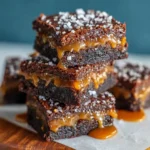
- Optional Add-Ins: Toasted walnuts or pecans (¾ cup), flaky sea salt for finishing, espresso-infused caramel drizzle, or a dusting of cocoa nibs for crunch and bitter contrast.
Step-by-Step Recipe
- Prep & Preheat: Position oven rack to center position. Preheat oven to 325°F (163°C)—a lower, slower bake prevents doming and promotes even fudginess. Grease a 9×13-inch metal baking pan (not glass or ceramic) with softened butter, then line bottom and two long sides with parchment paper, leaving 2-inch overhangs for clean removal. Lightly flour parchment.
- Melt Chocolate & Butter: In a heatproof bowl set over a saucepan of barely simmering water (double boiler), combine chopped dark chocolate and butter. Stir constantly with a silicone spatula until fully melted and smooth—about 4–5 minutes. Remove from heat and cool slightly (1–2 minutes) to avoid cooking eggs later.
- Bloom Cocoa & Espresso: In a small bowl, whisk together cocoa powder, espresso powder (or cooled espresso), and 1 tbsp hot water until completely dissolved and glossy—no lumps. This “blooms” the cocoa, unlocking volatile aromatics and ensuring even dispersion.
- Combine Wet Base: To the warm chocolate-butter mixture, whisk in the bloomed cocoa-espresso paste until homogenous. Gradually whisk in granulated sugar in two additions, mixing vigorously for 30 seconds after each to incorporate air and encourage shine. Add eggs one at a time, whisking 45 seconds after each addition until thick, glossy, and slightly ribbon-like. Stir in vanilla.
- Dry Ingredients & Fold: In a separate bowl, sift together flour, baking soda, and salt. Gently fold into wet mixture using a spatula in 3 additions—stir only until *no streaks remain*. Overmixing develops gluten and leads to toughness. Then fold in chocolate chips (and nuts, if using) until evenly distributed—do not overfold.
- Pan & Bake: Pour batter into prepared pan. Use an offset spatula to spread evenly, then tap pan firmly on counter 3 times to release air bubbles and level surface. Optional: Sprinkle top with flaky sea salt and/or extra chocolate chips. Bake for 32–38 minutes. Begin checking at 32 minutes: brownies are done when edges are set and pull slightly away from pan, top is matte (not glossy), and a toothpick inserted 1 inch from edge comes out with moist crumbs (not wet batter). Center should still look soft but not liquid.
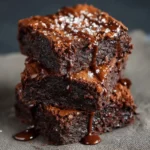
- Cool & Cut: Cool brownies in pan on a wire rack for *at least 2 hours*—preferably 3–4 hours or overnight. Rushing cooling causes crumbling and loss of fudgy integrity. Once fully cooled, use parchment overhangs to lift entire slab onto cutting board. Chill in refrigerator for 20 minutes for ultra-clean slices. Use a hot, damp knife (wiped between cuts) for sharp, glossy edges.
Tips
- Temperature Matters: All ingredients—especially eggs and melted chocolate mixture—should be within 10°F of each other. Cold eggs hitting hot chocolate can cause seizing; overly warm batter makes eggs scramble.
- Espresso Powder Quality Is Non-Negotiable: Use only 100% pure, finely ground espresso powder (like Medaglia D’Oro or King Arthur). Avoid “instant coffee” blends with fillers—they taste sour and grainy.
- Don’t Skip the Bloom: Dissolving espresso and cocoa in hot water isn’t just mixing—it’s enzymatic activation. This step unlocks up to 30% more aromatic compounds versus dry mixing.
- Underbake Slightly: Brownies continue to cook from residual heat while cooling. Pull them when center still jiggles faintly—it will firm perfectly during rest.
- Chill Before Cutting = Professional Results: Refrigeration solidifies cocoa butter, allowing clean, non-crumbly squares with defined corners and glossy sheen.
- Room Temperature Storage: Keep covered at room temp for up to 4 days. Refrigeration dries them out; freezing is ideal for longer storage (see Variations section).
- Revive Stale Brownies: Place in a sealed container with a slice of fresh bread overnight—the brownies will absorb ambient moisture and regain tenderness.
- Scale With Confidence: This recipe scales beautifully—double for two 9×13 pans or halve for an 8×8. Adjust bake time accordingly (+5 min for doubled, −7 min for halved).
Variations and Customizations
This foundational recipe is endlessly adaptable—whether catering to dietary needs, seasonal ingredients, or global flavor inspirations. Each variation maintains structural integrity and espresso-chocolate harmony:
- Gluten-Free Version: Substitute flour with ⅔ cup (85g) certified GF all-purpose blend (like Bob’s Red Mill 1-to-1 or King Arthur Measure for Measure). Add ¼ tsp xanthan gum if blend doesn’t include it. Increase espresso powder to 2 tsp to compensate for reduced flavor absorption in GF flours.
- Vegan Espresso Brownies: Replace butter with refined coconut oil (same weight); eggs with 3 flax eggs (3 tbsp ground flax + 9 tbsp warm water, rested 10 min); and dairy chocolate with high-fat vegan dark chocolate (≥65% cacao, e.g., Hu Chocolate or Enjoy Life). Add 1 tsp apple cider vinegar to batter for lift mimicry.
- Stout-Infused Variation: Replace ¼ cup of the espresso liquid with chilled, unfiltered oatmeal stout (e.g., Guinness Draught or Left Hand Milk Stout). Adds caramelized malt depth and creamy mouthfeel—reduce sugar by 2 tbsp to balance residual sweetness.
- Orange-Espresso Swirl: After pouring batter, dollop ⅓ cup orange marmalade (seedless, high-pectin) over top. Use a skewer to marble gently—creates vibrant citrus-tinged ribbons that cut through richness.
- White Chocolate & Lavender Espresso: Swap half the dark chocolate chips for high-quality white chocolate; add ½ tsp culinary-grade dried lavender buds (toasted 30 sec in dry pan) to dry ingredients. Lavender’s floral note complements espresso’s bergamot undertones.
- Spiced Mexican-Inspired: Add 1 tsp ground cinnamon, ¼ tsp chipotle powder, and 2 tbsp toasted pepitas to batter. Finish with a dusting of smoked sea salt.
- Freezer-Friendly Batch: After full cooling and cutting, place brownie squares in a single layer on a parchment-lined tray; freeze uncovered 2 hours. Transfer to airtight freezer bag (remove air) for up to 4 months. Thaw at room temp 30 minutes—or enjoy slightly frozen for a fudgy, truffle-like texture.
- Gourmet Gift Edition: Layer cooled brownies in a decorative tin with parchment between layers. Include a small vial of house-made espresso salt (espresso powder + flaky salt + trace olive oil) and tasting notes card explaining origin of beans used.
Health Considerations and Nutritional Value
While Espresso Chocolate Chip Brownies are inherently indulgent, thoughtful formulation allows for mindful enjoyment—balancing pleasure with nutritional awareness. Per standard 2″ × 2″ square (recipe yields ~24 servings):
- Calories: ~215 kcal — moderate for a dessert, especially given satiating fat and fiber content.
- Fat: 13g (8g saturated) — primarily from cocoa butter and dark chocolate, rich in stearic acid (a neutral fatty acid that doesn’t raise LDL cholesterol).
- Carbohydrates: 24g (18g sugars) — significantly less than traditional brownies (often 30g+ sugar) due to reliance on dark chocolate’s natural bitterness and espresso’s flavor amplification (allowing sugar reduction without sacrificing perception of sweetness).
- Fiber: 2g — from cocoa solids and whole-grain flour substitutions (see variations), supporting digestive health and glycemic stability.
- Protein: 3g — modest but enhanced with egg yolks and high-cocoa chocolate.
- Phytonutrients: Rich in flavanols (antioxidants linked to improved endothelial function and cognitive support), theobromine (a gentle stimulant with mood-enhancing properties), and polyphenols concentrated in espresso and dark chocolate—especially when using minimally processed, ethically sourced beans and cacao.
- Functional Benefits: Caffeine content is mild (~15–25mg per square), comparable to a decaf espresso shot—enough for alertness without jitters. Combined with L-theanine naturally present in cocoa, it promotes calm focus.
- Dietary Notes: Naturally free of dairy (if using dairy-free chocolate), soy-free (with soy-free chocolate), and nut-free (omit nuts). Easily adapted for keto (replace sugar with erythritol + inulin blend; use 100% cacao), paleo (almond flour + coconut sugar + carob chips), or low-FODMAP (ensure chocolate is lactose-free and espresso powder contains no inulin).
- Mindful Enjoyment Tips: Serve with Greek yogurt instead of ice cream for added protein; pair with green tea to synergize antioxidant effects; savor slowly—research shows chewing thoroughly increases satiety signaling by 20%. One square satisfies cravings more effectively than three low-quality, high-sugar alternatives.
Ingredients
- 1 cup (227g) unsalted butter, cubed
- 1 ¼ cups (250g) granulated sugar
- 8 oz (227g) high-quality dark chocolate (70–72% cacao), finely chopped
- ⅓ cup (30g) natural unsweetened cocoa powder
- 1 ½ tsp pure espresso powder (or 2 tbsp strongly brewed, cooled espresso)
- 1 tbsp hot water
- 3 large eggs, room temperature
- 2 tsp pure vanilla extract
- ⅔ cup (85g) all-purpose flour, sifted
- ¼ tsp baking soda
- ¾ tsp fine sea salt
- 1 ½ cups (270g) semi-sweet and/or bittersweet chocolate chips or chunks, chilled
- Flaky sea salt, for finishing (optional)
Directions
- Preheat oven to 325°F (163°C). Grease a 9×13-inch metal baking pan and line with parchment paper, leaving overhangs on two long sides.
- In a heatproof bowl over simmering water, melt butter and chopped chocolate, stirring until smooth. Remove from heat and cool 1–2 minutes.
- In a small bowl, whisk cocoa powder, espresso powder, and hot water until smooth and glossy.
- Whisk cocoa-espresso mixture into warm chocolate-butter. Gradually whisk in sugar in two parts, mixing 30 seconds after each. Add eggs one at a time, whisking 45 seconds after each until thick and glossy. Stir in vanilla.
- In another bowl, sift together flour, baking soda, and salt. Gently fold into wet mixture in 3 additions until just combined. Fold in chilled chocolate chips.
- Pour batter into prepared pan. Spread evenly and tap pan firmly on counter 3 times. Optional: sprinkle with flaky salt and extra chips.
- Bake 32–38 minutes, until edges are set and a toothpick near edge comes out with moist crumbs. Center should appear soft but not wet.
- Cool completely in pan on wire rack—minimum 2 hours, ideally 3–4 hours or overnight.
- Using parchment overhangs, lift brownies out. Chill 20 minutes. Cut with hot, wiped knife into 24 squares.
FAQ
- Can I use regular brewed coffee instead of espresso powder?
- No—regular coffee is too dilute and acidic. It adds excess water, weakening structure, and introduces vegetal, sour notes that muddy chocolate’s profile. Espresso powder is concentrated, roasted, and pH-balanced for baking. If absolutely necessary, reduce liquid elsewhere by 1 tbsp and add ½ tsp instant espresso powder for depth.
- Why did my brownies sink in the center?
- Sinking usually indicates underbaking (structure didn’t fully set) or overmixing (excess air collapsed during cooling). Ensure oven is properly calibrated with an oven thermometer, and rely on visual cues—not just timer. Also verify baking soda is fresh (test in vinegar: should bubble vigorously).
- Can I make these ahead for an event?
- Absolutely—and recommended! Brownies taste even better on Day 2–3 as flavors meld and texture matures. Store covered at room temperature. For events >3 days out, freeze unbaked batter (pour into pan, cover tightly, freeze up to 1 month), then bake straight from frozen—add 8–10 minutes to bake time.
- My batter looks curdled after adding eggs—did I ruin it?
- No—this is common when temperatures aren’t aligned. As long as you continue whisking vigorously for the full 45 seconds per egg, it will emulsify into a smooth, glossy batter. If still separated, gently re-warm mixture over double boiler for 10 seconds and whisk again.
- What’s the best way to store leftovers?
- Keep in an airtight container at room temperature for up to 4 days. Do not refrigerate unless humid environment—cold air dehydrates them. For longer storage, freeze cut squares individually wrapped in parchment + placed in freezer bag for up to 4 months.
- Can I use Dutch-process cocoa?
- You can—but adjust leavening: replace baking soda with ½ tsp baking powder, and omit salt’s reduction. Dutch-process is alkalized, so it won’t react with soda. Flavor will be mellower, less acidic, and slightly redder in hue.
- Are these safe for kids? How much caffeine is in each brownie?
- Yes—each square contains ~15–25mg caffeine (equivalent to ¼ cup of brewed coffee or a dark chocolate square). Well below pediatric limits (≤45mg/day for ages 4–6; ≤85mg for older children). Still, serve earlier in day and monitor sensitivity.
- My brownies turned out cakey—what went wrong?
- Likely causes: (1) Too much flour (scooping vs. weighing), (2) Overbaking (check early!), (3) Using cake flour or self-rising flour, (4) Substituting oil for butter (oil creates airier crumb), or (5) Adding extra eggs or leavening. Stick to AP flour, weigh ingredients, and trust the visual doneness cues.
Summary
Espresso Chocolate Chip Brownies are a masterclass in intentional baking—where bold, roasted espresso deepens dark chocolate’s complexity, granulated sugar crafts a luminous crust, and precise technique yields fudgy, tender squares with nuanced layers of bitterness, sweetness, and umami-rich warmth. They honor tradition while embracing modern flavor science, proving that the most memorable desserts are those made with reverence for every ingredient, every step, and every moment of mindful enjoyment.
Whether you’re a home baker seeking showstopping results, a coffee enthusiast craving culinary synergy, or a dessert lover who refuses to compromise on quality—these brownies deliver profound satisfaction in every bite, transforming ordinary afternoons into extraordinary experiences rooted in craft, care, and caffeinated joy.