Creamy Garlic Mushroom Pasta: A Rich, Comforting Delight
Introduction
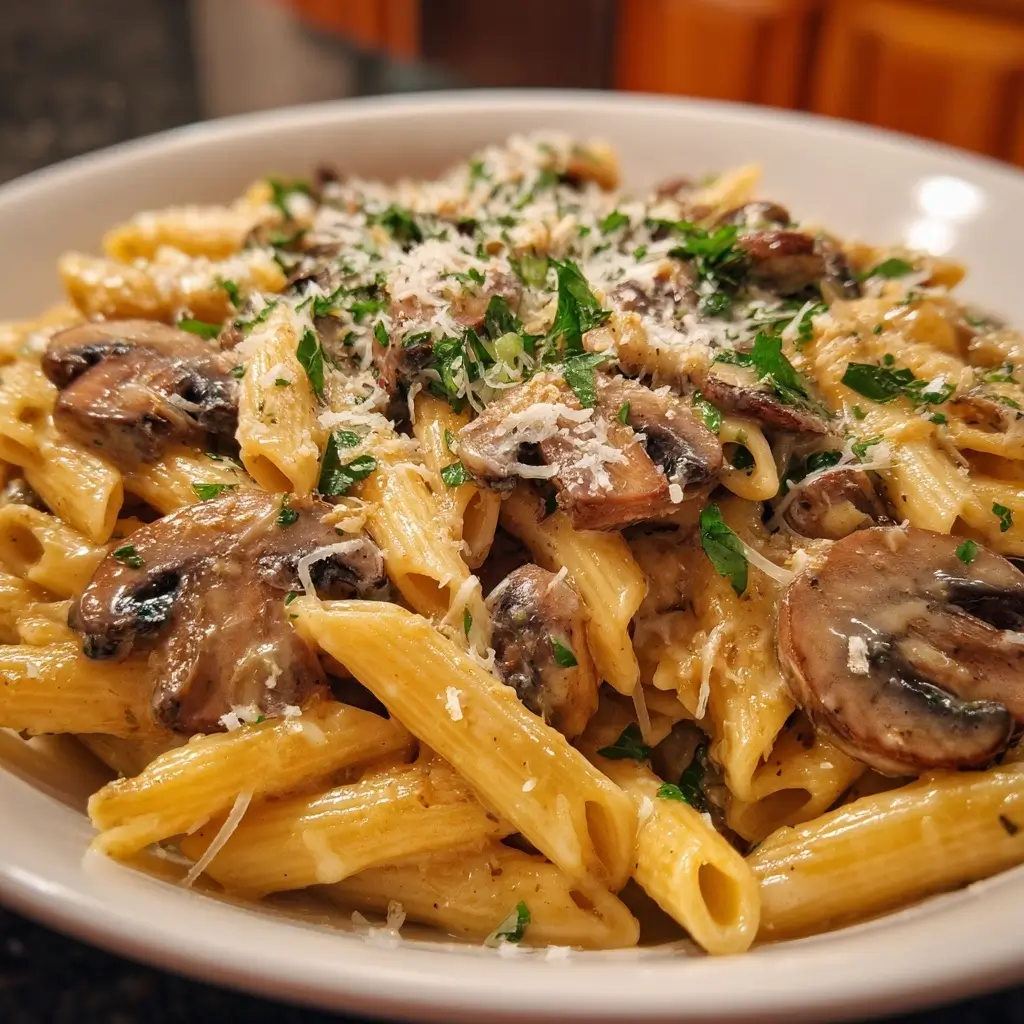
Creamy Garlic Mushroom Pasta is the epitome of comfort food—luxuriously smooth, deeply savory, and packed with earthy umami flavor. This dish combines tender pasta, sautéed mushrooms, and a velvety garlic-infused cream sauce that clings perfectly to every strand. Whether you’re cooking for a cozy night in or impressing guests at a dinner party, this recipe delivers restaurant-quality results with minimal effort. With its rich aroma and satisfying texture, it’s no wonder this pasta has become a staple in homes around the world.
The History
Pasta dishes featuring mushrooms and cream have roots stretching back through Italian culinary tradition, though the modern version of Creamy Garlic Mushroom Pasta reflects both rustic farmhouse cooking and contemporary gourmet influences. Historically, Italians have long used wild mushrooms foraged from forests—such as porcini, chanterelles, and morels—in simple preparations with olive oil, garlic, and herbs. The addition of cream, however, became more widespread during the 20th century, particularly influenced by French techniques and northern Italian cuisine where dairy plays a larger role.
In America, creamy mushroom pasta gained popularity in the mid-to-late 1900s, especially in Italian-American restaurants serving fettuccine Alfredo-style dishes with added mushrooms. Over time, home cooks began refining the balance between richness and freshness, incorporating ingredients like white wine, Parmesan cheese, and fresh thyme to elevate the dish beyond mere indulgence into something nuanced and layered. Today’s version stands as a harmonious blend of tradition and innovation—a global favorite that celebrates simplicity and depth in equal measure.
Ingredients Breakdown
- Pasta: Fettuccine or tagliatelle are ideal due to their broad surface area that holds sauce well. However, penne, linguine, or even gluten-free alternatives can be used depending on dietary needs.
- Mushrooms: Cremini (baby bella) mushrooms offer a robust flavor, while white button mushrooms provide milder taste. For an elevated twist, mix in shiitake, oyster, or wild mushrooms for complexity.
- Heavy Cream: Provides the luscious, silky texture essential to the sauce. Full-fat is recommended for optimal creaminess.
- Garlic: Freshly minced garlic gives the dish its signature aromatic punch. Roasted garlic can also be blended in for a sweeter, mellower note.
- Butter & Olive Oil: A combination enhances flavor—butter adds richness while olive oil prevents burning during high-heat sautéing.
- Shallot or Onion: Adds subtle sweetness and depth; shallots are preferred for their delicate flavor.
- Dry White Wine: Optional but highly recommended—enhances umami and cuts through the richness (e.g., Pinot Grigio or Sauvignon Blanc).
- Chicken or Vegetable Stock: Thins the sauce slightly and deepens the savory profile without diluting flavor.
- Grated Parmesan Cheese: Salty, nutty, and slightly tangy—melts beautifully into the sauce for extra body and umami.
- Fresh Herbs: Parsley for brightness; thyme or rosemary for earthiness. Basil can add a fresh twist.
- Salt & Black Pepper: Essential seasonings—adjust to taste throughout cooking.
- Nutmeg (optional): A pinch enhances warmth and complements the cream and mushrooms.
Step-by-Step Recipe
- Boil the Pasta: Bring a large pot of salted water to a boil (use about 1 tablespoon of salt per 4 quarts). Add 12 oz (340g) of pasta and cook until al dente—usually 8–10 minutes depending on type. Reserve 1 cup of starchy pasta water before draining.
- Prep Ingredients: While the pasta cooks, thinly slice 16 oz (450g) mushrooms. Mince 4 cloves of garlic and finely chop 1 small shallot. Grate ¾ cup (about 2 oz) of Parmesan cheese and set aside.
- Sauté Mushrooms: In a large skillet over medium-high heat, melt 2 tablespoons of unsalted butter with 2 tablespoons of olive oil. Once shimmering, add mushrooms in a single layer. Let them sear undisturbed for 2–3 minutes to develop a golden-brown crust. Stir and continue cooking until all moisture evaporates and they’re deeply browned—about 7–8 minutes total. Remove and set aside.
- Build the Sauce Base: In the same skillet, reduce heat to medium. Add another tablespoon of butter if needed, then sauté chopped shallot for 2–3 minutes until translucent. Add minced garlic and cook for 30 seconds—do not let it burn.
- Deglaze with Wine (Optional): Pour in ½ cup dry white wine, scraping up any browned bits from the pan. Simmer until reduced by half—about 2–3 minutes.
- Add Cream & Stock: Stir in 1 cup heavy cream and ¼ cup vegetable or chicken stock. Bring to a gentle simmer and let it reduce slightly for 3–4 minutes.
- Incorporate Cheese & Seasonings: Gradually whisk in grated Parmesan until melted and smooth. Add cooked mushrooms back into the pan. Season with salt, freshly ground black pepper, and a pinch of nutmeg if desired.
- Combine with Pasta: Add drained pasta directly into the sauce. Toss thoroughly using tongs, adding reserved pasta water a few tablespoons at a time to loosen the sauce and help it coat the noodles evenly.
- Finish with Butter & Herbs: Stir in 1 additional tablespoon of cold butter off the heat for extra gloss and silkiness. Fold in chopped fresh parsley and optionally a few leaves of thyme.
- Serve Immediately: Plate hot, garnishing each portion with extra Parmesan, cracked pepper, and a drizzle of olive oil if desired.
Tips
- Don’t Crowd the Pan When Cooking Mushrooms: Overcrowding causes steaming instead of browning. Cook in batches if necessary for better caramelization.
- Use Room-Temperature Cream: Cold cream may cause the sauce to break or curdle when added to a hot pan. Let it sit out briefly before use.
- Reserve That Pasta Water: The starchy liquid is gold—it helps emulsify the sauce and bind it to the pasta.
- Season in Layers: Salt each component (mushrooms, sauce, pasta) slightly rather than all at once for balanced flavor.
- Control Heat Carefully: Keep sauces at a low simmer after adding dairy to prevent separation.
- Toast the Garlic Slightly: For deeper flavor, gently toast minced garlic in oil just until fragrant but not browned.
- Rest Before Serving: Letting the dish sit for a minute after mixing allows flavors to meld and sauce to cling better.
- Use Freshly Grated Cheese: Pre-grated cheeses contain anti-caking agents that can make sauces grainy or oily.
Variations and Customizations
- Vegan Version: Substitute heavy cream with full-fat coconut milk or cashew cream. Use nutritional yeast or vegan Parmesan and plant-based butter.
- Protein Boost: Add grilled chicken, seared scallops, shrimp, or crispy pancetta for a heartier meal.
- Gluten-Free Option: Use certified gluten-free pasta and ensure all other ingredients (like stock) are GF-safe.
- Low-Carb/Keto Adaptation: Serve over zucchini noodles (zoodles), spaghetti squash, or shirataki noodles. Increase cream and cheese slightly to compensate for less starch.
- Herb Variations: Swap parsley for chives, dill, or tarragon for a unique twist. Rosemary works well with wild mushrooms.
- Spicy Kick: Add red pepper flakes during sautéing or finish with a dash of chili oil or harissa.
- Lemon Zest Addition: Brighten the dish with grated lemon zest or a squeeze of fresh juice just before serving.
- Truffle Upgrade: Drizzle truffle oil or shave black truffle on top for a decadent touch.
- Tomato Infusion: Stir in sun-dried tomatoes or a spoonful of tomato paste for a richer, slightly sweet contrast.
- Double Mushroom: Use a blend of three or more mushroom varieties for complex forest-floor flavor.
Health Considerations and Nutritional Value
Creamy Garlic Mushroom Pasta is undeniably rich, but it also offers several nutritional benefits when prepared thoughtfully. Mushrooms themselves are low in calories and fat while being excellent sources of B vitamins (especially riboflavin, niacin, and pantothenic acid), selenium, copper, and antioxidants like ergothioneine. They support immune function and may have anti-inflammatory properties.
The inclusion of garlic brings cardiovascular benefits—known for its potential to lower blood pressure and cholesterol levels due to allicin content. However, these benefits diminish with prolonged cooking, so adding some raw or lightly cooked garlic at the end can preserve potency.
On the downside, traditional versions are high in saturated fat and calories due to heavy cream and butter. One serving (approx. 1.5 cups) can range from 600–800 kcal, with 30–40g of fat, depending on ingredients and portion size. Sodium levels can also be high, especially with added cheese and salt.
To make a healthier version:
- Replace half the cream with whole milk or evaporated milk.
- Use Greek yogurt or mascarpone thinned with broth as a partial substitute.
- Boost fiber and nutrients by increasing mushroom quantity and reducing pasta slightly.
- Opt for whole grain or legume-based pasta for added protein and fiber.
- Limit cheese to ¼–½ cup per serving and choose strongly flavored aged varieties so less is needed.
For those managing lactose intolerance, lactose-free cream and cheese are available. Always consult dietary guidelines based on individual health conditions such as hypertension, diabetes, or heart disease.
Ingredients
- 12 oz (340g) fettuccine or preferred pasta
- 16 oz (450g) cremini or mixed mushrooms, sliced
- 4 cloves garlic, minced
- 1 small shallot, finely chopped (or ¼ cup onion)
- 4 tbsp unsalted butter, divided
- 2 tbsp olive oil
- ½ cup dry white wine (optional)
- 1 cup heavy cream
- ¼ cup vegetable or chicken stock
- ¾ cup freshly grated Parmesan cheese
- ¼ cup chopped fresh parsley
- 1 tsp fresh thyme leaves (or ½ tsp dried)
- Salt and freshly ground black pepper, to taste
- Pinch of ground nutmeg (optional)
- Red pepper flakes (optional, for heat)
Directions
- Bring a large pot of salted water to a rolling boil. Add pasta and cook according to package instructions until al dente. Reserve 1 cup of pasta water, then drain and set aside.
- Heat a large skillet over medium-high heat. Add 2 tablespoons butter and 2 tablespoons olive oil. When butter melts and begins to foam, add sliced mushrooms in a single layer. Sear without stirring for 2–3 minutes, then stir and cook until golden brown and moisture has evaporated—about 7 minutes. Transfer to a plate.
- Reduce heat to medium. Add remaining 1 tablespoon butter to the same skillet. Sauté shallot for 2–3 minutes until soft and translucent.
- Add minced garlic and cook for 30 seconds, stirring constantly to avoid burning.
- If using wine, pour it in now and deglaze the pan, scraping up browned bits. Simmer until reduced by half—approximately 2–3 minutes.
- Stir in heavy cream and stock. Bring to a gentle simmer and cook for 3–4 minutes to slightly thicken.
- Gradually whisk in Parmesan cheese until fully incorporated and smooth.
- Return cooked mushrooms to the skillet. Season with salt, pepper, nutmeg, and optional red pepper flakes. Stir to combine.
- Add drained pasta to the sauce. Toss well, adding reserved pasta water a few tablespoons at a time until sauce coats the pasta smoothly.
- Remove from heat. Stir in remaining 1 tablespoon cold butter for shine, followed by parsley and thyme.
- Taste and adjust seasoning. Serve immediately with extra Parmesan and cracked pepper on top.
FAQ
Can I make this ahead of time?
Yes, but best served fresh. Reheat gently on the stove with a splash of milk or broth to revive the sauce. Avoid microwaving unless necessary, as it can make the pasta gummy.
How do I store leftovers?
Store in an airtight container in the refrigerator for up to 3 days. Reheat slowly over low heat with added liquid to restore creaminess.
Why did my sauce separate?
Dairy-based sauces can break if overheated or if cold cream is added too quickly. To fix, remove from heat, whisk in a spoonful of cold butter or a bit of starch (like cornstarch slurry), and stir vigorously.
Can I freeze Creamy Garlic Mushroom Pasta?
Not recommended—dairy tends to separate upon thawing, resulting in a grainy texture. Freeze components separately (e.g., mushroom mixture without cream) if needed.
What pasta works best?
Long, flat pastas like fettuccine, tagliatelle, or pappardelle hold sauce exceptionally well. Tubular shapes like penne or rigatoni also work great for trapping creamy goodness.
Is this dish suitable for vegetarians?
Yes, provided you use vegetable stock and check that your Parmesan is vegetarian-friendly (some contain animal rennet).
Can I use canned mushrooms?
Fresh is always superior in texture and flavor. Canned mushrooms tend to be watery and lack umami depth. If unavoidable, drain and pat dry thoroughly before cooking.
How can I make it lighter?
Substitute half the cream with whole milk or pureed cauliflower. Increase mushrooms and greens like spinach or kale to boost volume and nutrition.
Summary
Creamy Garlic Mushroom Pasta is a luxurious yet approachable dish that blends earthy mushrooms, aromatic garlic, and a silken cream-Parmesan sauce over perfectly cooked pasta. Easy to customize and endlessly satisfying, it’s a go-to recipe for weeknight dinners or elegant meals alike.