Introduction
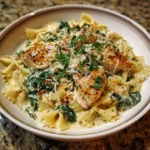
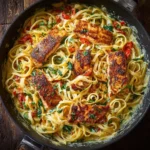
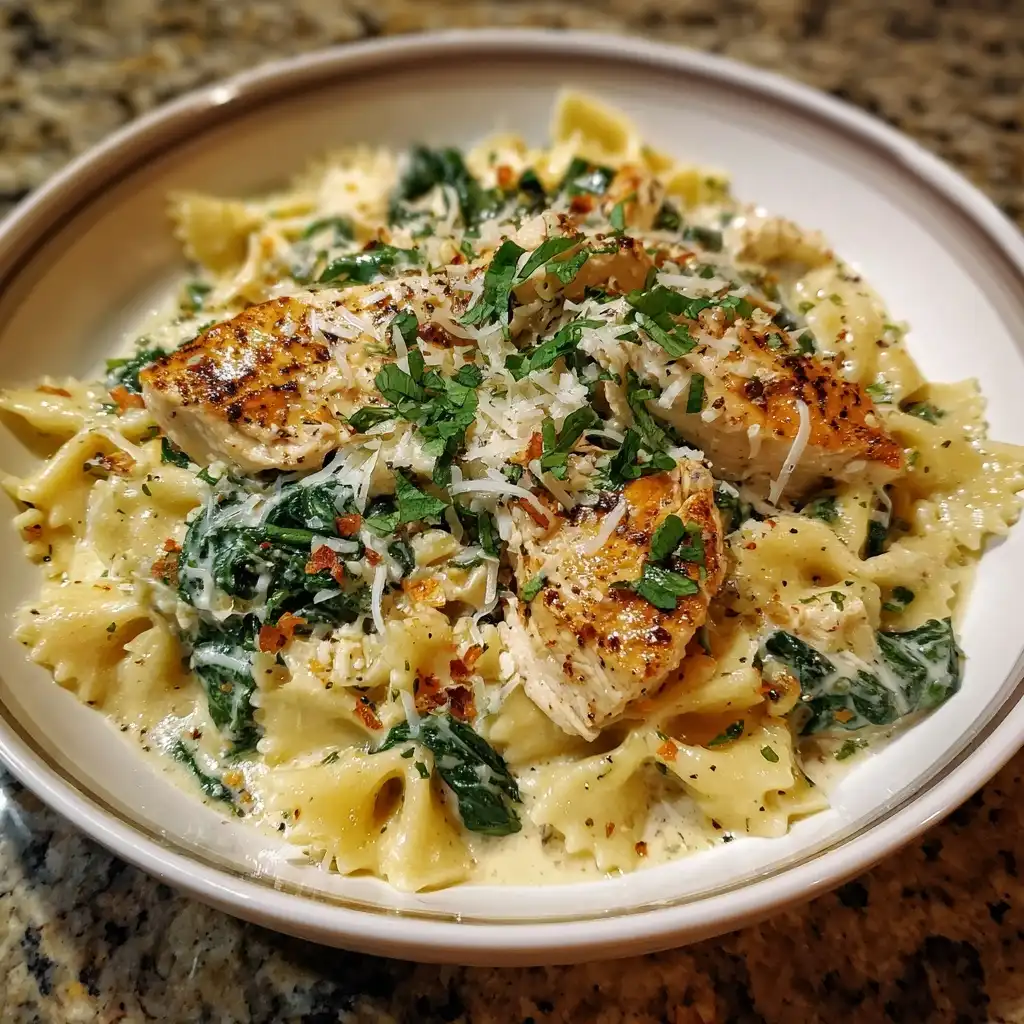
Creamy Chicken Florentine Pasta is a luxurious, restaurant-worthy dish that brings together tender pan-seared chicken, vibrant fresh spinach, and rich, velvety Parmesan cream sauce—all elegantly twirled into perfectly cooked pasta. Rooted in Italian-American culinary tradition yet deeply inspired by Tuscan simplicity and French-inspired cream techniques, this dish strikes an exquisite balance between comfort and sophistication. It’s the kind of meal that feels indulgent without being overly heavy—earthy, savory, and subtly aromatic—with layers of umami from aged Parmesan, freshness from baby spinach, and satisfying protein from lean chicken breast or thigh. Whether served for a cozy weeknight dinner, a special date night at home, or as the centerpiece of a Sunday family gathering, Creamy Chicken Florentine Pasta delivers consistent wow-factor with surprisingly approachable technique. Its versatility, forgiving nature, and make-ahead-friendly components make it a beloved staple in home kitchens across North America, Australia, and the UK—and increasingly popular among meal-prep enthusiasts and health-conscious cooks seeking flavor-forward, nutrient-dense meals.
The History
The origins of Chicken Florentine trace back to late 19th- and early 20th-century American interpretations of Italian cuisine—specifically referencing alla Fiorentina, meaning “in the style of Florence.” In authentic Tuscan cooking, Fiorentina traditionally denotes dishes prepared with olive oil, garlic, lemon, herbs, and sometimes white wine—often applied to grilled meats or simple vegetable preparations—but notably *without* cream or cheese. The iconic Bistecca alla Fiorentina, for example, is a thick-cut T-bone grilled over wood fire and seasoned only with salt, pepper, olive oil, and lemon. However, when Italian immigrants settled in the United States—particularly in cities like New York and Chicago—American palates gravitated toward richer, creamier textures. Chefs and home cooks began adapting classic Italian names to suit local tastes and pantry availability, leading to the birth of “Florentine” dishes featuring spinach (spinaci) and creamy sauces—a nod to the city’s historic association with art, elegance, and refined cuisine rather than strict regional authenticity. The term “Florentine” became synonymous with spinach-based preparations by the mid-20th century, bolstered by its frequent use in dishes like Eggs Florentine (poached eggs on spinach with Hollandaise) and later, Chicken Florentine. The addition of heavy cream, garlic-infused butter, and grated Parmigiano-Reggiano emerged as hallmark elements of the Americanized version, especially in the 1950s–70s era of “continental cuisine” popularized in supper clubs and mid-century cookbooks. Today, Creamy Chicken Florentine Pasta represents a delicious fusion: honoring Italian ingredients and Florentine heritage while embracing American culinary innovation, dairy abundance, and the universal love of creamy pasta.
Ingredients Breakdown
Understanding each component—not just *what* goes in, but *why*—is key to mastering this dish’s harmony of texture, temperature, and taste:
- Chicken Breast or Thighs: Boneless, skinless chicken breasts offer lean protein and clean flavor, but can dry out if overcooked; thighs provide superior moisture, tenderness, and deeper savory notes thanks to higher fat content and myoglobin. For best results, pound breasts to ½-inch thickness for even cooking—or use a mix of both cuts for textural contrast.
- Fresh Baby Spinach: Not frozen or chopped—fresh leaves retain delicate sweetness, vibrant green color, and ideal wilting behavior. Baby spinach contains naturally occurring oxalates that mellow beautifully when warmed, releasing subtle mineral notes that complement Parmesan’s nuttiness. Mature spinach can be used but requires thorough washing and stem removal.
- Garlic & Shallots: Fresh minced garlic delivers pungent, floral heat that mellows into sweetness when sautéed in butter. Shallots—milder and more nuanced than onions—add layered allium complexity without overpowering. Together, they form the aromatic foundation of the sauce.
- Dry White Wine (e.g., Sauvignon Blanc or Pinot Grigio): Acts as a deglazing agent to lift fond (caramelized bits) from the pan, adding acidity, brightness, and depth. Alcohol cooks off, leaving concentrated fruit and herbal notes that cut through richness. Substitute with low-sodium chicken broth + ½ tsp lemon juice if avoiding alcohol.
- Heavy Cream (36–40% fat): Provides unctuous body, mouth-coating richness, and emulsifying stability. Lower-fat alternatives (half-and-half, whole milk) will thin the sauce and risk curdling—unless stabilized with a roux or cornstarch slurry. Ultra-pasteurized cream behaves more predictably than pasteurized versions.
- Grated Parmigiano-Reggiano (not pre-grated “Parmesan”): Authentic Italian DOP-certified Parmigiano offers crystalline crunch, deep umami, caramelized nuttiness, and natural enzymes that help thicken and enrich the sauce. Pre-shredded cheeses contain anti-caking agents (like cellulose) that impede melting and create graininess.
- Freshly Grated Nutmeg: A tiny pinch (⅛ tsp) unlocks hidden warmth and earthiness—enhancing spinach’s vegetal character and balancing cream’s sweetness. Ground nutmeg loses potency quickly; always grate whole nutmeg using a microplane.
- Pasta Selection: Fettuccine and tagliatelle are traditional for their broad, ribbon-like surface area that cradles creamy sauce. Penne, fusilli, or casarecce also work exceptionally well due to grooves and twists that trap sauce. Avoid delicate pastas like angel hair or fresh ravioli—they compete texturally and lack structural integrity against heavy cream.
- Unsalted Butter & Extra-Virgin Olive Oil: Butter contributes richness and Maillard browning for the chicken; olive oil raises the smoke point and adds fruity, grassy notes. Using both prevents burning while building complex fat-based flavor.
- Fresh Herbs (Parsley, Basil, or Chives): Added at the very end for bright, aromatic lift—never cooked in, as heat dulls their volatile oils. Flat-leaf parsley provides clean, peppery freshness; basil adds sweet-anise nuance; chives lend mild onion essence.
Step-by-Step Recipe
- Prep Work (Mise en Place): Pat chicken dry with paper towels; season generously with kosher salt and freshly ground black pepper on both sides. Mince 3 garlic cloves and 1 large shallot. Roughly chop 1 cup fresh parsley (reserve stems for stock if desired). Wash and spin-dry 8 oz (about 6 cups) fresh baby spinach. Grate 1 cup (about 3 oz) Parmigiano-Reggiano using a fine microplane—keep refrigerated until needed. Measure ½ cup dry white wine, 1 cup heavy cream, and ¼ tsp freshly grated nutmeg.
- Cook the Pasta: Bring 5–6 quarts of water to a rolling boil. Add 2 tbsp Diamond Crystal kosher salt (or 1 tbsp Morton’s). Add 12 oz dried fettuccine (or preferred pasta) and stir immediately to prevent sticking. Cook 1–2 minutes shy of package’s “al dente” time (e.g., if box says 11 minutes, cook 9–10). Reserve 1½ cups starchy pasta water before draining—this liquid is liquid gold for adjusting sauce consistency and improving adhesion.
- Sear the Chicken: Heat 1 tbsp olive oil + 1 tbsp unsalted butter in a large, heavy-bottomed skillet (12-inch stainless or cast iron) over medium-high heat until shimmering. Add chicken in a single layer—do not crowd. Sear undisturbed for 5–6 minutes until deeply golden and release easily from pan. Flip and cook 4–5 minutes more until internal temp reaches 160°F (it will rise to 165°F while resting). Transfer to a clean plate, tent loosely with foil, and rest 5 minutes. Slice against the grain into ½-inch strips.
- Build the Aromatic Base: Reduce heat to medium-low. In same skillet, add remaining 1 tbsp butter. Once melted, add shallots and sauté 2 minutes until translucent. Add garlic and cook 45 seconds—just until fragrant (do not brown). Stir constantly to prevent scorching.
- Deglaze & Reduce: Pour in white wine, scraping vigorously with a wooden spoon to lift all browned bits (fond) from the pan bottom. Simmer 2–3 minutes until reduced by half and alcohol aroma dissipates—liquid should coat the back of a spoon.
- Infuse Cream & Cheese: Reduce heat to low. Slowly whisk in heavy cream, ensuring no lumps form. Simmer gently (do not boil) for 3 minutes, stirring occasionally. Gradually whisk in grated Parmigiano, a small handful at a time, allowing each addition to fully melt and emulsify before adding more. Stir in nutmeg, a pinch of white pepper, and ½ tsp additional salt (taste first—adjust based on chicken seasoning and cheese saltiness).
- Wilt the Spinach: Increase heat to medium. Add spinach in three batches, stirring after each addition until wilted (about 30 seconds per batch). Total wilting time: ~1½ minutes. Spinach should be vibrant green and just tender—not mushy.
- Combine & Finish: Return sliced chicken to skillet. Gently fold in drained pasta. Add reserved pasta water ¼ cup at a time, tossing continuously with tongs until sauce clings luxuriously to noodles—typically ½–¾ cup needed. Sauce should glisten, coat pasta evenly, and pool slightly at the bottom of the pan. Adjust seasoning with salt, pepper, or a squeeze of lemon juice for brightness if needed.
- Garnish & Serve Immediately: Remove from heat. Stir in most of the chopped parsley. Divide among warmed shallow bowls. Top with extra Parmigiano, a final drizzle of high-quality EVOO, remaining parsley, and optional red pepper flakes for gentle heat. Serve within 2 minutes—cream sauces thicken rapidly upon standing.
Tips
- Rest Your Chicken: Allowing seared chicken to rest ensures juices redistribute—preventing dryness when sliced and added back to the hot sauce.
- Don’t Skip the Pasta Water: Starchy water contains amylose and amylopectin—natural starches that act as emulsifiers and thickeners. It transforms a greasy, separated sauce into a silken, cohesive, clingy coating.
- Low-and-Slow Cream Integration: Adding cold cream to a hot pan causes splattering and separation. Warm cream slightly (30 sec in microwave) and add gradually while whisking. Never let the sauce boil once cream is added—it risks curdling.
- Grate Cheese Yourself: Pre-grated cheese contains potato starch or cellulose that inhibits smooth melting. Real Parmigiano melts into a velvety, glossy finish—no graininess.
- Spinach Timing Is Critical: Overcooking spinach turns it slimy and dulls flavor. Add it *after* sauce base is built and remove from heat within 90 seconds of first addition.
- Use a Wide, Shallow Pan: Maximizes surface area for evaporation during reduction and allows even contact between pasta and sauce—critical for proper coating.
- Undercook Pasta Intentionally: Residual heat from sauce and pan continues cooking pasta. Al dente = perfect texture after tossing.
- Season in Layers: Salt chicken before searing, adjust sauce base, then fine-tune after combining with pasta. This builds dimension instead of one-note saltiness.
- Acid Is Your Friend: A final ½ tsp lemon zest or 1 tsp lemon juice lifts heaviness, enhances Parmesan’s savoriness, and refreshes the palate—especially helpful if serving to guests who prefer less richness.
- Keep It Moving: When tossing pasta with sauce, use tongs and lift, fold, and rotate—don’t stir aggressively. This preserves texture and prevents breakage.
Variations and Customizations
This recipe is endlessly adaptable—whether accommodating dietary needs, seasonal produce, pantry constraints, or global flavor inspirations:
- Gluten-Free: Use certified GF pasta (brown rice, lentil, or chickpea-based). Ensure all broth/wine is GF-certified. Thicken sauce with 1 tsp GF cornstarch mixed with 1 tbsp cold water if needed.
- Dairy-Free / Vegan: Replace butter with vegan butter or olive oil; use full-fat coconut milk (light coconut milk lacks richness) or cashew cream (soak 1 cup raw cashews 4+ hours, blend with ¾ cup water until silky); swap Parmigiano for nutritional yeast + ¼ tsp miso paste for umami depth; use tofu or seitan “chicken” marinated in lemon, garlic, and tamari.
- Keto/Low-Carb: Substitute pasta with spiralized zucchini (zoodles), shirataki noodles, or roasted spaghetti squash. Increase healthy fats—add 2 tbsp toasted pine nuts or slivered almonds, ¼ cup crumbled feta, or 2 tbsp chopped sun-dried tomatoes packed in oil.
- Protein Swaps: Try pan-seared salmon fillets (skin-on, cooked skin-side down first), grilled shrimp (add in last 2 minutes), shredded rotisserie turkey, or crispy pancetta/pancetta lardons for meaty depth.
- Vegetable Boosts: Fold in roasted cherry tomatoes (halved, tossed in olive oil, salt, and 400°F for 15 min), sautéed wild mushrooms (cremini, oyster, or shiitake), steamed asparagus tips, or blanched broccoli florets.
- Herb & Spice Twists: Add 1 tsp dried oregano or marjoram with garlic; infuse cream with 2 sprigs fresh thyme (remove before serving); stir in 1 tbsp capers + 1 tbsp chopped dill for Mediterranean flair; finish with smoked paprika or harissa paste for North African heat.
- Wine Substitutions: Dry vermouth works beautifully; non-alcoholic options include mushroom or roasted vegetable broth + 1 tsp apple cider vinegar. For depth, add 1 tsp tomato paste sautéed with shallots.
- Make-Ahead & Meal Prep: Cook chicken and sauce separately up to 3 days ahead; store chilled. Reheat sauce gently with splash of cream or broth. Cook pasta fresh and combine just before serving for optimal texture. Freeze sauce (without pasta or spinach) for up to 2 months—thaw overnight, reheat slowly, add fresh spinach and pasta.
- Restaurant Presentation: Plate on wide, warm ceramic bowls. Garnish with edible flowers (nasturtiums, pansies), microgreens, lemon zest curls, or a delicate Parmigiano tuile (grate cheese onto parchment, bake at 400°F for 3–4 min until golden and lacy, cool completely).
Health Considerations and Nutritional Value
Creamy Chicken Florentine Pasta can be both nourishing and balanced—with mindful ingredient choices and portion awareness. A standard 1.5-cup serving (made with whole wheat fettuccine, chicken breast, and moderate dairy) delivers approximately:
- Calories: ~580–650 kcal
- Protein: 38–42 g (excellent source—supports muscle maintenance, satiety, and metabolic health)
- Carbohydrates: 52–58 g (primarily complex carbs from pasta; fiber ranges from 4–7 g with whole grain or legume-based pasta)
- Fat: 24–28 g (mostly unsaturated from olive oil and Parmigiano; saturated fat ~12–14 g—within recommended limits for heart health when consumed as part of varied diet)
- Vitamins & Minerals: Rich in vitamin A (from spinach—supports vision and immunity), vitamin K (essential for blood clotting and bone health), folate (crucial for cell repair and pregnancy), iron (non-heme from spinach + heme from chicken for enhanced absorption), calcium (from Parmigiano), and zinc (immune support and wound healing).
Key Health Notes:
- Sodium Awareness: Store-bought broth, pre-grated cheese, and canned goods can inflate sodium. Opt for low-sodium broth, freshly grated cheese, and control salt added during cooking. One serving typically contains 550–700 mg sodium—well below the 2,300 mg daily limit, especially when paired with low-sodium sides.
- Cream & Saturated Fat: While heavy cream contributes richness, its saturated fat content need not be avoided entirely. Current science shows moderate intake (≤10% of daily calories) fits within heart-healthy patterns—especially when replacing refined carbs or trans fats. For lower saturated fat, substitute half the cream with evaporated skim milk or silken tofu blended smooth.
- Spinach’s Oxalate Content: Raw spinach contains oxalates, which may contribute to kidney stones in susceptible individuals. Cooking significantly reduces oxalate levels—and pairing with calcium-rich foods (like Parmigiano) helps bind oxalates in the gut, limiting absorption.
- Gut-Friendly Potential: Garlic, onions, and fermented Parmigiano contain prebiotic fibers and beneficial bacteria strains that support microbiome diversity. Serving with a side of fermented vegetables (e.g., sauerkraut) amplifies this benefit.
- Blood Sugar Balance: The combination of lean protein, healthy fats, and complex carbs provides steady glucose release—ideal for sustained energy and appetite regulation. Adding 1 tbsp ground flaxseed or chia seeds boosts omega-3s and soluble fiber for further glycemic control.
- Allergen Considerations: Naturally gluten-free if GF pasta is used; nut-free; soy-free (check broth/cheese labels); egg-free (most dried pasta is egg-free—verify packaging). Always disclose ingredients for guests with allergies.
Overall, this dish exemplifies the “nutrient density per calorie” principle—delivering broad-spectrum micronutrients, high-quality protein, and phytonutrient-rich vegetables within a satisfying, culturally resonant format.
Ingredients
- 12 oz dried fettuccine or tagliatelle pasta (or GF alternative)
- 2 boneless, skinless chicken breasts (about 1 lb) or 4 boneless, skinless chicken thighs
- 1½ tsp Diamond Crystal kosher salt (divided; adjust if using Morton’s)
- 1 tsp freshly ground black pepper (divided)
- 2 tbsp extra-virgin olive oil (divided)
- 3 tbsp unsalted butter (divided)
- 1 large shallot, finely minced (about ⅓ cup)
- 3 garlic cloves, finely minced
- ½ cup dry white wine (Sauvignon Blanc, Pinot Grigio, or dry vermouth)
- 1 cup heavy cream (36–40% fat)
- 1 cup freshly grated Parmigiano-Reggiano (finely grated on microplane)
- ¼ tsp freshly grated nutmeg
- ⅛ tsp freshly ground white pepper
- 8 oz fresh baby spinach (about 6 cups, loosely packed)
- ½ cup reserved starchy pasta water (plus more as needed)
- ½ cup fresh flat-leaf parsley, finely chopped (plus extra for garnish)
- Optional garnishes: extra Parmigiano, lemon zest, red pepper flakes, high-quality EVOO
Directions
- Bring a large pot of water to a rolling boil. Add 2 tbsp kosher salt. Cook pasta 1–2 minutes less than package instructions for al dente. Reserve 1½ cups starchy water before draining. Rinse briefly under cool water only if not combining immediately with sauce (to stop cooking)—otherwise, drain and set aside.
- Pat chicken dry. Season both sides with 1 tsp salt and ½ tsp black pepper. Heat 1 tbsp olive oil and 1 tbsp butter in a large skillet over medium-high heat. When butter foams, add chicken. Sear 5–6 minutes per side until golden and internal temperature reaches 160°F. Transfer to plate, tent with foil, rest 5 minutes. Slice thinly against the grain.
- In same skillet, reduce heat to medium-low. Add remaining 1 tbsp butter. Sauté shallots 2 minutes until soft. Add garlic; cook 45 seconds until fragrant.
- Pour in wine. Scrape pan with wooden spoon to release fond. Simmer 2–3 minutes until reduced by half.
- Reduce heat to low. Whisk in cream gradually. Simmer gently 3 minutes, stirring. Whisk in Parmigiano in 3 additions until smooth and glossy. Stir in nutmeg, white pepper, and remaining ½ tsp salt.
- Increase heat to medium. Add spinach in 3 batches, stirring until wilted between additions (~30 sec each). Total wilting time: ~90 seconds.
- Add sliced chicken and drained pasta to skillet. Toss gently with tongs. Add reserved pasta water ¼ cup at a time, tossing continuously, until sauce coats pasta luxuriously (usually ½–¾ cup needed).
- Remove from heat. Stir in ⅓ cup chopped parsley. Taste and adjust seasoning—add lemon juice or more salt/pepper if desired.
- Divide among warmed bowls. Top with remaining parsley, extra Parmigiano, lemon zest, and drizzle of EVOO. Serve immediately.
FAQ
- Can I use frozen spinach?
- Yes—but thaw completely and squeeze out *all* excess water using cheesecloth or a clean kitchen towel. Frozen spinach releases significant liquid that can dilute and break the sauce. Use 10 oz frozen, thawed and squeezed, in place of 8 oz fresh.
- Why does my sauce break or look grainy?
- Most commonly caused by: (1) Boiling the cream after adding cheese—always keep heat low; (2) Using pre-grated cheese with anti-caking agents; (3) Adding cold cheese to hot sauce—let cheese come to room temp first; (4) Over-stirring after cheese is added. To fix: Remove from heat, whisk in 1 tsp cold butter or 1 tbsp cream, then gently re-warm.
- Can I make this ahead of time?
- The sauce (without spinach or pasta) and cooked chicken can be refrigerated separately for up to 3 days or frozen for 2 months. Reheat sauce gently with a splash of cream or broth. Cook pasta fresh and combine just before serving for ideal texture and creaminess.
- What’s the best wine to cook with?
- Choose a dry, acidic white you’d drink—Sauvignon Blanc (crisp, citrusy), Pinot Grigio (light, neutral), or unoaked Chardonnay. Avoid “cooking wine”—its salt and preservatives ruin flavor. If avoiding alcohol, use low-sodium chicken broth + 1 tsp lemon juice + ½ tsp white wine vinegar.
- Can I use milk instead of heavy cream?
- Milk alone will result in a thin, watery sauce prone to curdling. For lighter version: use ¾ cup half-and-half + ¼ cup mascarpone or full-fat Greek yogurt (whisk in off-heat at the end). Or make a quick roux (1 tbsp butter + 1 tbsp flour, cooked 1 minute) before adding milk.
- Is spinach really necessary? Can I substitute?
- Spinach defines the “Florentine” element—but you can substitute with Swiss chard (stems removed, chopped), baby kale (slightly more bitter), or arugula (add at very end for peppery bite). Avoid iceberg or romaine—they lack flavor and structure.
- How do I prevent rubbery or dry chicken?
- Brine chicken 30 minutes in 4 cups water + ¼ cup salt + 2 tbsp sugar (optional); pound to even thickness; sear over medium-high heat without moving; rest before slicing; avoid overcooking (pull at 160°F).
- Can I double this recipe?
- Yes—but use two skillets or a very large (14-inch) pan to avoid crowding. Do not double the sauce ingredients initially; make sauce in batches and combine. Reserve extra pasta water separately.
- What sides pair well?
- Light, acidic, or crunchy contrasts shine: simple arugula salad with lemon vinaigrette; roasted lemon-herb potatoes; garlic-sautéed green beans; crusty artisan bread; or chilled cucumber-dill yogurt.
- Is this dish safe for pregnant women?
- Yes—when made with pasteurized dairy, fully cooked chicken (165°F), and thoroughly washed spinach. Avoid raw sprouts or unpasteurized cheeses. Confirm wine is fully cooked off (alcohol evaporates at 172°F—simmering for 2+ minutes ensures safety).
Summary
Creamy Chicken Florentine Pasta is a masterclass in balanced indulgence—melding seared, juicy chicken, vibrant fresh spinach, and a luxuriously smooth Parmesan