Introduction
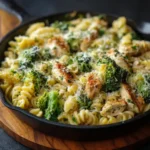
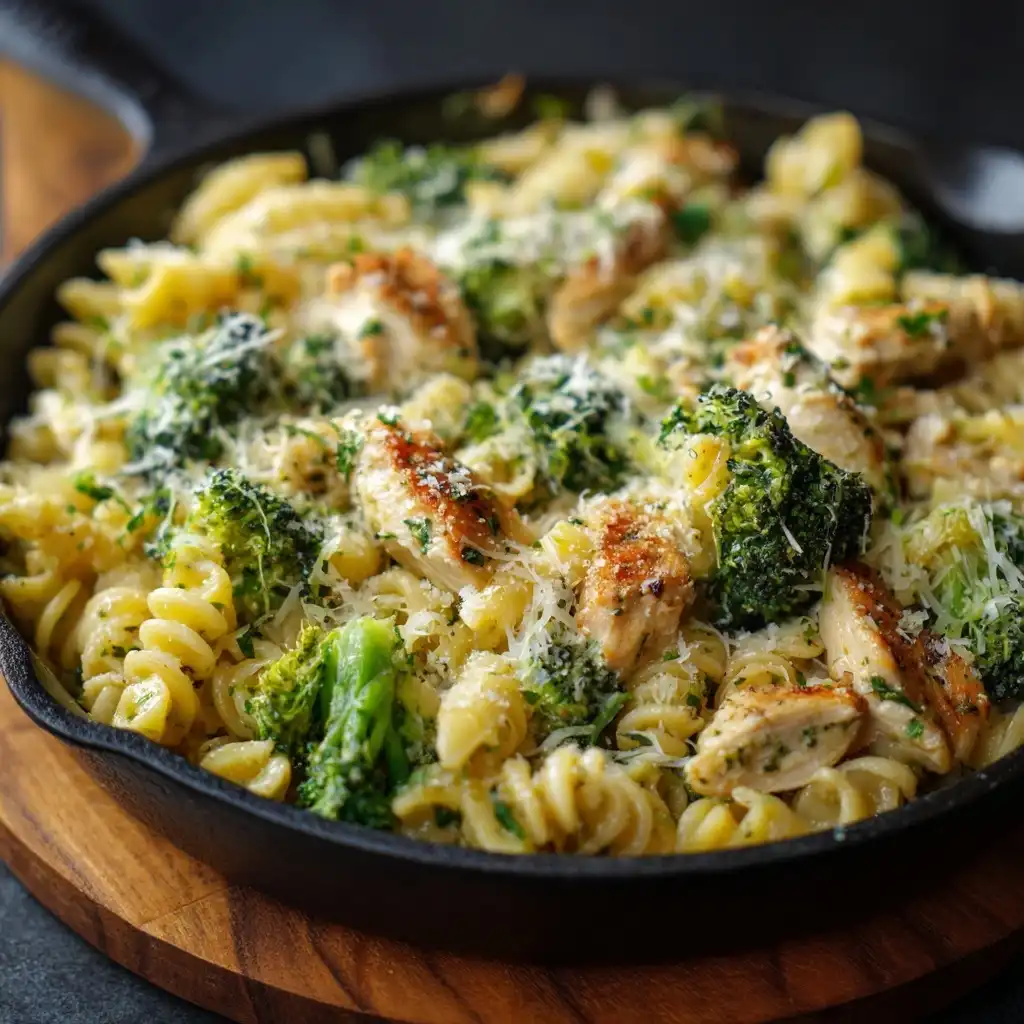
Cheesy Broccoli Chicken Pasta is the ultimate comfort food — a harmonious blend of tender grilled or baked chicken, crisp-tender broccoli florets, al dente pasta, and a luxuriously creamy, velvety cheese sauce that clings to every strand. This dish strikes the perfect balance between nourishment and indulgence: it’s hearty enough to satisfy even the heartiest appetites, yet lightened by vibrant vegetables and lean protein. Whether you’re meal prepping for busy weekdays, hosting a casual family dinner, or seeking a crowd-pleasing dish that bridges picky eaters and gourmet enthusiasts alike, Cheesy Broccoli Chicken Pasta delivers on flavor, texture, and versatility. Its adaptability makes it a kitchen staple — easily scaled for two or twenty, dressed up with gourmet cheeses or simplified for pantry staples, and endlessly customizable to suit dietary preferences without sacrificing satisfaction.
The History
While no single chef or country can claim sole authorship of Cheesy Broccoli Chicken Pasta, its origins are deeply rooted in the mid-20th-century American culinary evolution — a time when convenience met creativity. The rise of boxed macaroni and cheese in the 1930s laid the groundwork for cheese-based pasta dishes; the post-war boom introduced frozen broccoli and pre-cut chicken tenders, democratizing access to these ingredients. By the 1970s and ’80s, home cooks began layering proteins and vegetables into classic pasta bakes — think tuna noodle casserole reimagined with poultry and cruciferous greens. Food magazines like Bon Appétit and Family Circle published early versions under names like “Broccoli-Chicken Casserole” or “Creamy Chicken & Veggie Pasta,” often featuring canned soup as a binder. The modern stovetop or one-pot iteration — faster, fresher, and less reliant on processed shortcuts — gained momentum in the 2010s with the rise of food blogs, Instagram-worthy weeknight dinners, and the “clean-eating meets comfort-food” movement. Today, Cheesy Broccoli Chicken Pasta symbolizes a cultural pivot: honoring tradition while embracing whole ingredients, mindful preparation, and global flavor inspirations — from Italian fontina and Parmigiano-Reggiano to sharp white cheddar, Gruyère, and even smoked Gouda.
Ingredients Breakdown
Understanding each ingredient’s role transforms this dish from routine to remarkable:
- Pasta: Use short, sturdy shapes with ridges or hollows — fusilli, penne, rotini, or cavatappi — to trap sauce and hold broccoli and chicken securely. Whole wheat, chickpea, lentil, or brown rice pasta add fiber and protein while maintaining ideal texture.
- Chicken Breast or Thighs: Boneless, skinless chicken breasts offer lean protein and mild flavor, while thighs provide richer taste and superior moisture retention — especially helpful if cooking ahead or reheating. Uniform dicing (¾-inch cubes) ensures even cooking.
- Fresh Broccoli: Florets should be cut into bite-sized pieces (1–1.5 inches), with stems peeled and sliced thinly for zero-waste utilization. Blanching or quick sautéing preserves bright green color, slight crunch, and sulforaphane — a potent antioxidant.
- Aromatics: Yellow or white onion adds savory depth; minced garlic contributes pungent aroma and antimicrobial benefits; optional shallots lend subtle sweetness and complexity.
- Base Liquid: Low-sodium chicken broth forms the foundation of the sauce — enhancing umami without overpowering salt. Vegetable broth works beautifully for vegetarian adaptations.
- Dairy & Cheese System: A layered approach yields the smoothest, most stable sauce: butter or olive oil for richness and emulsification; all-purpose flour (or gluten-free blend) for thickening; whole milk or half-and-half for creaminess; and a *triple-cheese blend* — sharp cheddar for tang and meltability, mozzarella or provolone for stretch, and Parmesan or Pecorino Romano for salty, nutty depth. Avoid pre-shredded cheese — anti-caking agents inhibit melting.
- Seasonings & Herbs: Dijon mustard (½ tsp) acts as an emulsifier and adds brightness; smoked paprika or a pinch of cayenne lends warmth; freshly ground black pepper is non-negotiable; fresh parsley or chives added at the end provide herbal freshness and visual pop.
- Optional Enhancements: A splash of white wine (¼ cup, cooked off before adding dairy) deepens flavor; sun-dried tomatoes add chewy sweetness; toasted pine nuts or slivered almonds introduce textural contrast; lemon zest brightens the entire profile.
Step-by-Step Recipe
- Prep & Par-Cook Pasta: Bring a large pot of well-salted water (2 tbsp kosher salt per 4 quarts) to a rolling boil. Add pasta and cook 1–2 minutes *less* than package instructions for al dente. Reserve 1 cup of starchy pasta water, then drain thoroughly — do not rinse. Set aside.
- Blanch Broccoli: In the same pot (or a separate small saucepan), bring 2 cups water to boil. Add broccoli florets and stems; cook 90 seconds. Drain, rinse under cold water to stop cooking, and pat dry. This preserves color, texture, and nutrients.
- Season & Cook Chicken: Pat chicken dry. Toss with 1 tsp olive oil, ½ tsp garlic powder, ½ tsp onion powder, ¼ tsp smoked paprika, salt, and pepper. Heat 1 tbsp oil in a large, heavy-bottomed skillet or Dutch oven over medium-high heat. Sear chicken in a single layer until golden and cooked through (165°F internal temp), ~5–6 minutes total. Remove and set aside.
- Sauté Aromatics: In the same skillet, reduce heat to medium. Add diced onion; cook 3–4 minutes until translucent. Stir in minced garlic and cook 45 seconds until fragrant — do not brown.
- Build Roux & Sauce Base: Sprinkle in 3 tbsp flour. Whisk constantly for 1 minute to cook out raw taste and form a smooth paste (blond roux). Gradually whisk in 1½ cups warm chicken broth, ensuring no lumps remain. Simmer 2–3 minutes until slightly thickened.
- Incorporate Dairy: Reduce heat to low. Slowly whisk in 1 cup whole milk (or half-and-half). Stir in 1 tsp Dijon mustard, ¼ tsp cayenne (optional), and freshly ground black pepper. Simmer gently 2 minutes — do not boil vigorously.
- Melt Cheese Gradually: Remove from heat. Gradually whisk in shredded cheeses — starting with cheddar, then mozzarella, finishing with Parmesan — a handful at a time, stirring until fully melted and glossy before adding more. If sauce thickens too much, thin with reserved pasta water, 1 tbsp at a time.
- Combine All Elements: Return cooked chicken to skillet. Add blanched broccoli and drained pasta. Gently fold together with a silicone spatula or tongs until evenly coated. Let rest 2–3 minutes to allow sauce to cling and thicken further.
- Finish & Serve: Taste and adjust seasoning — a pinch of flaky sea salt or squeeze of lemon juice can elevate balance. Garnish generously with fresh parsley, extra grated Parmesan, and cracked black pepper. Serve immediately while luxuriously warm and creamy.
Tips
- Prevent Sauce Breakage: Never boil the cheese sauce after cheese is added — high heat causes proteins to seize and fats to separate. Keep heat low and incorporate cheese off the stove.
- Maximize Flavor Depth: Sear chicken in batches to avoid steaming. Deglaze the pan with a splash of broth after removing chicken to lift flavorful browned bits (fond) before sautéing aromatics.
- Texture Control: For extra creamy results, stir in 2 tbsp cream cheese or ¼ cup ricotta at the cheese-melting stage. For lighter texture, replace half the cheese with nutritional yeast and increase herbs.
- Pasta Water Is Gold: That starchy liquid isn’t just for thinning — it contains gluten and starch that help emulsify and bind the sauce to the noodles. Always reserve it before draining.
- Make-Ahead Smartness: Assemble everything except cheese sauce up to 2 days ahead; store components separately in airtight containers. Make sauce fresh and combine just before serving for optimal texture.
- Reheating Without Ruin: Reheat gently in a skillet over low heat with 1–2 tbsp broth or milk. Stir constantly. Avoid microwaving in bulk — it encourages separation and rubbery chicken.
- Perfect Broccoli Every Time: Cut florets uniformly. Steam or blanch just until bright green and fork-tender — overcooking leads to mush and sulfur odor. Shock in ice water only if prepping hours ahead.
- Knife Skills Matter: Use a sharp chef’s knife. Dicing chicken against the grain shortens muscle fibers, resulting in more tender bites.
- Taste as You Go: Season in layers — chicken, broth, sauce base, and final dish. Salt early, but adjust final seasoning last — cheese and broth contribute sodium.
- Equipment Matters: A heavy-bottomed Dutch oven or enameled cast iron skillet distributes heat evenly, preventing scorching during roux and sauce development.
Variations and Customizations
Dietary Adaptations
- Gluten-Free: Use certified GF pasta and swap all-purpose flour for rice flour, cornstarch (use 1½ tbsp instead of 3 tbsp flour), or a 1:1 GF blend. Ensure broth and seasonings are GF-certified.
- Dairy-Free/Vegan: Replace butter with vegan butter or olive oil; use unsweetened oat or cashew milk; substitute cheese with a blend of soaked and blended cashews, nutritional yeast, lemon juice, garlic powder, and white miso for umami. Add ½ tsp agar-agar to set if baking.
- Keto/Low-Carb: Swap pasta for spiralized zucchini (zoodles), shirataki noodles, or cauliflower rice. Increase healthy fats — add avocado slices or drizzle with truffle oil. Use full-fat dairy and extra cheese.
- Whole30/Paleo: Omit cheese and dairy entirely. Build a rich “cheesy” sauce using roasted cauliflower, coconut milk, nutritional yeast, lemon, garlic, and turmeric for color. Serve over sweet potato noodles or spaghetti squash.
Global Flavor Twists
- Mediterranean: Add kalamata olives, artichoke hearts, sun-dried tomatoes, oregano, and feta crumbles instead of cheddar. Finish with lemon zest and fresh mint.
- Asian-Inspired: Marinate chicken in soy sauce, ginger, and sesame oil. Swap broccoli for broccolini or bok choy. Use rice noodles, sesame oil, tamari, and top with scallions, sesame seeds, and chili crisp.
- Mexican Fiesta: Season chicken with cumin, chili powder, and lime. Add black beans, corn, and diced red bell pepper. Use Monterey Jack and pepper jack cheeses. Garnish with cilantro, avocado, and pickled red onions.
- Italian Herb Garden: Use penne and fontina + gorgonzola dolce. Stir in roasted cherry tomatoes, basil ribbons, and a drizzle of balsamic glaze before serving.
Protein & Veggie Swaps
- Proteins: Ground turkey, shredded rotisserie chicken, flaked salmon, crispy tofu cubes, tempeh strips, or white beans (cannellini or great northern) for plant-based protein.
- Vegetables: Asparagus tips, spinach (add at the end), peas, carrots (julienned or grated), zucchini ribbons, roasted cauliflower, or sautéed mushrooms. Roast hearty veggies first for deeper flavor.
- Grains: Farro, barley, quinoa, or freekeh instead of pasta for nutty, chewy texture and added fiber.
Health Considerations and Nutritional Value
A standard 1½-cup serving (made with whole wheat pasta, chicken breast, low-sodium broth, 2% milk, and moderate cheddar) delivers approximately:
- Calories: 480–520 kcal
- Protein: 32–38g (meeting ~65% of daily needs for average adults)
- Fiber: 6–8g (from broccoli and whole grain pasta — supports digestion and satiety)
- Vitamins & Minerals: Excellent source of vitamin C (broccoli), vitamin K (broccoli and parsley), B6 and niacin (chicken), calcium and phosphorus (cheese and dairy), and folate (pasta and broccoli).
- Healthy Fats: Primarily unsaturated from olive oil and dairy — beneficial for heart health when consumed in moderation.
Key Health Notes:
- Sodium Awareness: Store-bought broth and cheese contribute significantly to sodium. Opt for low-sodium or no-salt-added broth, and use naturally lower-sodium cheeses like Swiss or fresh mozzarella. Rely on herbs, citrus, and spices for flavor instead of excess salt.
- Saturated Fat Balance: While cheese provides essential fat-soluble vitamins, portion control matters. Limit cheese to 1¼ cups total per full recipe (serving size dependent) and choose part-skim mozzarella or reduced-fat cheddar where possible — without sacrificing meltability.
- Glycemic Impact: Pairing complex carbs (whole grain pasta) with lean protein and fiber-rich broccoli creates a low-to-moderate glycemic load — ideal for sustained energy and blood sugar stability.
- Antioxidant Powerhouse: Broccoli contains glucosinolates converted to sulforaphane — shown in studies to support detoxification enzymes and cellular defense. Light cooking (blanching, steaming) preserves up to 80% of this compound vs. boiling.
- Allergen Transparency: Naturally free from tree nuts, shellfish, and eggs (unless added). Easily adapted for dairy, gluten, or soy allergies with mindful substitutions — always verify labels on broth, cheese, and pasta.
- Meal Timing Benefit: High-protein, moderate-carb composition makes this ideal for post-workout recovery or sustaining focus through afternoon hours — thanks to tryptophan in chicken and tyrosine in cheese supporting neurotransmitter synthesis.
Ingredients
- 12 oz (340g) short-cut pasta (penne, fusilli, or rotini — regular or whole wheat)
- 1½ lbs (680g) boneless, skinless chicken breasts or thighs, cut into ¾-inch cubes
- 4 cups (about 1 large head) fresh broccoli florets and peeled, thinly sliced stems
- 2 tbsp olive oil or unsalted butter, divided
- 1 medium yellow onion, finely diced (about 1 cup)
- 4 cloves garlic, minced
- 3 tbsp all-purpose flour (or GF flour blend)
- 1½ cups low-sodium chicken broth (or vegetable broth)
- 1 cup whole milk or half-and-half, warmed
- 2 tsp Dijon mustard
- ¼ tsp cayenne pepper (optional)
- Freshly ground black pepper, to taste
- 1½ cups shredded sharp cheddar cheese
- 1 cup shredded low-moisture mozzarella or provolone
- ½ cup freshly grated Parmesan or Pecorino Romano
- 1 tsp smoked paprika or sweet paprika
- 1 tsp garlic powder
- 1 tsp onion powder
- 1½ tsp kosher salt (plus more for pasta water)
- ¼ cup fresh flat-leaf parsley, finely chopped
- Lemon wedges, for serving (optional)
Directions
- Bring 4–5 quarts of water to a vigorous boil in a large stockpot. Add 2 tablespoons kosher salt. Add pasta and cook, stirring occasionally, until 1–2 minutes shy of al dente — usually 8–9 minutes for dried pasta. Reserve 1 cup of starchy pasta water, then drain pasta in a colander. Rinse briefly with warm water only if not combining immediately — otherwise, skip rinsing to retain starch. Set aside.
- Meanwhile, prepare broccoli: bring 2 cups water to boil in a saucepan or microwave-safe bowl. Add broccoli florets and stems; cook 90 seconds. Drain immediately and plunge into ice water for 1 minute. Drain again and pat *very* dry with clean kitchen towels — moisture is the enemy of creamy sauce.
- In a large, heavy-bottomed Dutch oven or 12-inch skillet, heat 1 tablespoon olive oil over medium-high heat. Season chicken with 1 tsp each garlic powder, onion powder, smoked paprika, ½ tsp salt, and ¼ tsp black pepper. Add to hot pan in a single layer; do not crowd. Sear 5–6 minutes, turning once, until golden brown and cooked through (165°F internal temperature). Transfer to a clean plate and tent loosely with foil.
- Reduce heat to medium. Add remaining 1 tablespoon oil to same skillet. Add diced onion; cook 3–4 minutes until soft and translucent. Stir in minced garlic; cook 45 seconds until fragrant.
- Sprinkle flour over onions and garlic. Whisk constantly for 1 minute to create a smooth, pale roux — cooking out raw flour taste.
- Gradually whisk in warm chicken broth, ¼ cup at a time, ensuring each addition is fully incorporated before adding more. Scrape up any browned bits from the bottom. Bring to a gentle simmer and cook 2–3 minutes, stirring frequently, until slightly thickened and glossy.
- Reduce heat to low. Slowly whisk in warm milk, Dijon mustard, cayenne (if using), and remaining 1 tsp salt and ½ tsp black pepper. Simmer gently 2 minutes — do not boil. Remove from heat.
- Add cheeses in three stages: first the cheddar, stirring until fully melted and smooth; then mozzarella, stirring until glossy and cohesive; finally Parmesan, stirring until velvety. If sauce becomes too thick, whisk in reserved pasta water, 1 tablespoon at a time, until desired consistency is reached (should coat the back of a spoon).
- Return chicken to skillet. Add blanched broccoli and drained pasta. Using a large silicone spatula or tongs, gently fold everything together until evenly coated and heated through — about 2 minutes over low heat. Let rest off heat for 2–3 minutes to allow sauce to settle and cling.
- Taste and adjust seasoning — add more black pepper, a pinch of flaky salt, or a squeeze of lemon juice if desired. Fold in half the parsley.
- Serve immediately in warmed bowls. Garnish with remaining parsley, extra grated Parmesan, and freshly cracked black pepper. Offer lemon wedges on the side for brightness.
FAQ
Can I make this ahead of time?
Yes — with smart strategy. Fully cook chicken, blanch broccoli, and cook pasta (stopping 1 minute early) up to 2 days ahead. Store each component separately in airtight containers in the refrigerator. Make the cheese sauce fresh and combine all elements just before serving. For best texture, avoid assembling and refrigerating the full dish — the pasta will absorb sauce and become gummy.
Can I freeze Cheesy Broccoli Chicken Pasta?
Freezing is possible but not ideal for texture. Dairy-based sauces may separate upon thawing and reheating, and broccoli can turn mushy. If freezing is necessary, omit broccoli and freeze just the cheese sauce + chicken + pasta base. Blanch and freeze broccoli separately in a single layer on a tray, then transfer to bags. Thaw components overnight in the fridge and recombine with freshly blanched broccoli and warm sauce.
Why did my cheese sauce break or become grainy?
Most commonly due to overheating after cheese is added, using pre-shredded cheese (with cellulose anti-caking agents), or adding cold cheese to hot liquid. Always remove from heat before adding cheese. Use freshly grated, high-moisture cheeses. Add cheese gradually, stirring until fully melted before adding more. If sauce breaks, whisk in 1–2 tsp cold milk or cream and a teaspoon of Dijon mustard to help re-emulsify.
What’s the best cheese blend?
A balanced trio works best: 1) A bold, meltable cheese (sharp cheddar or Gouda), 2) A stretchy, mild cheese (low-moisture mozzarella, provolone, or fontina), and 3) A salty, umami-rich grating cheese (Parmigiano-Reggiano or aged Gouda). Avoid 100% American cheese singles or highly processed cheese products — they lack complexity and proper melt structure.
Can I use frozen broccoli?
Yes — but with caveats. Thaw completely and squeeze *aggressively* to remove all excess water using paper towels or a clean kitchen towel. Frozen broccoli tends to be softer and higher in moisture, so add it in the last minute of heating to prevent sogginess. For best flavor and texture, fresh is strongly recommended.
How do I make it spicier?
Increase cayenne to ½ tsp, add 1 finely minced jalapeño (seeds removed) with the garlic, stir in 1 tsp chipotle in adobo sauce, or finish with a drizzle of sriracha or Calabrian chili oil. For heat that builds, add a pinch of red pepper flakes with the aromatics.
Is there a way to make it lower in calories?
Absolutely. Use 98% fat-free chicken breast, swap half the pasta for zucchini noodles or shirataki, replace half the cheese with blended cottage cheese or silken tofu, use 1% milk instead of half-and-half, and boost volume with extra broccoli, spinach, or cherry tomatoes — all nutrient-dense and low-calorie.
Can I cook this in a slow cooker or Instant Pot?
Stovetop yields best results, but adaptations exist: For Instant Pot, use Sauté mode for chicken and aromatics, then pressure cook pasta + broth + broccoli for 2 minutes (quick release), then stir in cheese sauce manually. For slow cooker, combine cooked chicken, pasta, broccoli, and sauce base (no cheese yet); cook on LOW 2–3 hours, then stir in cheese at the end. Texture will be softer — embrace it as a cozy, rustic variation.
What wine pairs well with this dish?
A crisp, high-acid white balances the richness: unoaked Chardonnay, Sauvignon Blanc, or dry Riesling. For red lovers, choose a light-bodied, low-tannin option like Pinot Noir or Gamay — avoid heavy Cabernet or Syrah, which clash with dairy.
My kids won’t eat broccoli — any tricks?
Finely chop or pulse raw broccoli in a food processor until rice-like; stir into sauce before adding pasta — it virtually disappears! Or roast broccoli with olive oil and maple syrup until caramelized and sweet — many children prefer the mellow, nutty flavor. You can also start with just 1 cup and gradually increase over weeks.
Summary
Cheesy Broccoli Chicken Pasta is a masterclass in balanced, weeknight-friendly comfort food — marrying lean protein, fiber-rich vegetables, and a luxuriously smooth, customizable cheese sauce over perfectly textured pasta. With thoughtful prep, smart substitutions, and attention to technique, it evolves effortlessly from simple family supper to impressive dinner party centerpiece — nutritious, deeply satisfying, and endlessly adaptable to every palate and pantry.
Whether you’re seeking a reliable go-to recipe, a canvas for culinary creativity, or a wholesome meal that nourishes body and soul without compromise, this dish delivers — one creamy, cheesy, broccoli-flecked, chicken-studded, deeply flavorful bite at a time.