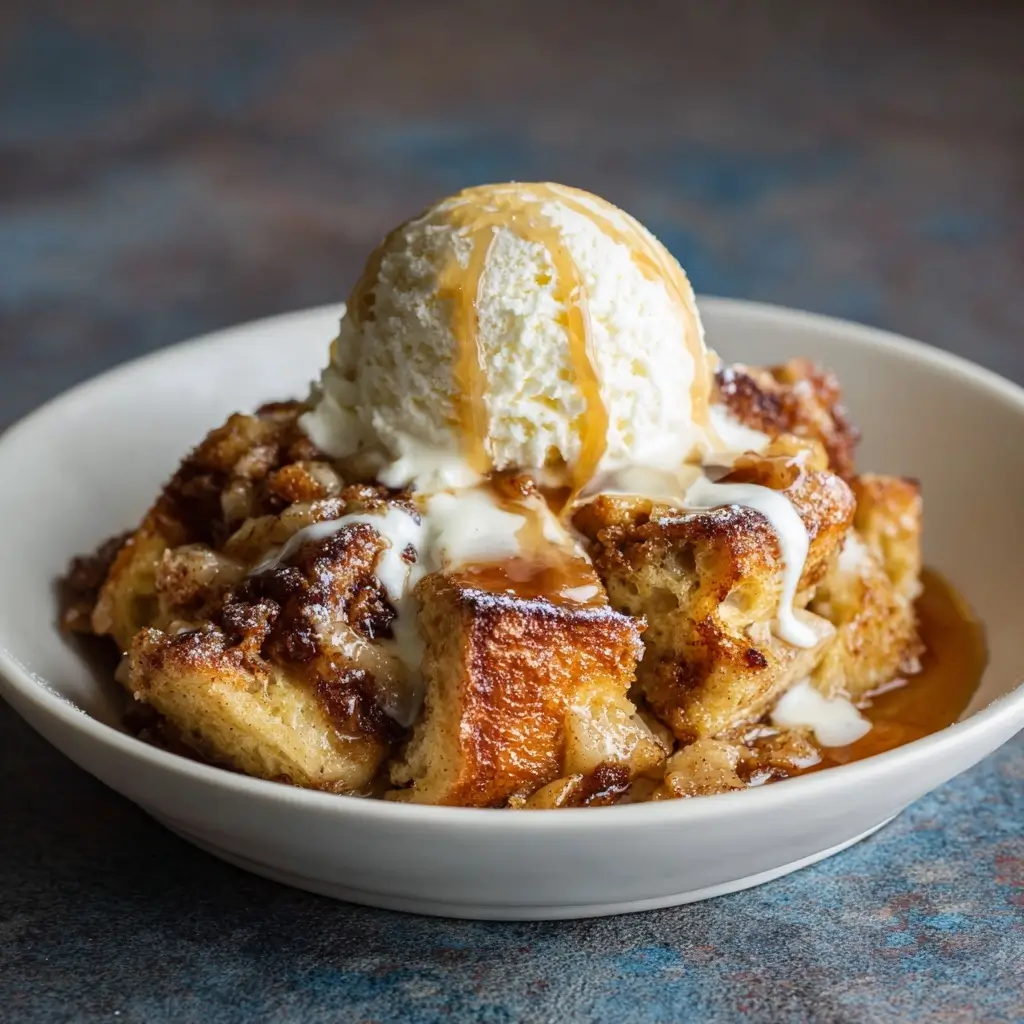
Apple Cinnamon Bread Pudding: A Warm, Comforting Classic
The History of Bread Pudding and Its Evolution
Bread pudding has a rich and storied history that traces back to the early Middle Ages, particularly in Europe. Originally developed as a practical way to use up stale or leftover bread, it was known as “poor man’s pudding” because it transformed otherwise discarded food into a nourishing, satisfying dessert. Early versions were made with simple ingredients like milk, sugar, eggs, and breadcrumbs, often flavored with spices such as cinnamon or nutmeg if available.
As culinary traditions evolved, so did bread pudding. In England, it became more refined during the 17th and 18th centuries, appearing in cookbooks and aristocratic kitchens. Across the Atlantic, American settlers adapted the recipe using local ingredients—adding fruits like apples, raisins, and dried cranberries. The introduction of apple cinnamon bread pudding is believed to have emerged in New England, where apples are abundant and fall harvests inspired spiced, comforting desserts.
Today, apple cinnamon bread pudding is a beloved staple in American households, especially during autumn and holiday seasons. It combines the nostalgic warmth of cinnamon-spiced apples with the custardy richness of classic bread pudding, making it a favorite for Thanksgiving, Christmas, and Sunday family dinners. Modern bakers continue to elevate the dish with gourmet touches like bourbon-soaked raisins, crème anglaise, or caramel drizzle, but its humble roots remain at the heart of every bite.
Ingredients Breakdown: Why Each One Matters
The magic of apple cinnamon bread pudding lies not just in its flavor, but in how each ingredient contributes to its texture, aroma, and overall balance. Let’s take a closer look at what goes into this decadent dessert and why each component is essential:
- Bread (preferably slightly stale): The foundation of any bread pudding. Stale bread—such as brioche, challah, French bread, or even croissants—absorbs the custard mixture without disintegrating. Fresh bread can become too mushy, while dry bread soaks up flavors beautifully. The nooks and crannies in artisanal breads create pockets for the custard and apple filling, enhancing the eating experience.
- Apples: Choose firm, tart varieties like Granny Smith, Honeycrisp, or Braeburn. These hold their shape during baking and provide a bright contrast to the sweet custard. Apples add moisture, natural sweetness, and a refreshing tang that cuts through the richness.
- Cinnamon: A defining spice in this recipe, cinnamon adds warmth and depth. Ground cinnamon blends evenly into the custard, while a cinnamon stick can be steeped in warm milk for a subtler infusion. It pairs perfectly with apples and enhances the cozy, autumnal vibe.
- Eggs: Act as the binding agent, helping set the custard during baking. They contribute to the pudding’s delicate structure, ensuring it’s creamy yet sliceable.
- Milk and Cream: Whole milk or a blend of milk and heavy cream creates a rich, velvety custard base. The fat content ensures a luxurious mouthfeel and prevents curdling during baking.
- Sugar (brown and/or granulated): Sweetness is crucial, but brown sugar is especially favored here for its molasses notes, which complement both apples and cinnamon. You can adjust the amount based on your preference and the natural sweetness of the apples.
- Vanilla Extract: Adds aromatic complexity and rounds out the flavors. Pure vanilla extract is recommended over imitation for a more authentic taste.
- Butter: Used both in the pan (to prevent sticking and add flavor) and sometimes melted into the custard or drizzled over the top layer of bread for extra richness.
- Optional Add-Ins: Raisins, walnuts, pecans, or dried cranberries add texture and flavor variety. A splash of bourbon, rum, or apple cider can deepen the profile and enhance the fall-inspired essence.
Step-by-Step Recipe: How to Make Apple Cinnamon Bread Pudding from Scratch
Follow this detailed guide to create a moist, flavorful, and perfectly textured apple cinnamon bread pudding that will impress your family and guests alike.
Ingredients
- 6 cups cubed stale bread (brioche, challah, or French bread)
- 3 medium apples, peeled, cored, and diced (Granny Smith or Honeycrisp)
- 3 large eggs
- 2 cups whole milk
- 1 cup heavy cream
- ¾ cup packed brown sugar
- ¼ cup granulated sugar
- 1½ teaspoons ground cinnamon
- 1 teaspoon vanilla extract
- ¼ teaspoon ground nutmeg (optional)
- Pinch of salt
- 2 tablespoons unsalted butter, melted (plus extra for greasing)
- ½ cup raisins or chopped pecans (optional)
- 1 tablespoon lemon juice (to prevent apple browning)
Directions
- Preheat Oven & Prepare Pan: Preheat your oven to 350°F (175°C). Generously butter a 9×13-inch baking dish or a deep 2-quart casserole dish to prevent sticking and add flavor.
- Prepare Apples: In a bowl, toss the diced apples with lemon juice to keep them from browning. Set aside.
- Layer Bread and Apples: Spread half of the cubed bread evenly across the bottom of the prepared dish. Scatter half of the apples (and optional raisins or nuts) over the bread. Repeat with the remaining bread and apple mixture.
- Make the Custard: In a large mixing bowl, whisk together the eggs until smooth. Add brown sugar, granulated sugar, cinnamon, nutmeg, salt, and vanilla. Mix well. Gradually pour in the milk and heavy cream while whisking continuously to combine. Stir in the melted butter.
- Soak the Bread: Slowly pour the custard mixture evenly over the layered bread and apples. Use a spatula or spoon to gently press down on the bread cubes, ensuring they all get soaked. Let the mixture sit for 20–30 minutes at room temperature, allowing the bread to fully absorb the custard. If some pieces are still dry, press them down again halfway through.
- Bake: Place the dish in the preheated oven and bake for 45 to 55 minutes, or until the center is set and the top is golden brown. A knife inserted into the center should come out clean or with minimal wet crumbs. For an extra-crispy top, broil for the last 2–3 minutes (watch closely to avoid burning).
- Cool Slightly: Remove from the oven and let rest for 10–15 minutes before serving. This allows the custard to set further and makes slicing easier.
- Serve: Serve warm, optionally dusted with powdered sugar, drizzled with caramel sauce, or topped with whipped cream or vanilla ice cream.
Tips for the Perfect Apple Cinnamon Bread Pudding
- Use Stale Bread: Fresh bread releases too much moisture and can turn gummy. Leave your bread out overnight or toast it lightly in the oven at 300°F for 10 minutes to dry it out.
- Don’t Skip the Soak Time: Allowing the bread to soak ensures even absorption. Rushing this step leads to soggy bottoms and dry tops.
- Check Doneness Carefully: Ovens vary. Start checking at 40 minutes. The pudding should be puffed and spring back when touched, with only a slight jiggle in the center.
- Rotate the Pan: Halfway through baking, rotate the dish for even browning, especially if your oven has hot spots.
- Add a Water Bath (for ultra-creamy results): Place the baking dish inside a larger roasting pan and fill the outer pan with 1 inch of hot water. This gentle steam helps prevent curdling and creates a silkier texture.
- Enhance Flavor with Spices: Toast whole cinnamon sticks in a dry pan, grind them fresh, or add a pinch of cardamom or allspice for complexity.
- Balance Sweetness: Taste your apples first. If they’re very sweet, reduce the sugar slightly to avoid an overly sweet pudding.
Variations and Customizations
One of the joys of apple cinnamon bread pudding is how easily it adapts to different tastes, dietary needs, and seasonal inspirations. Here are some creative twists to try:
- Vegan Version: Substitute eggs with flax eggs (3 tbsp ground flaxseed + 9 tbsp water), use full-fat coconut milk instead of dairy, and choose plant-based bread. Use maple syrup instead of honey-based sugars.
- Gluten-Free Option: Use gluten-free bread (like almond flour or rice-based loaves). Be sure it’s sturdy enough to hold up to soaking.
- Dairy-Free: Replace milk and cream with oat milk, cashew milk, or a blend of coconut and almond milk for richness.
- Overnight Refrigerator Method: Assemble the bread, apples, and custard in the evening, cover, and refrigerate overnight. Bake the next morning for a perfect brunch or holiday breakfast treat.
- Fruit Variations: Swap apples for pears, peaches, or mixed berries. Try adding orange zest for brightness.
- Nut & Seed Upgrades: Toasted walnuts, pecans, or pumpkin seeds add crunch. For a protein boost, sprinkle chia or hemp seeds into the custard.
- Liquor Infusions: Add 2–3 tablespoons of bourbon, dark rum, or Calvados (apple brandy) to the custard for a sophisticated adult twist.
- Mini Individual Puddings: Use ramekins or muffin tins for personal-sized servings. Reduce baking time to 25–35 minutes.
- Savory-Sweet Twist: Add a pinch of cayenne or smoked paprika for heat, or layer in sharp cheddar cheese with the apples for a sweet-and-savory combo.
Health Considerations and Nutritional Value
While apple cinnamon bread pudding is undeniably indulgent, it can be enjoyed in moderation as part of a balanced diet. Here’s a breakdown of its nutritional aspects:
Nutritional Highlights (per serving, based on 8 servings):
- Calories: ~320–380 kcal
- Protein: 8–10g (from eggs and dairy)
- Fat: 15–20g (mostly from cream and butter; includes saturated fat)
- Carbohydrates: 40–45g (including 20–25g sugars)
- Fiber: 2–3g (from apples and whole grain bread if used)
- Calcium: Good source (from milk and cream)
- Vitamin C: From apples
- B Vitamins: From eggs and whole grains
Health Notes:
- High in Sugar and Fat: Traditional recipes are rich in added sugars and saturated fats. To lighten it up, use low-fat milk, reduce sugar by 25%, or substitute half with applesauce.
- Portion Control is Key: Serve modest slices and pair with a green salad or fresh fruit to balance the meal.
- Better Bread Choices: Opt for whole grain or multigrain bread to increase fiber and nutrients.
- Apples Add Antioxidants: Rich in quercetin and fiber, apples help offset some of the indulgence with health benefits.
- Dairy Sensitivity? Explore lactose-free or plant-based alternatives carefully, as some non-dairy milks may curdle when baked.
Frequently Asked Questions (FAQ)
Can I make apple cinnamon bread pudding ahead of time?
Yes! Assemble the entire dish (without baking), cover, and refrigerate for up to 24 hours. When ready, bake as directed—add 5–10 minutes if going straight from fridge to oven.
How do I store leftovers?
Cover tightly and refrigerate for up to 4 days. Reheat individual portions in the microwave (1–2 minutes) or warm in the oven at 300°F for 15 minutes.
Can I freeze bread pudding?
Absolutely. Wrap cooled pudding tightly in plastic and foil, then freeze for up to 3 months. Thaw overnight in the fridge and reheat before serving.
Why is my bread pudding runny?
This usually means it wasn’t baked long enough or the bread didn’t absorb properly. Ensure you use stale bread and bake until a knife comes out mostly clean. Let it rest after baking—it continues to set as it cools.
Can I use fresh bread?
You can, but it’s best to dry it first. Cut into cubes and leave uncovered for a few hours, or bake at 300°F for 10 minutes to remove moisture.
What kind of apples work best?
Firm, tart apples like Granny Smith hold their shape. Sweeter types like Honeycrisp or Fuji work too but may soften more.
Is bread pudding the same as strata?
No. Strata is savory, often includes cheese and meat, and uses a similar custard method but is typically served for brunch.
Can I make it without eggs?
Yes, though texture will change. Use silken tofu blended with milk, or a commercial egg replacer designed for baking.
Summary
Apple cinnamon bread pudding is a heartwarming dessert that blends tender baked apples, warm spices, and a silky custard-soaked bread base into one unforgettable dish. Perfect for holidays, brunches, or cozy nights in, it’s a timeless treat that turns simple ingredients into something extraordinary.