Introduction
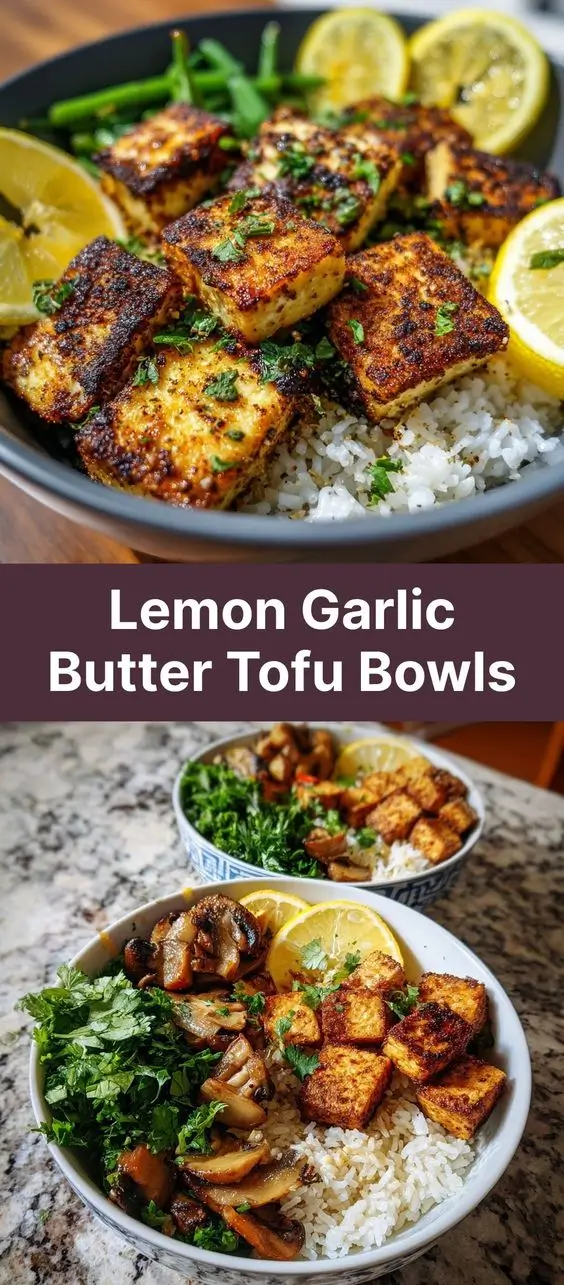
Welcome to a vibrant, flavorful, and wholesome meal that brings together the bright tang of lemon, the savory depth of garlic, and the rich silkiness of butter—all in a plant-powered tofu bowl. The Lemon Garlic Butter Tofu Bowl is more than just a dish; it’s an experience on a plate. Perfect for lunch or dinner, this bowl combines protein-rich tofu with a luscious sauce, fresh vegetables, and your favorite grains to create a satisfying, nutritious meal that doesn’t skimp on taste. Whether you’re a committed vegan, flexitarian, or simply looking to explore delicious meatless options, this recipe delivers bold flavor and comforting textures in every bite.
The History
While tofu has been a staple in East Asian cuisines for over 2,000 years—originating in China during the Han dynasty—the concept of “buttery” tofu bowls is a modern culinary innovation born from fusion cooking and the rise of plant-based diets. Traditional tofu dishes often rely on soy sauce, ginger, and sesame oil for flavor, but Western influences have introduced ingredients like garlic, butter (or butter substitutes), and citrus to create bolder, richer profiles. The lemon garlic butter combination, commonly found in seafood and chicken dishes across Mediterranean and American kitchens, has now been creatively adapted to plant-based proteins like tofu. This reflects a broader trend in global cuisine: blending traditional techniques with contemporary tastes to make vegan food exciting, accessible, and gourmet. The tofu bowl format itself gained popularity in the 2010s alongside the grain bowl movement, which emphasizes balanced meals built around whole grains, proteins, vegetables, and flavorful sauces—all served in a single, easy-to-eat vessel.
Ingredients Breakdown
The magic of this Lemon Garlic Butter Tofu Bowl lies in its harmonious blend of simple yet powerful ingredients. Each component plays a crucial role in building layers of flavor, texture, and nutrition.
- Firm or Extra-Firm Tofu: The star of the dish. Choosing firm or extra-firm tofu ensures it holds its shape during pressing, marinating, and pan-searing. It acts as a blank canvas that absorbs the zesty lemon-garlic-butter sauce beautifully.
- Nutritional Yeast: Adds a cheesy, umami-rich depth that complements the buttery sauce without using dairy. A must-have in vegan cooking for its B-vitamins and savory flavor.
- Lemon Juice and Zest: Freshly squeezed lemon juice provides acidity that cuts through richness, while lemon zest adds aromatic brightness. Always opt for fresh lemons over bottled juice for optimal flavor.
- Garlic: Minced fresh garlic offers pungency and warmth. When sautéed gently in butter, it becomes sweet and deeply fragrant—a cornerstone of the sauce.
- Vegan Butter or Olive Oil: Vegan butter (like Miyoko’s or Earth Balance) mimics the creamy richness of dairy butter, enhancing mouthfeel. For oil-free versions, use olive oil or omit entirely with a water-sauté technique.
- Soy Sauce or Tamari: Provides saltiness and umami. Tamari is gluten-free and slightly smoother in taste, making it ideal for those with sensitivities.
- Maple Syrup or Agave: A touch of sweetness balances the tartness of lemon and saltiness of soy sauce, rounding out the flavor profile.
- Arrowroot Powder or Cornstarch: Used to thicken the sauce slightly, giving it a glossy, restaurant-quality finish.
- Grains (Quinoa, Brown Rice, Farro, etc.): Serve as the hearty base. Quinoa is especially popular due to its complete protein content and fluffy texture.
- Vegetables: Broccoli, bell peppers, snap peas, spinach, kale, or zucchini add color, crunch, and essential nutrients. Roasting or sautéing enhances their natural sweetness.
- Green Onions and Fresh Herbs: Chopped green onions, parsley, or cilantro add freshness and visual appeal when sprinkled on top.
- Toasted Sesame Seeds or Slivered Almonds: Optional garnish for nutty flavor and crunch.
Step-by-Step Recipe
- Press the Tofu: Begin by draining the tofu and wrapping it in a clean kitchen towel or paper towels. Place a heavy object (like a cast-iron skillet or books) on top and let it press for 20–30 minutes. This removes excess moisture, allowing the tofu to crisp up better when cooked.
- Cut and Marinate: Once pressed, cut the tofu into ¾-inch cubes. In a mixing bowl, whisk together 3 tablespoons lemon juice, 1 tablespoon soy sauce, 1 teaspoon maple syrup, and 1 minced garlic clove. Add tofu cubes and gently toss to coat. Let marinate for at least 15 minutes (or up to 1 hour in the fridge for deeper flavor).
- Prepare the Base: While tofu marinates, cook your chosen grain according to package instructions. For quinoa, use a 1:2 ratio of quinoa to water, bring to a boil, then simmer covered for 15 minutes. Fluff with a fork and set aside.
- Cook the Vegetables: Heat 1 tablespoon of olive oil in a large skillet over medium heat. Add chopped broccoli, bell peppers, and any other sturdy vegetables. Sauté for 6–8 minutes until tender-crisp. Season lightly with salt and pepper. Remove and set aside.
- Pan-Seared Tofu: In the same skillet, heat 1–2 tablespoons of vegan butter over medium-high heat. Add marinated tofu (reserve the marinade) and sear for 3–4 minutes per side until golden brown and crispy. Remove and set aside with the vegetables.
- Make the Lemon Garlic Butter Sauce: Reduce heat to medium-low. Add another tablespoon of vegan butter to the skillet. Sauté 2–3 minced garlic cloves for 30 seconds until fragrant (do not burn). Pour in the reserved marinade along with ¼ cup water. Stir in 1 tablespoon nutritional yeast and 1 teaspoon arrowroot powder mixed with 1 tablespoon cold water. Whisk continuously until the sauce thickens slightly—about 2–3 minutes. Finish with lemon zest and a splash of fresh lemon juice.
- Combine and Assemble: Return the tofu and vegetables to the skillet and gently toss to coat in the sauce. Warm through for 1–2 minutes.
- Build the Bowls: Divide the cooked grains among four bowls. Top with the saucy tofu and vegetable mixture. Garnish generously with sliced green onions, chopped parsley, toasted sesame seeds, and extra lemon zest. Serve immediately.
Tips
- Maximize Crispiness: For extra-crispy tofu, after pressing, toss the cubes in 1 tablespoon cornstarch before pan-searing. This creates a delicate crust that holds up well against the sauce.
- Don’t Overcrowd the Pan: When searing tofu, work in batches if necessary. Overcrowding causes steaming instead of browning.
- Use Fresh Garlic: Pre-minced garlic from a jar lacks the vibrant punch of freshly minced cloves. Always go fresh for best results.
- Balancing Acidity: If the lemon flavor is too sharp, balance it with a bit more maple syrup or a spoonful of tahini for creaminess.
- Meal Prep Friendly: Components can be made ahead. Store grains, tofu, and veggies separately in airtight containers for up to 4 days. Reheat and combine with fresh sauce when ready to serve.
- Add Greens at the End: If using leafy greens like spinach or arugula, stir them in off the heat just before serving to retain freshness and prevent wilting.
- Sauce Consistency: If the sauce thickens too much upon standing, loosen it with a splash of warm water or vegetable broth before serving.
Variations and Customizations
This recipe is highly adaptable to suit different tastes, dietary needs, and seasonal ingredients.
- Protein Swap: Replace tofu with tempeh, seitan, chickpeas, or even grilled portobello mushrooms for a different twist.
- Gluten-Free Option: Use tamari instead of soy sauce and ensure all other ingredients are certified gluten-free.
- Oil-Free Version: Skip the vegan butter and sauté tofu and vegetables in a splash of vegetable broth or water. The sauce can be made with water-sautéed garlic and thickened with blended cashews for creaminess.
- Creamy Upgrade: Blend soaked cashews with lemon juice and water to create a dairy-free “creamy butter” sauce that’s luxuriously smooth.
- Mediterranean Twist: Add kalamata olives, sun-dried tomatoes, artichoke hearts, and a sprinkle of oregano for a Mediterranean flair.
- Asian-Inspired Version: Swap lemon for yuzu or rice vinegar, add ginger, chili flakes, and a drizzle of sriracha mayo for an umami-spicy kick.
- Grain Alternatives: Try cauliflower rice for low-carb, wild rice for earthiness, or couscous for speed and fluffiness.
- Seasonal Veggie Rotations: In spring, use asparagus and peas; in fall, try roasted butternut squash and Brussels sprouts; in winter, go for hearty root vegetables.
- Add Heat: Include red pepper flakes, sliced jalapeños, or a dash of hot sauce to give the bowl a spicy edge.
- Nut-Free Option: Omit nuts and seeds, and use pumpkin seeds or hemp seeds for crunch instead.
Health Considerations and Nutritional Value
The Lemon Garlic Butter Tofu Bowl is not only delicious but also packed with health-promoting properties when prepared mindfully.
- High-Quality Plant Protein: Tofu is a complete protein, meaning it contains all nine essential amino acids. A ½-cup serving provides about 10 grams of protein, supporting muscle repair and satiety.
- Heart-Healthy Fats: Using moderate amounts of vegan butter or olive oil contributes monounsaturated and polyunsaturated fats, which support cardiovascular health. Opt for unsaturated fats over trans or saturated fats whenever possible.
- Rich in Vitamins and Minerals: Leafy greens offer vitamin K, iron, and folate; bell peppers are high in vitamin C; and broccoli delivers fiber, antioxidants, and sulforaphane, a compound studied for its anti-cancer properties.
- Low in Cholesterol and Saturated Fat: Naturally cholesterol-free and low in saturated fat (especially when using minimal oil), this dish supports heart health and healthy weight management.
- Digestive Benefits: Whole grains like quinoa and brown rice provide complex carbohydrates and fiber, promoting stable blood sugar and healthy digestion.
- Liver Support: Garlic contains allicin, known for its antimicrobial and liver-detoxifying effects. Lemon supports hydration and may aid liver function due to its citric acid content.
- Consider Sodium Levels: Soy sauce and store-bought vegan butter can be high in sodium. To reduce sodium, use low-sodium tamari, make your own sauce from scratch, and limit added salt.
- Phytoestrogens in Tofu: Tofu contains isoflavones, plant compounds that mimic estrogen. Research shows moderate soy consumption is safe and potentially beneficial for most people, including those concerned about hormonal health. However, individuals with specific thyroid conditions should consult a healthcare provider about soy intake.
- Allergen Awareness: Check labels if using store-bought vegan butter or broth, as some may contain allergens like soy, nuts, or gluten.
A typical serving of this bowl (with quinoa, tofu, mixed vegetables, and moderate sauce) contains approximately:
- Calories: 450–550
- Protein: 18–22g
- Carbohydrates: 50–60g
- Fiber: 8–10g
- Fat: 18–22g (mostly unsaturated)
- Sodium: 600–900mg (adjustable based on ingredients)
Ingredients
- 1 block (14 oz) extra-firm tofu, pressed and cubed
- 3 tbsp fresh lemon juice (about 1 large lemon)
- 1 tsp lemon zest
- 1 tbsp soy sauce or tamari
- 1 tsp maple syrup or agave nectar
- 1 clove garlic, minced (plus 2–3 more for sauce)
- 2–3 tbsp vegan butter or olive oil (divided)
- 1 tbsp nutritional yeast
- 1 tsp arrowroot powder or cornstarch
- 1 cup uncooked quinoa (or grain of choice)
- 2 cups water or vegetable broth (for cooking quinoa)
- 2 cups mixed vegetables (e.g., broccoli florets, sliced bell peppers, snap peas)
- 2 green onions, sliced
- 2 tbsp chopped fresh parsley or cilantro
- 1 tbsp toasted sesame seeds or slivered almonds (optional)
- Salt and pepper to taste
Directions
- Press tofu for 20–30 minutes, then cut into cubes.
- In a bowl, mix 3 tbsp lemon juice, 1 tbsp soy sauce, 1 tsp maple syrup, and 1 minced garlic clove. Add tofu and marinate for 15–60 minutes.
- Cook quinoa: Rinse quinoa, then combine with 2 cups water or broth in a saucepan. Bring to a boil, reduce heat, cover, and simmer for 15 minutes. Remove from heat, fluff, and set aside.
- Heat 1 tbsp olive oil in a large skillet over medium heat. Add vegetables and sauté for 6–8 minutes until tender-crisp. Season with salt and pepper. Transfer to a plate.
- Heat 1–2 tbsp vegan butter in the same skillet over medium-high heat. Add tofu (reserve marinade) and cook 3–4 minutes per side until golden. Remove and set aside.
- Reduce heat to medium-low. Melt 1 tbsp vegan butter, add 2–3 minced garlic cloves, and sauté for 30 seconds.
- Pour in reserved marinade and ¼ cup water. Stir in 1 tbsp nutritional yeast and 1 tsp arrowroot slurry (arrowroot + 1 tbsp water). Simmer 2–3 minutes until sauce thickens.
- Stir in lemon zest and additional lemon juice to taste.
- Return tofu and vegetables to the skillet. Toss to coat and warm for 1–2 minutes.
- Assemble bowls: Divide quinoa among four bowls. Top with tofu-vegetable mixture.
- Garnish with green onions, parsley, sesame seeds, and extra lemon zest.
- Serve immediately, with extra lemon wedges on the side.
FAQ
Can I bake the tofu instead of pan-frying?
Yes! Arrange marinated tofu on a parchment-lined baking sheet and bake at 400°F (200°C) for 25–30 minutes, flipping halfway, until crispy. Baking yields evenly browned tofu with less hands-on time.
Is this recipe truly vegan?
Yes, as long as you use vegan butter and ensure all other ingredients (like broth or soy sauce) are plant-based and free from animal derivatives.
Can I freeze this dish?
The tofu and sauce hold up reasonably well when frozen, though the texture may soften slightly upon thawing. Freeze in airtight containers for up to 2 months. Reheat gently on the stove with a splash of water to refresh the sauce.
How do I prevent the sauce from breaking or separating?
Avoid boiling the sauce vigorously. Keep heat low when adding the arrowroot slurry and whisk constantly. If using nut-based butter, stir gently to prevent oil separation.
What can I use instead of arrowroot?
Cornstarch works identically. For a whole-food alternative, blend 2 tbsp raw cashews with the sauce ingredients for natural thickening and creaminess.
Can I make this nut-free?
Absolutely. Use seed-based vegan butter (like sunflower-based) or olive oil, and skip nut toppings. Ensure all packaged ingredients are certified nut-free.
Why is my tofu rubbery?
This usually happens if the tofu wasn’t pressed enough or was undercooked. Press thoroughly and allow sufficient searing time to develop a crisp exterior and tender interior.
Can I use silken tofu?
No—silken tofu is too soft and will fall apart during cooking. Stick to firm or extra-firm tofu for this recipe.
Can I prep this for meal prep?
Yes! Cook grains, tofu, and veggies separately and store for up to 4 days. Reheat and combine with fresh sauce to maintain texture and flavor.
Is tofu healthy?
Yes, tofu is low in calories, high in protein and calcium (if calcium-set), and contains beneficial plant compounds. It’s a nutritious addition to a balanced diet when consumed in moderation.
Summary
The Lemon Garlic Butter Tofu Bowl is a vibrant, nutrient-dense meal that combines crispy pan-seared tofu with a rich, tangy sauce and wholesome grains and vegetables. Packed with flavor, protein, and plant-powered goodness, it’s a versatile, satisfying dish perfect for weeknight dinners or meal prep.