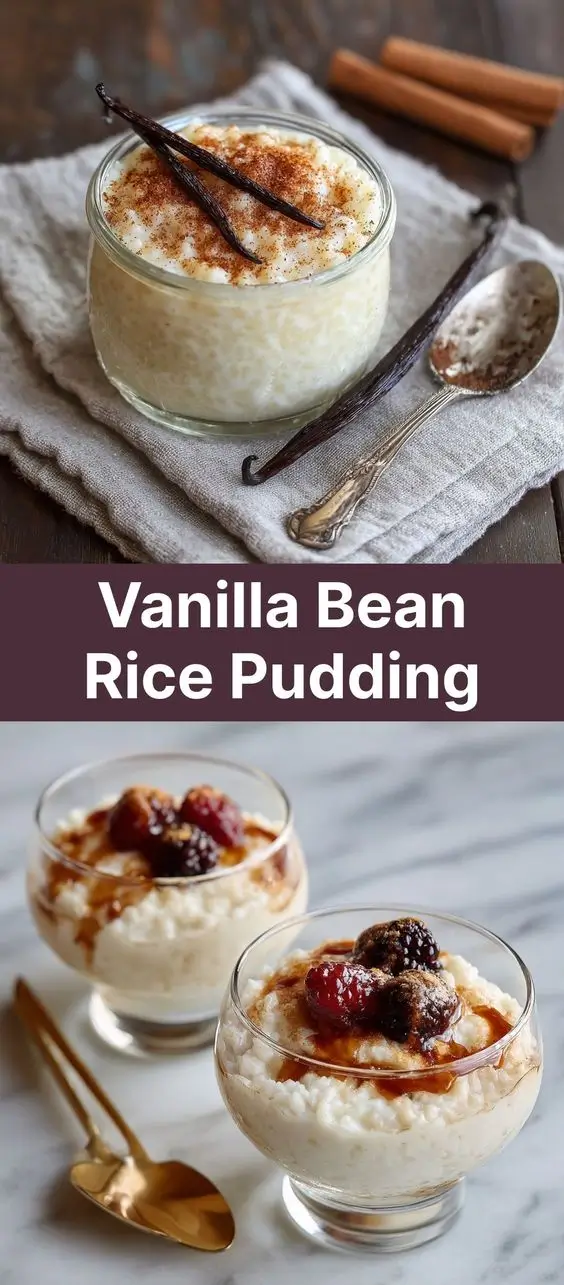
Vanilla Bean Rice Pudding: A Timeless Comfort Dessert
The History of Vanilla Bean Rice Pudding
Rice pudding is one of the oldest known desserts, with origins tracing back to ancient civilizations. Historical records suggest that rice-based milk puddings were enjoyed in China as early as the Han Dynasty (206 BCE–220 CE), where rice was boiled with milk and sweetened naturally. As trade routes expanded, the concept of rice pudding traveled westward through the Middle East and into Europe. By the Middle Ages, rice pudding had become a staple in European households, particularly in countries like England, Sweden, and Spain, where it was often served during religious festivals or as a nourishing meal for the sick.
The addition of vanilla transformed this humble dish into a luxurious dessert. Vanilla, originally cultivated by the Totonac people of Mexico and later adopted by the Aztecs, was introduced to Europe by Spanish explorers in the 15th century. Its rich, floral aroma and complex sweetness made it a prized ingredient among European chefs and nobility. Over time, vanilla became synonymous with elegance in desserts, and its use in rice pudding elevated the dish from peasant fare to a refined delicacy. Today, Vanilla Bean Rice Pudding is cherished worldwide not only for its creamy texture and comforting warmth but also for its deep cultural roots and historical evolution across continents.
Ingredients Breakdown
The magic of Vanilla Bean Rice Pudding lies in the harmony of simple, high-quality ingredients. Each component plays a crucial role in creating the final texture, flavor, and aroma:
- Arborio Rice: Known for its high starch content, Arborio rice is traditionally used in risotto but works beautifully in rice pudding. As it cooks slowly in milk, it releases starch, giving the pudding its signature creamy consistency without needing thickeners.
- Whole Milk and Heavy Cream: Using both whole milk and heavy cream ensures a luxuriously rich base. The fat content in these dairy products contributes to smoothness and mouthfeel, preventing the pudding from being too watery or thin.
- Real Vanilla Bean: A single split vanilla bean pod imparts an unparalleled depth of flavor. Scraping the tiny black seeds into the mixture infuses the pudding with aromatic compounds like vanillin, providing a floral, sweet, and slightly woody essence that imitation vanilla cannot replicate.
- Granulated Sugar: This provides balanced sweetness. While some prefer alternatives like brown sugar or maple syrup, granulated sugar dissolves cleanly and doesn’t overpower the delicate vanilla notes.
- Egg Yolk (Optional): Some traditional recipes include egg yolk to enrich the custard-like texture and add silkiness. It also helps stabilize the pudding and prevent curdling when heated gently.
- Pinch of Salt: Enhances all the flavors, balancing sweetness and bringing out the natural taste of the other ingredients.
- Ground Cinnamon or Nutmeg (Optional): These warm spices complement vanilla beautifully and are often sprinkled on top before serving for added complexity.
Step-by-Step Recipe
- Prepare the Vanilla Bean: Take one fresh vanilla bean and slice it lengthwise using a sharp knife. Use the back of the knife to scrape out the tiny black seeds inside the pod. Set both the seeds and the empty pod aside for later use.
- Combine Liquids and Vanilla: In a medium-sized, heavy-bottomed saucepan, pour in 4 cups of whole milk and 1 cup of heavy cream. Add the scraped vanilla seeds and the entire split vanilla pod to the pot. This ensures maximum extraction of flavor during cooking.
- Heat Gently: Place the saucepan over medium-low heat. Warm the milk mixture slowly, stirring occasionally to prevent scorching. Do not let it boil—aim for just below simmering point (around 180°F or 82°C).
- Add Rice: Stir in ½ cup of Arborio rice. Reduce the heat to low and cook uncovered, stirring frequently. The slow cooking process allows the rice to absorb the milk gradually while releasing starch.
- Cook Slowly: Continue cooking for 45 minutes to 1 hour, maintaining a gentle simmer. Stir every few minutes to ensure even cooking and prevent sticking. The pudding is ready when the rice is tender, plump, and suspended in a thick, creamy sauce.
- Sweeten the Mixture: Once the rice is fully cooked, stir in ⅔ cup of granulated sugar (adjust to taste). Let it dissolve completely into the warm pudding.
- Optional Egg Enrichment: For a richer texture, temper one large egg yolk by whisking it with a few tablespoons of the hot pudding, then slowly pouring it back into the saucepan. Cook for another 2–3 minutes on low heat, stirring constantly. Do not allow the mixture to boil after adding eggs to avoid curdling.
- Remove Vanilla Pod: After cooking, fish out the spent vanilla pod and discard it. You can rinse and dry it for reuse in making vanilla sugar or extract.
- Cool and Chill: Transfer the pudding to individual serving bowls or a large container. Press plastic wrap directly onto the surface of each portion to prevent a skin from forming. Refrigerate for at least 2 hours before serving.
- Serve: Serve chilled or slightly warmed. Garnish with a sprinkle of ground cinnamon, freshly grated nutmeg, or a dollop of whipped cream if desired.
Tips for Perfect Vanilla Bean Rice Pudding
- Use Real Vanilla Beans: Avoid artificial vanilla extract if possible. Real beans offer a multidimensional flavor profile that enhances the overall experience. If you must substitute, use 1–2 teaspoons of pure vanilla extract added at the end of cooking.
- Stir Frequently: Constant stirring prevents the rice from settling and burning on the bottom of the pan. A wooden spoon works best for scraping the edges.
- Low and Slow Cooking: Rushing the process leads to uneven texture or scorched milk. Patience is key—let the rice absorb the liquid slowly for optimal creaminess.
- Don’t Skip the Pod: Leaving the empty vanilla pod in during cooking continues to infuse flavor. Remove only after cooling begins.
- Adjust Sweetness Later: Taste the pudding before serving. If storing overnight, flavors meld and may seem sweeter, so consider starting with less sugar and adjusting upon reheating.
- Leftovers Thicken: As the pudding chills, it will thicken further. To loosen, stir in a splash of warm milk or cream before serving.
- Double Batch Friendly: This recipe scales well. Double the ingredients and store extra portions in airtight containers for up to 4 days in the refrigerator.
Variations and Customizations
While classic Vanilla Bean Rice Pudding is divine on its own, there are countless ways to personalize it based on dietary preferences, seasonal ingredients, or cultural influences:
- Dairy-Free Version: Substitute whole milk and heavy cream with full-fat coconut milk and almond milk. Add a tablespoon of cornstarch slurry (cornstarch mixed with cold plant milk) near the end to mimic richness.
- Vegan Option: Combine coconut milk with cashew milk, omit egg yolk, and sweeten with maple syrup or agave nectar. For extra creaminess, blend in soaked cashews before chilling.
- Flavor Infusions: Steep additional aromatics along with the vanilla bean—such as a cinnamon stick, star anise, orange zest, or cardamom pods—for unique twists. Strain them out before serving.
- Fruit-Enhanced Pudding: Fold in stewed berries, poached pears, caramelized bananas, or roasted peaches after cooling. Top with fresh fruit before serving for brightness.
- Nutty Crunch: Sprinkle toasted almonds, pecans, or walnuts on top for texture contrast. Drizzle with honey or salted caramel sauce for indulgence.
- Alcohol-Infused: Stir in a tablespoon of dark rum, bourbon, or amaretto after removing from heat for an adult version. Let cool before serving.
- Baked Rice Pudding: Transfer the stovetop mixture to a greased baking dish, top with breadcrumbs or crushed cookies, and bake at 325°F (160°C) for 45 minutes until set. This method yields a firmer, casserole-style texture.
- Savory-Sweet Fusion: Reduce sugar and add a pinch of sea salt and saffron threads for a Persian-inspired take reminiscent of “sholezard.” Garnish with rose petals and pistachios.
Health Considerations and Nutritional Value
Vanilla Bean Rice Pudding, while delicious, should be enjoyed in moderation due to its calorie and sugar content. However, it does offer some nutritional benefits depending on preparation methods:
- Calcium and Protein: From milk and cream, this dessert provides a moderate amount of calcium for bone health and protein for tissue repair.
- Energy Source: The carbohydrates from rice and sugar make it a good source of quick energy, ideal as an occasional post-workout treat or comfort food during colder months.
- Digestibility: Well-cooked rice is gentle on the stomach and often recommended for sensitive digestive systems, especially when made without excessive fat.
- Considerations for Dietary Restrictions:
- Lactose Intolerance: Use lactose-free milk or plant-based alternatives.
- Diabetes: Opt for low-glycemic sweeteners like erythritol or monk fruit, reduce sugar quantity, and pair with fiber-rich toppings like berries.
- Gluten Sensitivity: Naturally gluten-free, provided no cross-contamination occurs.
- Weight Management: Serve in small portions and skip heavy cream for lower-fat milk versions.
- Nutrition Per Serving (approx. ¾ cup, standard recipe):
- Calories: ~290
- Total Fat: 14g
- Saturated Fat: 8g
- Cholesterol: 45mg
- Carbohydrates: 35g
- Sugars: 25g
- Protein: 7g
- Calcium: 20% DV
Note: Values vary significantly with substitutions. Vegan or reduced-sugar versions can lower calories and fat content substantially.
Ingredients
- 1 whole vanilla bean (or 2 tsp pure vanilla extract)
- 4 cups whole milk
- 1 cup heavy cream
- ½ cup Arborio rice
- ⅔ cup granulated sugar (adjust to taste)
- Pinch of fine sea salt
- 1 large egg yolk (optional, for extra creaminess)
- Ground cinnamon or nutmeg, for garnish
Directions
- Split the vanilla bean lengthwise and scrape out the seeds. Add both seeds and pod to a saucepan with milk and heavy cream.
- Warm the mixture over medium-low heat until steaming (do not boil).
- Stir in Arborio rice, reduce heat to low, and simmer gently for 45–60 minutes, stirring frequently, until rice is soft and pudding is thick and creamy.
- Add sugar and salt, stirring until dissolved.
- (Optional) Temper egg yolk with a ladle of hot pudding, then return to saucepan. Cook 2–3 more minutes, stirring constantly, until slightly thicker.
- Remove from heat. Discard vanilla pod.
- Cover surface with plastic wrap and refrigerate for at least 2 hours.
- Serve cold or warm, garnished with cinnamon, nutmeg, or whipped cream.
FAQ
Can I use instant rice?
No—instant rice lacks the starch needed for creaminess and breaks down too quickly. Stick to Arborio, short-grain, or sushi rice.
How long does homemade rice pudding last?
Up to 4 days in the refrigerator when stored in airtight containers.
Can I freeze it?
Yes, though texture may change slightly upon thawing. Freeze in portioned containers for up to 2 months. Thaw in the fridge and reheat gently with a splash of milk.
Why did my pudding turn out grainy?
This usually happens if the heat was too high, causing rapid evaporation or curdling. Always cook low and slow with consistent stirring.
Can I make it in a slow cooker?
Absolutely! Combine all ingredients (except egg yolk) in a slow cooker. Cook on LOW for 2.5 to 3 hours, stirring once halfway. Add egg yolk at the end if using, then cool and chill.
Is rice pudding safe for kids?
Yes, especially when made without alcohol. It’s often used as a weaning food due to its mild flavor and soft texture.
Can I use brown rice?
Yes, but it requires longer cooking—up to 90 minutes—and yields a chewier texture. Soak brown rice for 30 minutes beforehand for better results.
Summary
Vanilla Bean Rice Pudding is a decadent yet comforting dessert that blends centuries of culinary tradition with the luxurious aroma of real vanilla. Creamy, subtly sweet, and endlessly customizable, it’s perfect for cozy nights, holiday gatherings, or elegant dinner parties.