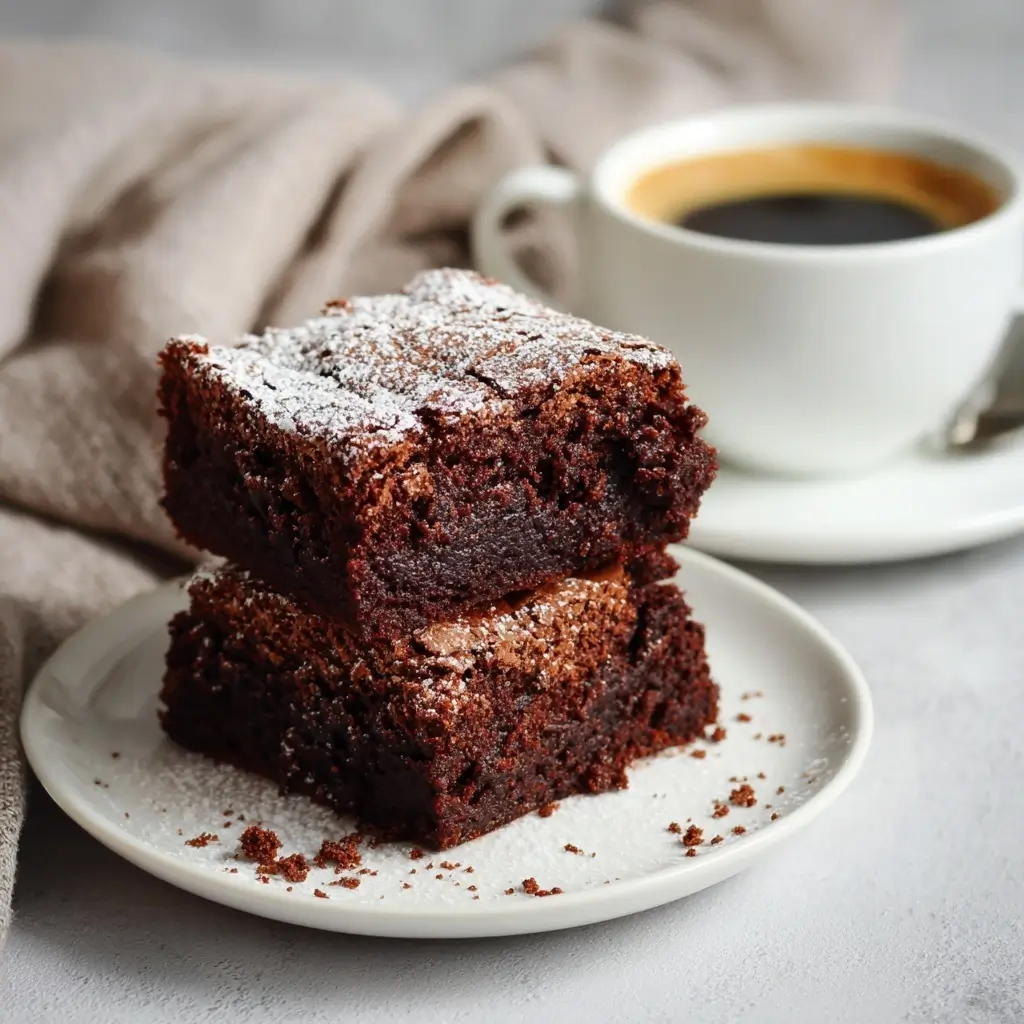
Chocolate Espresso Brownies: A Decadent Fusion of Rich Chocolate and Bold Coffee
The History of Chocolate Espresso Brownies
The story of brownies begins in the late 19th century, with their first known appearance at the Palmer House Hotel in Chicago around 1893. Originally a simple chocolate confection, brownies evolved over time as bakers experimented with textures, ingredients, and flavor profiles. The addition of espresso or coffee to chocolate desserts isn’t new—chefs have long known that coffee enhances the depth of chocolate without overpowering it. This synergy between cocoa and coffee dates back to European pastry traditions, where café culture and chocolatiers often overlapped.
Chocolate espresso brownies emerged as a modern twist on the classic dessert, combining the fudgy richness of traditional brownies with the bold, aromatic punch of freshly brewed espresso. By the early 2000s, as specialty coffee culture surged and home bakers embraced gourmet ingredients, espresso powder and concentrated coffee extracts became common additions to brownie recipes. Today, chocolate espresso brownies are a favorite among dessert lovers who appreciate complex flavor layers—a perfect marriage of indulgence and sophistication served in a square.
Ingredients Breakdown: What Makes These Brownies So Irresistible?
The magic of chocolate espresso brownies lies not just in their taste but in the careful balance of high-quality ingredients that create a dense, fudgy texture with an intense flavor profile. Let’s break down each component:
- Unsweetened Chocolate: Provides deep, pure cocoa flavor without added sugar. Using high-cocoa-content bars ensures richness and helps achieve that signature melt-in-the-mouth consistency.
- Espresso Powder or Strong Brewed Coffee: Enhances the chocolate notes rather than adding a distinct coffee taste. Even those who don’t enjoy coffee will notice its presence only as a flavor amplifier.
- Butter: Adds moisture, richness, and contributes to the crackly top when properly creamed with sugar. Unsalted butter is preferred for better control over sodium levels.
- Granulated Sugar: Not only sweetens but also aerates the batter during mixing, contributing to the shiny crust that forms during baking.
- Eggs: Bind the ingredients together while adding structure and lecithin, which emulsifies fats and liquids for a smooth texture.
- All-Purpose Flour: Offers just enough gluten development to hold the brownies together without making them cakey. Overmixing should be avoided to prevent toughness.
- Vanilla Extract: Complements both chocolate and coffee with warm, floral undertones, rounding out the overall flavor.
- Salt: Balances sweetness and heightens other flavors. A pinch can make a significant difference in perceived richness.
- Optional Add-ins: Chopped dark chocolate, chocolate chips, walnuts, pecans, or even sea salt flakes on top for a gourmet finish.
Step-by-Step Recipe: How to Make Perfect Chocolate Espresso Brownies
Follow this detailed guide to bake fudgy, intensely flavored chocolate espresso brownies every time.
Ingredients
- 8 oz (225g) unsweetened chocolate, coarsely chopped
- 1 cup (2 sticks / 227g) unsalted butter, cut into pieces
- 2 cups (400g) granulated sugar
- 4 large eggs, at room temperature
- 1 tablespoon pure vanilla extract
- 1/3 cup (35g) all-purpose flour, sifted
- 1/4 teaspoon salt
- 2 teaspoons instant espresso powder (or 1 tablespoon cooled strong brewed coffee)
- 1/2 cup (90g) chopped walnuts or pecans (optional)
- 1/2 cup (90g) chocolate chips (dark, milk, or white – optional)
Directions
- Preheat Oven & Prepare Pan: Preheat your oven to 350°F (175°C). Line a 9×9-inch metal baking pan with parchment paper, leaving overhang on two sides for easy removal. Lightly grease the parchment if needed.
- Melt Chocolate and Butter: In a heatproof bowl set over a simmering water bath (double boiler), combine the chopped chocolate and butter. Stir frequently until completely melted and smooth. Remove from heat and let cool slightly.
- Add Sugar and Espresso: Stir in the granulated sugar, espresso powder, and vanilla extract into the warm chocolate mixture. Mix until well combined. If using liquid coffee instead of powder, add it now.
- Incorporate Eggs One at a Time: Add the eggs one at a time, whisking vigorously after each addition until the batter becomes glossy and thick—about 30–40 seconds per egg. This step is crucial for achieving the shiny, crackly top characteristic of great brownies.
- Fold in Dry Ingredients: Gently fold in the sifted flour and salt using a spatula. Mix just until no streaks of flour remain. Do not overmix.
- Add Mix-ins: Fold in chopped nuts and/or chocolate chips if using.
- Pour Batter into Pan: Spread the batter evenly into the prepared pan, smoothing the top with the spatula. For extra flair, sprinkle a few whole chocolate chips or a pinch of flaky sea salt on top.
- Bake Until Set: Bake for 28–35 minutes, or until a toothpick inserted into the center comes out with moist crumbs (not wet batter). Avoid overbaking to maintain fudginess.
- Cool Completely: Allow the brownies to cool in the pan on a wire rack for at least 1 hour before lifting them out using the parchment overhang. Chill in the refrigerator for 30 minutes for cleaner cuts.
- Cut and Serve: Use a sharp knife dipped in hot water and wiped dry between cuts for neat squares. Store in an airtight container.
Tips for Baking the Best Chocolate Espresso Brownies
- Use Quality Chocolate: Since chocolate is the star, choose a premium brand with at least 50% cocoa solids—even higher for darker intensity.
- Don’t Skip the Espresso Powder: Even if you’re sensitive to caffeine, the amount used enhances chocolate flavor without adding noticeable coffee taste.
- Room Temperature Eggs: Cold eggs can cause the chocolate-butter mixture to seize. Let them sit out for 30 minutes before use.
- Aerate the Batter: Whisk each egg thoroughly into the batter until it turns glossy. This incorporates air, giving the brownies lift and texture.
- Underbake Slightly: Remove the brownies from the oven when the center still looks slightly underdone—they’ll continue to cook as they cool.
- Cool Before Cutting: Rushing the cooling process leads to gooey collapse. Patience ensures clean edges and firm texture.
- Double Boiler Method: Melting chocolate gently prevents scorching. Never let steam or water get into the bowl.
- Use Metal Pans: Glass or ceramic pans may require lower temperatures and longer baking times. Stick to aluminum or steel for consistent results.
Variations and Customizations
Once you master the base recipe, feel free to experiment! Here are some creative twists:
- Gluten-Free Version: Substitute the all-purpose flour with a 1:1 gluten-free baking blend. Ensure it contains xanthan gum for proper binding.
- Dairy-Free Option: Replace butter with vegan butter or refined coconut oil (not virgin, to avoid coconut flavor).
- Extra Fudgy Texture: Reduce flour to 1/4 cup and increase chocolate by 2 oz for an ultra-dense, truffle-like result.
- Blondie-Inspired Espresso Bars: Omit the unsweetened chocolate and use 8 oz of semisweet chocolate chips instead. Keep the espresso for a caramel-coffee twist.
- Mocha Swirl: Melt 2 oz of white chocolate with 1 tsp espresso powder and swirl into the batter before baking.
- Nutty Crunch: Toast walnuts or pecans before folding in to enhance their flavor and crunch.
- Spiked Brownies: Add 1–2 tablespoons of Kahlúa, Baileys, or bourbon to the batter for an adult version.
- Peppermint Mocha: Add 1/4 teaspoon peppermint extract along with the vanilla and top with crushed candy canes before baking.
- Layered Magic: Create a marbled effect by pouring half the batter into the pan, sprinkling with mini marshmallows or toffee bits, then topping with remaining batter.
- Mini Brownie Cups: Bake in a lined muffin tin for 18–22 minutes—perfect for parties or portion control.
Health Considerations and Nutritional Value
While chocolate espresso brownies are undeniably indulgent, understanding their nutritional content helps in enjoying them mindfully.
Nutritional Breakdown (Per Serving, assuming 16 squares):
- Calories: ~280–320 kcal
- Total Fat: ~20–24g (mostly from butter and chocolate)
- Saturated Fat: ~12–14g
- Cholesterol: ~60–70mg
- Sodium: ~50–70mg
- Total Carbohydrates: ~28–32g
- Sugars: ~22–25g
- Protein: ~3–4g
- Caffeine: ~15–25mg per serving (from espresso powder)
Health Notes:
- Antioxidants: Dark chocolate contains flavonoids, which have antioxidant properties linked to heart health when consumed in moderation.
- Caffeine Sensitivity: While the espresso enhances flavor, individuals sensitive to caffeine should consume these brownies earlier in the day or reduce the espresso amount.
- Balanced Indulgence: Pair a small square with a glass of almond milk or a berry salad to offset richness.
- Sugar Content: High sugar levels mean these are best enjoyed occasionally. Consider reducing sugar by 1/4 cup if desired, though this may affect texture and crust formation.
- Dietary Modifications: With substitutions (like gluten-free flour, dairy alternatives, or natural sweeteners such as coconut sugar), these brownies can fit into various dietary lifestyles—just expect slight changes in texture and flavor.
Frequently Asked Questions (FAQ)
Can I use regular instant coffee instead of espresso powder?
Yes, but espresso powder is more concentrated and has a stronger flavor. If using regular instant coffee, double the amount (e.g., use 4 teaspoons instead of 2). Alternatively, dissolve the coffee in 1 tablespoon of hot water before adding.
Why are my brownies too cakey?
This usually happens due to overmixing the batter after adding flour or using too much flour. Stick to gentle folding and measure flour accurately using the spoon-and-level method.
Can I freeze chocolate espresso brownies?
Absolutely! Wrap individual brownies tightly in plastic wrap and store in a freezer-safe bag for up to 3 months. Thaw at room temperature or warm briefly in the microwave for a fresh-baked feel.
How do I know when brownies are done?
Insert a toothpick near the center—it should come out with moist crumbs, not wet batter. The edges should be set and slightly pulling away from the pan.
Can I make these brownies without eggs?
You can try egg substitutes like flax eggs (1 tbsp ground flaxseed + 3 tbsp water per egg), but the texture will be denser and less chewy. Commercial egg replacers may work better for structure.
Is there a substitute for butter?
For a dairy-free version, use plant-based butter sticks (like Earth Balance) rather than margarine or oils, which can alter texture.
Do these brownies taste strongly of coffee?
No—the espresso enhances the chocolate flavor without tasting like coffee. It deepens the bitterness and complexity, making the chocolate taste richer, not mocha-forward.
Can I add more espresso for a stronger kick?
Yes, but cautiously. Increase to 1 tablespoon of espresso powder or 2 tablespoons of strong brewed coffee. Too much may make the flavor bitter.
What’s the best way to store leftover brownies?
Keep in an airtight container at room temperature for up to 4 days, or refrigerate for up to 1 week. Bring to room temperature before serving for optimal texture.
Can I use Dutch-processed cocoa instead of chocolate?
If adapting the recipe, replace the chopped chocolate with 3/4 cup (75g) Dutch-processed cocoa powder and adjust fat accordingly. However, the original recipe relies on solid chocolate for density and mouthfeel, so results may vary.
Summary
Chocolate espresso brownies are the ultimate fusion of rich, velvety chocolate and bold, aromatic coffee, delivering a deeply satisfying dessert with a sophisticated edge. With their fudgy texture, glossy crust, and complex flavor, they’re perfect for special occasions or elevating your everyday treat routine.