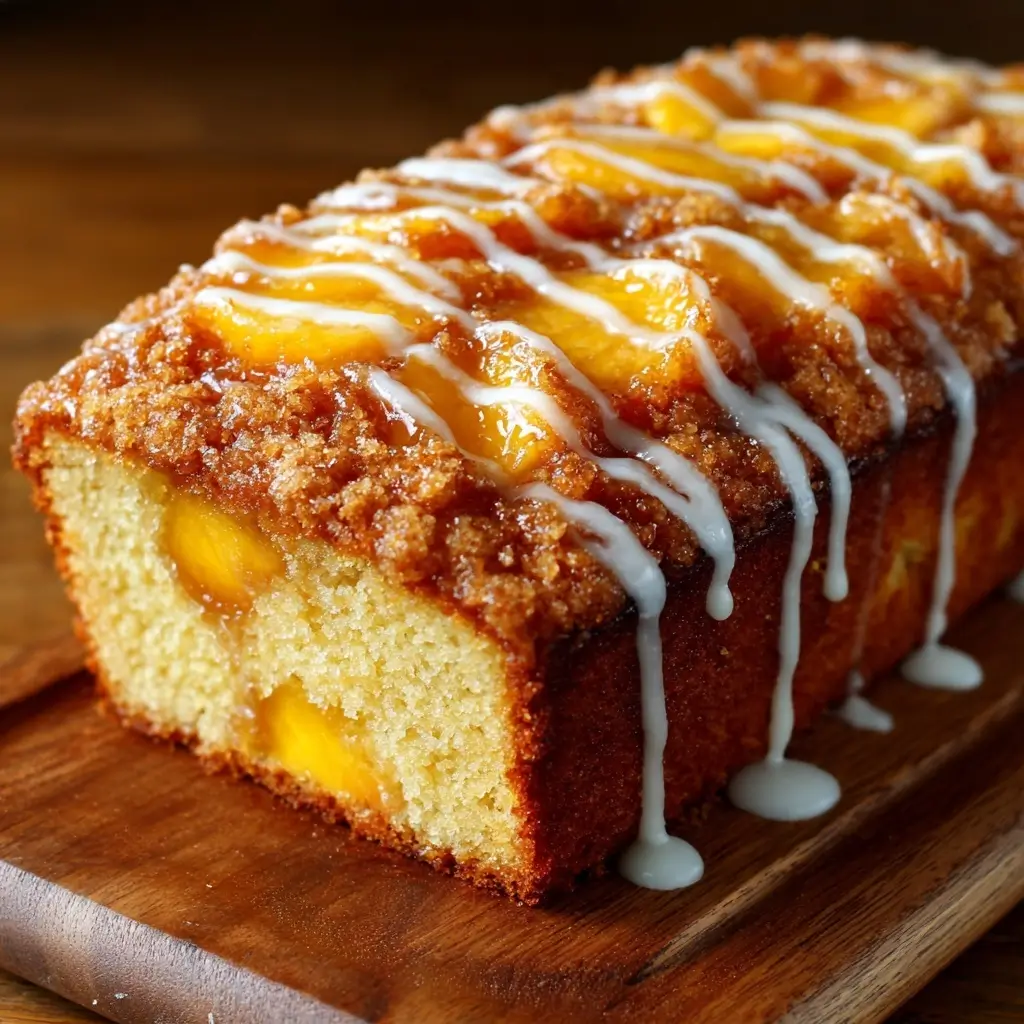
Peach Cobbler Pound Cake: A Southern-Inspired Delight That Melts in Your Mouth
There’s something undeniably comforting about the warm, buttery aroma of a freshly baked pound cake mingling with the sweet-tart fragrance of ripe peaches. The Peach Cobbler Pound Cake is more than just a dessert—it’s a celebration of classic American baking traditions fused with the rustic charm of Southern cobblers. This indulgent hybrid brings together the dense, moist crumb of a traditional pound cake and the juicy, cinnamon-kissed filling of a peach cobbler, creating a show-stopping dessert perfect for summer gatherings, holiday tables, or cozy weekend treats.
The History Behind the Fusion
To truly appreciate the Peach Cobbler Pound Cake, it helps to understand the roots of its two iconic components. Pound cake traces its origins back to 18th-century Europe, particularly England and France, where it earned its name from the simple formula: one pound each of flour, sugar, butter, and eggs. Its rich texture and long shelf life made it a staple in colonial American kitchens, evolving over time with regional twists and flavor infusions.
Meanwhile, peach cobbler emerged from American Southern cooking, where resourceful home bakers used seasonal stone fruits—especially peaches—to create humble yet satisfying desserts. Without access to proper pie dishes or pastry skills, they topped fruit fillings with biscuit dough or cake batter and baked them in cast-iron skillets or ceramic dishes. The result was a rustic, bubbling cobbler with a golden crust that captured the essence of farm-to-table comfort food.
The Peach Cobbler Pound Cake is a modern culinary love child of these two traditions. It marries the elegance and density of a European-style pound cake with the homestyle warmth of a Southern fruit cobbler. While not a historically documented recipe, its rise in popularity over the past decade reflects a broader trend in American baking: the fusion of heritage recipes into new, decadent forms that honor the past while embracing contemporary tastes.
Ingredients Breakdown: Why Each Component Matters
The magic of this cake lies in its balance—richness from butter and eggs, sweetness from sugar, structure from flour, moisture from sour cream, and bursts of flavor from fresh peaches and spices. Let’s dive into each ingredient and explore its role:
- Unsalted Butter (1 cup, softened): Provides richness, tenderness, and flavor. Softened butter creams well with sugar to trap air, contributing to the cake’s light-yet-dense texture.
- Granulated Sugar (2 cups): Sweetens the cake and aids in aeration during creaming. It also promotes browning on the exterior for that beautiful golden crust.
- Large Eggs (6, room temperature): Act as binders and emulsifiers. Room-temperature eggs incorporate more smoothly, reducing the risk of curdling and ensuring a uniform crumb.
- All-Purpose Flour (3 cups): Offers structure. Sifting ensures no lumps and helps produce a finer texture.
- Baking Powder (1½ teaspoons): A small amount adds just enough lift to keep the cake from being too heavy, without turning it into a sponge cake.
- Salt (½ teaspoon): Enhances all other flavors and balances the sweetness.
- Vanilla Extract (2 teaspoons): Adds depth and warmth. Pure extract is preferred over imitation for a richer aroma.
- Sour Cream (1 cup): The secret to moisture! Sour cream adds fat and acidity, which tenderizes gluten and keeps the cake soft for days.
- Fresh Peaches (3 cups, peeled and diced): The star of the show. Fresh peaches offer juiciness and natural pectin, releasing flavor as they bake. Ripe but firm peaches hold their shape better.
- Brown Sugar (½ cup, packed): Used in the peach layer for deeper caramel notes and added moisture.
- Cinnamon (1 teaspoon): Warm spice that complements peaches beautifully, evoking memories of classic cobbler.
- Lemon Juice (1 tablespoon): Prevents browning of peaches and brightens the overall flavor profile.
- Optional: Nutmeg (¼ teaspoon) or almond extract (½ teaspoon): For an extra layer of complexity.
Step-by-Step Recipe: Baking the Perfect Peach Cobbler Pound Cake
This recipe yields one 10-inch Bundt cake or tube cake, serving 12–16 people. Follow these detailed steps for bakery-quality results.
Preparation
- Preheat oven to 325°F (165°C). This lower temperature ensures even baking without cracking the top.
- Prepare the pan: Generously grease a 10-inch Bundt pan with softened butter, then dust with flour, tapping out excess. Alternatively, use a baking spray with flour. Proper greasing prevents sticking, especially important with the juicy peach layer.
- Peel and dice peaches: Bring a pot of water to boil. Score the bottom of each peach with an “X,” blanch for 30–45 seconds, then plunge into ice water. Skins will slip right off. Dice into ½-inch cubes.
- Toss peaches: In a bowl, combine diced peaches, brown sugar, cinnamon, lemon juice, and optional nutmeg. Set aside for 15 minutes to macerate and release juices.
Making the Batter
- Cream butter and sugar: In a stand mixer fitted with the paddle attachment, beat softened butter and granulated sugar on medium-high speed for 4–5 minutes until light, fluffy, and pale yellow.
- Add eggs one at a time: Beat in each egg fully before adding the next. Scrape down the bowl frequently. The mixture may look slightly curdled if eggs are cold—room temperature helps avoid this.
- Combine dry ingredients: In a separate bowl, sift together flour, baking powder, and salt. Whisk to blend evenly.
- Alternate wet and dry ingredients: With mixer on low, add one-third of the flour mixture, followed by half the sour cream, then another third flour, remaining sour cream, and finally the last of the flour. Mix only until just combined after each addition. Overmixing develops gluten and leads to a tough cake.
- Stir in vanilla: Mix in vanilla extract gently by hand or on lowest speed.
Layering and Baking
- Drain peaches slightly: After macerating, pour peaches into a colander to remove excess syrup (reserve for glaze or pancakes!). You want moist peaches, not soggy.
- Add first layer of batter: Spoon about half the batter into the prepared Bundt pan, spreading evenly with a spatula.
- Add peaches: Scatter the drained peach mixture evenly over the batter, pressing gently. Avoid overfilling the center tube.
- Top with remaining batter: Carefully spoon the rest of the batter over the peaches, using the spatula to smooth the top and seal edges. Do not stir.
- Bake for 75–90 minutes: Place in center of oven. Bake until a wooden skewer inserted near the center (avoiding peaches) comes out clean, and the top is deep golden brown. If browning too quickly, tent loosely with aluminum foil after 60 minutes.
- Cool thoroughly: Let cake cool in pan on a wire rack for 20 minutes. Then invert onto the rack and cool completely—this can take 2–3 hours. Cooling prevents collapse and makes slicing easier.
Tips for Success: Expert Tricks from the Oven
- Room-temperature ingredients are non-negotiable. Cold eggs or sour cream can cause the batter to split, affecting texture.
- Don’t skip the maceration step. Allowing peaches to sit with sugar draws out juice and concentrates flavor.
- Use a kitchen scale for accuracy. Especially with flour—spoon and level to avoid dense results.
- Check doneness properly. Insert the toothpick toward the outer edge, not the peach-filled center, which will be wetter.
- Patience with cooling. Cutting too soon causes the peach layer to ooze out. Wait until fully cooled.
- Grease meticulously. Bundt pans have intricate designs—use a pastry brush to reach every crevice.
- For extra shine and flavor, brush the cooled cake with a warm peach syrup glaze made from reserved peach juices, sugar, and a splash of bourbon or vanilla.
Variations and Customizations
One of the joys of this recipe is its adaptability. Here are creative ways to personalize your Peach Cobbler Pound Cake:
- Fruit Variations: Substitute peaches with nectarines, apricots, plums, or a mixed berry blend (adjust sugar accordingly).
- Spice It Up: Add cardamom, ginger, or allspice for a spiced version. Or add orange zest for brightness.
- Nutty Crunch: Fold chopped toasted pecans or walnuts into the batter for texture contrast.
- Gluten-Free Option: Replace all-purpose flour with a 1:1 gluten-free baking blend. Add ½ teaspoon xanthan gum if not included.
- Dairy-Free Version: Use plant-based butter, coconut cream instead of sour cream, and a flax egg substitute (though texture may vary slightly).
- Mini Versions: Bake in muffin tins or mini Bundt molds for individual servings (reduce time to 25–30 minutes).
- Boozy Twist: Toss peaches in 1–2 tablespoons of bourbon, rum, or amaretto before layering.
- Cobbler Crust Top: Instead of enclosing peaches inside, spread them on top of the batter and sprinkle with a crumb topping (flour, butter, oats, brown sugar) before baking for a true cobbler effect.
Health Considerations and Nutritional Value
While undeniably indulgent, understanding the nutritional content helps in mindful enjoyment. One slice (1/12 of cake) contains approximately:
- Calories: ~420–460
- Total Fat: 22g (mostly from butter and egg yolks)
- Saturated Fat: 13g
- Cholesterol: 130mg
- Sodium: 200mg
- Total Carbohydrates: 58g
- Sugars: 38g (naturally occurring and added)
- Protein: 6g
- Fiber: 2g (from peaches and flour)
Health Notes:
- The cake is high in sugar and saturated fat, so moderation is key, especially for those managing diabetes or heart health.
- Fresh peaches contribute vitamin C, potassium, and antioxidants like chlorogenic acid.
- Using whole eggs means getting choline and healthy fats, but egg substitutes can reduce cholesterol if needed.
- Consider reducing sugar by ¼ cup or using a monk fruit blend for a lower-glycemic option.
- Serving with Greek yogurt instead of whipped cream adds protein and reduces fat.
Ingredients
- 1 cup (2 sticks / 226g) unsalted butter, softened
- 2 cups (400g) granulated sugar
- 6 large eggs, room temperature
- 3 cups (360g) all-purpose flour, sifted
- 1½ teaspoons baking powder
- ½ teaspoon salt
- 2 teaspoons pure vanilla extract
- 1 cup (240g) full-fat sour cream, room temperature
- 3 cups (about 4–5 medium) fresh peaches, peeled and diced
- ½ cup (100g) packed brown sugar
- 1 teaspoon ground cinnamon
- 1 tablespoon lemon juice
- Optional: ¼ teaspoon nutmeg or ½ teaspoon almond extract
Directions
- Preheat oven to 325°F (165°C). Grease and flour a 10-inch Bundt pan thoroughly.
- In a bowl, combine diced peaches, brown sugar, cinnamon, lemon juice, and nutmeg (if using). Let sit for 15 minutes, then drain excess liquid.
- In a stand mixer, cream butter and granulated sugar until light and fluffy (4–5 minutes).
- Add eggs one at a time, beating well after each. Scrape bowl as needed.
- In a separate bowl, whisk together flour, baking powder, and salt.
- With mixer on low, alternately add flour mixture and sour cream in three additions (flour-sour cream-flour-sour cream-flour), beginning and ending with flour. Mix until just incorporated.
- Stir in vanilla extract.
- Spoon half the batter into the Bundt pan, smoothing evenly.
- Scatter drained peaches over the batter in a single layer.
- Top with remaining batter, carefully covering the peaches.
- Bake for 75–90 minutes, or until a skewer comes out clean.
- Cool in pan for 20 minutes, then invert onto a wire rack to cool completely.
- Optional: Glaze with warm peach syrup or dust with powdered sugar before serving.
FAQ
Can I use canned peaches?
Yes, but drain very well and pat dry to prevent excess moisture. Fresh peaches are recommended for best texture and flavor.
Why did my cake stick to the pan?
Insufficient greasing or removing too early are common culprits. Always grease every crevice and wait at least 20 minutes before unmolding.
Can I freeze this cake?
Absolutely! Wrap tightly in plastic and foil. Freeze for up to 3 months. Thaw overnight in the refrigerator and bring to room temperature before serving.
Can I make this ahead of time?
Yes, it keeps well at room temperature for 2 days, refrigerated for 5 days, or frozen. The flavor often improves on day two!
Why is my cake dense?
Overmixing, cold ingredients, or expired baking powder can cause density. Ensure ingredients are room temperature and mix only until combined.
Can I bake in a loaf pan?
Yes, use two 9×5-inch loaf pans. Adjust baking time to 55–70 minutes and check for doneness earlier.
Is this cake supposed to be gooey?
The center around the peaches will be moister than the outer edges, but it shouldn’t be underbaked. If the skewer comes out clean (away from fruit), it’s done.
Summary
The Peach Cobbler Pound Cake masterfully blends the velvety richness of a classic pound cake with the juicy, spiced heart of a Southern peach cobbler, creating a dessert that’s both elegant and homespun. Baked in a stunning Bundt form, it’s a centerpiece-worthy treat that delivers nostalgia in every bite.