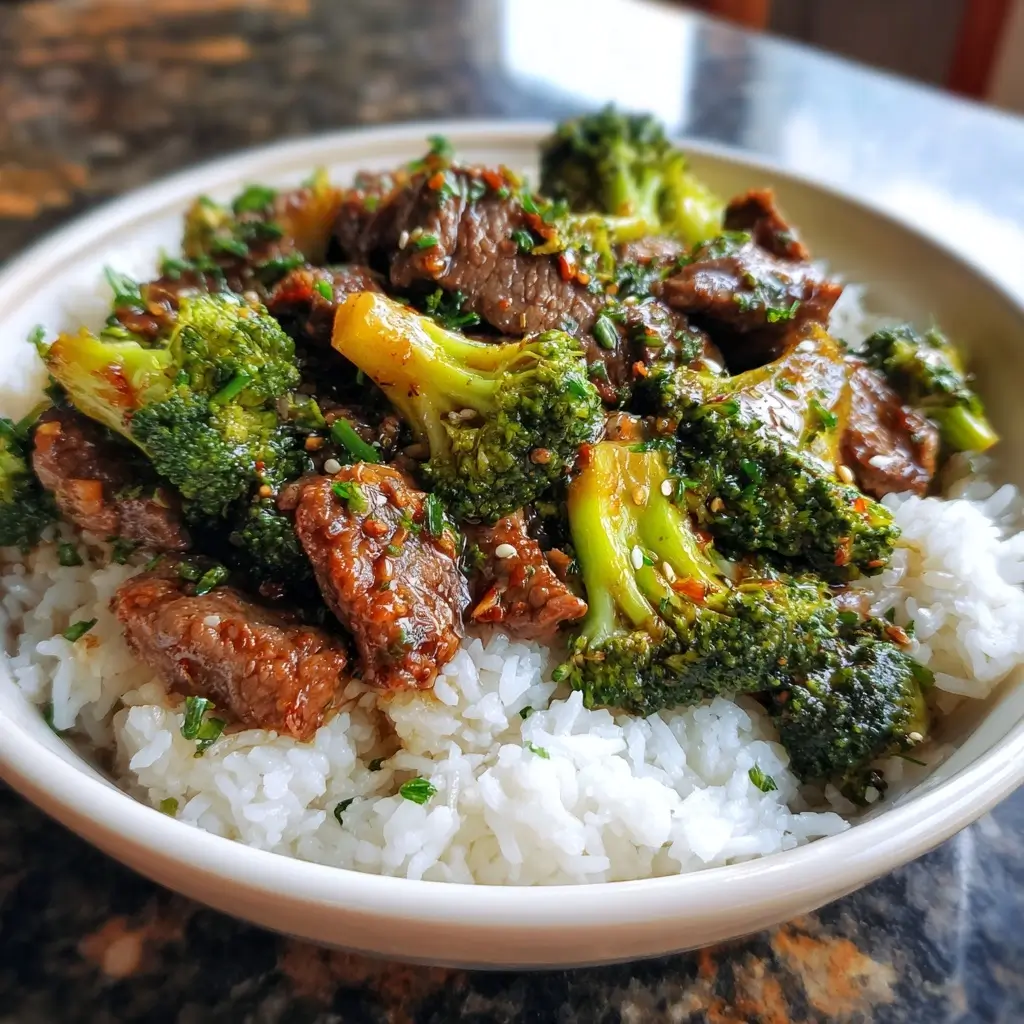
Beef and Broccoli Stir Fry: A Flavorful Journey Through Taste and Tradition
Introduction
Beef and broccoli stir fry is a beloved dish that graces the menus of Chinese-American restaurants across the United States and beyond. Known for its tender strips of beef, vibrant green broccoli florets, and savory-sweet sauce, this dish strikes a perfect balance between texture and flavor. Whether you’re preparing a quick weeknight dinner or impressing guests with a homemade Asian-inspired meal, beef and broccoli stir fry delivers both satisfaction and simplicity. This guide dives deep into every aspect of the recipe—from its historical roots to modern-day variations—offering everything you need to master this culinary favorite in your own kitchen.
The History
The origins of beef and broccoli stir fry lie at the intersection of traditional Chinese cooking techniques and American-Chinese culinary adaptation. While stir-frying as a method dates back thousands of years in China, particularly during the Han dynasty (206 BCE–220 CE), the specific combination of beef and broccoli as we know it today is largely a product of 20th-century Chinese immigration to North America. Early Chinese immigrants adapted their recipes to suit local tastes and ingredient availability, giving rise to dishes like chop suey, General Tso’s chicken—and eventually, beef and broccoli.
In mainland China, broccoli is not traditionally used as extensively as other greens such as gai lan (Chinese broccoli) or bok choy. However, when Chinese chefs encountered Western-style broccoli in American markets, they incorporated it into stir fries due to its crisp texture and mild flavor. The pairing with thinly sliced beef, marinated for tenderness and stir-fried quickly over high heat, became popular for its balanced profile and healthy appeal. Over time, beef and broccoli evolved from a regional specialty into a staple of American-Chinese cuisine, celebrated for its ease of preparation and rich umami taste.
Ingredients Breakdown
Understanding each ingredient in beef and broccoli stir fry is essential for achieving authentic flavor and optimal texture. Here’s an in-depth look at what goes into this dish:
- Sirloin or Flank Steak: These cuts are lean, flavorful, and ideal for stir-frying. They respond well to quick cooking methods and can be sliced thinly against the grain for maximum tenderness.
- Broccoli: Fresh broccoli should have tight, dark green florets and firm stalks. It adds crunch, color, and a wealth of nutrients including vitamin C, fiber, and antioxidants.
- Soy Sauce: Provides saltiness and depth. Use low-sodium soy sauce if you prefer more control over the salt content. For richer flavor, consider tamari (gluten-free option) or dark soy sauce for color.
- Oyster Sauce: A key component that gives the dish its signature savory-sweet richness. Made from oyster extracts, sugar, salt, and thickeners, it enhances umami without overpowering.
- Sesame Oil: Used sparingly, toasted sesame oil imparts a nutty aroma and rounds out the sauce. Never cook with high heat using pure sesame oil—it burns easily.
- Garlic and Ginger: Freshly minced garlic and grated ginger form the aromatic base of the stir fry, adding warmth and complexity.
- Cornstarch: Serves dual purposes—used in the marinade to tenderize the beef and in the sauce to create a glossy, clingy consistency.
- Rice Wine or Shaoxing Wine: Adds subtle sweetness and removes any gaminess from the meat. Dry sherry makes a good substitute if unavailable.
- Vegetable Oil: High smoke point oils like peanut, canola, or avocado oil are best for stir-frying at high temperatures.
- Beef Broth or Water: Forms the liquid base of the sauce, helping to steam the broccoli slightly while creating a flavorful glaze.
- Sugar or Honey (optional): Balances the saltiness of the soy and oyster sauces, especially important if serving to children or those preferring milder flavors.
- Red Pepper Flakes or Fresh Chili (optional): Introduces a touch of heat for those who enjoy a spicy kick.
Step-by-Step Recipe
Follow these detailed steps to prepare a restaurant-quality beef and broccoli stir fry right in your home kitchen:
- Prepare Ingredients: Slice 1 pound of flank steak or sirloin into thin strips about ¼ inch thick, cutting against the grain. Cut 4 cups of broccoli into uniform florets. Mince 3 cloves of garlic and grate 1 tablespoon of fresh ginger.
- Marinate the Beef: In a bowl, combine the beef strips with 1 tablespoon soy sauce, 1 tablespoon rice wine (or dry sherry), 1 teaspoon cornstarch, and 1 teaspoon sesame oil. Mix thoroughly, cover, and let sit for at least 20 minutes (up to 30 minutes). This step tenderizes the meat and helps it retain moisture during cooking.
- Blanch the Broccoli: Bring a pot of salted water to a boil. Add broccoli florets and blanch for 90 seconds. Immediately transfer to an ice bath to stop the cooking process and preserve the bright green color. Drain and set aside. Alternatively, you can steam broccoli for 2–3 minutes until crisp-tender.
- Make the Sauce: In a small bowl, whisk together ¼ cup beef broth (or water), 3 tablespoons oyster sauce, 2 tablespoons soy sauce, 1 tablespoon rice wine, 1 teaspoon sugar (optional), and 1 teaspoon cornstarch. Set aside.
- Stir-Fry the Beef: Heat 1 tablespoon of vegetable oil in a wok or large skillet over high heat until shimmering. Add the marinated beef in a single layer (work in batches if needed to avoid overcrowding). Sear for 1–2 minutes per side until browned but not fully cooked through. Remove and set aside.
- Stir-Fry Aromatics: In the same wok, add another teaspoon of oil. Lower heat to medium, then add minced garlic and grated ginger. Stir constantly for 20–30 seconds until fragrant—do not burn.
- Add Broccoli: Increase heat back to high. Add the blanched broccoli and stir-fry for 1 minute to warm through and enhance flavor absorption.
- Combine Everything: Return the beef to the wok. Give the sauce mixture a quick stir (to recombine the cornstarch), then pour it evenly over the ingredients. Stir continuously for 1–2 minutes until the sauce thickens, coats everything evenly, and the beef is fully cooked.
- Finish and Serve: Drizzle with an additional ½ teaspoon of toasted sesame oil for fragrance. Taste and adjust seasoning if necessary. Serve immediately over steamed jasmine rice, brown rice, or cauliflower rice for a lower-carb alternative.
Tips
- Freeze the Beef Briefly: To make slicing easier, place the beef in the freezer for 20–30 minutes before cutting. This firms up the meat and allows for paper-thin slices.
- Don’t Skip the Cornstarch Marinade: The cornstarch creates a protective coating on the beef, sealing in juices and preventing toughness when exposed to high heat.
- Use High Heat: Stir frying relies on intense, rapid cooking. Ensure your stove and pan are hot enough—this prevents steaming and ensures proper searing.
- Avoid Overcrowding: Cook the beef in batches if needed. Too many ingredients lower the pan temperature, leading to soggy results instead of crisp-tender textures.
- Prep Ahead: Chop all ingredients and make the sauce before starting to cook. Stir frying moves fast, and having everything ready (mise en place) is crucial.
- Broccoli Texture Control: If you prefer softer broccoli, extend blanching time by 30 seconds. For extra crunch, skip blanching and stir-fry raw broccoli for 3–4 minutes with a splash of water to help it cook faster.
- Double the Sauce: If serving over rice or want extra sauciness, double the sauce ingredients and serve leftovers on noodles or quinoa later in the week.
Variations and Customizations
While classic beef and broccoli is delicious on its own, there are countless ways to personalize this dish based on dietary needs, flavor preferences, or available ingredients:
- Protein Swaps: Replace beef with chicken, pork, shrimp, tofu, tempeh, or seitan for different textures and dietary lifestyles (e.g., vegetarian or pescatarian).
- Veggie Variations: Mix in sliced bell peppers, carrots, snap peas, mushrooms, baby corn, or water chestnuts for added color, nutrition, and crunch.
- Gluten-Free Version: Use tamari instead of soy sauce and ensure the oyster sauce is gluten-free (some brands contain wheat). Verify all other sauces and broths are certified GF.
- Keto/Low-Carb Adaptation: Omit sugar and serve over zucchini noodles (zoodles) or cabbage. Reduce oyster sauce slightly and increase broth to maintain consistency without excess carbs.
- Spicy Kick: Add sliced Thai chilies, red pepper flakes, chili garlic sauce, or a dash of Sriracha to the sauce for heat lovers.
- Simplified Pan Version: No wok? No problem! Use a heavy-bottomed skillet or nonstick pan over high heat—the technique remains the same.
- Slow Cooker Prep: While not traditional, you can partially cook the beef and sauce in a slow cooker, then finish with a quick stir-fry of broccoli and cornstarch slurry to thicken.
- Meal Prep Friendly: Divide portions into containers with rice for grab-and-go lunches. Reheat gently in a microwave or stovetop with a splash of water to revive the sauce.
Health Considerations and Nutritional Value
Beef and broccoli stir fry can be a nutritious addition to a balanced diet when prepared thoughtfully. Let’s examine its health aspects:
- Lean Protein Source: Beef provides high-quality protein, iron (especially heme iron, which is easily absorbed), zinc, and B vitamins like B12, crucial for nerve function and energy metabolism.
- Fiber-Rich Vegetables: Broccoli is packed with dietary fiber, promoting digestive health, satiety, and blood sugar regulation. It also contains sulforaphane, a compound studied for potential anti-cancer properties.
- Antioxidants and Phytonutrients: Garlic and ginger offer natural anti-inflammatory benefits. Ginger may aid digestion and reduce nausea, while garlic has been linked to cardiovascular support.
- Sodium Content: One concern with this dish is sodium, primarily from soy sauce and oyster sauce. Using low-sodium versions and reducing quantities can significantly cut salt intake. Rinsing canned oyster sauce isn’t recommended, but choosing reduced-sodium alternatives helps.
- Healthy Fats: Sesame oil contains monounsaturated fats and antioxidants like sesamol. However, it’s calorie-dense, so use sparingly—just a drizzle adds flavor without excessive fat.
- Portion Control: A typical serving size is about 1 cup stir fry with ¾ cup rice. Be mindful of portion sizes, especially when eating out, where restaurant versions often contain oversized servings and extra oil.
- Dietary Modifications: For heart-healthy diets, trim visible fat from beef and limit oil to 1–2 teaspoons total. For diabetes management, pair with brown rice or cauliflower rice to minimize glycemic impact.
- Nutrient Retention: Quick cooking preserves most nutrients in broccoli. Avoid overcooking, which degrades vitamin C and other heat-sensitive compounds.
Ingredients
- 1 lb flank steak or sirloin, thinly sliced
- 4 cups broccoli florets
- 3 cloves garlic, minced
- 1 tbsp fresh ginger, grated
- 3 tbsp oyster sauce
- 2 tbsp soy sauce (low-sodium preferred)
- 1 tbsp rice wine or dry sherry
- 1 tbsp sesame oil (divided)
- 1 tsp cornstarch (plus 1 tsp for marinade)
- ¼ cup beef broth or water
- 1 tsp sugar (optional)
- 2 tbsp vegetable oil (peanut, canola, or avocado)
- Salt and pepper to taste
- Red pepper flakes (optional)
- Steamed rice, for serving
Directions
- Slice the beef thinly against the grain and place in a bowl. Add 1 tbsp soy sauce, 1 tbsp rice wine, 1 tsp cornstarch, and ½ tsp sesame oil. Mix well and marinate for 20–30 minutes.
- Bring a pot of salted water to a boil. Blanch broccoli for 90 seconds, then shock in ice water. Drain and set aside.
- In a small bowl, whisk together oyster sauce, remaining soy sauce, rice wine, sugar (if using), beef broth, and 1 tsp cornstarch. Set aside.
- Heat 1 tbsp vegetable oil in a wok or large skillet over high heat. Add beef in a single layer and sear for 1–2 minutes per side until browned. Remove and set aside.
- Add another teaspoon of oil to the wok. Reduce heat to medium, add garlic and ginger, and stir for 20–30 seconds until fragrant.
- Turn heat back to high. Add broccoli and stir-fry for 1 minute.
- Return beef to the wok. Stir the sauce mixture and pour it over the ingredients.
- Cook for 1–2 minutes, stirring constantly, until sauce thickens and coats everything evenly.
- Remove from heat. Drizzle with remaining ½ tsp sesame oil. Adjust seasoning if needed.
- Serve immediately over steamed rice, garnished with sesame seeds or sliced green onions if desired.
FAQ
Q: Can I make beef and broccoli stir fry ahead of time?
A: Yes, though it’s best served fresh. You can prep ingredients (slice beef, cut broccoli, make sauce) up to 24 hours in advance and store separately in the fridge. Cook just before serving for optimal texture.
Q: Why is my beef tough?
A: Tough beef usually results from overcooking, slicing with the grain, or skipping the cornstarch marinade. Always slice against the grain and avoid prolonged exposure to high heat.
Q: Can I use frozen broccoli?
A: Yes, but thaw and drain well first. Frozen broccoli tends to release more water, so pat dry and stir-fry longer to evaporate moisture and prevent a watery sauce.
Q: Is oyster sauce vegetarian?
A: Traditional oyster sauce is made from oyster extracts and is not vegetarian. Look for mushroom-based “vegetarian oyster sauce” if needed.
Q: How do I store leftovers?
A: Store in an airtight container in the refrigerator for up to 3–4 days. Reheat gently on the stovetop with a splash of water or broth to loosen the sauce.
Q: Can I freeze this dish?
A: Yes, though texture may change slightly upon thawing. Freeze for up to 2 months. Thaw overnight in the fridge and reheat slowly to preserve integrity.
Q: What type of rice pairs best?
A: Steamed jasmine rice complements the dish’s aroma perfectly. Brown rice adds fiber, while cauliflower rice keeps it low-carb and keto-friendly.
Summary
Beef and broccoli stir fry combines tender marinated beef, crisp-tender broccoli, and a rich umami-packed sauce for a satisfying, wholesome meal rooted in Chinese-American culinary tradition. With simple ingredients, smart prep, and high-heat cooking, it’s easy to recreate this classic at home—healthier, tastier, and more customizable than takeout.