Crispy Orange Chicken
Introduction
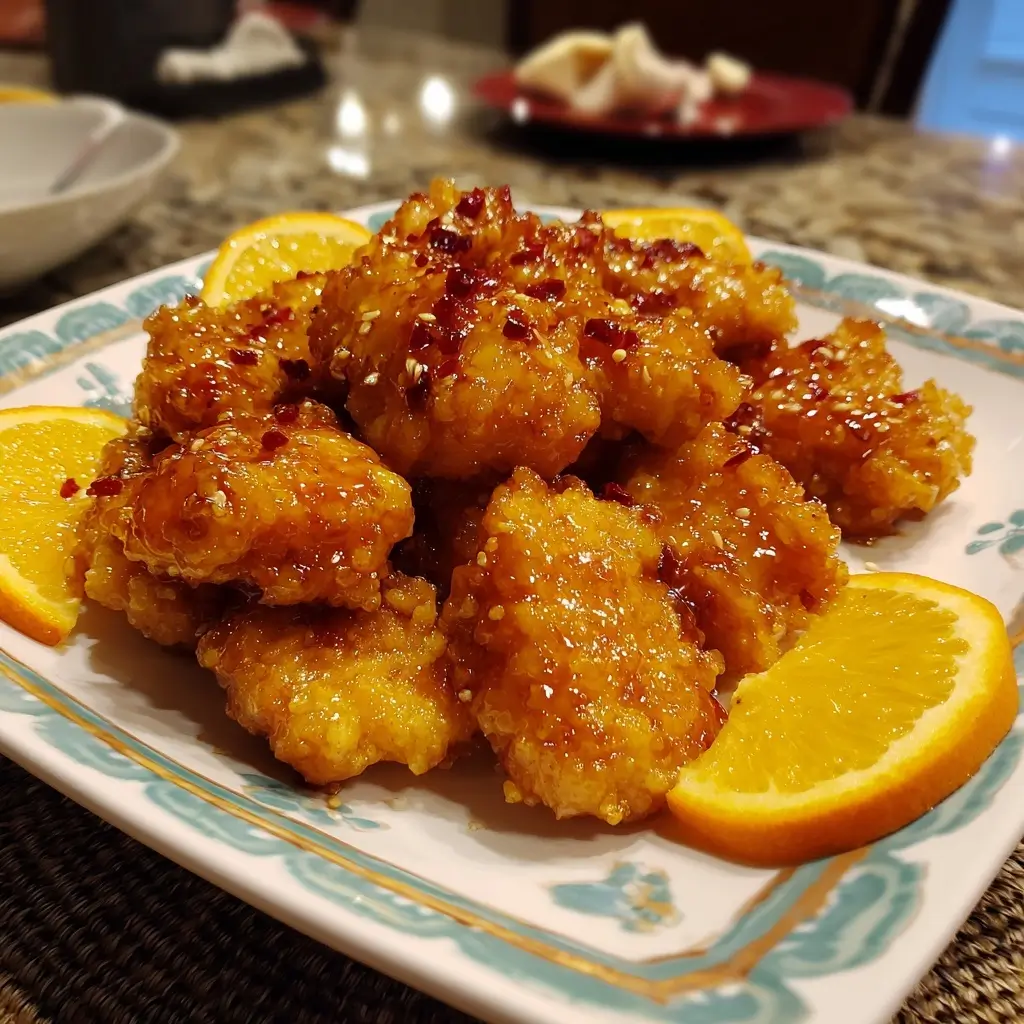
Crispy Orange Chicken is a beloved dish that beautifully marries the bold flavors of sweet, tangy orange sauce with golden, crunchy pieces of fried chicken. While it may not be a traditional Chinese recipe, this culinary gem has become a staple in American-Chinese cuisine, captivating taste buds across homes and restaurants alike. With its vibrant color, intoxicating aroma, and satisfying crunch, Crispy Orange Chicken is more than just a meal—it’s an experience. Whether served over steaming white rice or enjoyed on its own, this dish brings comfort and excitement to every bite. In this comprehensive guide, we’ll explore everything you need to know about making the perfect Crispy Orange Chicken—from its fascinating origins to step-by-step cooking instructions, ingredient insights, variations, health considerations, and expert tips for achieving restaurant-quality results at home.
The History
The origins of Crispy Orange Chicken are rooted in the evolution of Chinese-American cuisine during the 20th century. While traditional Chinese cooking emphasizes balance, subtlety, and fresh ingredients, American-Chinese food often leans into bolder, sweeter, and more indulgent flavor profiles to suit Western palates. Crispy Orange Chicken is believed to have emerged from this fusion movement, particularly gaining popularity through large chain restaurants like Panda Express in the 1980s. These establishments adapted classic Chinese techniques—such as deep-frying and stir-frying—with American preferences for crispy textures and sweet-savory sauces.
Though there isn’t a direct counterpart in mainland Chinese cuisine, dishes like “guo bao rou” (sweet and sour pork) from Northeastern China share conceptual similarities, featuring battered meat tossed in a glossy, tangy sauce. Over time, chefs began substituting pork with chicken and incorporating citrus elements—particularly orange—to create a fresher, more aromatic version. The use of orange zest, juice, and sometimes even marmalade gave the dish its signature bright flavor, setting it apart from other sweet-and-sour staples.
Today, Crispy Orange Chicken symbolizes the creativity and adaptability of immigrant cuisines. It’s a testament to how food evolves when cultures intersect, resulting in something entirely new yet deeply satisfying. From mall food courts to gourmet home kitchens, this dish continues to enjoy widespread acclaim and remains a favorite among both kids and adults.
Ingredients Breakdown
Creating authentic-tasting Crispy Orange Chicken starts with selecting high-quality ingredients that work in harmony to deliver crispiness, juiciness, and a perfectly balanced sauce. Below is a detailed breakdown of each component and why it matters:
- Chicken Breast or Thighs: Boneless, skinless chicken breasts are commonly used for their lean texture and ease of cutting into bite-sized pieces. However, chicken thighs can be substituted for a juicier, more flavorful result due to their higher fat content.
- Cornstarch and Flour: A combination of cornstarch and all-purpose flour creates a light, ultra-crispy coating when fried. Cornstarch enhances crispness and helps the batter stay intact during tossing in the sauce.
- Eggs and Baking Powder: Beaten eggs act as a binder for the dry coating, while a pinch of baking powder in the batter promotes puffing and extra crunch.
- Soy Sauce: Adds umami depth to the marinade. Low-sodium soy sauce is recommended to control salt levels.
- Rice Vinegar or Apple Cider Vinegar: Contributes acidity that balances the sweetness of the orange sauce and brightens the overall flavor.
- Fresh Orange Juice and Zest: Freshly squeezed orange juice provides natural sweetness and citrus aroma without artificial aftertaste. The zest contains essential oils that intensify the orange flavor dramatically.
- Orange Marmalade or Preserved Orange Peel (Optional): Used in some recipes to enhance body and complexity in the sauce, adding slight bitterness and chewiness reminiscent of traditional preparations.
- Brown Sugar or Honey: Sweeteners caramelize slightly when cooked, creating a glossy glaze. Brown sugar adds molasses notes; honey offers floral undertones.
- Garlic and Ginger: Freshly minced garlic and grated ginger bring warmth, pungency, and authenticity to the sauce base.
- Chili Flakes or Sriracha (Optional): For those who enjoy a hint of heat, a small amount of red pepper flakes or hot sauce introduces a spicy kick that contrasts beautifully with the sweetness.
- Sesame Oil: A few drops added at the end elevate the fragrance of the finished dish.
- Vegetable Oil (for frying): Neutral oils with high smoke points—such as peanut, canola, or avocado oil—are ideal for deep-frying without imparting off-flavors.
Each ingredient plays a crucial role, and substitutions should be made thoughtfully to preserve the integrity of the final dish.
Step-by-Step Recipe
Ingredients
- 1.5 lbs (680g) boneless, skinless chicken breast or thighs, cut into 1-inch cubes
- 2 large eggs
- 1/4 cup water
- 1/2 cup cornstarch
- 1/4 cup all-purpose flour
- 1 tsp baking powder
- 1/2 tsp salt
- 1/4 tsp black pepper
- Vegetable oil, for frying (about 3–4 cups)
- 1 tbsp vegetable oil (for sautéing)
- 3 cloves garlic, minced
- 1 tbsp fresh ginger, grated
- 1 cup freshly squeezed orange juice (from about 3–4 oranges)
- Zest of 1 orange
- 1/4 cup low-sodium soy sauce
- 1/4 cup brown sugar (or honey)
- 2 tbsp rice vinegar
- 1 tbsp orange marmalade (optional)
- 1/2 tsp red pepper flakes (adjust to taste)
- 1 tsp sesame oil
- Green onions, sliced (for garnish)
- Sesame seeds (for garnish)
- Steamed white or brown rice (to serve)
Directions
- Marinate the Chicken: In a bowl, combine chicken pieces with 1 tablespoon soy sauce and let sit for 15–20 minutes to absorb flavor.
- Prepare the Batter: In a separate bowl, whisk together eggs and water. In another bowl, mix cornstarch, flour, baking powder, salt, and pepper.
- Bread the Chicken: Dip each piece of marinated chicken first into the egg mixture, allowing excess to drip off, then coat thoroughly in the cornstarch-flour blend. Place coated pieces on a plate or wire rack and let rest for 5–10 minutes—this helps the coating adhere better during frying.
- Heat the Oil: Pour vegetable oil into a deep pot or wok to a depth of at least 2 inches. Heat over medium-high heat until it reaches 350°F (175°C). Use a thermometer for accuracy, or test by dropping a small piece of batter—if it sizzles and rises immediately, the oil is ready.
- Fry the Chicken: Carefully add breaded chicken pieces in batches (do not overcrowd), frying for 3–4 minutes per batch until golden brown and cooked through. Remove with a slotted spoon or spider strainer and drain on a wire rack set over paper towels. Increase heat slightly if needed between batches to maintain temperature. Let cool briefly while preparing the sauce.
- Make the Orange Sauce: In a clean skillet or wok, heat 1 tablespoon of vegetable oil over medium heat. Add garlic and ginger; sauté for 30 seconds until fragrant but not burnt.
- Add Liquids and Sweeteners: Stir in orange juice, soy sauce, brown sugar, rice vinegar, orange zest, marmalade (if using), and red pepper flakes. Bring to a simmer and cook for 5–7 minutes, stirring occasionally, until the sauce reduces slightly and thickens.
- Thicken the Sauce (Optional): If a thicker glaze is desired, mix 1 teaspoon cornstarch with 1 tablespoon cold water to make a slurry. Whisk into the simmering sauce and cook for another 1–2 minutes until glossy and clinging to the back of a spoon.
- Combine Chicken and Sauce: Return the fried chicken to the skillet and toss gently to coat evenly with the orange sauce. Cook for 1–2 minutes more, allowing the chicken to absorb flavors without becoming soggy.
- Finish and Serve: Drizzle with sesame oil, sprinkle with sliced green onions and sesame seeds. Serve immediately over steamed rice.
Tips
- Maintain Oil Temperature: Keeping the oil consistently around 350°F ensures even cooking and prevents greasiness. Too cool, and the chicken absorbs oil; too hot, and the outside burns before the inside cooks.
- Double-Fry for Extra Crispiness: For maximum crunch, fry the chicken once to cook through, let it rest for 5 minutes, then refry for 1–2 minutes at 375°F (190°C).
- Use Fresh Citrus: Bottled orange juice lacks the brightness and complexity of fresh-squeezed juice. Always opt for real oranges when possible.
- Don’t Skip the Resting Step: Letting the battered chicken sit before frying allows the coating to hydrate and adhere better, reducing shedding during cooking.
- Keep It Light: Avoid overcooking the sauce—prolonged boiling can darken the color and mute the citrus flavor.
- Prevent Sogginess: Toss the chicken in sauce just before serving. If preparing ahead, keep components separate and combine at the last moment.
- Garnish Generously: Fresh herbs, toasted sesame seeds, and extra zest not only look appealing but also enhance flavor perception.
- Batch Cooking Tip: Keep cooked chicken warm in a 200°F oven on a wire rack to maintain crispness while finishing other components.
Variations and Customizations
Crispy Orange Chicken is highly adaptable to different tastes, dietary needs, and cultural interpretations. Here are several creative ways to customize your dish:
- Gluten-Free Version: Replace all-purpose flour with gluten-free flour blend and ensure soy sauce is swapped for tamari or coconut aminos.
- Keto-Friendly Option: Use almond flour and erythritol-based sweetener, omit marmalade, and thicken sauce with xanthan gum instead of cornstarch. Fry in avocado oil for lower carb impact.
- Vegan Crispy “Orange Chicken”: Substitute chicken with firm tofu, seitan, or cauliflower florets. Press tofu well, coat and fry as directed, then toss in the same sauce.
- Spicy Orange Chicken: Add gochujang paste, extra chili flakes, or a splash of Lao Gan Ma chili crisp to turn up the heat.
- Pineapple Addition: Stir in diced pineapple for a tropical twist that complements the citrus notes.
- Baked Instead of Fried: For a healthier take, spray breaded chicken with oil and bake at 425°F (220°C) for 20–25 minutes, flipping halfway, until crispy and internal temperature reaches 165°F (74°C).
- Different Citrus Varieties: Experiment with blood orange, tangerine, yuzu, or Meyer lemon for unique aromatic profiles.
- Sticky Glaze Style: Reduce the sauce longer for a candied, lacquered finish similar to Chinese “lian ao” dishes.
- With Vegetables: Add bell peppers, snap peas, broccoli, or baby corn to the sauce for a full stir-fry version.
- Meal Prep Friendly: Prepare sauce and pre-cut chicken in advance; store separately in the fridge for up to 2 days. Fry fresh before assembling.
Health Considerations and Nutritional Value
While undeniably delicious, Crispy Orange Chicken is considered a moderate-to-high calorie dish primarily due to frying and sugar content. Understanding its nutritional profile can help you make mindful choices:
- Calories: A typical serving (about 1 cup with rice) ranges from 550 to 750 calories depending on portion size and preparation method.
- Protein: Chicken provides approximately 30–35g of high-quality protein per serving, supporting muscle repair and satiety.
- Carbohydrates: Mainly from breading and sugary sauce, totaling around 60–80g per serving. Opting for whole grain rice increases fiber content.
- Fats: Deep-frying contributes significant fat—mostly unsaturated if healthy oils are used—but total fat can reach 20–30g per serving.
- Sodium: Soy sauce and processed ingredients can make sodium levels high (up to 1,000mg per serving). Use low-sodium alternatives and reduce added salt where possible.
- Sugar: The sauce often contains 20–30g of sugar per serving. Natural sweeteners like honey or maple syrup don’t reduce sugar content but offer marginally better nutrient profiles.
To improve the dish’s healthfulness:
- Air-fry or bake the chicken instead of deep-frying.
- Reduce sugar in the sauce by half and boost flavor with extra orange zest and a touch of vanilla.
- Increase vegetable content by stir-frying colorful veggies alongside the sauce.
- Serve with cauliflower rice or quinoa for lower glycemic impact.
- Limits portions to 3–4 oz of chicken and 1/2 cup rice, balancing with a side salad.
FAQ
Q: Can I make Crispy Orange Chicken ahead of time?
A: Yes, but best results come from frying and saucing just before eating. You can prep the chicken and sauce separately and refrigerate for up to two days. Reheat chicken in an air fryer or oven to restore crispness.
Q: Why is my chicken not crispy after adding the sauce?
A: This happens when the sauce is too thin or the chicken sits too long. Ensure the sauce is properly reduced and toss immediately before serving. Double-frying helps maintain crunch under saucy conditions.
Q: Can I freeze Crispy Orange Chicken?
A: Freezing compromises texture significantly—the breading becomes soggy upon thawing. It’s not recommended unless repurposed into soups or casseroles.
Q: What can I use instead of orange marmalade?
A: Apricot jam, peach preserves, or a small amount of apricot nectar work as substitutes. They provide similar viscosity and mild fruitiness.
Q: Is Crispy Orange Chicken authentic Chinese food?
A: Not exactly. It’s a creation of Chinese-American cuisine, inspired by traditional techniques but tailored for Western tastes. It does not appear in regional Chinese cookbooks but reflects culinary innovation.
Q: How do I store leftovers?
A: Store in an airtight container in the refrigerator for up to 3 days. Reheat in a skillet or oven—not microwave—to preserve texture. Separate rice and sauce if possible.
Q: Can I use chicken tenders?
A: Absolutely! Chicken tenders are convenient and require less prep. Just adjust frying time accordingly since they’re thinner.
Summary
Crispy Orange Chicken combines succulent, golden-fried chicken with a vibrant, sweet-tangy orange sauce for a crowd-pleasing dish that’s both comforting and exciting. With roots in Chinese-American culinary fusion, it exemplifies how global flavors can evolve into modern classics.