Introduction
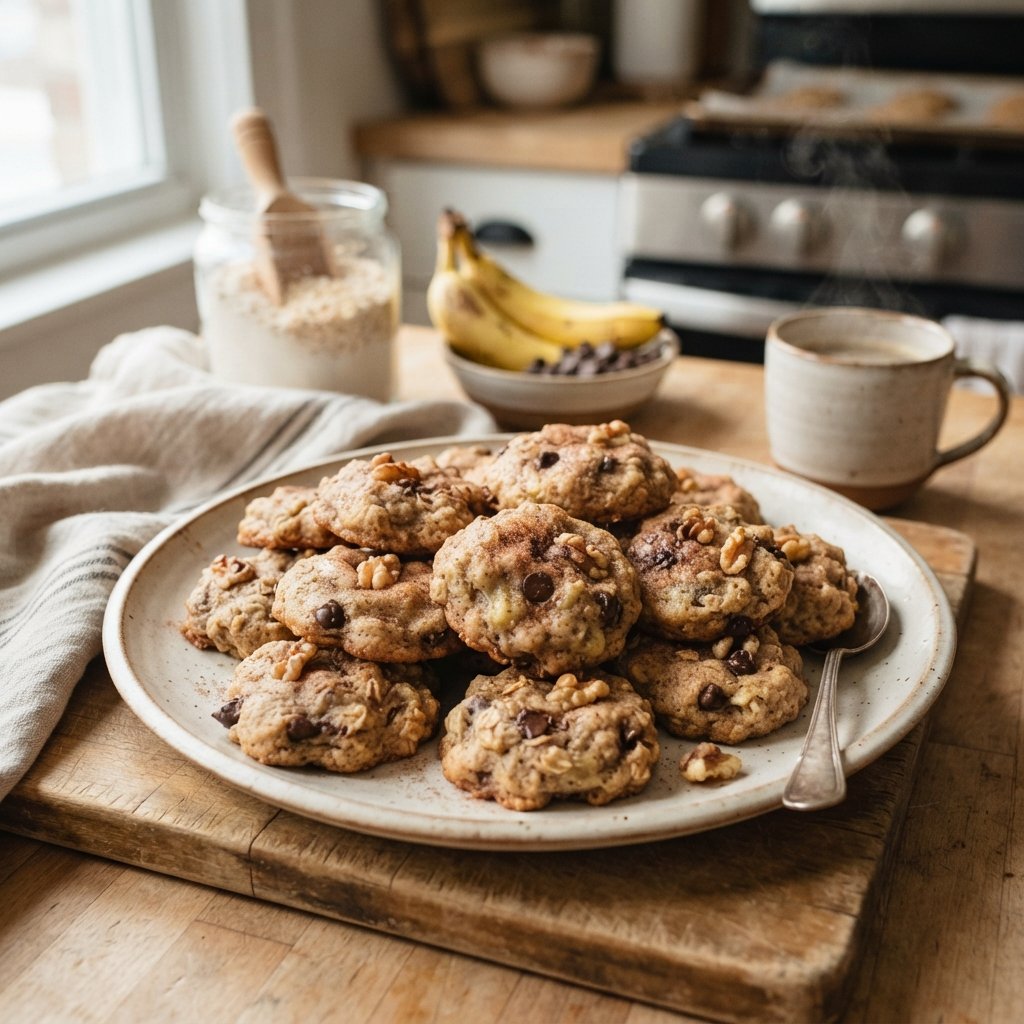
Welcome to the definitive guide on crafting the perfect Banana Bread Cookies. This delightful hybrid dessert combines the moist, dense comfort of traditional banana bread with the portable, handheld convenience of a cookie. Whether you are a seasoned baker looking to expand your repertoire or a novice eager to try something new, banana bread cookies offer a unique texture profile that is soft, chewy, and richly flavored. The natural sweetness of ripe bananas reduces the need for excessive refined sugars, while the addition of warm spices creates an aroma that fills the entire kitchen. This guide is designed to be exhaustive, covering every aspect from the historical origins to the nutritional breakdown, ensuring you have all the knowledge needed to bake with confidence.
Banana bread cookies are not merely a trend; they are a solution to the common problem of overripe bananas. Instead of letting them go to waste or baking a single large loaf, this recipe allows you to portion the flavor into bite-sized treats that are perfect for lunchboxes, afternoon tea, or late-night snacks. The chemistry behind this recipe balances leavening agents to ensure lift without excessive spreading, resulting in a cookie that holds its shape while retaining the moisture characteristic of quick breads. Prepare to embark on a culinary journey that transforms simple pantry staples into a gourmet experience.
The History
To understand the banana bread cookie, one must first appreciate the lineage of banana bread itself. The origins of banana bread are widely traced back to the Great Depression era in the United States during the 1930s. During this time of economic hardship, housewives were looking for ways to minimize food waste, and overripe bananas, which were often discarded due to their soft texture and dark spots, became a key ingredient. Food companies, particularly flour manufacturers, began promoting recipes that utilized mashed bananas to create moist, sweet loaves without the need for expensive fresh fruit.
As the decades progressed, banana bread became a staple of American home baking, evolving from a necessity into a comfort food classic. By the 1980s and 1990s, the rise of coffee culture and café aesthetics prompted bakers to experiment with portion sizes. The concept of the “cookie” version likely emerged from the desire to create a handheld version of the loaf that could be paired with espresso or served at bake sales where individual pricing was easier. The modern iteration gained significant traction in the 2010s with the rise of food blogging and social media platforms like Instagram, where the visual appeal of a soft, chunky cookie topped with walnuts or chocolate chips became viral content.
Today, the banana bread cookie represents a fusion of generations. It honors the frugality and ingenuity of the Depression era while embracing the customization and aesthetic preferences of modern baking. It stands as a testament to the versatility of the banana, proving that this fruit can transcend its original form to become a centerpiece in various dessert categories, from ice creams to smoothies, and now, to sophisticated cookies.
Ingredients Breakdown
Understanding the function of each ingredient is crucial for mastering this recipe. Baking is a science, and each component plays a specific role in the texture, flavor, and structure of the final cookie.
Ripe Bananas
The star of the show. You need bananas that are heavily spotted or even entirely black. At this stage of ripeness, the starches in the fruit have converted into sugars, providing maximum sweetness and moisture. Using yellow bananas will result in a lack of flavor and a drier texture. The mashed banana acts as both a sweetener and a humectant, keeping the cookies soft for days.
All-Purpose Flour
Standard all-purpose flour provides the necessary structure. The protein content in all-purpose flour creates just enough gluten to hold the cookie together without making it tough. For a softer cookie, some bakers substitute a small portion with cake flour, but all-purpose is recommended for the ideal balance of chew and structure.
Unsalted Butter
Butter adds richness and flavor. Using unsalted butter allows you to control the sodium content precisely. The fat coats the flour proteins, inhibiting gluten formation which ensures tenderness. Creaming the butter with sugar incorporates air pockets, which helps the cookies rise slightly during baking.
Brown and White Sugar
A combination of both is ideal. White granulated sugar helps with spreading and crisp edges, while brown sugar contains molasses, which adds moisture, a caramel-like depth of flavor, and chewiness. The acidity in brown sugar also reacts with baking soda to help the cookies lift.
Leavening Agents (Baking Soda and Baking Powder)
Baking soda reacts with the acidity in the bananas and brown sugar to create carbon dioxide bubbles, causing the cookies to rise. Baking powder provides an additional lift ensure the cookies don’t become too dense. The balance between the two prevents the cookies from spreading too flat or puffing up like cakes.
Vanilla Extract and Spices
Pure vanilla extract enhances the overall flavor profile, rounding out the sweetness. Cinnamon is the traditional spice pairing for banana, adding warmth. Nutmeg or cardamom can be added for complexity. Salt is essential to contrast the sweetness and make the flavors pop.
Mix-ins
Walnuts, pecans, or chocolate chips are traditional. Nuts add a crunchy texture contrast to the soft cookie, while chocolate chips add pockets of melted richness. These should be folded in gently at the end to prevent overmixing.
Step-by-Step Recipe
This narrative guide walks you through the technique required to achieve the perfect bake. Pay close attention to the mixing methods and temperature cues.
Phase 1: Preparation
Begin by preheating your oven to 350°F (175°C). Consistency in oven temperature is key for even baking. Line your baking sheets with parchment paper or silicone baking mats. This not only prevents sticking but ensures even heat distribution across the bottom of the cookies, preventing burnt bottoms. Take your butter out of the refrigerator at least one hour before starting; it should be soft enough to indent with a finger but not melted.
Phase 2: Handling the Bananas
Peel your ripe bananas and place them in a small bowl. Using a fork or a potato masher, mash them until they are mostly smooth. It is acceptable to have a few small chunks for texture, but large pieces can cause uneven baking. Measure the mashed banana precisely. Too much banana can make the cakey, while too little will dry them out. Set this aside.
Phase 3: Creaming the Fats and Sugars
In a large mixing bowl, combine the softened butter, brown sugar, and white sugar. Using a stand mixer with a paddle attachment or a hand mixer, beat these ingredients together on medium speed for about 3 to 5 minutes. You are looking for the mixture to become pale, fluffy, and increased in volume. This process, known as creaming, dissolves the sugar into the butter and traps air, which is essential for the cookie’s texture. Scrape down the sides of the bowl halfway through to ensure even mixing.
Phase 4: Incorporating Wet Ingredients
Add the egg to the creamed butter and sugar mixture. Beat until fully incorporated. Next, add the vanilla extract and the mashed bananas. Mix gently until combined. The mixture may look slightly curdled at this point due to the moisture from the bananas; this is normal. Do not overmix at this stage, as you do not want to deflate the air you whipped into the butter.
Phase 5: Mixing Dry Ingredients
In a separate bowl, whisk together the flour, baking soda, baking powder, cinnamon, and salt. Whisking aerates the flour and ensures the leavening agents are evenly distributed. This prevents bitter spots from concentrated baking soda. Gradually add the dry ingredients to the wet mixture. Switch to a low speed on your mixer or use a spatula to fold the ingredients together. Stop mixing as soon as the flour streaks disappear. Overmixing develops gluten, leading to tough cookies.
Phase 6: Folding in Mix-ins
Using a sturdy spatula, gently fold in your chocolate chips, nuts, or any other customizations. Distribute them evenly throughout the dough. The dough will be soft and sticky, more so than traditional chocolate chip cookie dough, due to the banana content.
Phase 7: Scooping and Baking
Use a cookie scoop to portion the dough onto the prepared baking sheets. Leave about 2 inches of space between each cookie to allow for spreading. Bake for 10 to 12 minutes. The edges should be golden brown, but the centers may still look slightly soft. This is intentional; they will continue to set as they cool. Remove from the oven and let them cool on the baking sheet for 5 minutes before transferring to a wire rack.
Tips
To ensure success every time you bake these cookies, consider the following professional tips and troubleshooting advice.
- Measure Flour Correctly: Do not scoop the flour directly with the measuring cup, as this packs it down and leads to dry cookies. Instead, spoon the flour into the measuring cup and level it off with a knife.
- Chill the Dough: If your kitchen is warm, the butter may melt too quickly. Chilling the dough for 30 minutes before baking can help the cookies hold their shape better and deepen the flavors.
- Room Temperature Ingredients: Ensure your egg and butter are at room temperature. Cold ingredients can cause the batter to break or curdle, affecting the emulsion and texture.
- Don’t Overbake: Banana bread cookies continue to cook on the hot baking sheet after being removed from the oven. Taking them out when they look slightly underdone ensures a soft, chewy center.
- Storage: Store cooled cookies in an airtight container at room temperature for up to 3 days. For longer storage, freeze the baked cookies or the raw dough balls for up to 3 months.
- Reviving Stale Cookies: If the cookies become slightly hard after a few days, microwave them for 10 seconds to restore softness.
Variations and Customizations
One of the greatest strengths of this recipe is its adaptability. You can modify it to suit dietary needs or flavor preferences without compromising the core structure.
Chocolate Lovers
For a decadent twist, use dark chocolate chunks instead of chips. The bitterness of dark chocolate pairs beautifully with the sweet banana. You can also swirl in a tablespoon of cocoa powder to the dry ingredients for a double-chocolate banana cookie.
Nut-Free Option
If you have allergies, simply omit the walnuts. You can replace the crunch with toasted oats or seeds like pumpkin seeds (pepitas) which add texture without the allergen risk.
Vegan Adaptation
To make this vegan, substitute the butter with a high-quality vegan butter stick (not spreadable tub margarine). Replace the egg with a “flax egg” (1 tablespoon ground flaxseed mixed with 3 tablespoons water, let sit for 5 minutes).
Gluten-Free
Use a 1:1 gluten-free flour blend that contains xanthan gum. This mimics the elasticity of gluten and prevents the cookies from crumbling. Almond flour can also be used for a grain-free option, though the texture will be denser.
Spiced Variations
Experiment with spices like ginger, cloves, or allspice to create a “warm spice” profile reminiscent of holiday baking. A pinch of cardamom adds a sophisticated, floral note.
Healthy Swaps
Replace half the butter with unsweetened applesauce to reduce fat content. Substitute white sugar with coconut sugar for a lower glycemic index, though this may darken the cookie color.
Health Considerations and Nutritional Value
While these cookies are a treat, understanding their nutritional profile helps in making informed dietary choices. Bananas are naturally nutrient-dense, bringing benefits to the recipe that refined flour desserts lack.
Key Nutrients: Bananas are an excellent source of potassium, which is vital for heart health and blood pressure regulation. They also provide Vitamin B6, which supports metabolism and brain health. The fiber content in bananas aids in digestion and helps regulate blood sugar spikes compared to sweets made without fruit.
Caloric Density: Due to the presence of butter and sugar, these cookies are calorie-dense. A single cookie typically ranges between 150 to 200 calories depending on size and mix-ins. The sugar content contributes to the energy boost but should be consumed in moderation by those monitoring glucose levels.
Fat Content: The butter provides saturated fats. While necessary for texture, those watching cholesterol intake might consider using oil blends or reducing the butter slightly. However, fat is also essential for the absorption of fat-soluble vitamins present in the ingredients.
Portion Control: Because these cookies are moist and soft, they are easy to overconsume. Using a cookie scoop ensures uniform size, helping you manage portion control effectively. Pairing a cookie with a source of protein, like a glass of milk or a handful of almonds, can help stabilize blood sugar levels after eating.
Ingredients
Below is the consolidated list of ingredients required for the standard batch. Ensure all measurements are accurate for the best results.
- 3 large ripe bananas (mashed, about 1 ½ cups)
- ½ cup unsalted butter (softened to room temperature)
- ½ cup granulated white sugar
- ½ cup packed brown sugar
- 1 large egg (room temperature)
- 2 teaspoons pure vanilla extract
- 2 cups all-purpose flour
- 1 teaspoon baking soda
- ½ teaspoon baking powder
- 1 teaspoon ground cinnamon
- ½ teaspoon salt
- 1 cup semi-sweet chocolate chips (or chopped walnuts)
Directions
Follow these concise steps to execute the recipe efficiently.
- Preheat oven to 350°F (175°C) and line baking sheets with parchment paper.
- Mash the ripe bananas in a small bowl until smooth and set aside.
- In a large bowl, cream together the softened butter, white sugar, and brown sugar until light and fluffy (3-5 minutes).
- Beat in the egg and vanilla extract until fully combined.
- Mix in the mashed bananas until the batter is uniform.
- In a separate bowl, whisk together flour, baking soda, baking powder, cinnamon, and salt.
- Gradually add the dry ingredients to the wet ingredients, mixing on low speed until just combined.
- Fold in the chocolate chips or walnuts using a spatula.
- Scoop dough onto baking sheets, spacing them 2 inches apart.
- Bake for 10-12 minutes until edges are golden but centers are soft.
- Cool on the baking sheet for 5 minutes, then transfer to a wire rack to cool completely.
FAQ
Here are answers to the most common questions regarding Banana Bread Cookies.
Can I use frozen bananas?
Yes, frozen bananas work well. Thaw them completely and drain any excess liquid before mashing and measuring. The flavor is often even sweeter after freezing.
Why are my cookies too cakey?
This usually happens if there is too much flour or too much banana. Ensure you measure flour correctly and do not add extra banana beyond the recipe specification. Also, avoid overmixing the batter.
Can I make these ahead of time?
Absolutely. The dough can be frozen in balls and baked from frozen (add 1-2 minutes to baking time). Baked cookies also freeze well for up to 3 months.
How do I know when the bananas are ripe enough?
The skin should be mostly black. If they are yellow with green tips, they are not ready. You can speed up ripening by placing them in a paper bag with an apple.
Can I omit the egg?
For an eggless version, you can use a commercial egg replacer or a flax egg, though the texture may be slightly denser.
Summary
Banana Bread Cookies offer a delicious hybrid of moist banana bread flavor and portable cookie convenience using ripe bananas and standard pantry staples.
Follow the detailed steps and tips provided to create soft, chewy treats that are perfect for any occasion and customizable to your dietary needs.