Introduction
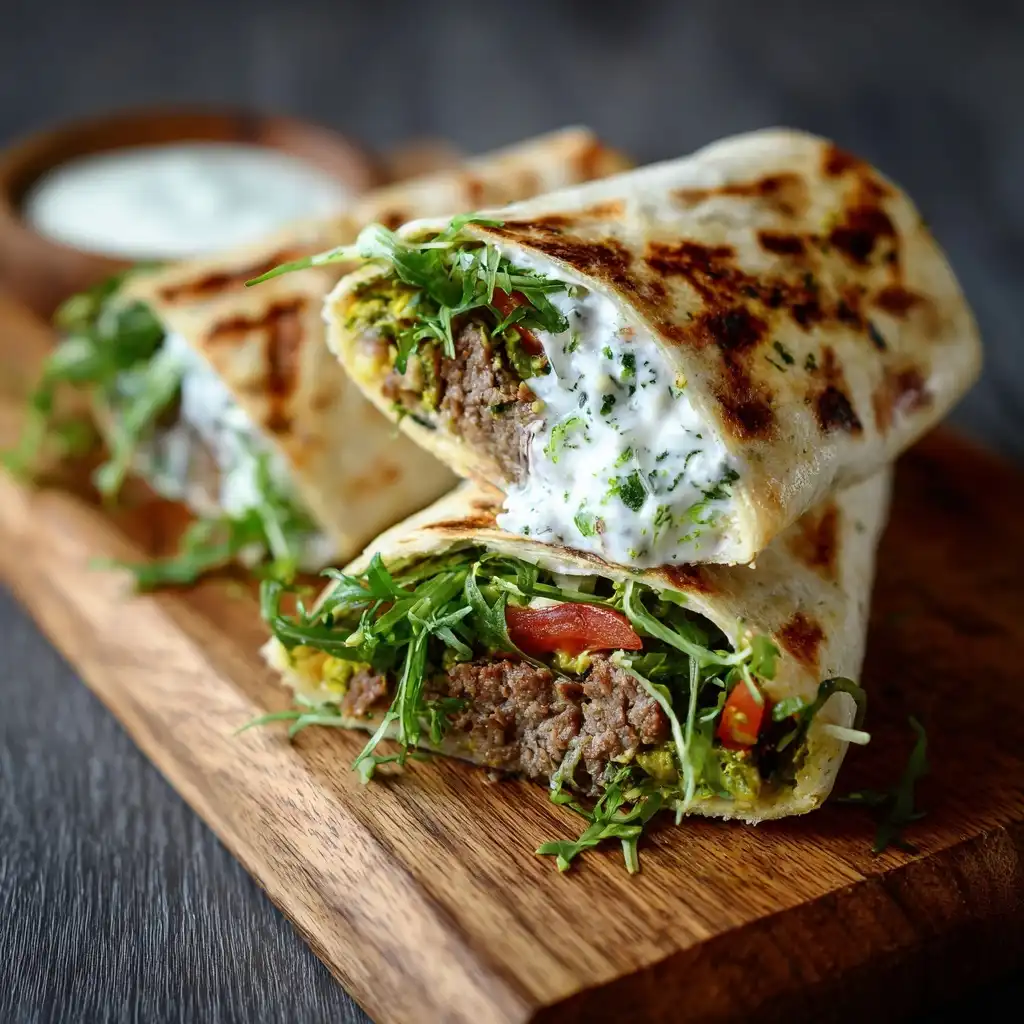
The Herb Lamb and Yogurt Wrap is a vibrant, nutrient-dense fusion dish that bridges the rich culinary traditions of the Eastern Mediterranean and Middle East with modern, health-conscious sensibilities. More than just a quick lunch or satisfying dinner option, it represents a harmonious balance of bold flavors, tender protein, cooling dairy, and aromatic freshness—all elegantly encased in a soft, pliable flatbread. This wrap celebrates simplicity without sacrificing depth: succulent ground lamb infused with earthy cumin, warm coriander, bright lemon zest, and a verdant bouquet of fresh herbs—mint, parsley, and dill—then luxuriously swirled into thick, strained Greek yogurt for creaminess and tang. Served wrapped in warm whole-wheat or lavash flatbread and garnished with crisp cucumber ribbons, pickled red onions, and a final drizzle of garlic-infused olive oil, each bite delivers layers of texture, temperature, and terroir. Whether enjoyed chilled on a summer patio, packed for an office lunch, or served as an elegant appetizer at a dinner party, the Herb Lamb and Yogurt Wrap embodies mindful indulgence—robust enough to satisfy hearty appetites, yet light enough to leave you feeling energized and nourished.
The History
The origins of the Herb Lamb and Yogurt Wrap are not rooted in a single ancient manuscript or royal cookbook—but rather in centuries of migratory gastronomy, regional adaptation, and cross-cultural exchange across the Fertile Crescent, Anatolia, and the Levant. At its core lies the time-honored triad of lamb, yogurt, and fresh herbs—a combination found in countless traditional dishes from Armenia’s *tjvjik* (liver and herb stew with yogurt) to Turkey’s *yoğurtlu kofte*, Lebanon’s *kibbeh bil laban*, and Greece’s *youvetsi*. Ground lamb seasoned with dried mint and allspice appears in Ottoman-era cookbooks dating back to the 17th century, while strained yogurt (labneh or *süzme yoğurt*) has been a staple preservation method in arid climates since at least 3000 BCE. What distinguishes the modern Herb Lamb and Yogurt Wrap is its intentional deconstruction and reassembly: instead of serving spiced lamb atop yogurt or folded into bulgur, chefs and home cooks began layering them *together*, then wrapping them in bread—an evolution likely catalyzed by the global rise of handheld street food culture in the late 20th century. Influences from Turkish *dürüm*, Lebanese *manakish*-inspired wraps, and even Californian “Mediterranean bowls-to-go” converged in the 2010s, giving rise to this specific iteration. Food historians note that the inclusion of dill—a herb more commonly associated with Eastern European and Persian cuisines—reflects contemporary culinary pluralism, signaling openness to flavor-layering beyond strict regional boundaries. Today, it appears on menus from Tel Aviv food trucks to Brooklyn supper clubs, constantly reinterpreted but always honoring its ancestral trinity: fire-kissed meat, cool fermented dairy, and garden-fresh greenery.
Ingredients Breakdown
Every component in the Herb Lamb and Yogurt Wrap plays a distinct sensory and functional role—no ingredient is merely decorative or redundant. Understanding their individual contributions deepens both appreciation and execution:
- Ground Lamb (85–90% lean): Provides rich umami, iron, zinc, and B12. Its natural fat content ensures moisture and carries fat-soluble spices; choosing slightly fattier cuts (like shoulder) yields superior tenderness over ultra-lean varieties.
- Full-Fat Plain Greek Yogurt: Acts as both binder and contrast—its acidity cuts through lamb’s richness, its thickness provides structural integrity in the wrap, and its probiotics support gut health. Straining removes excess whey, preventing sogginess and concentrating protein (up to 20g per cup).
- Fresh Herbs (Parsley, Mint, Dill): Not just garnish—these are active flavor agents. Flat-leaf parsley contributes grassy bitterness and chlorophyll-rich antioxidants; spearmint adds cooling menthol notes that soothe digestion; dill lends anise-tinged brightness and anti-inflammatory flavonoids like apigenin.
- Aromatics (Garlic, Shallot, Lemon Zest & Juice): Garlic delivers allicin (a potent antimicrobial compound activated upon crushing); shallots offer subtle sweetness and quercetin; lemon zest contains limonene (a citrus phytonutrient supporting liver detox), while juice adds acidity to balance fat and enhance herb volatility.
- Warm Spices (Cumin, Coriander, Smoked Paprika): Toasted cumin seeds (ground fresh) lend smoky earthiness and aid digestion; coriander seed adds citrusy warmth and supports healthy cholesterol metabolism; smoked paprika contributes depth, lycopene, and a subtle barbecue-like nuance without heat.
- Extra-Virgin Olive Oil: Used both for sautéing and finishing—its polyphenols (oleocanthal, hydroxytyrosol) are anti-inflammatory and stabilize the yogurt emulsion. Cold-pressed, early-harvest oil offers the most robust fruitiness and antioxidant density.
- Whole-Wheat or Sprouted Grain Flatbread: Chosen for fiber (6–8g per wrap), B vitamins, and slow-release carbohydrates. Sprouted versions increase bioavailability of minerals like magnesium and iron—critical when paired with heme iron from lamb.
- Accompaniments (Quick-Pickled Red Onions, Cucumber Ribbons, Radish Sprouts): These add crunch, acidity, enzymes (from fermentation), and visual contrast. Pickling transforms onions’ sharpness into complex sweetness while boosting beneficial lactobacilli; cucumbers contribute silica and hydration; radish sprouts deliver sulforaphane—a powerful detoxifying compound.
Step-by-Step Recipe
- Prepare the Quick-Pickled Red Onions (Start 30+ minutes ahead): Thinly slice 1 medium red onion using a mandoline. Place in a heatproof bowl. Heat ½ cup apple cider vinegar, ¼ cup filtered water, 1 tbsp raw honey or maple syrup, 1 tsp whole black peppercorns, and 1 bay leaf in a small saucepan until simmering. Pour hot brine over onions, submerging completely. Cool to room temperature, then refrigerate uncovered for at least 30 minutes (optimal after 2 hours). Drain before use, reserving 1 tbsp brine for yogurt mixture.
- Toast and Grind Whole Spices: In a dry skillet over medium-low heat, toast 1 tsp cumin seeds and 1 tsp coriander seeds for 60–90 seconds until fragrant and lightly golden. Transfer immediately to a mortar and pestle (or spice grinder) and crush coarsely. Set aside.
- Sauté Aromatics: Heat 1 tbsp extra-virgin olive oil in a large nonstick skillet over medium heat. Add 1 finely minced shallot and 2 pressed garlic cloves; sauté 2–3 minutes until translucent and fragrant—do not brown. Stir in the toasted cumin-coriander blend, ½ tsp smoked paprika, ¼ tsp freshly grated nutmeg, and a pinch of flaky sea salt. Cook 30 seconds to bloom spices.
- Cook the Lamb: Increase heat to medium-high. Add 1 lb (450g) ground lamb. Break apart with a wooden spoon and cook undisturbed for 2 minutes to develop fond. Then stir continuously until fully cooked (6–8 minutes), rendering fat and achieving deep caramelization at edges. Drain excess fat if desired (though retaining 1 tsp enhances flavor and mouthfeel). Remove from heat; let cool slightly (5 minutes).
- Combine Lamb and Herbs: In a large mixing bowl, combine warm lamb mixture with ¼ cup finely chopped flat-leaf parsley, 3 tbsp finely chopped fresh mint, 2 tbsp finely chopped dill, zest of 1 lemon, and juice of ½ lemon. Gently fold with a spatula until evenly distributed. Season with freshly ground black pepper and additional flaky salt only if needed (remember pickles and yogurt add salt).
- Prepare the Yogurt Base: In a separate bowl, whisk together 1¾ cups full-fat plain Greek yogurt, reserved 1 tbsp pickling brine, 1 minced garlic clove, 1 tbsp lemon juice, 1 tsp extra-virgin olive oil, and a generous pinch of sumac (optional, for tartness). Taste and adjust acidity or salt. Chill for 10 minutes to meld flavors.
- Assemble the Wraps: Warm 4 whole-wheat or sprouted grain flatbreads (6–7 inch diameter) in a dry skillet for 20 seconds per side until pliable. Lay flat on clean surface. Spread ⅓ cup yogurt mixture evenly across center third of each wrap, leaving 1-inch borders. Top with ¾ cup herb-lamb mixture, shaping into a compact log. Add 3–4 thin cucumber ribbons (peeled with vegetable peeler), 2 tbsp pickled red onions, and a small handful of radish sprouts or microgreens.
- Wrap with Precision: Fold bottom edge up over filling, then fold left and right sides inward tightly. Roll forward firmly but gently, applying even pressure to seal. Optional: Secure with a toothpick or parchment paper sling for transport. Let rest seam-side down for 3 minutes to set.
- Finish and Serve: Drizzle each wrap with remaining olive oil, a dusting of smoked paprika or za’atar, and a final sprinkle of fresh herbs. Slice diagonally in half with a serrated knife. Serve immediately—or wrap tightly in parchment + beeswax wrap for chilled consumption within 6 hours.
Tips
- Temperature Control is Key: Never mix hot lamb directly into cold yogurt—it causes separation and graininess. Always cool lamb to lukewarm (100–110°F / 38–43°C) before combining with yogurt.
- Herb Prep Matters: Wash and thoroughly spin-dry herbs before chopping. Excess water dilutes flavor and makes the filling slippery. Chop just before assembly—pre-chopped herbs oxidize and lose vibrancy within 15 minutes.
- Yogurt Consistency Check: If your Greek yogurt is too runny, strain it in a cheesecloth-lined sieve over a bowl for 15–20 minutes in the fridge. Discard whey or save for smoothies.
- Lamb Texture Tip: For melt-in-your-mouth tenderness, add 1 tsp tomato paste during the last minute of lamb cooking—it deepens color, adds glutamic acid (natural umami), and helps bind moisture.
- Bread Selection Wisdom: Avoid pre-toasted or crispy flatbreads—they crack when rolled. Opt for fresh, pliable lavash, whole-wheat tortillas, or homemade sourdough flatbread. If using store-bought, steam briefly in damp paper towel in microwave (10 seconds) to restore flexibility.
- No-Sogginess Guarantee: Layer yogurt first, then lamb, then vegetables. The yogurt acts as a moisture barrier between bread and wet ingredients. Never place cucumbers directly against bread.
- Make-Ahead Strategy: Prepare lamb-herb mixture and pickled onions up to 2 days ahead. Store separately in airtight containers in the fridge. Whisk yogurt base day-of, as herbs wilt and garlic intensifies over time.
- Rolling Technique: Use the “burrito method”: lift the bottom edge with thumbs while tucking filling inward with fingers. Apply gentle forward pressure—not downward—to avoid bursting seams.
- Flavor Amplification Trick: Stir ½ tsp fish sauce (optional but transformative) into the lamb mixture—it adds savory depth without detectable fishiness, thanks to glutamate synergy with lamb’s natural proteins.
- Garnish Timing: Drizzle oils and sprinkle spices *after* slicing—this preserves visual appeal and prevents herbs from wilting under warm oil.
Variations and Customizations
This recipe is inherently adaptable—designed to honor dietary needs, seasonal availability, pantry constraints, and personal taste preferences—without compromising its soul. Below are thoughtfully curated variations, each preserving the foundational balance of protein, cool dairy, fresh herbs, and textural contrast:
- Vegetarian Adaptation: Replace lamb with 1½ cups cooked, crumbled French lentils (Puy or black beluga) + ½ cup finely diced roasted eggplant (salted, drained, and roasted at 400°F for 25 mins). Boost umami with 1 tsp soy sauce and ½ tsp miso paste stirred into lentils. Maintain all herbs, yogurt, and toppings.
- Poultry Option: Substitute ground chicken thigh (not breast) for lighter protein. Add 1 tbsp grated ginger and 1 tsp five-spice powder to aromatics for an Asian-Mediterranean fusion. Garnish with scallions and toasted sesame seeds.
- Halal/Kosher Friendly: Use certified halal or kosher ground beef (85% lean) or ground turkey. Ensure yogurt is certified kosher (many Greek yogurts are). Omit alcohol-based vinegars; use certified kosher apple cider vinegar.
- Dairy-Free Version: Swap Greek yogurt for house-made cashew labneh (soaked raw cashews blended with lemon, salt, and probiotic capsule, fermented 12 hrs) or coconut-based unsweetened yogurt with added tapioca starch for thickness. Note: flavor profile shifts toward nuttiness—compensate with extra lemon and sumac.
- Low-Carb/Keto Wrap: Skip flatbread entirely. Serve filling in butter lettuce cups or nori sheets. Increase healthy fats: add ¼ avocado per serving, crushed macadamia nuts, and double the olive oil in yogurt mixture.
- Spice-Lover’s Upgrade: Infuse 1 tbsp olive oil with 1 deseeded and minced Fresno chili + 2 smashed cardamom pods (heated 3 mins, cooled, strained). Drizzle infused oil over finished wraps. Add a pinch of ground Aleppo pepper to yogurt.
- Winter Herb Variation: When fresh dill/mint are scarce, use 1 tbsp dried mint (crushed), 2 tsp dried oregano, and 1 tbsp finely chopped preserved lemon rind. Add roasted fennel bulb ribbons for anise complexity.
- Breakfast Wrap Reinvention: Add 2 soft-scrambled eggs cooked with chives and a splash of milk to the lamb-yogurt mixture. Include sliced ripe tomato and a dusting of feta. Serve warm.
- Meal-Prep Friendly Batch: Double the lamb-herb mixture and yogurt base. Portion into 4-oz mason jars: bottom layer yogurt, middle lamb-herbs, top pickles/cucumber. Seal and refrigerate. Assemble wraps fresh each morning—takes <90 seconds.
- Grain-Incorporated Version: Fold ⅓ cup cooked freekeh or farro (cooled) into the lamb mixture for added chew, fiber, and nutty depth. Reduce yogurt slightly to compensate for grain absorption.
Health Considerations and Nutritional Value
A single serving (one 7-inch wrap, approx. 520–580 calories) delivers exceptional macro- and micronutrient density with clinically supported functional benefits. Below is a comprehensive nutritional analysis based on USDA FoodData Central and peer-reviewed research:
- Protein Powerhouse (42–46g): Lamb provides complete, highly bioavailable heme iron (3.2mg—22% DV), zinc (6.8mg—62% DV), and vitamin B12 (3.1mcg—129% DV)—all critical for red blood cell formation, immune function, and neurological health. Pairing with vitamin C-rich lemon enhances non-heme iron absorption from herbs and grains.
- Probiotic-Rich Dairy (15–18g protein, 1.2g prebiotic fiber): Full-fat Greek yogurt contains live cultures (L. acidophilus, B. lactis) shown in randomized trials to improve gut barrier integrity and reduce systemic inflammation markers (e.g., CRP) within 4 weeks of daily consumption. The fat content increases satiety hormone (CCK, PYY) release more effectively than low-fat versions.
- Phytonutrient Diversity: Parsley supplies apigenin (anti-proliferative), mint delivers rosmarinic acid (neuroprotective), dill offers monoterpenes (detox-supportive), and lemon zest contains polymethoxyflavones linked to improved insulin sensitivity. Combined, they create synergistic antioxidant capacity exceeding individual sums (the “entourage effect”).
- Heart-Healthy Fats: Olive oil provides oleic acid (MUFA) and polyphenols proven to lower LDL oxidation and improve endothelial function. Lamb’s CLA (conjugated linoleic acid) content—higher in grass-fed sources—has demonstrated anti-atherogenic effects in longitudinal studies.
- Digestive Support System: Fermented pickled onions supply lactobacilli; lemon juice stimulates gastric acid production; cumin and coriander contain compounds that relax intestinal smooth muscle and reduce bloating—making this wrap unusually gentle on sensitive digestive systems.
- Glycemic Impact: With ~32g complex carbs (12g fiber), a low glycemic load (~11), and high protein/fat content, this wrap induces minimal blood sugar spikes—ideal for prediabetic or insulin-resistant individuals. The fiber slows glucose absorption and feeds beneficial Bifidobacteria.
- Considerations for Special Populations: Those with histamine intolerance may benefit from omitting aged spices (use fresh-ground only) and reducing fermentation time on pickles (<12 hrs). For low-FODMAP diets, substitute garlic-infused oil (garlic removed) and limit onion to 1 tbsp per serving. Pregnant individuals should ensure lamb is cooked to 160°F and yogurt is pasteurized.
- Nutrient Synergy Spotlight: The iron in lamb is absorbed 3x more efficiently when consumed with vitamin C (lemon), while the fat in olive oil enables absorption of fat-soluble vitamins (A, D, E, K) naturally present in herbs and yogurt. This isn’t just food—it’s nutrient delivery engineering.
Ingredients
- 1 lb (450g) ground lamb (85–90% lean, preferably grass-fed)
- 1¾ cups full-fat plain Greek yogurt (strained, 10% fat minimum)
- ¼ cup fresh flat-leaf parsley, finely chopped (stems removed)
- 3 tbsp fresh mint leaves, finely chopped
- 2 tbsp fresh dill, finely chopped
- 1 medium red onion, very thinly sliced (for pickling)
- ½ medium English cucumber, peeled into long ribbons with vegetable peeler
- ¼ cup radish sprouts or broccoli microgreens
- 4 whole-wheat or sprouted grain flatbreads (6–7 inches diameter)
- 2 tbsp extra-virgin olive oil (plus more for finishing)
- 1 large shallot, finely minced
- 3 garlic cloves, 2 pressed, 1 minced
- Zest and juice of 1 large organic lemon (zest first, then juice)
- ½ cup apple cider vinegar (raw, unfiltered preferred)
- ¼ cup filtered water
- 1 tbsp raw honey or pure maple syrup
- 1 tsp whole black peppercorns
- 1 bay leaf
- 1 tsp cumin seeds
- 1 tsp coriander seeds
- ½ tsp smoked paprika (sweet or hot, to taste)
- ¼ tsp freshly grated nutmeg
- Flaky sea salt and freshly ground black pepper, to taste
- Optional enhancements: 1 tsp sumac, ½ tsp fish sauce, 1 tsp tomato paste, 1 tbsp preserved lemon rind
Directions
- Begin by preparing the quick-pickled red onions: In a small saucepan, combine apple cider vinegar, filtered water, honey/maple syrup, black peppercorns, and bay leaf. Bring to a gentle simmer over medium heat (do not boil vigorously). Meanwhile, place sliced red onion in a heatproof bowl. Once liquid simmers, carefully pour hot brine over onions, ensuring full submersion. Let cool to room temperature (about 15 minutes), then cover and refrigerate for at least 30 minutes—or ideally 2 hours—for optimal flavor development. Before assembling, drain well, reserving exactly 1 tablespoon of brine.
- In a dry skillet over medium-low heat, toast cumin and coriander seeds for 60–90 seconds, shaking pan frequently, until aromatic and lightly golden. Immediately transfer to a mortar and pestle and crush coarsely—or pulse 2–3 times in a spice grinder. Set aside.
- Heat 1 tablespoon extra-virgin olive oil in a large nonstick skillet over medium heat. Add minced shallot and 2 pressed garlic cloves. Sauté for 2–3 minutes, stirring occasionally, until softened and fragrant but not browned. Stir in crushed toasted spices, smoked paprika, nutmeg, and ¼ teaspoon flaky sea salt. Cook for 30 seconds, stirring constantly, to bloom the spices.
- Increase heat to medium-high. Add ground lamb to the skillet. Spread evenly and let sear undisturbed for 2 minutes to develop fond. Then break apart with a wooden spoon and cook, stirring frequently, for 6–8 minutes until no pink remains and edges are deeply caramelized. If excess fat accumulates, tilt pan and spoon off all but 1 teaspoon. Remove from heat and transfer lamb mixture to a large mixing bowl. Let cool for 5 minutes.
- To the warm lamb mixture, add chopped parsley, mint, dill, lemon zest, and juice of ½ lemon. Gently fold with a silicone spatula until herbs are evenly distributed. Season with several grinds of black pepper and a pinch more flaky salt only if needed—remember pickled onions and yogurt contribute salt.
- In a separate medium bowl, whisk together Greek yogurt, reserved 1 tablespoon pickling brine, minced garlic clove, 1 tablespoon lemon juice, 1 teaspoon extra-virgin olive oil, and sumac (if using). Taste and adjust: add more lemon for brightness, salt for balance, or olive oil for richness. Refrigerate for 10 minutes to allow flavors to meld and chill slightly.
- Warm flatbreads one at a time in a dry skillet over medium heat for 20 seconds per side—just until pliable and slightly puffed. Do not overheat or they’ll become brittle. Stack wrapped in a clean kitchen towel to retain steam.
- Assemble each wrap: Lay a warm flatbread flat. Spread ⅓ cup of the chilled yogurt mixture in a horizontal band across the center third, leaving 1-inch margins on all sides. Top with ¾ cup of the herb-lamb mixture, shaping into a compact, even log. Arrange 3–4 cucumber ribbons lengthwise over lamb, followed by 2 tablespoons drained pickled red onions and a small handful of radish sprouts.
- To wrap: Fold the bottom edge up over the filling, tucking snugly. Fold the left and right edges inward over the filling. Then roll forward firmly but gently, applying even pressure to seal the seam. Place seam-side down and rest for 3 minutes—this allows the yogurt to adhere and prevents unraveling.
- Just before serving, slice each wrap diagonally with a serrated knife. Drizzle generously with remaining extra-virgin olive oil, a light dusting of smoked paprika or za’atar, and a final flourish of fresh herbs. Serve immediately at room temperature—or wrap tightly in parchment paper for chilled service within 6 hours.
FAQ
- Can I make this ahead of time?
- Yes—with smart staging. The lamb-herb mixture and pickled onions keep beautifully for 2 days refrigerated. The yogurt base should be prepared no more than 12 hours ahead (garlic mellows, herbs stay vibrant). Assemble wraps within 1 hour of serving for best texture. For true make-ahead, prep components separately and assemble fresh each day.
- Why Greek yogurt instead of regular yogurt?
- Greek yogurt is strained to remove whey, yielding higher protein (15–20g/cup vs. 8–10g), lower sugar, thicker consistency (critical for structural integrity in wraps), and richer mouthfeel. Regular yogurt’s excess moisture would quickly soak into the flatbread, causing sogginess and separation.
- Can I freeze the lamb mixture?
- Absolutely. Cool completely, portion into freezer-safe bags (remove air), and freeze up to 3 months. Thaw overnight in the fridge. Do not freeze assembled wraps—the yogurt separates and bread becomes gummy upon thawing.
- What if I don’t like lamb?
- Lamb’s distinctive flavor is central—but substitutions work well. Ground beef (chuck), turkey thigh, or even spiced lentils maintain the texture and herb-yogurt harmony. Adjust spices accordingly: beef pairs with rosemary/thyme; turkey with sage and lemon; lentils with cumin and smoked paprika.
- Is this gluten-free?
- Yes—with substitution. Use certified gluten-free flatbreads (brown rice, cassava, or almond flour-based) or serve in large butter lettuce cups. Ensure all packaged ingredients (yogurt, spices) are certified GF, as cross-contamination occurs in shared facilities.
- How do I prevent the wrap from falling apart?
- Three keys: (1) Use pliable, warmed flatbread—not crisp or stale; (2) Apply firm, even