Introduction
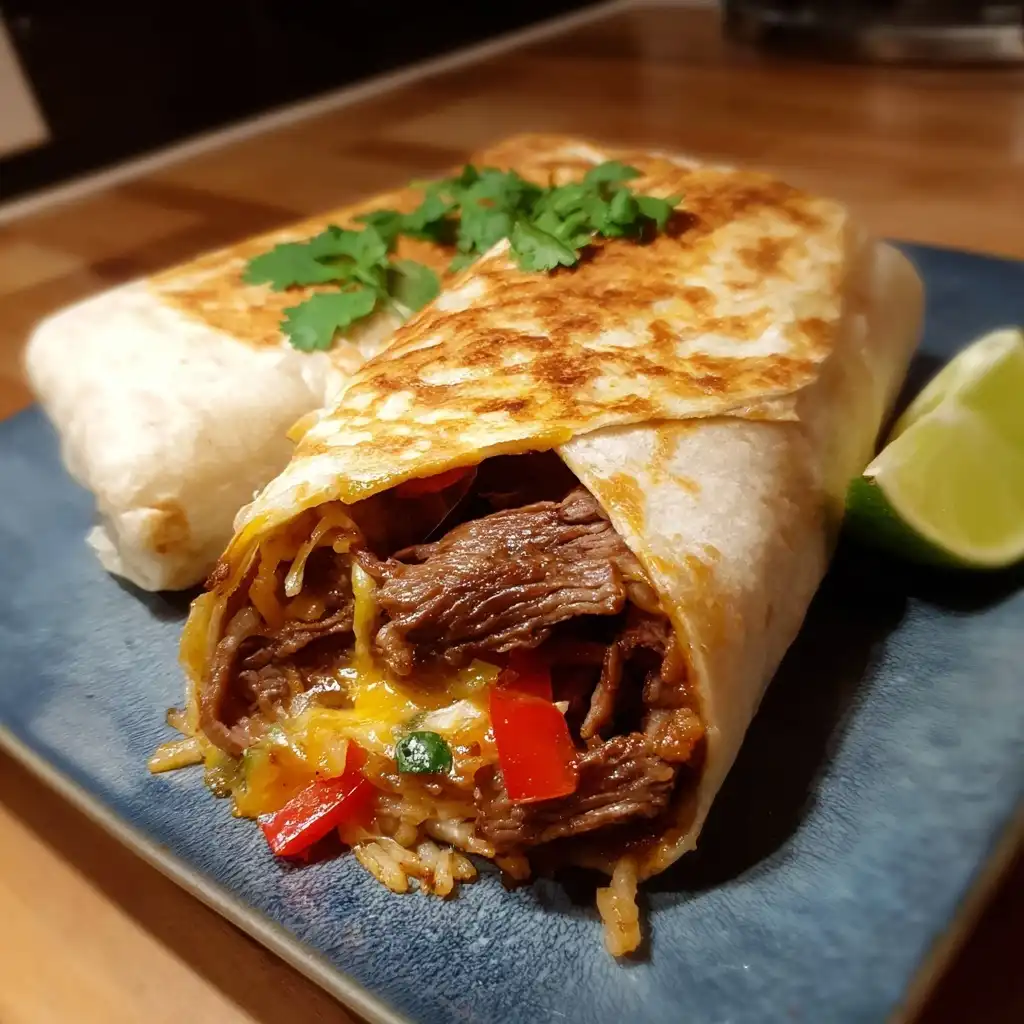
Beef fajita tortilla wraps are a vibrant, sizzling celebration of Tex-Mex cuisine—bold in flavor, rich in texture, and endlessly adaptable. More than just a quick weeknight meal, they embody the spirit of communal cooking: colorful bell peppers and onions caramelizing alongside tender strips of marinated beef, all nestled inside warm, pliable flour tortillas and crowned with fresh, zesty toppings. Whether served at a backyard barbecue, packed for lunch, or assembled at the table as a fun DIY dinner, beef fajita wraps deliver restaurant-quality excitement in every bite—without requiring professional equipment or hours of prep. Their appeal lies in their perfect balance: savory umami from well-seasoned beef, bright acidity from lime and tomatoes, creamy richness from avocado or sour cream, and subtle heat that lingers just long enough to invite another bite.
The History
The origins of fajitas trace back to the ranchlands of South Texas in the early 19th century, where Mexican vaqueros (cowboys) were often compensated with less desirable cuts of beef—including skirt steak—alongside offal and trimmings. Resourceful and resilient, these workers grilled the flavorful, fibrous skirt steak over open flames, seasoning it simply with salt, smoke, and whatever spices or chiles were on hand. The term “fajita” comes from the Spanish word faja, meaning “belt” or “girdle,” a direct reference to the cut’s long, flat shape resembling a leather belt. While the dish remained regional and relatively obscure for decades, its transformation into a mainstream sensation began in the 1960s and ’70s, notably at Texas roadside stands like Ninfa’s on Navigation in Houston—a landmark restaurant founded by Ninfa Laurenzo in 1973. There, fajitas were elevated from rustic campfire fare to a theatrical dining experience: sizzling cast-iron platters arriving tableside, fragrant with charred onions and peppers, encouraging guests to assemble their own wraps. By the 1980s, fajitas had exploded across the U.S., evolving beyond skirt steak to include flank, sirloin, and even chicken or shrimp—and eventually inspiring the modern, portable, handheld iteration: the beef fajita tortilla wrap. Today, this version honors its roots while embracing global influences, dietary preferences, and the fast-paced rhythm of contemporary life.
Ingredients Breakdown
Every exceptional beef fajita wrap begins with thoughtful, high-integrity ingredients—each playing a distinct sensory and functional role:
- Skirt Steak (or Alternative Cuts): The traditional star—thin, flavorful, and rich in connective tissue that breaks down beautifully under high heat. Its loose grain absorbs marinade deeply and yields tender, juicy strips when sliced *against the grain*. Flank steak offers similar texture and marinating capacity; thinly sliced sirloin tip or hanger steak provide leaner, more delicate alternatives.
- Marinade Components: A harmonious trifecta of acid (fresh lime juice or vinegar), oil (avocado or grapeseed for high smoke point), and aromatics (minced garlic, chopped cilantro stems, grated onion). Acid tenderizes while brightening; oil carries fat-soluble flavors and prevents sticking; aromatics build foundational depth.
- Dry Spice Blend: Ground cumin (earthy warmth), smoked paprika (subtle char and complexity), chili powder (not just heat—layered fruitiness and earth), garlic powder (concentrated savoriness), onion powder (sweet umami), and a touch of dried oregano (Mexican variety, not Mediterranean) for herbal nuance. Optional additions: a pinch of chipotle powder for smoky heat or cocoa powder for deep, roasted richness.
- Vegetables: Tri-color bell peppers (red for sweetness, yellow for brightness, green for vegetal bite) and sweet yellow or red onions provide crunch, natural sugars that caramelize beautifully, and visual pop. Slicing them uniformly (¼-inch strips) ensures even cooking and consistent texture.
- Tortillas: 8–10 inch flour tortillas (preferably fresh, unbleached, with minimal preservatives) offer ideal pliability, neutral wheat flavor, and structural integrity. Corn tortillas add authenticity and gluten-free appeal but require double-layering and gentle handling. For optimal results, warm tortillas just before assembly—this activates gluten elasticity and prevents cracking.
- Signature Toppings & Accoutrements: Freshly squeezed lime wedges (acidic counterpoint), diced white or red onion (sharp contrast), chopped cilantro (bright, citrusy finish), pico de gallo (tomato-onion-cilantro-lime freshness), guacamole (creamy fat and coolness), crumbled queso fresco or cotija (salty, milky tang), and a drizzle of crema or sour cream (richness and temperature balance). Each topping isn’t merely garnish—it’s a deliberate flavor and textural layer that completes the wrap’s symphony.
Step-by-Step Recipe
- Prepare the Marinade: In a non-reactive bowl, whisk together ¼ cup fresh lime juice, 3 tbsp avocado oil, 4 minced garlic cloves, 1 tbsp finely grated white onion, 1 tsp ground cumin, 1 tsp smoked paprika, 1 tsp chili powder, 1½ tsp kosher salt, 1 tsp black pepper, and 1 tbsp chopped cilantro stems. Taste and adjust—marinade should be assertively seasoned, as much flavor will remain in the liquid.
- Marinate the Beef: Place 1.5 lbs skirt steak (trimmed of excess silver skin) in a large resealable bag or shallow dish. Pour marinade over meat, ensuring full coverage. Seal or cover and refrigerate for *at least 2 hours*, preferably 4–8 hours (avoid exceeding 24 hours, as excessive acid can begin to “cook” the surface and toughen fibers).
- Prep Vegetables: While beef marinates, core and slice 2 red, 1 yellow, and 1 green bell pepper into ¼-inch-wide strips. Halve and thinly slice 1 large sweet yellow onion. Set aside separately.
- Heat Cooking Surface: Preheat a heavy-bottomed stainless steel or cast-iron skillet over medium-high heat until shimmering hot (about 2 minutes). Alternatively, preheat a grill to high (450–500°F) for outdoor cooking. Ensure surface is clean and lightly oiled.
- Cook the Beef: Remove steak from marinade, shaking off excess (reserve marinade). Pat *very dry* with paper towels—critical for achieving sear, not steam. Season both sides lightly with additional salt. Sear steak 3–4 minutes per side for medium-rare (internal temp 130–135°F), depending on thickness. Transfer to a cutting board and let rest *undisturbed* for 10 minutes—this allows juices to redistribute. Slice *thinly against the grain* at a 45-degree angle for maximum tenderness.
- Cook the Vegetables: Wipe skillet clean. Add 1 tbsp oil and heat over medium-high. Add peppers and onions. Cook undisturbed for 2 minutes to develop fond, then stir and continue cooking 5–7 minutes until edges are blistered, centers tender-crisp, and sugars begin to caramelize. For deeper flavor, deglaze with 2 tbsp reserved marinade during the last minute—scrape up browned bits.
- Warm Tortillas: Heat a dry skillet over medium. Warm each tortilla 20–30 seconds per side until soft, pliable, and lightly speckled. Stack wrapped in a clean kitchen towel or foil to retain steam and flexibility.
- Assemble Wraps: Lay a warm tortilla flat. Center ⅓ cup vegetable mixture, top with ¼ cup sliced beef, then layer toppings in order: 2 tbsp pico de gallo, 2 tbsp guacamole, 1 tbsp crumbled queso fresco, small handful fresh cilantro, and a generous squeeze of lime juice. Fold bottom third up, fold left and right sides inward, then roll tightly from bottom to top. Press gently to seal. Repeat.
Tips
- Dry the Meat Thoroughly: This single step makes the difference between a gray, steamed steak and a deeply browned, aromatic sear. Moisture is the enemy of Maillard reaction—pat aggressively with paper towels before cooking.
- Slice Against the Grain—Always: Skirt and flank steaks have long, parallel muscle fibers. Cutting perpendicular shortens those fibers, making each bite dramatically more tender. Look for the direction of the lines and rotate your knife accordingly.
- Don’t Crowd the Pan: Overloading lowers pan temperature, causing vegetables to steam instead of char and beef to stew instead of sear. Cook beef in batches if needed; keep cooked strips warm in a low oven (200°F).
- Rest the Beef Religiously: Skipping the 10-minute rest causes up to 30% of precious juices to escape upon slicing. Resting allows muscle fibers to relax and reabsorb moisture—resulting in juicier, more flavorful strips.
- Warm Tortillas Just Before Assembly: Cold or room-temperature tortillas crack easily. Warmth makes them pliable and slightly tacky—essential for secure rolling and preventing fillings from leaking.
- Layer Wet Ingredients Strategically: Place guacamole or sour cream *under* drier items (like cheese or lettuce) to act as a moisture barrier and prevent sogginess. Lime juice should be added *last*, just before rolling, to preserve brightness.
- Use a Cast-Iron Skillet for Maximum Flavor: Its superior heat retention creates unmatched caramelization on veggies and a robust crust on beef. If using nonstick, reduce heat slightly to avoid overheating the coating.
- Make Ahead Smartly: Marinate beef overnight; chop veggies and make pico/guac up to 1 day ahead (store separately with plastic wrap pressed directly on surfaces to limit oxidation). Assemble wraps only minutes before serving for optimal texture.
Variations and Customizations
Beef fajita wraps are a culinary canvas—infinitely customizable to suit dietary needs, seasonal produce, cultural fusions, and personal cravings:
- Gluten-Free: Use certified GF corn tortillas (look for 100% masa harina, no wheat fillers) or large butter lettuce leaves (romaine hearts or butter lettuce) for a crisp, low-carb vessel. Ensure all seasonings and sauces are GF-certified (some chili powders contain wheat fillers).
- Keto/Low-Carb: Skip tortillas entirely—serve sizzling beef and veggies over a bed of cauliflower rice, shredded romaine, or zucchini noodles. Boost fat with extra avocado, cotija, and a drizzle of avocado oil.
- Vegetarian/Vegan: Substitute marinated and grilled portobello caps, king oyster mushrooms (sliced lengthwise for “steak-like” texture), or extra-firm tofu pressed and marinated 2+ hours. Replace dairy toppings with cashew crema, vegan queso, and lime-marinated red cabbage slaw.
- Spice-Level Spectrum: Mild: Omit chili powder; use sweet paprika and add roasted poblano strips. Medium: Keep standard blend; add 1 minced jalapeño (seeds removed) to marinade. Hot: Include 1 tsp chipotle in adobo (minced) + ½ tsp cayenne in marinade; serve with pickled red onions and habanero salsa.
- Global Twists: Korean-Inspired: Swap marinade for gochujang, soy, ginger, sesame oil, and pear purée; top with kimchi slaw and toasted sesame. Mediterranean: Use lemon-oregano marinade; add kalamata olives, feta, cucumber-tomato salad, and tzatziki. Indian-Inspired: Marinate in yogurt, garam masala, turmeric, and ginger-garlic paste; serve with mango chutney and mint-cilantro chutney.
- Breakfast Fajita Wrap: Scramble eggs with chorizo or black beans, add sautéed peppers/onions and melted pepper jack; top with avocado and hot sauce. Perfect for weekend brunch or post-gym fuel.
- Meal-Prep Friendly: Portion beef and veggies into airtight containers (keep cold). Pack tortillas, toppings, and lime wedges separately. Assemble fresh each morning—stays delicious for 3–4 days refrigerated.
Health Considerations and Nutritional Value
A thoughtfully prepared beef fajita tortilla wrap is nutritionally robust—offering high-quality protein, phytonutrient-rich vegetables, healthy fats, and complex carbohydrates. A standard serving (one 10-inch wrap with 4 oz beef, 1 cup veggies, 2 tbsp guac, 1 tbsp cheese, and whole-wheat tortilla) delivers approximately:
- Calories: ~520–600 kcal (adjustable based on portion size and oil usage)
- Protein: 32–38g (from lean beef, supporting muscle maintenance, satiety, and metabolic health)
- Fiber: 8–12g (from whole-grain tortilla, peppers, onions, and avocado—promoting gut health and stable blood sugar)
- Healthy Fats: 22–28g (predominantly monounsaturated from avocado oil and avocado—linked to reduced LDL cholesterol and anti-inflammatory benefits)
- Vitamins & Minerals: Exceptionally high in Vitamin C (bell peppers = >200% DV per cup), Vitamin A (from red peppers and paprika), folate (beans/onions), potassium (beef and avocado), iron (heme iron from beef = highly bioavailable), and zinc (immune support and wound healing).
Dietary Notes:
- Sodium Awareness: Traditional preparations can be sodium-dense (marinade, cheese, store-bought salsas). Control intake by using low-sodium tamari instead of soy sauce in marinades, limiting added salt, choosing unsalted cheeses, and preparing fresh salsas.
- Saturated Fat Management: Opt for lean cuts (sirloin tip, trimmed flank), measure oil (1–2 tsp per batch), and prioritize avocado/olive oil over lard or butter.
- Carbohydrate Quality: Choose 100% whole-wheat or sprouted grain tortillas (look for ≥4g fiber per serving) over refined flour. Corn tortillas offer naturally gluten-free, lower-glycemic options.
- Food Safety: Always marinate beef in the refrigerator—not on the counter. Discard used marinade unless boiled for 1+ minute to kill bacteria. Cook beef to safe internal temperatures (145°F for medium, with 3-minute rest).
- Allergen Transparency: Naturally nut-free and egg-free. Easily adapted for dairy-free (omit cheese/crema) and soy-free (use coconut aminos instead of soy-based sauces).
Ingredients
- 1.5 lbs skirt steak (or flank steak), trimmed of excess fat and silver skin
- ¼ cup fresh lime juice (about 2–3 limes)
- 3 tbsp avocado oil (or grapeseed oil), divided
- 4 garlic cloves, minced
- 1 tbsp finely grated white onion
- 1 tsp ground cumin
- 1 tsp smoked paprika
- 1 tsp chili powder (ancho or chipotle blend preferred)
- 1½ tsp kosher salt (plus more to taste)
- 1 tsp freshly ground black pepper
- 1 tbsp chopped cilantro stems (leaves reserved for garnish)
- 2 red bell peppers, cored and sliced into ¼-inch strips
- 1 yellow bell pepper, cored and sliced into ¼-inch strips
- 1 green bell pepper, cored and sliced into ¼-inch strips
- 1 large sweet yellow onion, halved and sliced ¼-inch thick
- 8–10 (8–10 inch) fresh flour tortillas (whole-wheat or sprouted grain recommended)
- 1 cup pico de gallo (homemade preferred)
- ½ cup guacamole (freshly mashed avocado with lime, salt, and cilantro)
- ¼ cup crumbled queso fresco or cotija cheese
- ¼ cup fresh cilantro leaves
- Lime wedges, for serving
- Optional: sour cream or Mexican crema, sliced jalapeños, hot sauce
Directions
- In a medium bowl, whisk together lime juice, 2 tablespoons avocado oil, minced garlic, grated onion, cumin, smoked paprika, chili powder, kosher salt, black pepper, and cilantro stems until fully combined.
- Place skirt steak in a large resealable plastic bag or shallow glass dish. Pour marinade over beef, turning to coat evenly. Seal or cover and refrigerate for 2 to 8 hours (do not exceed 24 hours).
- When ready to cook, remove beef from marinade and pat *very dry* with paper towels. Reserve remaining marinade.
- Heat a large cast-iron or stainless-steel skillet over medium-high heat until very hot (about 2 minutes). Add remaining 1 tablespoon avocado oil and swirl to coat.
- Place beef in skillet and sear undisturbed for 3–4 minutes. Flip and sear second side for 3–4 minutes for medium-rare (130–135°F internal temperature). Transfer to a clean cutting board, tent loosely with foil, and rest for 10 minutes.
- Wipe skillet clean with a paper towel. Return to medium-high heat and add 1 teaspoon oil. Add bell peppers and onions. Cook undisturbed for 2 minutes, then stir and continue cooking 5–7 minutes until vegetables are tender-crisp with blistered edges. During the last minute, add 2 tablespoons reserved marinade and scrape up browned bits.
- While vegetables cook, warm tortillas: Heat a dry skillet over medium. Warm each tortilla 20–30 seconds per side until soft, flexible, and lightly speckled. Stack in a clean kitchen towel or foil to retain steam.
- After resting, slice beef thinly *against the grain* at a 45-degree angle into 2-inch-long strips.
- To assemble: Lay a warm tortilla flat. Spread 2 tablespoons guacamole near the center. Top with ⅓ cup vegetable mixture, ¼ cup sliced beef, 2 tablespoons pico de gallo, 1 tablespoon crumbled cheese, a small handful of cilantro, and a generous squeeze of fresh lime juice.
- Fold the bottom third of the tortilla up over the filling. Fold the left and right sides inward over the filling. Roll tightly upward from the bottom to enclose filling completely. Press gently to seal. Repeat with remaining ingredients.
- Serve immediately, with extra lime wedges, hot sauce, and optional sour cream or crema on the side.
FAQ
- Can I use frozen skirt steak?
- Yes—but thaw *completely* in the refrigerator (24–48 hours) before marinating. Never marinate or cook partially frozen meat, as it will steam rather than sear and absorb marinade unevenly.
- Why does my beef turn out chewy?
- Most commonly due to slicing *with* the grain instead of against it—or skipping the essential 10-minute rest. Overcooking beyond medium (145°F+) also dries out lean cuts like skirt steak. Always use a meat thermometer and slice against the visible muscle fibers.
- Can I make this recipe in an air fryer?
- Absolutely. Marinate and rest beef as directed. Air fry beef strips at 400°F for 5–7 minutes, shaking basket halfway, until internal temp reaches desired doneness. Roast veggies separately at 375°F for 12–15 minutes, tossing once. Assemble as usual.
- How do I prevent soggy tortillas?
- Avoid adding cold, watery toppings straight from the fridge. Drain pico de gallo well. Warm tortillas immediately before assembling. Layer guacamole first—it creates a moisture barrier. Roll tightly and serve within 10 minutes of assembly.
- Is skirt steak the only option?
- No. Flank steak is the most common substitute. For quicker cooking, try thinly sliced sirloin tip or hanger steak. For budget-friendly options, consider well-marinated and properly sliced flat iron or tri-tip. Avoid tougher roasts like chuck unless slow-cooked first.
- Can I grill the beef and veggies outdoors?
- Yes—and highly recommended! Preheat gas or charcoal grill to high (450–500°F). Grill marinated beef 3–4 minutes per side. Grill veggie strips on a perforated grill pan or skewered for 6–8 minutes, turning once, until charred and tender-crisp.
- How long do leftovers last?
- Refrigerate components separately: cooked beef (4 days), roasted veggies (4 days), pico de gallo (3 days), guacamole (2 days with plastic wrap pressed to surface), tortillas (room temp 3–5 days or refrigerated 1 week). Reheat beef and veggies gently in a skillet before assembling fresh wraps.
- Can kids enjoy this recipe?
- Yes—with simple modifications: omit spicy seasonings and jalapeños; use mild cheese; swap lime for lemon juice if preferred; add shredded cheddar or mozzarella; serve with apple slices or carrot sticks on the side. Let kids assemble their own wraps for engagement and fun.
Summary
Beef fajita tortilla wraps are a dynamic, nutrient-dense fusion of Tex-Mex tradition and modern culinary flexibility—featuring boldly marinated, expertly seared skirt steak, vibrantly caramelized tri-color peppers and onions, and fresh, zesty toppings, all enfolded in warm, pliable tortillas.
With endless variations—from keto and gluten-free adaptations to global flavor twists—and grounded in sound food science and mindful preparation techniques, this recipe delivers restaurant-worthy flavor, satisfying texture, and balanced nutrition in every handheld, customizable, and deeply satisfying bite.