Introduction
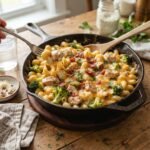
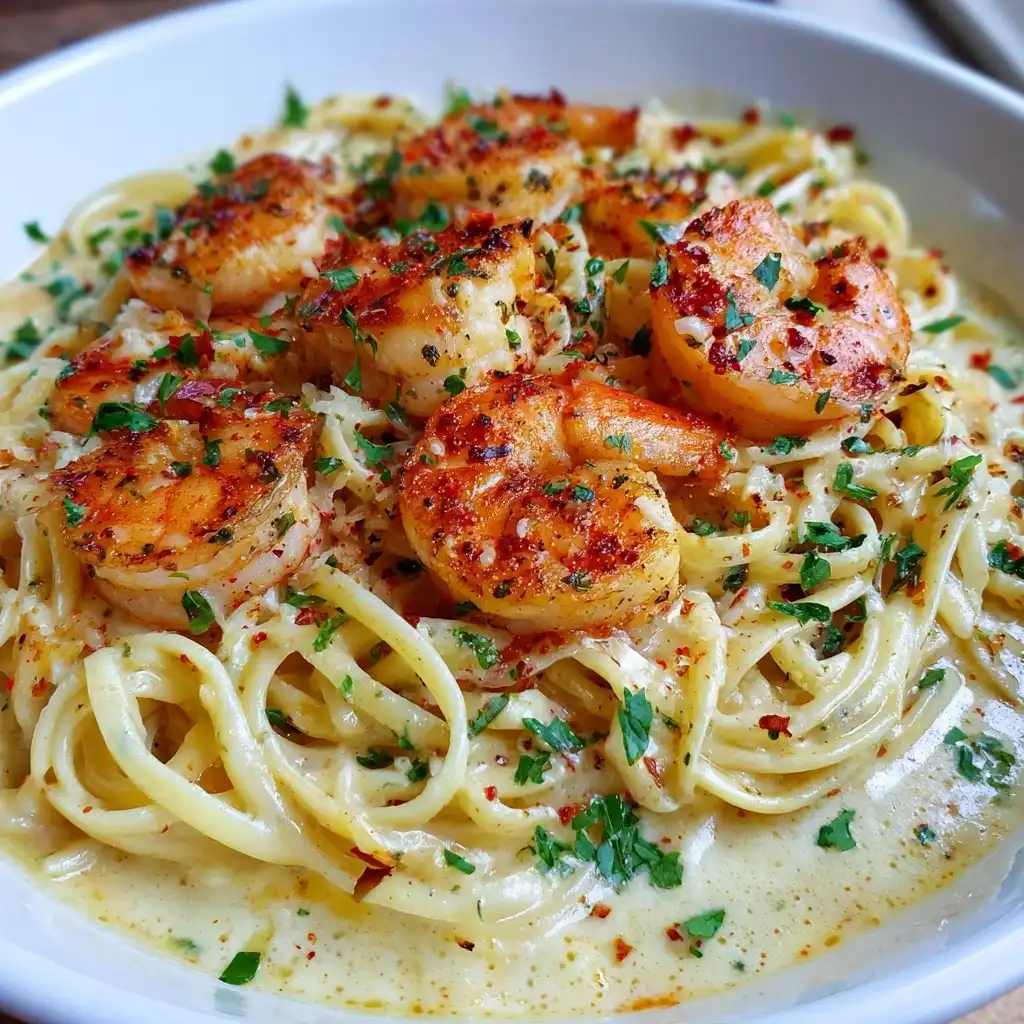
Creamy Garlic Shrimp Pasta is a luxurious yet surprisingly approachable weeknight dish that strikes the perfect balance between elegance and comfort. With its velvety, garlicky sauce clinging to tender, plump shrimp and perfectly al dente pasta, this recipe delivers restaurant-quality flavor without requiring gourmet techniques or hard-to-find ingredients. It’s the kind of dish that transforms an ordinary evening into something memorable—whether you’re cooking for a loved one, hosting a small gathering, or simply treating yourself after a long day. The magic lies in its simplicity: high-quality ingredients, thoughtful layering of aromatics, and careful control of heat and timing to preserve the shrimp’s delicate sweetness while building deep, savory complexity.
The History
While there is no single documented origin for Creamy Garlic Shrimp Pasta, its roots can be traced through a confluence of culinary traditions. Garlic-infused seafood preparations have long been staples across Mediterranean coastlines—from Provence’s bourride (a garlicky fish stew) to Sicily’s spaghetti con le sarde, where wild fennel and garlic create bold counterpoints to oily fish. The creamy element, however, owes much to 20th-century American-Italian fusion and post-war pantry evolution: as heavy cream became more widely available and accessible in U.S. households, home cooks began enriching classic aglio e olio–style shrimp dishes with dairy for added body and richness. The dish gained mainstream traction in the 1980s and ’90s via cooking magazines, cable television chefs like Emeril Lagasse (who championed “garlic bombs” and bold pan sauces), and later, food blogs in the early 2000s—where minimalist, one-pan variations exploded in popularity. Today, Creamy Garlic Shrimp Pasta exists in countless regional and cultural iterations: from Thai-inspired versions with coconut milk and lemongrass to Spanish-influenced renditions featuring smoked paprika and sherry vinegar—yet its core identity remains anchored in three pillars: garlic, shrimp, and silkiness.
Ingredients Breakdown
Understanding each ingredient’s role elevates your execution from good to extraordinary. This isn’t just a list—it’s a functional blueprint:
- Extra-Virgin Olive Oil: Used for initial sautéing—not just for fat, but for carrying volatile aromatic compounds from garlic and shallots. Choose a mid-range, fruit-forward oil (not overly peppery) to avoid bitterness at higher heats.
- Unsalted Butter: Added toward the end for richness, sheen, and emulsification power. Its milk solids contribute subtle nuttiness and help thicken the sauce without flour.
- Garlic (fresh, minced): The soul of the dish. Fresh cloves contain alliinase enzymes that convert alliin into allicin—the compound responsible for garlic’s pungent aroma and health benefits. Mince finely and add at the right temperature (medium-low) to prevent burning, which turns garlic acrid instead of sweet and fragrant.
- Shallots: A milder, sweeter cousin to onions, shallots provide layered depth without overwhelming. They caramelize gently and dissolve into the sauce, lending natural sweetness and umami backbone.
- White Wine (dry, high-acid): Typically Sauvignon Blanc or Pinot Grigio. Its acidity cuts through richness, lifts the shrimp’s brininess, and deglazes the pan to lift fond (those delicious browned bits). Alcohol evaporates during simmering, leaving only bright, complex flavor.
- Heavy Cream (36–40% fat): Essential for texture and stability. Lower-fat alternatives (half-and-half, whole milk) risk curdling or producing a thin, watery sauce. The high fat content emulsifies seamlessly with butter and pan juices, yielding a luscious, spoon-coating consistency.
- Fresh Shrimp (21/25 or 26/30 count, peeled & deveined, tails on or off): Opt for sustainably sourced, cold-water shrimp (e.g., Gulf white, Canadian spot, or MSC-certified). Larger sizes hold up better to quick cooking; smaller ones overcook easily. Pat dry thoroughly—excess moisture causes steaming instead of searing.
- Pasta (linguine, spaghetti, fettuccine, or tagliatelle): Long, slender shapes trap sauce best. Reserve 1 cup of starchy pasta water before draining—its gelatinized starch acts as a binding agent, helping the sauce cling and emulsify.
- Grated Parmigiano-Reggiano (freshly grated): Adds salty, nutty umami and helps thicken the sauce naturally. Pre-grated cheese contains anti-caking agents (e.g., cellulose) that inhibit melting and cause graininess.
- Fresh Parsley (flat-leaf): Added at the very end for brightness, color, and a clean herbal note that balances richness.
- Lemon Zest & Juice (optional but highly recommended): Not merely garnish—the zest adds aromatic oils, while a squeeze of juice right before serving provides essential acidity to harmonize fat and salt.
- Red Pepper Flakes (optional): For gentle heat that enhances—not dominates—garlic’s warmth.
Step-by-Step Recipe
- Prep Everything First (Mise en Place): Peel and devein shrimp; pat *extremely* dry with paper towels. Mince 6 garlic cloves and 2 shallots. Grate ½ cup Parmigiano-Reggiano. Chop ¼ cup fresh parsley. Measure ½ cup dry white wine, ¾ cup heavy cream, and 2 tbsp lemon juice. Have starchy pasta water ready. This dish moves quickly—no room for last-minute chopping.
- Cook the Pasta Al Dente: Bring 5–6 quarts of well-salted water (it should taste like the sea) to a rolling boil. Add 12 oz pasta and cook 1–2 minutes *less* than package instructions. Reserve 1 cup of cooking water, then drain—do *not* rinse.
- Sear the Shrimp: Heat 2 tbsp olive oil in a large, heavy-bottomed skillet (12–14 inch stainless or cast iron) over medium-high heat until shimmering. Add shrimp in a single layer; season lightly with salt and black pepper. Cook 1–1.5 minutes per side until opaque and just pink—do not overcook. Transfer immediately to a plate and set aside. Discard any liquid released.
- Sauté Aromatics: Reduce heat to medium-low. Add 2 tbsp unsalted butter, 1 tbsp olive oil, minced shallots, and half the garlic. Sauté gently for 2–3 minutes until soft and translucent—no browning. Stir in remaining garlic and red pepper flakes (if using); cook 30 seconds until fragrant but not colored.
- Build the Sauce Base: Pour in white wine. Scrape the bottom vigorously with a wooden spoon to release all browned bits (fond). Simmer 2–3 minutes until reduced by half and alcohol smell dissipates.
- Incorporate Cream & Cheese: Lower heat to low. Whisk in heavy cream gradually, then stir in grated Parmigiano-Reggiano. Simmer gently—do not boil—for 3–4 minutes, stirring often, until sauce thickens slightly and coats the back of a spoon.
- Combine & Finish: Return shrimp (and any accumulated juices) to the pan. Add drained pasta. Toss over low heat for 1–2 minutes, adding reserved pasta water 2 tbsp at a time until sauce becomes glossy, cohesive, and clings beautifully. Taste and adjust: more salt? A pinch of black pepper? A splash of lemon juice?
- Final Flourish: Remove from heat. Stir in remaining 1 tbsp butter (for extra gloss), lemon zest, and chopped parsley. Serve immediately in warmed bowls.
Tips
- Dry Your Shrimp Relentlessly: Moisture is the enemy of sear—and a soggy shrimp ruins the entire textural harmony. Press firmly with layers of paper towels.
- Control Garlic’s Heat Sensitivity: Garlic burns at ~300°F (150°C). Keep the pan at medium-low when sautéing—it should sizzle softly, not crackle aggressively.
- Never Boil the Cream Sauce: High heat causes fat separation and curdling. Gentle simmer = stable emulsion.
- Reserve Pasta Water Early: Once drained, you can’t go back. Starch concentration is highest in the first cup drawn.
- Undercook Pasta Intentionally: It finishes cooking in the hot sauce—prevents mushiness and ensures perfect bite.
- Use Warm Bowls: Cold ceramic chills the sauce too quickly, causing it to seize or look greasy.
- Work Quickly After Adding Pasta: The residual starch activates rapidly—toss within 90 seconds for optimal cohesion.
- Season in Layers: Salt the pasta water generously (2 tbsp kosher salt per 6 qt water), season shrimp before searing, and adjust final seasoning *after* combining—cream mutes salt perception.
- Rest Shrimp Off Heat While Building Sauce: Prevents carryover cooking—especially vital for jumbo shrimp.
- Finish with Fat & Acid: That final knob of butter and lemon juice aren’t optional—they’re the bridge between richness and refreshment.
Variations and Customizations
Protein Swaps
- Scallops: Use dry-packed sea scallops, seared separately (2 min/side). Add at the end—delicate texture won’t withstand prolonged heat.
- Chicken: Thinly sliced, pounded chicken breast or thigh. Sear until cooked through before building sauce.
- Salmon: Cubed skinless salmon; poach gently in the warm sauce (1–2 min) to retain tenderness.
- Vegan Option: Replace shrimp with king oyster mushrooms (sliced thick, marinated in tamari + garlic + maple) and use cashew cream (soaked raw cashews + water + lemon + nutritional yeast) instead of dairy.
Pasta Alternatives
- Gluten-Free: Brown rice linguine or chickpea spaghetti—both hold up well and absorb sauce beautifully.
- Low-Carb/Keto: Spiralized zucchini (“zoodles”), blanched 1 minute; add at the very end to avoid excess water release.
- Whole Grain: Farro or wheat berries—chewier texture, nuttier flavor; cook separately and toss in at the finish.
Sauce Twists
- Lemon-Dill: Add 1 tbsp fresh dill + zest of 1 lemon + 1 tsp capers with the parsley.
- Tomato-Basil: Stir in ¼ cup roasted tomato paste + 10 fresh basil leaves (torn) after reducing wine.
- Spicy Arrabbiata Style: Double red pepper flakes + 1 tsp Calabrian chili paste + finish with pickled cherry peppers.
- Truffle Elegance: Drizzle with white truffle oil and shave fresh black truffle over top.
- Coconut-Curry: Replace cream with full-fat coconut milk; add 1 tbsp red curry paste + 1 tsp grated ginger + lime instead of lemon.
Vegetable Add-Ins (Sautéed Separately)
- Asparagus tips (blanched 2 min)
- Sun-dried tomatoes (oil-packed, chopped)
- Spinach or baby kale (wilted in at the end)
- Roasted cherry tomatoes (burst and caramelized)
- Sautéed cremini mushrooms (with thyme)
- Thinly sliced fennel (braised in white wine)
Health Considerations and Nutritional Value
A 12-oz serving (pasta + sauce + shrimp) typically contains approximately 620–740 calories, depending on portion size and ingredient choices. Here’s a detailed nutritional profile and mindful modifications:
Key Nutrients & Benefits
- Shrimp: Extremely low in saturated fat (<0.2g per 3 oz), rich in selenium (56 mcg = 102% DV), vitamin B12 (1.7 mcg = 71% DV), and astaxanthin—a potent antioxidant linked to reduced oxidative stress and improved cardiovascular markers.
- Garlic: Contains allicin, shown in clinical studies to support healthy blood pressure, cholesterol metabolism, and immune modulation when consumed raw or lightly cooked.
- Olive Oil: Source of monounsaturated fats (oleic acid) and polyphenols like oleocanthal—demonstrated anti-inflammatory effects comparable to ibuprofen in vitro.
- Parmigiano-Reggiano: Naturally lactose-free, high in calcium (336 mg per ¼ cup), bioavailable protein (10g), and bone-supportive vitamin K2 (menaquinone-4).
Considerations & Modifications
- Sodium Awareness: Traditional prep can reach 700–900 mg sodium/serving (from cheese, pasta water, shrimp brine). Reduce by using low-sodium broth instead of wine (if avoiding alcohol), omitting added salt until tasting, and choosing unsalted butter.
- Saturated Fat Management: Heavy cream contributes ~22g sat fat per ¾ cup. Substitutes: ½ cup full-fat coconut milk + ¼ cup whole milk (14g sat fat); or cashew cream (2g sat fat, plus fiber).
- Cholesterol Note: Shrimp contains ~165mg cholesterol per 3 oz—yet recent research (American Heart Association 2021 Dietary Guidelines) confirms dietary cholesterol has minimal impact on serum LDL for most individuals; focus instead on overall dietary pattern and saturated fat intake.
- Gluten Sensitivity: Easily adapted with certified GF pasta. Ensure soy sauce (if used in variations) is tamari-based.
- Shellfish Allergy Alert: Always verify shrimp sourcing—cross-contact with other shellfish (crab, lobster) occurs in processing facilities. For severe allergy, substitute firm white fish (cod, halibut) or plant-based options.
Portion Guidance for Balanced Eating
For weight management or heart-health goals: serve 4 oz shrimp + 2 oz dry pasta (≈1 cup cooked) + 1 cup steamed broccoli or asparagus on the side. Boost volume and fiber without excess calories—keeping total meal under 550 kcal while preserving satisfaction.
Ingredients
- 12 oz linguine or spaghetti (high-quality bronze-die extruded for better sauce adhesion)
- 1 lb large shrimp (21/25 count), peeled, deveined, tails optional
- ¼ cup extra-virgin olive oil, divided
- 4 tbsp unsalted butter, divided
- 6 large garlic cloves, finely minced (about 2 tbsp)
- 2 medium shallots, finely diced (about ½ cup)
- ½ tsp red pepper flakes (adjust to taste)
- ½ cup dry white wine (Sauvignon Blanc, Pinot Grigio, or unoaked Chardonnay)
- ¾ cup heavy cream (minimum 36% fat)
- ½ cup freshly grated Parmigiano-Reggiano cheese (plus extra for garnish)
- ¼ cup fresh flat-leaf parsley, finely chopped
- Zest and juice of 1 large lemon (about 1 tsp zest, 2 tbsp juice)
- Kosher salt and freshly ground black pepper, to taste
- 1 tsp lemon zest (optional, for garnish)
Directions
- Bring a large pot of water to a rolling boil. Add 2 tablespoons kosher salt. Add pasta and cook, stirring occasionally, until 1–2 minutes shy of al dente—usually 8–9 minutes for dried pasta. Before draining, carefully scoop out and reserve 1 cup of starchy pasta water. Drain pasta thoroughly in a colander—do not rinse.
- While pasta cooks, prepare shrimp: pat extremely dry with paper towels. Season lightly with salt and pepper.
- Heat 2 tablespoons olive oil in a wide, heavy-bottomed skillet (12–14 inch) over medium-high heat until shimmering. Add shrimp in a single layer. Cook 1–1.5 minutes per side, until opaque and pink with slight golden edges. Transfer immediately to a clean plate. Discard any liquid pooling underneath.
- Reduce heat to medium-low. Add remaining 2 tablespoons olive oil and 2 tablespoons butter to the same skillet. Once butter melts, add shallots and half the minced garlic. Sauté 2–3 minutes until softened and fragrant—do not brown. Stir in remaining garlic and red pepper flakes; cook 30 seconds until aromatic.
- Pour in white wine. Increase heat to medium and scrape up all browned bits from the bottom of the pan with a wooden spoon. Simmer 2–3 minutes until wine reduces by half and alcohol evaporates.
- Lower heat to low. Whisk in heavy cream gradually, then stir in grated Parmigiano-Reggiano. Simmer gently—do not boil—for 3–4 minutes, stirring frequently, until sauce thickens enough to coat the back of a spoon.
- Add cooked shrimp (and any juices) to the sauce. Stir gently to combine and warm through, about 30 seconds.
- Add drained pasta to the skillet. Toss continuously over low heat for 1–2 minutes, adding reserved pasta water 1–2 tablespoons at a time until sauce becomes luxuriously glossy and clings evenly to every strand. Sauce should be fluid but not runny.
- Remove from heat. Stir in remaining 2 tablespoons butter, lemon zest, lemon juice, and chopped parsley. Taste and adjust seasoning—add more salt if needed, a crack of black pepper, or another squeeze of lemon for brightness.
- Serve immediately in pre-warmed shallow bowls. Garnish with extra grated Parmigiano-Reggiano, a drizzle of high-quality olive oil, and additional parsley or lemon zest.
FAQ
- Can I make this ahead of time?
- Best served fresh—but components can be prepped: cook pasta, chill, and toss with 1 tsp olive oil to prevent sticking; sauté aromatics and store refrigerated up to 2 days; shrimp can be peeled/deveined and chilled up to 24 hours. Reheat sauce base gently, then add shrimp and pasta at the last minute.
- Why did my sauce break or look greasy?
- Most common causes: boiling the cream (causes fat separation), adding cold pasta to hot sauce (thermal shock), or insufficient emulsification (not enough starch or cheese). Fix: whisk in 1 tbsp cold butter off heat while vigorously stirring—or blend 2 tbsp sauce with 1 tbsp hot pasta water, then stir back in.
- Can I freeze Creamy Garlic Shrimp Pasta?
- Not recommended. Dairy-based sauces separate upon freezing/thawing, and shrimp becomes rubbery. However, the *sauce base* (without shrimp or pasta) freezes well for up to 2 months—thaw overnight in fridge, reheat gently, then add fresh shrimp and pasta.
- What’s the best wine to cook with—and do I have to use alcohol?
- Choose a wine you’d drink—avoid “cooking wine.” For non-alcoholic version: substitute with ¼ cup low-sodium vegetable broth + 1 tbsp apple cider vinegar + 1 tsp sugar to mimic acidity and depth.
- My garlic tasted bitter—what went wrong?
- Burning. Garlic scorches fast. Always sauté in cool fat over low-medium heat, and add it *after* shallots soften—not at the beginning with oil alone. If you see browning, remove from heat immediately and start over.
- Can I use frozen shrimp?
- Yes—but thaw *completely* in the fridge overnight, then pat *extremely* dry. Never cook frozen shrimp directly—it releases too much water and steams instead of sears.
- How do I prevent mushy pasta?
- Undercook intentionally, reserve starchy water, and finish cooking in the pan—not in boiling water. Also, avoid rinsing, which washes away surface starch critical for sauce adhesion.
- Is there a dairy-free version that still feels creamy?
- Absolutely. Blend 1 cup raw cashews (soaked 4 hrs or boiled 15 min), ¾ cup hot water, 1 tbsp nutritional yeast, 1 tsp lemon juice, and ¼ tsp garlic powder until ultra-smooth. Use in place of cream—add at the same step and simmer gently.
- What sides pair well with this dish?
- Light, acidic, or crisp contrasts work best: arugula salad with lemon vinaigrette; roasted asparagus with flaky salt; garlic-rubbed grilled zucchini; crusty sourdough bread for soaking up sauce; or chilled cucumber-dill yogurt.
- How many people does this serve?
- This recipe yields 4 generous main-course servings (or 6 lighter portions). For meal prep, divide into 4 airtight containers—though again, best enjoyed fresh.
Summary
Creamy Garlic Shrimp Pasta is a masterclass in balancing simplicity with sophistication—where deeply aromatic garlic, sweet briny shrimp, and luxuriously velvety sauce converge over perfectly textured pasta in under 30 minutes.
With smart technique, quality ingredients, and adaptable variations, it’s a versatile, nourishing, and deeply satisfying dish that belongs in every home cook’s repertoire—equally at home on a Tuesday night or a celebratory dinner table.