Introduction
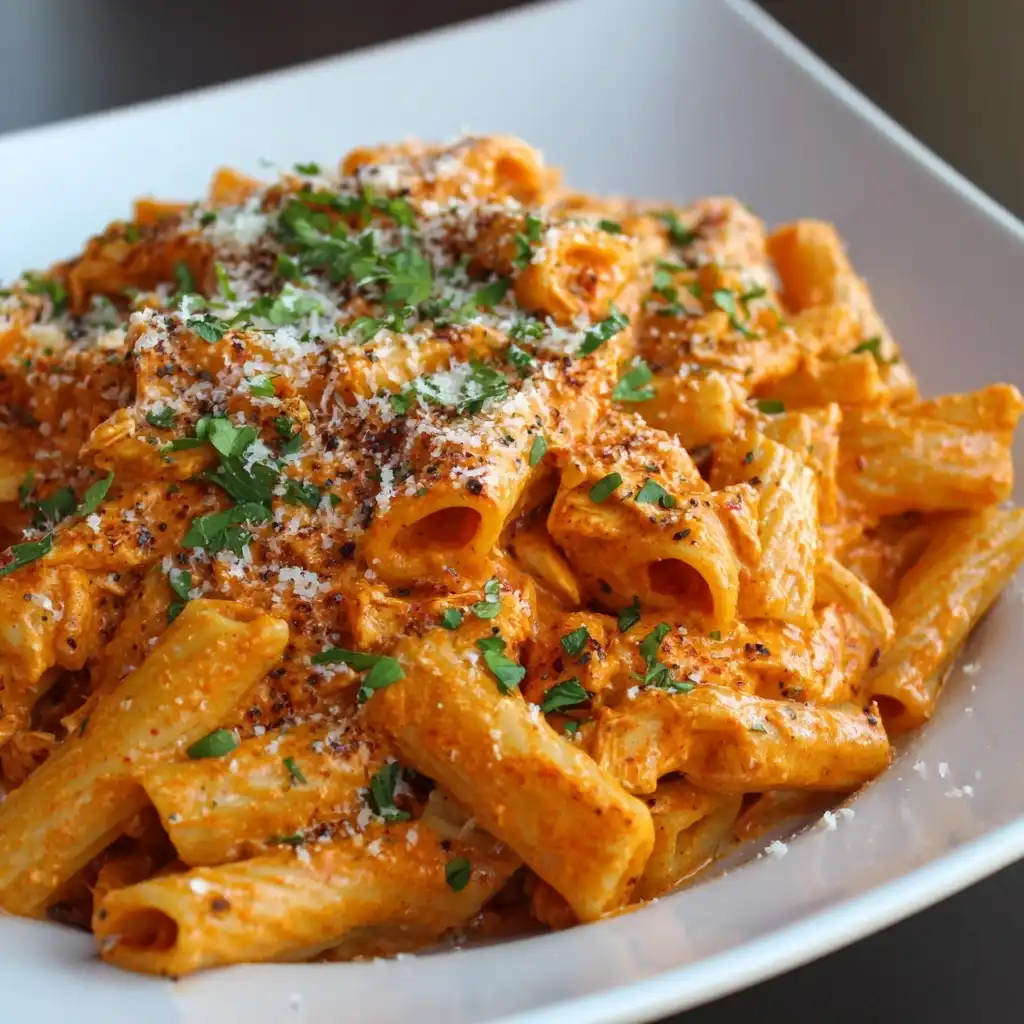
Step into the world of effortless elegance and modern comfort food with the Gigi Hadid Inspired Vodka Pasta — a dish that transcends its viral Instagram origins to become a bona fide culinary phenomenon. Born from a spontaneous, behind-the-scenes kitchen moment shared by supermodel and food enthusiast Gigi Hadid on social media in early 2020, this pasta quickly captured hearts (and feeds) worldwide. Far more than just a celebrity recipe, it embodies a new era of approachable luxury: creamy without heaviness, rich without guilt, bold without complication. With its silky tomato-vodka emulsion, subtle heat, and aromatic garlic-and-onion base, it’s a testament to how minimal ingredients — thoughtfully balanced and expertly executed — can yield maximum flavor. Whether you’re cooking for one after a long day or hosting friends for an impromptu dinner party, this dish delivers restaurant-quality depth with weeknight-friendly ease.
The History
The story of the Gigi Hadid Vodka Pasta begins not in a Michelin-starred kitchen, but in Gigi’s own Los Angeles home — a sun-drenched, marble-countered space where wellness, style, and genuine joy around food intersect. In February 2020, amid growing global uncertainty, Gigi posted a now-iconic Instagram Reel showing her preparing a vibrant, glossy pasta dish while casually narrating each step. She revealed she’d been making it for years — a riff on her mother Yolanda Hadid’s Lebanese-influenced adaptations of Italian-American classics — and credited her then-partner Zayn Malik as its “biggest fan.” What followed was unprecedented: millions of views, thousands of recreations, and a viral wave dubbed #GigiPasta that dominated TikTok, Pinterest, and food blogs for months. Chefs like Scott Conant and Missy Robbins publicly praised its balance; Bon Appétit called it “the accidental masterpiece of quarantine cooking.” Though often mischaracterized as “just vodka sauce,” the true legacy lies in its cultural resonance: a reminder that authenticity, simplicity, and personal storytelling are the most compelling ingredients of all. Notably, Gigi later partnered with Barilla and Smirnoff to promote accessible, high-quality pantry staples — reinforcing her commitment to demystifying gourmet cooking.
Ingredients Breakdown
Every extraordinary dish begins with intention — and this recipe is no exception. Below is a meticulous, chef-level breakdown of each component, including *why* it matters, optimal substitutions, and pro-grade sourcing tips:
- Pasta (1 lb / 450g): Traditionally made with Barilla Spaghetti — Gigi’s stated preference — though linguine, bucatini, or even fresh pappardelle work beautifully. The key is bronze-die extruded pasta, which offers superior surface texture for sauce adhesion. Avoid “enriched” or “instant” varieties — they lack the starch integrity needed for emulsification.
- Vodka (¼ cup / 60ml): Not merely for alcohol content — the ethanol helps extract and suspend fat-soluble flavor compounds from tomatoes and aromatics while simultaneously lowering the sauce’s boiling point for gentler reduction. Use a neutral, high-proof (80–100 proof), gluten-free vodka like Tito’s, Hangar 1, or Ketel One. Flavored vodkas will clash; cheap vodkas may introduce off-notes.
- Canned San Marzano D.O.P. Tomatoes (1 (28-oz) can): The soul of the sauce. Authentic Italian San Marzanos from the volcanic plains of Sarno carry natural sweetness, low acidity, and dense flesh — crucial for silkiness. Look for the red D.O.P. seal and “Product of Italy” labeling. Crush them by hand for ideal texture — never use pre-crushed or passata unless supplementing.
- Heavy Cream (½ cup / 120ml): Adds unctuous body and balances brightness. Opt for organic, low-heat pasteurized cream (e.g., Organic Valley or Kalona SuperNatural) — higher butterfat (36–40%) yields richer mouthfeel. Do *not* substitute half-and-half, whole milk, or non-dairy creamers — they’ll break or thin the emulsion.
- Onion & Garlic (1 small yellow onion, finely diced; 4 large garlic cloves, minced): The aromatic foundation. Yellow onions offer the perfect sweet-sharp balance; avoid white (too sharp) or red (too floral). Garlic must be freshly minced — pre-peeled or jarred versions lack enzymatic complexity and can turn bitter when sautéed.
- Olive Oil (3 tbsp extra-virgin): Used both for sautéing and finishing. Choose a medium-fruity, low-bitterness EVOO like California Olive Ranch or Partanna. Reserve 1 tbsp for garnish — its grassy, peppery finish cuts through richness.
- Red Pepper Flakes (½ tsp, plus more to taste): Provides gentle, resonant heat. Toast them lightly in oil before adding aromatics to bloom capsaicin oils — this deepens flavor and prevents raw spice bite.
- Fresh Basil (10–12 leaves, chiffonade): Added *off-heat* to preserve volatile oils. Genovese basil is ideal — avoid supermarket “baby basil” blends, which lack intensity.
- Grated Pecorino Romano (¾ cup, finely grated): Gigi’s signature twist — far saltier, sharper, and more complex than Parmigiano-Reggiano. Authentic Pecorino Romano D.O.P. from Sardinia or Lazio is essential. Use a microplane for maximum surface area and seamless melting.
- Salt & Freshly Ground Black Pepper (to taste): Diamond Crystal kosher salt preferred for precise control. Finish with Tellicherry black pepper — coarsely ground, aromatic, and floral.
Step-by-Step Recipe
This method prioritizes technique over speed — each stage builds critical flavor layers and structural integrity. Total active time: 25 minutes. Serves 4.
- Prep & Par-Cook Pasta: Bring 5 quarts of water to a rolling boil. Add 3 tbsp Diamond Crystal salt. Add pasta and cook for 2 minutes *less* than package directions (e.g., if spaghetti says 11 minutes, cook 9). Reserve 1½ cups starchy pasta water, then drain — do not rinse. The residual starch is vital for emulsification.
- Bloom Aromatics: In a wide, heavy-bottomed Dutch oven or stainless steel skillet (12-inch minimum), heat olive oil over medium-low heat. Add red pepper flakes and toast 30 seconds until fragrant — do not brown. Immediately add diced onion and a pinch of salt. Cook 5–6 minutes, stirring occasionally, until translucent and soft but not colored.
- Sauté Garlic: Reduce heat to low. Add minced garlic and stir constantly for 60–90 seconds — just until aromatic and pale gold. Overcooking causes bitterness. Remove pan from heat for 10 seconds to cool slightly.
- Introduce Vodka: Return pan to medium heat. Pour in vodka. Stir vigorously and scrape up any fond. Simmer uncovered 2–3 minutes until alcohol smell dissipates and liquid reduces by ~40%. This concentrates flavor and removes harsh ethanol notes.
- Add Tomatoes: Carefully pour in crushed San Marzanos (including juices). Stir well. Increase heat to medium-high and bring to a gentle simmer. Reduce heat to low, partially cover, and cook 12–15 minutes, stirring every 2–3 minutes. Sauce should thicken to coat the back of a spoon and deepen to brick-red. If too thick, add 2 tbsp reserved pasta water.
- Incorporate Cream: Whisk in heavy cream in a slow, steady stream. Simmer gently (do not boil rapidly) for 3 minutes, stirring constantly, until sauce turns velvety and coats the spoon. If separation occurs, whisk vigorously off-heat — the emulsion will re-form.
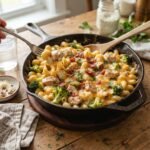
- Combine Pasta & Sauce: Return drained pasta to its pot. Pour warm sauce over pasta. Add ½ cup reserved pasta water. Toss vigorously with tongs for 90 seconds — the friction generates heat and encourages starch-cream binding. Sauce should cling luxuriously.
- Finish with Cheese & Herbs: Remove from heat. Fold in grated Pecorino Romano in three additions, allowing each to melt before adding more. Stir in basil chiffonade and a generous grind of black pepper. Taste and adjust salt only if needed — cheese adds significant salinity.
- Rest & Serve: Let rest 2 minutes — this allows starches to fully hydrate and sauce to settle. Serve immediately in warmed shallow bowls. Drizzle with reserved olive oil and extra Pecorino.
Tips
- Temperature Control is Non-Negotiable: Never let cream or tomato sauce boil rapidly after dairy is added — high heat causes protein denaturation and splitting. Maintain a bare simmer (185–195°F).
- Starch Water is Your Secret Weapon: The reserved pasta water isn’t just “liquid” — it’s a suspension of amylose and amylopectin that acts as a natural thickener and binder. Always measure it — eyeballing leads to inconsistency.
- Grate Cheese Yourself: Pre-grated cheese contains anti-caking agents (cellulose, potato starch) that inhibit melting and create graininess. A microplane ensures fine, cold shreds that integrate seamlessly.
- Toast Your Spices: Red pepper flakes, dried oregano (if using), or even black pepper benefit from brief toasting in oil — it volatilizes moisture and unlocks deeper terpenes.
- Acid Balance Matters: If sauce tastes flat after finishing, brighten with ½ tsp fresh lemon juice or a splash of high-quality balsamic glaze — never vinegar, which overwhelms.
- Use the Right Pan: Stainless steel or enameled cast iron provides even heat distribution and fond development. Avoid non-stick for the initial sauté — it inhibits caramelization.
- Don’t Skip the Rest: That 2-minute pause post-toss allows starch granules to swell and lock in creaminess. Serving immediately risks a looser, greasier texture.
- Double the Batch? Freeze Smart: Sauce (without pasta or cheese) freezes beautifully for 3 months. Thaw overnight in fridge, reheat gently, and toss with freshly cooked pasta.
Variations and Customizations
This recipe is a canvas — deeply personal, culturally fluid, and endlessly adaptable. Here are chef-curated interpretations, each preserving the core emulsion principle while honoring diverse palates and dietary needs:
- Seafood Luxe: Sear 12 large shrimp (shelled, deveined) and 12 diver scallops in olive oil until golden. Deglaze pan with vodka, then proceed with sauce. Fold seafood in at the end. Garnish with lemon zest and dill.
- Vegetarian Umami Bomb: Sauté 1 cup diced porcini mushrooms and 1 cup roasted eggplant cubes with aromatics. Add 1 tbsp white miso paste with the cream for deep savoriness. Top with toasted pine nuts.
- Spicy Arrabbiata Twist: Double red pepper flakes, add 1 tsp Calabrian chile paste with tomatoes, and finish with pickled cherry peppers.
- Dairy-Free / Vegan: Replace cream with ½ cup raw cashew cream (soaked cashews + water, blended ultra-smooth) and Pecorino with nutritional yeast + white miso + lemon juice blend. Use vegan butter instead of olive oil for richer mouthfeel.
- Gluten-Free Integrity: Use certified GF pasta (Barilla GF or Jovial) and ensure vodka is GF-certified (most are, but verify). Increase reserved water by ¼ cup — GF pasta releases less starch.
- Low-Carb/Keto: Substitute spiralized zucchini (“zoodles”) or shirataki noodles. Sauté zoodles separately in garlic oil, then fold into finished sauce at the very end to prevent sogginess.
- Lebanese Fusion: Add 1 tsp ground allspice and ½ tsp cinnamon with aromatics; swap basil for fresh mint and parsley; top with pomegranate molasses drizzle and toasted pistachios.
- Breakfast Pasta: Toss with soft-scrambled eggs, crumbled feta, and za’atar. Serve with a poached egg on top.
Health Considerations and Nutritional Value
While undeniably indulgent, this dish offers surprising nutritional nuance when prepared mindfully. Per serving (⅙ of full recipe, ~1.5 cups):
- Calories: ~620 kcal (moderate for a main course; lower than typical restaurant vodka pasta by ~180 kcal due to controlled cream/cheese ratios)
- Protein: 22g (from pasta, cheese, and trace amounts in tomatoes — supports satiety and muscle maintenance)
- Fiber: 4g (from whole-grain pasta option or added vegetables — boosts gut health and glycemic control)
- Healthy Fats: 28g total, with 16g monounsaturated (from EVOO) and 7g saturated (from cream/cheese). Recent research emphasizes fat quality over quantity — EVOO’s oleocanthal has anti-inflammatory properties comparable to ibuprofen.
- Vitamins & Antioxidants: San Marzano tomatoes provide 40% DV lycopene (enhanced by olive oil’s fat for absorption), plus vitamin C, potassium, and folate. Basil contributes vitamin K (120% DV per serving) and eugenol, a potent antimicrobial compound.
- Alcohol Content: Negligible post-cooking — >95% of ethanol evaporates during the 3+ minute vodka reduction phase. Residual amount is less than found in ripe bananas or vanilla extract.
- Dietary Notes: Naturally nut-free, soy-free, and egg-free. Easily adapted for vegetarian, Mediterranean, or pescatarian diets. For sodium-conscious eaters: reduce added salt by 50% and rely on Pecorino’s inherent salinity; choose low-sodium tomato brands like Bianco DiNapoli.
- Portion Mindfulness: Serve with a large arugula salad dressed in lemon-EVOO to increase volume, fiber, and micronutrient density without added calories.
Note: Those with alcohol sensitivities, GERD, or lactose intolerance should consult a healthcare provider before consuming. Lactose content is low (<1g/serving) due to aging of Pecorino Romano, but sensitive individuals may prefer lactase-treated cream.
Ingredients
- 1 pound (450g) bronze-die spaghetti (Barilla recommended)
- ¼ cup (60ml) high-quality, neutral vodka (Tito’s or Ketel One)
- 1 (28-ounce / 794g) can certified D.O.P. San Marzano tomatoes, hand-crushed with juices
- ½ cup (120ml) organic heavy cream (36–40% fat)
- 1 small yellow onion (about 1 cup diced)
- 4 large garlic cloves, finely minced
- 3 tablespoons extra-virgin olive oil, divided
- ½ teaspoon red pepper flakes (plus more for serving)
- 10–12 fresh Genovese basil leaves, chiffonade
- ¾ cup (85g) finely grated authentic Pecorino Romano D.O.P.
- 1 tablespoon Diamond Crystal kosher salt (plus more for pasta water)
- Freshly ground Tellicherry black pepper
Directions
- Bring 5 quarts water to a vigorous boil. Add 3 tablespoons kosher salt. Add spaghetti and cook for 2 minutes less than package instructions. Reserve 1½ cups starchy pasta water, then drain pasta thoroughly — do not rinse.
- In a 12-inch heavy-bottomed skillet or Dutch oven, heat 2 tablespoons olive oil over medium-low heat. Add red pepper flakes and toast 30 seconds until fragrant. Add diced onion and a pinch of salt. Cook 5–6 minutes until soft and translucent.
- Reduce heat to low. Add minced garlic and stir constantly for 60–90 seconds until aromatic and pale gold. Remove pan from heat for 10 seconds.
- Return pan to medium heat. Pour in vodka and stir, scraping up fond. Simmer 2–3 minutes until reduced by ~40% and alcohol aroma fades.
- Add crushed San Marzano tomatoes with juices. Bring to a gentle simmer, then reduce heat to low. Partially cover and cook 12–15 minutes, stirring every 2–3 minutes, until thickened and brick-red. Adjust consistency with 2 tablespoons reserved pasta water if needed.
- Whisk in heavy cream. Simmer gently (do not boil) for 3 minutes, stirring constantly, until velvety and cohesive.
- Return drained pasta to its cooking pot. Pour warm sauce over pasta. Add ½ cup reserved pasta water. Toss vigorously with tongs for 90 seconds until sauce clings luxuriously.
- Remove from heat. Fold in grated Pecorino Romano in three additions, stirring until melted between each. Stir in basil and several grinds of black pepper.
- Let rest 2 minutes. Serve in warmed shallow bowls. Drizzle with remaining 1 tablespoon olive oil and additional Pecorino Romano. Garnish with extra red pepper flakes and fresh basil.
FAQ
- Can I make this ahead of time?
- Yes — the sauce (without pasta or cheese) can be refrigerated for 4 days or frozen for 3 months. Reheat gently on stove, then toss with freshly cooked pasta and cheese. Never reheat fully assembled pasta — it becomes gummy.
- Why does my sauce break or look oily?
- Most commonly caused by overheating after adding cream, insufficient emulsifying starch (undercooked pasta or too little reserved water), or using pre-grated cheese. Fix by whisking vigorously off-heat with 1–2 tbsp hot pasta water — the starch will rescue the emulsion.
- Is there a non-alcoholic substitute for vodka?
- Not truly — vodka’s role is functional, not just flavor-based. However, for strict abstinence, replace with ¼ cup unsalted vegetable broth + 1 tsp white wine vinegar. Simmer 1 extra minute to cook off acidity. Texture and depth will be subtly different.
- Can I use canned tomato sauce or passata instead of whole San Marzanos?
- You can — but expect less complexity and more acidity. If using, reduce by 25% before adding cream, and stir in 1 tsp sugar to counterbalance. Whole tomatoes give superior texture and control.
- My pasta turned out mushy. What went wrong?
- Overcooking is the culprit — especially if you cooked to “al dente” instead of *under* al dente. Remember: pasta continues cooking when tossed with hot sauce. Also, avoid draining and sitting — toss immediately.
- How do I store leftovers?
- In an airtight container in the refrigerator for up to 3 days. Reheat gently in a skillet with 1–2 tbsp water or cream to restore silkiness. Microwaving often causes separation.
- What wine pairs best with this dish?
- A crisp, high-acid white with moderate alcohol: Vermentino from Sardinia, Soave Classico, or dry Riesling from Alsace. The acidity cuts richness; minerality complements tomato and cheese. Avoid oaky Chardonnays — they clash.
- Can I add meat like pancetta or sausage?
- Absolutely. Render 4 oz diced pancetta until crisp; remove, then sauté aromatics in rendered fat. Or brown ½ lb Italian sausage (fennel-forward), breaking into crumbles. Add back with tomatoes. Reduce cream by 1 tbsp to compensate for meat fat.
Summary
The Gigi Hadid Inspired Vodka Pasta is far more than a social media sensation — it’s a masterclass in minimalist technique, ingredient integrity, and joyful, unpretentious cooking. With its luscious, emulsified sauce built on toasted aromatics, slow-reduced San Marzano tomatoes, and velvety cream, it delivers restaurant-caliber depth in under 30 minutes.
Rooted in personal heritage and elevated by global culinary wisdom, this dish invites customization without compromise — whether you’re adding seafood, going vegan, or simply savoring it as Gigi intended: with great olive oil, bold cheese, and the quiet satisfaction of a meal made with love and intention.