Introduction
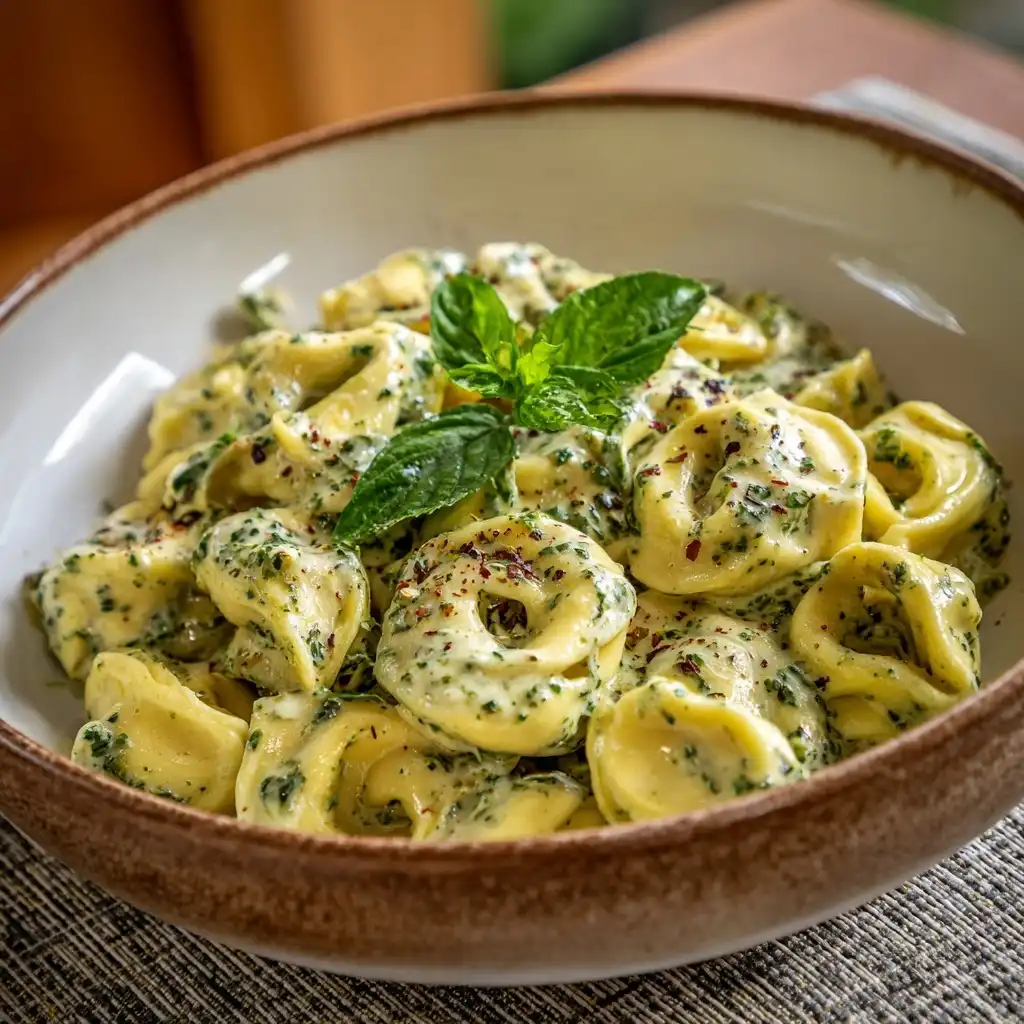
Creamy Pesto Tortellini is a luscious, restaurant-worthy pasta dish that effortlessly bridges the gap between rustic Italian tradition and modern American comfort food. With its velvety sauce, vibrant herbal notes, and tender cheese-filled tortellini, this dish delivers bold flavor in under 30 minutes—making it an ideal weeknight hero, impressive dinner party centerpiece, or make-ahead meal prep staple. Unlike traditional pesto pasta—which can sometimes be oily or overly sharp—this creamy iteration balances freshness with richness, offering a harmonious blend of basil, garlic, Parmesan, and a luxuriously smooth dairy base that clings beautifully to every nook and cranny of the delicate tortellini. Whether you’re a seasoned home cook or just discovering the joy of cooking with quality pantry staples, Creamy Pesto Tortellini invites creativity, comfort, and culinary confidence—all in one steaming bowl.
The History
The origins of Creamy Pesto Tortellini lie at the intersection of two beloved Italian traditions: tortellini and pesto. Tortellini—small, ring-shaped stuffed pasta—traces its roots to the Emilia-Romagna region, with legendary tales placing its creation in the 13th century near Bologna or Modena. Often filled with a mixture of pork, prosciutto, mortadella, Parmigiano-Reggiano, and nutmeg, authentic tortellini were traditionally served in capon broth during festive occasions—a symbol of celebration and regional pride. Meanwhile, pesto Genovese hails from Liguria, where fresh basil, pine nuts, garlic, extra-virgin olive oil, and aged Pecorino or Parmigiano-Reggiano were pounded by hand in a marble mortar to create a fragrant, emerald-green sauce dating back to at least the 16th century.
The “creamy” adaptation, however, is a distinctly modern innovation born from North American kitchens in the late 20th and early 21st centuries. As refrigerated and frozen cheese tortellini became widely available in U.S. supermarkets—and as home cooks sought richer, more cohesive sauces for pasta dishes—the fusion of classic pesto with dairy-based creaminess took hold. Early versions used heavy cream or half-and-half; later iterations embraced Greek yogurt, ricotta, or even cashew cream for lighter alternatives. The rise of food blogs, viral TikTok recipes, and influencer-driven “pantry pasta” trends further cemented Creamy Pesto Tortellini’s place in contemporary culinary culture—not as a deviation from authenticity, but as a delicious evolution rooted in accessibility, versatility, and joyful improvisation.
Ingredients Breakdown
Understanding each component deepens both appreciation and execution. Below is a detailed analysis of the core ingredients—not just *what* goes in, but *why*, *how it functions*, and *what to look for*:
- Fresh or Frozen Cheese Tortellini (16–20 oz): The structural heart of the dish. High-quality tortellini features a tender, slightly chewy egg pasta exterior and a rich, creamy interior—typically a blend of ricotta, mozzarella, Parmigiano-Reggiano, and herbs. Avoid brands with excessive gums or stabilizers, which can cause graininess when heated. Fresh refrigerated tortellini cooks faster (3–4 minutes) and offers superior texture; frozen may require 6–8 minutes and benefits from gentle stirring to prevent sticking.
- Homemade or High-Quality Store-Bought Basil Pesto (¾–1 cup): The soul of the dish. Authentic pesto contains only basil leaves (preferably Genovese or Italian large leaf), garlic, pine nuts (or walnuts for affordability), extra-virgin olive oil, and grated hard cheese. Avoid jarred pestos with preservatives, artificial coloring, or added sugars—they dull flavor and destabilize the sauce’s emulsion. If making homemade, blanching basil briefly preserves its bright green hue and mellows raw garlic bite.
- Heavy Cream or Full-Fat Coconut Milk (½–¾ cup): Provides luxurious body, sheen, and mouthfeel while tempering pesto’s intensity. Heavy cream (36–40% fat) yields the richest result; whole milk or half-and-half will thin the sauce significantly and may curdle if boiled. For vegan versions, full-fat coconut milk (canned, not beverage-style) adds natural sweetness and silkiness—just be sure to stir well before adding, as separation is common.
- Grated Parmigiano-Reggiano or Pecorino Romano (½ cup, plus extra for garnish): Adds umami depth, saltiness, and granular texture that helps thicken the sauce through starch-protein binding. Always grate fresh—pre-grated cheeses contain anti-caking agents (like cellulose) that inhibit melting and create grittiness. Pecorino offers sharper, saltier notes; Parmigiano delivers nutty, caramelized complexity.
- Garlic (2–3 cloves, minced): A foundational aromatic. Sautéing garlic gently in olive oil (not browning!) builds savory-sweet depth without bitterness. For layered flavor, consider adding a small amount of roasted garlic purée to the finished sauce.
- Extra-Virgin Olive Oil (2 tbsp): Used both for sautéing and finishing. Choose a robust, peppery, mid-range Ligurian or Tuscan oil for best results—it should taste grassy and slightly bitter, not rancid or buttery. Reserve a drizzle for garnish to amplify aroma and freshness.
- Fresh Basil Leaves (¼ cup, chiffonade): Added at the very end for aromatic lift and visual appeal. Heat degrades volatile oils, so tossing in raw leaves preserves their bright, floral top notes.
- Salt and Freshly Ground Black Pepper (to taste): Essential for balancing acidity, fat, and sweetness. Use flaky sea salt (like Maldon) for finishing; kosher salt for cooking water. Coarsely ground Tellicherry or Lampong black pepper adds warmth and subtle fruitiness.
- Optional Enhancers: Lemon zest (½ tsp) brightens richness; lemon juice (½ tsp, added off-heat) lifts heaviness; red pepper flakes (¼ tsp) introduce gentle heat; toasted pine nuts or walnuts (1 tbsp) add crunch and nutty contrast.
Step-by-Step Recipe
- Prepare Your Workspace: Gather all ingredients and equipment. You’ll need a large pot (for boiling pasta), a deep skillet or Dutch oven (12-inch minimum), a wooden spoon or heat-resistant spatula, a microplane or fine grater, measuring cups/spoons, and a colander. Have a small bowl ready for reserved pasta water.
- Boil the Tortellini: Fill the large pot with 4–5 quarts of water. Add 2 tablespoons kosher salt (this seasons the pasta from within). Bring to a vigorous rolling boil. Carefully add tortellini in a single layer—do not overcrowd. Stir gently once to prevent sticking. Cook according to package instructions, reducing time by 30 seconds (e.g., if package says 7 minutes, cook 6:30). Tortellini are done when they float and feel plump yet resilient—not mushy. Reserve 1 cup of starchy pasta water before draining.
- Sauté the Aromatics: While pasta cooks, heat olive oil in your skillet over medium-low heat. Add minced garlic and stir constantly for 45–60 seconds until fragrant and translucent—but never browned. Immediately lower heat if garlic begins to sizzle aggressively.
- Build the Cream Base: Pour in the heavy cream (or coconut milk) and increase heat to medium. Bring to a gentle simmer—small bubbles should form around the edges, but do not let it boil vigorously. Simmer uncovered for 2 minutes, stirring occasionally, to reduce slightly and concentrate flavor.
- Incorporate the Pesto: Reduce heat to low. Whisk in the pesto gradually—1 tablespoon at a time—allowing each addition to fully emulsify before adding more. This prevents separation and ensures even distribution. If sauce appears too thick, add 1–2 tablespoons reserved pasta water to loosen.
- Add Cheese Gradually: Sprinkle in grated Parmigiano-Reggiano in three additions, whisking thoroughly after each. This slow incorporation prevents clumping and encourages a silky, homogenous texture. Continue whisking for 1–2 minutes until sauce is glossy and coats the back of a spoon.
- Combine Pasta and Sauce: Gently add drained tortellini directly into the skillet. Using a folding motion (not stirring aggressively), toss to coat evenly. If sauce tightens, add pasta water 1 tablespoon at a time until desired consistency is reached—aim for a lush, pourable-but-coating texture.
- Finish with Freshness: Remove from heat. Fold in chiffonaded basil, lemon zest (if using), and a generous grind of black pepper. Taste and adjust seasoning—add flaky salt only if needed (pesto and cheese are already salty).
- Rest and Serve: Let sit off-heat for 1–2 minutes to allow flavors to marry and sauce to settle. Transfer to warmed bowls. Garnish with extra grated cheese, a final drizzle of olive oil, and additional basil leaves. Serve immediately.
Tips
- Never Boil the Sauce: High heat breaks the emulsion of pesto and dairy, causing separation and graininess. Keep the sauce at a bare simmer—or better yet, warm it gently on low heat.
- Reserve Pasta Water Like Gold: That starchy liquid is nature’s perfect thickener and binder. It contains gluten proteins and surface starch that help the sauce cling to pasta and re-emulsify if it starts to split.
- Undercook Tortellini Slightly: Since they’ll finish cooking in the hot sauce, pulling them 30 seconds early prevents mushiness—especially important for refrigerated varieties, which continue to soften off-heat.
- Use Cold Pesto Straight from the Fridge: Adding chilled pesto to warm (not hot) cream prevents flash-cooking the basil and preserves its vibrant color and fresh flavor.
- Whisk, Don’t Stir: When incorporating pesto and cheese, use a whisk for maximum emulsification. A spoon or spatula won’t create the same stable, velvety texture.
- Layer Flavors Strategically: Sauté garlic first, then build cream base, then fold in pesto, then cheese, then fresh herbs. Each step builds complexity—don’t shortcut the sequence.
- Toast Nuts for Depth: If adding pine nuts or walnuts, toast them separately in a dry pan until golden and fragrant (1–2 minutes). Cool completely before sprinkling on top—heat will wilt basil and mute aroma.
- Double the Pesto for Intensity: If you love bold herb flavor, increase pesto to 1¼ cups—but balance with an extra 2 tbsp cream or ¼ cup pasta water to maintain silkiness.
- Acid Is Your Friend: A tiny splash of lemon juice (¼ tsp) stirred in at the end cuts through richness and makes flavors pop—especially helpful if your pesto is on the mellow side.
- Make It Ahead—Wisely: Prepare pesto and grate cheese up to 3 days ahead. Cook tortellini fresh. Reheat sauce gently with a splash of milk or cream—never microwave in plastic containers, as heat degrades basil compounds.
Variations and Customizations
Creamy Pesto Tortellini is infinitely adaptable—whether you’re catering to dietary needs, seasonal produce, pantry limitations, or global flavor inspirations. Here’s how to reimagine it thoughtfully:
Dietary Adaptations
- Vegan Version: Use plant-based tortellini (often made with tofu ricotta or cashew fillings), high-quality basil pesto made with nutritional yeast instead of cheese, full-fat coconut milk or cashew cream, and omit dairy cheese. Boost umami with white miso paste (½ tsp) or tamari (1 tsp).
- Gluten-Free Option: Substitute certified GF cheese tortellini (many excellent brands now use brown rice, corn, or quinoa flour blends). Ensure pesto and cheese are GF-certified—some hard cheeses are aged with gluten-containing molds (rare, but verify).
- Low-Carb/Keto-Friendly: Replace tortellini with spiralized zucchini (“zoodles”), roasted spaghetti squash ribbons, or shirataki noodles. Increase healthy fats—add avocado slices, toasted hemp seeds, or a dollop of mascarpone.
- Dairy-Free Creaminess: Blend silken tofu + lemon juice + garlic + olive oil for a neutral, protein-rich base. Alternatively, use soaked and blended raw cashews (½ cup soaked 4+ hours, then blended with ⅓ cup water until ultra-smooth).
Protein & Veggie Boosts
- Grilled Chicken or Shrimp: Marinate boneless chicken breast or large shrimp in lemon-garlic-herb oil, grill or pan-sear, then slice or chop and fold in at the end.
- White Beans or Lentils: Stir in ½ cup cooked cannellini or French green lentils for plant-powered protein and earthy texture.
- Roasted Vegetables: Toss cherry tomatoes, asparagus, zucchini ribbons, or broccoli florets with olive oil, salt, and roast at 425°F for 15–20 minutes. Fold in just before serving for color, sweetness, and nutrition.
- Sun-Dried Tomatoes & Spinach: Sauté chopped oil-packed sun-dried tomatoes and baby spinach in the garlic oil before adding cream—adds tang, chew, and iron-rich greens.
Global Flavor Twists
- Mediterranean-Inspired: Add crumbled feta, kalamata olives, roasted red peppers, and a pinch of oregano. Swap pine nuts for toasted almonds.
- Asian Fusion: Replace basil pesto with a cilantro-lime “pesto” (cilantro, lime zest/juice, toasted sesame oil, ginger, garlic, roasted peanuts). Finish with scallions and sesame seeds.
- Spicy Arrabbiata-Style: Infuse olive oil with crushed red pepper before sautéing garlic, then stir in 1 tbsp tomato paste with the cream for a rosy, smoky undertone.
- Herbes de Provence Variation: Use a lavender-tinged pesto made with Provence herbs (rosemary, thyme, marjoram), goat cheese instead of Parmigiano, and a drizzle of honey for floral balance.
Pantry Substitutions (When You’re Stuck)
- No pesto? Blend 1 cup fresh basil + ¼ cup olive oil + 1 garlic clove + 2 tbsp grated cheese + squeeze of lemon + pinch of salt.
- No heavy cream? Use full-fat canned coconut milk, evaporated milk, or a roux-thickened whole milk (1 tsp butter + 1 tsp flour cooked 1 minute, then whisk in ½ cup milk).
- No cheese tortellini? Try cheese ravioli, gnocchi, or even orzo—adjust cooking time accordingly.
- No pine nuts? Walnuts, almonds, pistachios, or even sunflower seeds (toasted) work beautifully—and add unique nuance.
Health Considerations and Nutritional Value
A single 1¾-cup serving (approximately 1 serving) of classic Creamy Pesto Tortellini made with refrigerated cheese tortellini, full-fat pesto, heavy cream, and Parmigiano-Reggiano provides roughly:
- Calories: 580–650 kcal
- Protein: 24–28 g (primarily from cheese filling, dairy, and eggs in pasta)
- Total Fat: 32–38 g (of which 16–20 g are saturated—mainly from cream and cheese)
- Carbohydrates: 48–54 g (mostly complex carbs from enriched wheat pasta)
- Fiber: 2–3 g (modest unless whole-wheat or legume-based tortellini is used)
- Sodium: 620–850 mg (highly dependent on pesto salt content and added salt—can exceed 1,000 mg with pre-grated cheese and store-bought pesto)
- Vitamins & Minerals: Excellent source of calcium (35% DV), vitamin A (25% DV), vitamin K (from basil), and B12 (from dairy). Contains antioxidants like lutein and beta-carotene from basil and olive oil polyphenols.
Health Notes & Smart Swaps:
- Heart Health: While saturated fat is present, the monounsaturated fats in olive oil and the anti-inflammatory compounds in fresh basil (e.g., eugenol, rosmarinic acid) offer cardiovascular benefits. To reduce saturated fat, swap half the cream for whole milk + 1 tbsp cornstarch slurry, or use light coconut milk.
- Digestive Wellness: Basil contains eugenol, which supports healthy digestion and reduces bloating. Pairing with fiber-rich veggies (spinach, broccoli) enhances gut motility and microbiome diversity.
- Blood Sugar Balance: The dish has a moderate glycemic load due to pasta—but pairing with protein and fat slows glucose absorption. Opt for whole-wheat or legume-based tortellini to increase fiber to 6–8 g per serving.
- Sodium Awareness: Most sodium comes from cheese and pesto—not added salt. Choose low-sodium pesto (look for <200 mg per 2 tbsp), skip added salt in pasta water, and use flaky sea salt sparingly at the finish.
- Allergen Considerations: Contains wheat, dairy, eggs, and tree nuts (in traditional pesto). Always verify labels for cross-contamination warnings if serving those with severe allergies.
- Weight Management Tip: Portion control matters—use a measuring cup to serve 1½ cups max. Bulk up volume with 1 cup steamed vegetables to increase satiety without excess calories.
This dish isn’t “health food” in the restrictive sense—but it’s deeply nourishing when prepared mindfully, emphasizing whole-food ingredients, vibrant plants, and intentional preparation. Its real nutritional power lies in what it replaces: highly processed convenience meals, excessive takeout sodium, or flavorless low-fat substitutes.
Ingredients
- 16 oz (about 3 cups) fresh or frozen cheese tortellini (refrigerated preferred)
- ¾ cup high-quality basil pesto (homemade or store-bought—check label for clean ingredients)
- ½ cup heavy cream (or full-fat canned coconut milk for vegan)
- ½ cup freshly grated Parmigiano-Reggiano or Pecorino Romano (plus extra for serving)
- 2 tbsp extra-virgin olive oil (plus extra for drizzling)
- 2–3 garlic cloves, finely minced
- ¼ cup fresh basil leaves, chiffonaded (plus extra for garnish)
- ½ tsp lemon zest (optional but recommended)
- Freshly ground black pepper, to taste
- Flaky sea salt, to taste (use sparingly—pesto and cheese are salty)
- 1 cup reserved pasta water (essential!)
Directions
- Bring a large pot of water to a rolling boil. Add 2 tbsp kosher salt. Gently add tortellini and cook, stirring occasionally, until just shy of al dente—usually 30 seconds less than package directions. Reserve 1 cup of starchy pasta water, then drain tortellini in a colander. Do not rinse.
- While pasta cooks, heat olive oil in a large, deep skillet or Dutch oven over medium-low heat. Add minced garlic and cook, stirring constantly, for 45–60 seconds until fragrant and soft—but not browned.
- Pour in heavy cream and increase heat to medium. Bring to a gentle simmer—small bubbles forming at edges—then reduce heat to low. Simmer uncovered for 2 minutes, stirring occasionally.
- Reduce heat to low. Whisk in pesto 1 tbsp at a time, waiting for full incorporation before adding the next. If sauce thickens too quickly, add 1 tbsp reserved pasta water.
- Sprinkle in grated cheese in three batches, whisking vigorously after each until smooth and glossy—about 30 seconds per addition. Continue whisking 1–2 minutes until sauce coats the back of a spoon.
- Gently fold in drained tortellini using a folding motion. If needed, add more pasta water (1 tbsp at a time) until sauce is luxuriously creamy and clings to each piece.
- Remove from heat. Stir in chiffonaded basil, lemon zest, and several generous grinds of black pepper. Taste and adjust—only add flaky salt if truly needed.
- Let rest 1–2 minutes off-heat. Serve immediately in warmed bowls, garnished with extra grated cheese, a drizzle of olive oil, and fresh basil leaves.
FAQ
- Can I make this ahead of time?
- Yes—with caveats. You can prepare pesto and grate cheese up to 3 days ahead and store refrigerated. Cook tortellini fresh for best texture. If assembling fully ahead, refrigerate (without garnishes) for up to 24 hours. Reheat gently on low with a splash of cream or milk—stirring constantly—to revive silkiness. Avoid freezing the finished dish, as dairy and pasta separate upon thawing.
- Why did my sauce break or become grainy?
- Most commonly due to overheating (boiling the cream/pesto mixture), adding cold pesto to very hot cream, or using pre-grated cheese with anti-caking agents. To fix: Whisk in 1–2 tbsp warm pasta water and ½ tsp Dijon mustard (an emulsifier) while heating gently. Next time, keep heat low, add pesto gradually, and always use freshly grated cheese.
- Can I use dried tortellini?
- Technically yes—but not recommended. Dried tortellini requires much longer cooking (10–12 minutes) and often yields a denser, chewier texture that doesn’t pair as elegantly with creamy sauces. Fresh or frozen deliver superior mouthfeel and absorb sauce better.
- What’s the best pesto brand if I’m not making my own?
- Look for refrigerated, minimally processed options like Giovanni’s Gourmet Basil Pesto, Buitoni Fresh Basil Pesto, or Mezzetta Napa Valley Homemade Style. Avoid shelf-stable jars with hydrogenated oils, artificial colors, or added sugar. Always check the ingredient list: it should read like a recipe—basil, oil, cheese, nuts, garlic, salt.
- Is there a way to lighten this without sacrificing flavor?
- Absolutely. Substitute half the cream with whole milk + 1 tsp cornstarch (whisked smooth first); use part-skim ricotta-based tortellini; increase vegetable volume (add 1 cup sautéed spinach or peas); and boost herbs—more basil, parsley, or arugula adds freshness without calories.
- Can I freeze leftovers?
- Not ideally. Dairy-based sauces tend to separate, and pasta becomes gummy upon freezing/thawing. However, you *can* freeze uncooked, portioned tortellini with pesto and cream base separately (unmixed) for up to 2 months—then cook and combine fresh.
- What wine pairs well with Creamy Pesto Tortellini?
- A crisp, high-acid white complements the richness beautifully: try Vermentino (Sardinia), Soave Classico (Veneto), or an unoaked Chardonnay. For red lovers, go light and low-tannin—Lambrusco di Sorbara (slightly sparkling, fruity) or chilled Frappato (Sicily) works wonders.
- How do I reheat leftovers without drying them out?
- Stovetop is best: Place in a skillet with 1–2 tbsp cream or milk and 1 tbsp reserved pasta water. Warm over low heat, stirring gently, until just heated through (~3–4 minutes). Never microwave in a covered container—the trapped steam makes pasta rubbery.
- My pesto is very salty—will the dish be too salty?
- Possibly—but easily adjustable. Omit added salt entirely. Use less cheese (¼ cup instead of ½), and dilute with extra cream or pasta water. Taste after combining pesto and cream—but before adding cheese—and adjust accordingly.
- Can kids enjoy this dish?
- Yes! It’s naturally mild, creamy, and familiar—yet packed with nutrients. For picky eaters, stir in a little extra cream to mellow garlic, omit red pepper, and serve with a side of fruit or whole-grain roll. Many children love the fun shape and cheesy filling!
Summary
Creamy Pesto Tortellini is a masterclass in simple elegance—where humble pantry staples transform into a luxuriously satisfying, herbaceous, and deeply comforting dish that honors Italian roots while embracing