Introduction
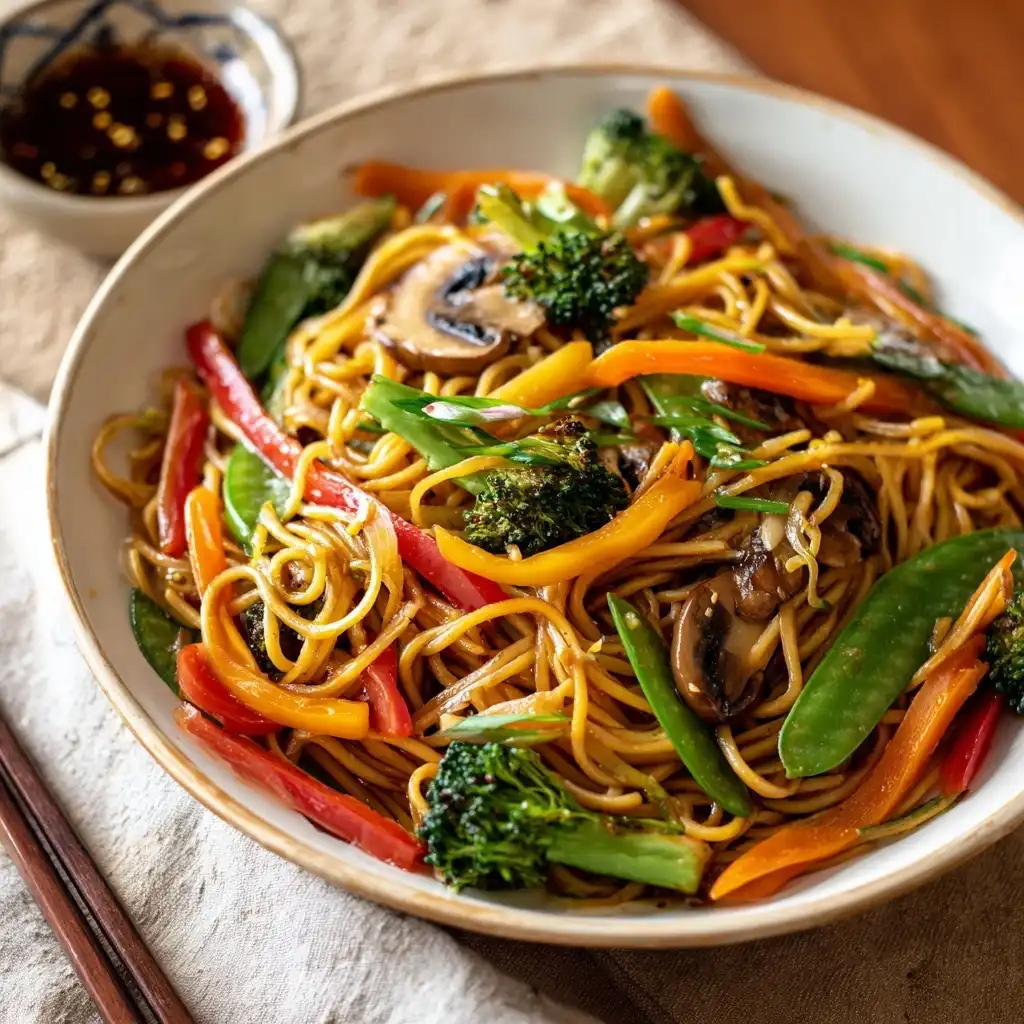
Vegetable Lo Mein is a beloved staple of American-Chinese cuisine—a vibrant, comforting, and endlessly adaptable noodle dish that celebrates the harmony of texture, color, and umami-rich flavor. Unlike its stir-fried cousin Chow Mein, Lo Mein (“tossed noodles” in Cantonese) features soft, chewy wheat noodles gently folded with crisp-tender seasonal vegetables, aromatic aromatics, and a savory-sweet-salty sauce that clings luxuriously to every strand. It’s a dish that bridges tradition and accessibility: rooted in Chinese culinary principles of balance and wok hei (the “breath of the wok”), yet thoughtfully evolved to suit diverse palates, dietary preferences, and home kitchen realities. Whether served as a weeknight dinner, a potluck centerpiece, or a nourishing meatless Monday meal, Vegetable Lo Mein delivers restaurant-quality satisfaction without requiring professional equipment—just intention, timing, and respect for fresh ingredients.
The History
The origins of Lo Mein trace back centuries to the Guangdong province of southern China, where wheat-based noodles were historically less common than rice noodles—but gained popularity through migration, trade, and regional adaptation. “Lo” (or “lou”) means “to toss” or “to mix,” and “mein” means “noodles”—so the name itself describes the defining technique: gentle tossing rather than high-heat frying. When Chinese immigrants arrived in the United States in the 19th and early 20th centuries, they adapted traditional recipes using locally available ingredients, leading to the emergence of what we now recognize as American-Chinese cuisine. Lo Mein evolved alongside Chop Suey and Egg Foo Young—dishes shaped by resourcefulness and cultural exchange. While authentic Cantonese Lo Mein often features wheat noodles with braised beef or wonton broth, the vegetarian version flourished in mid-century U.S. diners and takeout menus as a lighter, economical, and increasingly popular alternative. Over time, it absorbed influences from Japanese soba traditions, Korean glass noodle techniques, and even Mediterranean herb-forward sensibilities—making today’s Vegetable Lo Mein a truly global hybrid. Its enduring appeal lies not only in taste but in its symbolic resonance: a dish built on inclusion, improvisation, and the quiet joy of transforming simple staples into something soul-satisfying.
Ingredients Breakdown
Understanding each component deepens both technique and flavor—and empowers confident customization. Below is a detailed breakdown of the core categories:
- Noodles: Traditional Lo Mein uses fresh or dried Chinese egg noodles (about 3mm thick), made from wheat flour, water, alkali salt (jian shui), and sometimes egg. The alkaline water gives them their signature springy, slippery texture and pale yellow hue. Substitutes include linguine, spaghetti, udon, or even ramen noodles—but avoid overly delicate pastas like angel hair, which turn mushy. Gluten-free options like brown rice noodles or mung bean thread (cellophane) noodles require separate cooking protocols and absorb sauce differently.
- Aromatics: Garlic, ginger, and green onions form the aromatic trinity. Freshly minced or grated garlic and ginger release volatile oils that bloom instantly in hot oil—creating depth before any vegetable hits the wok. Scallion whites go in early; greens are reserved for garnish to preserve brightness and crunch.
- Vegetables: A successful Lo Mein balances color, texture, and cooking time. Cruciferous veggies (broccoli florets, bok choy stems, napa cabbage ribs) need slightly longer heat; tender leafy greens (spinach, baby bok choy leaves, shiitake caps) wilt in seconds. Classic additions include carrots (julienned or matchstick), bell peppers (red/yellow/orange for sweetness and color), snow peas, bean sprouts, and wood-ear or oyster mushrooms for earthy chew. Always prep uniformly—thin, consistent cuts ensure even cooking and elegant presentation.
- Sauce Base: The soul of Lo Mein lies in its sauce—a balanced emulsion of soy sauce (regular or low-sodium), oyster sauce (vegetarian versions use mushroom-based alternatives), toasted sesame oil, rice vinegar or Shaoxing wine, a touch of sugar or maple syrup for rounding, and cornstarch slurry for glossy cling. Optional umami boosters: hoisin sauce, fermented black bean paste, or a splash of tamari for gluten-free integrity.
- Fats & Finishes: High-smoke-point oils—peanut, canola, avocado, or refined sesame—are essential for wok-searing without burning. Toasted sesame oil is added *off-heat* to preserve its nutty fragrance. Optional finishes include crushed roasted peanuts, toasted sesame seeds, chili crisp, pickled mustard greens, or a drizzle of aged balsamic reduction for complexity.
Step-by-Step Recipe
- Prep All Ingredients Mise en Place (20–25 minutes): This is non-negotiable. Lo Mein cooks fast—typically under 8 minutes from start to finish—so having everything prepped, measured, and within arm’s reach prevents scorching, overcooking, or frantic chopping mid-stir. Julienne carrots, slice bell peppers thinly on the bias, separate bok choy stems from leaves, trim and halve snow peas, mince garlic and ginger finely, chop scallions (whites and greens separated), and whisk together your sauce in a bowl. Cook noodles separately according to package directions—al dente is key—then rinse under cold water, drain thoroughly, and toss with 1 tsp neutral oil to prevent sticking. Let rest while you prep vegetables.
- Heat the Wok or Skillet (2 minutes): Use the largest, heaviest-bottomed wok or 14-inch stainless/carbon steel skillet you own. Heat over medium-high until a drop of water sizzles and evaporates instantly (not just dances). Add 1½ tbsp neutral oil and swirl to coat. Oil should shimmer but not smoke—if it smokes, cool slightly and reheat.
- Infuse Aromatics (1 minute): Add minced ginger and garlic (and scallion whites if using) and stir constantly for 20–30 seconds—just until fragrant and golden at the edges. Do not brown; burning creates bitterness. Immediately proceed to next step.
- Stir-Fry Dense Vegetables (3–4 minutes): Add harder vegetables first—carrots, broccoli stems, bell peppers, snow peas, and bok choy stems. Toss continuously with a spatula or wok shovel, using the “push-pull” motion: push ingredients up the side, let oil pool at bottom, then pull down and toss. Cook until brightened in color and slightly softened but still crisp—avoid steaming by ensuring pan remains hot and ingredients aren’t piled too deep.
- Add Tender Greens & Mushrooms (1–1.5 minutes): Introduce leafy components: baby bok choy leaves, spinach, shiitake or oyster mushrooms, bean sprouts, and cabbage. Stir vigorously for 60–90 seconds until just wilted but vivid green. If adding frozen peas or corn, add here—they thaw and warm quickly.
- Combine Noodles & Sauce (2 minutes): Give sauce a final whisk (cornstarch settles), then pour evenly over vegetables. Immediately add drained noodles. Using two utensils (chopsticks + spatula or tongs + spoon), gently lift and fold—never saw or press—to coat every strand without breaking noodles. Cook undisturbed for 30 seconds to let sauce thicken, then continue folding for another 60–90 seconds until glossy, cohesive, and steaming hot throughout. If too dry, add 1–2 tsp hot vegetable broth or reserved noodle water. If too wet, cook 30 seconds longer over higher heat.
- Finish & Serve (30 seconds): Remove from heat. Drizzle with ½–1 tsp toasted sesame oil and a generous sprinkle of scallion greens. Optional: a pinch of white pepper, lime zest, or crushed Sichuan peppercorns for numbing citrus lift. Transfer immediately to a wide, shallow serving platter or individual bowls. Serve piping hot—Lo Mein is best enjoyed within 10 minutes of cooking, when noodles retain ideal texture and sauce glistens.
Tips
- Dry Noodles Thoroughly: Excess water dilutes sauce and causes steaming instead of searing. After rinsing, spread noodles on a clean kitchen towel or paper towels and pat gently—or spin in a salad spinner.
- High Heat Is Your Ally—But Control It: A roaring wok ensures quick evaporation, caramelization, and wok hei. However, if your stove lacks BTU power (e.g., electric coils), compensate by preheating longer, using smaller batches, and keeping ingredients very dry.
- Don’t Crowd the Pan: Overloading drops temperature dramatically. Cook in two batches if doubling the recipe—especially with watery vegetables like zucchini or cabbage.
- Cornstarch Slurry Ratio Matters: For 12 oz noodles, use 1 tbsp cornstarch + 2 tbsp cold water. Too much yields gummy sauce; too little results in pooling liquid. Whisk slurry just before adding—it separates quickly.
- Veggie Order = Science: Follow the “hard-to-soft” sequence: root vegetables → cruciferous → alliums → fungi → leafy greens → sprouts/herbs. This respects natural moisture content and cell structure.
- Taste & Adjust Midway: Before adding noodles, taste the sautéed veggie base. Need more salt? A splash of soy. More brightness? A few drops of rice vinegar. More depth? A half-teaspoon of hoisin. Trust your palate—it’s your most accurate tool.
- Rest Noodles Off-Heat: Let cooked noodles sit 5–10 minutes before tossing. This allows surface starch to set slightly, improving sauce adhesion and preventing clumping.
- Repurpose Leftovers Creatively: Cold Lo Mein makes excellent next-day fried rice (add egg and extra soy), noodle frittata, or chilled sesame noodle salad with cucumber ribbons and mint.
Variations and Customizations
Vegetable Lo Mein is inherently modular—designed for pantry flexibility and personal expression. Here are thoughtfully curated variations spanning global flavors, dietary frameworks, and seasonal ingenuity:
- Thai-Inspired Peanut Lo Mein: Swap soy sauce for tamari + 2 tbsp creamy peanut butter + 1 tsp lime juice + ½ tsp red curry paste. Top with crushed peanuts, cilantro, and lime wedges.
- Miso-Ginger Lo Mein: Replace oyster/hoisin with 1 tbsp white miso + 1 tsp grated fresh turmeric + extra ginger. Add blanched edamame and shredded nori.
- Harvest Lo Mein (Fall/Winter): Use roasted delicata squash, caramelized onions, sautéed kale, toasted walnuts, and applewood-smoked tofu. Finish with maple-sage drizzle.
- Spring Garden Lo Mein: Feature asparagus tips, sugar snap peas, fava beans, pea shoots, radish ribbons, and lemon zest. Lighten sauce with yuzu kosho and reduced vegetable stock.
- Spicy Szechuan Lo Mein: Infuse oil with dried chilies and Sichuan peppercorns. Add doubanjiang (fermented broad bean paste), black vinegar, and blistered long beans. Garnish with crispy fried shallots.
- Gluten-Free Lo Mein: Use certified GF brown rice or buckwheat noodles. Replace soy sauce with tamari or coconut aminos; verify oyster sauce is GF (many brands contain wheat)—or substitute mushroom “oyster” sauce.
- Vegan Lo Mein (Umami-Rich): Boost savoriness with nutritional yeast, sun-dried tomato paste, liquid smoke (sparingly), and rehydrated porcini soaking liquid. Add marinated baked tofu or tempeh crumbles.
- Kid-Friendly Mild Lo Mein: Omit chili, garlic, and strong aromatics. Use sweet bell peppers, corn, peas, and mild shiitakes. Coat noodles in a lightly sweetened teriyaki glaze and top with shredded carrot “confetti.”
- Protein-Powered Lo Mein: Add pan-seared marinated tofu, baked tempeh cubes, seitan strips, or chickpeas (roasted for crunch). For non-vegetarian options: shredded rotisserie chicken, shrimp, or thinly sliced flank steak (marinated 15 mins in soy + ginger + cornstarch).
- Zero-Waste Lo Mein: Repurpose vegetable scraps: broccoli stems (peeled and julienned), carrot tops (blanched and chopped), mushroom stems (finely diced), and herb stems (minced into aromatics). Simmer peels and ends into flavorful stock for sauce base.
Health Considerations and Nutritional Value
When prepared mindfully, Vegetable Lo Mein offers remarkable nutritional density—far surpassing its reputation as “empty-carb takeout.” A standard 2-cup serving (made with whole-wheat or legume-based noodles, minimal oil, and abundant vegetables) provides approximately:
- Calories: 380–450 kcal (varies by noodle type and oil quantity)
- Protein: 12–18g (enhanced significantly with tofu, tempeh, lentils, or edamame)
- Fiber: 6–10g (from diverse vegetables + whole-grain noodles—supports satiety, gut health, and blood sugar regulation)
- Vitamins & Minerals: Exceptionally high in Vitamin A (carrots, spinach, bok choy), Vitamin C (bell peppers, snow peas), Folate (leafy greens), Potassium (mushrooms, cabbage), and antioxidants like lutein and beta-cryptoxanthin.
- Healthy Fats: Monounsaturated fats from sesame and peanut oils support heart health; toasted sesame oil contributes lignans with anti-inflammatory properties.
- Sodium Awareness: Traditional sauces are sodium-dense. Mitigate by using low-sodium tamari, diluting soy with broth, omitting added salt, and boosting flavor with citrus zest, herbs, mushrooms, and fermented vegetables instead of salt.
- Glycemic Impact: White wheat noodles have moderate GI (~55); swapping to 100% buckwheat soba (GI ~45) or lentil pasta (GI ~30) lowers glycemic load substantially—ideal for metabolic health.
- Allergen Notes: Naturally nut-free and dairy-free. Easily made soy-free (coconut aminos), gluten-free (rice noodles), or sesame-free (omit toasted oil—use extra ginger/garlic for aroma).
- Digestive Wisdom: Ginger aids digestion and reduces bloating; fermented elements (miso, kimchi garnish) introduce beneficial probiotics; fiber diversity feeds a resilient microbiome.
- Portion Guidance: For weight management or diabetes support, emphasize vegetable volume (aim for ≥2 cups per serving) and limit noodles to 1 cup cooked. Pair with miso soup or seaweed salad for added satiety and mineral balance.
Crucially, Lo Mein’s healthfulness hinges on preparation—not just ingredients. Home-cooked versions avoid the excessive oil, MSG-laden sauces, and preservatives common in mass-produced takeout. By prioritizing whole foods, controlling sodium, embracing plant diversity, and honoring traditional balancing principles (yin-yang, five flavors), Vegetable Lo Mein becomes not just a meal—but functional nutrition wrapped in comfort.
Ingredients
- 12 oz fresh or dried Chinese egg noodles (or sub: linguine, udon, or GF brown rice noodles)
- 3 tbsp neutral high-heat oil (peanut, canola, or avocado), divided
- 1 tbsp fresh ginger, finely grated or minced
- 4 cloves garlic, finely minced
- 4 scallions, whites and greens separated and sliced diagonally
- 2 medium carrots, julienned or cut into thin matchsticks
- 1 red bell pepper, thinly sliced
- 2 cups broccoli florets (bite-sized)
- 1 cup snow peas, trimmed
- 1 cup napa cabbage or bok choy, thinly sliced (stems and leaves separated)
- 1 cup shiitake or oyster mushrooms, stemmed and sliced
- ½ cup bean sprouts (mung or soybean)
- For the Sauce:
- ¼ cup low-sodium soy sauce or tamari
- 2 tbsp vegetarian oyster sauce or mushroom “oyster” sauce
- 1 tbsp toasted sesame oil (added off-heat)
- 1 tbsp rice vinegar or unseasoned rice wine
- 1 tbsp pure maple syrup or brown sugar
- 1 tsp grated fresh ginger (optional, for extra zing)
- 1 tsp cornstarch mixed with 2 tbsp cold water (slurry)
- ¼ tsp white pepper (or black pepper)
- Optional Garnishes:
- Toasted sesame seeds
- Crushed roasted peanuts or cashews
- Lime or lemon wedges
- Chili crisp or sriracha
- Fresh cilantro or Thai basil
- Thinly sliced red chili
Directions
- Bring a large pot of salted water to a rolling boil. Cook noodles according to package instructions until just shy of al dente (usually 1–2 minutes less than directed). Drain immediately, rinse under cold running water until cool, drain thoroughly, and toss with 1 tsp neutral oil. Set aside.
- In a small bowl, whisk together soy sauce, vegetarian oyster sauce, rice vinegar, maple syrup, cornstarch slurry, and white pepper. Set aside.
- Heat a 14-inch wok or heavy-bottomed skillet over medium-high heat until shimmering. Add 1½ tbsp neutral oil and swirl to coat.
- Add ginger, garlic, and scallion whites. Stir constantly for 20–30 seconds until fragrant and just beginning to sizzle—do not brown.
- Add carrots, bell pepper, broccoli florets, and snow peas. Stir-fry for 3 minutes, tossing continuously, until vegetables brighten and edges begin to soften.
- Add napa cabbage stems (or bok choy stems) and mushrooms. Continue stir-frying for 1.5–2 minutes until stems become translucent and mushrooms release moisture and brown slightly.
- Add napa cabbage leaves (or bok choy leaves), bean sprouts, and any tender greens. Stir-fry for 60–90 seconds until just wilted but still vibrant.
- Give sauce mixture a vigorous final whisk, then pour evenly over vegetables. Immediately add drained noodles.
- Using two utensils, gently lift and fold noodles with vegetables for 90 seconds—allowing sauce to thicken and coat every strand. If mixture appears dry, add 1 tsp hot vegetable broth. If too loose, cook 30 seconds longer.
- Remove from heat. Drizzle with toasted sesame oil and sprinkle generously with scallion greens and optional garnishes.
- Serve immediately in warmed bowls, optionally with lime wedges or chili crisp on the side.
FAQ
- Can I make Vegetable Lo Mein ahead of time?
- Yes—with caveats. Cook noodles and vegetables separately up to 1 day ahead; store refrigerated in airtight containers. Sauce can be pre-mixed and refrigerated for 3 days. To reheat: stir-fry veggies in hot oil 1–2 minutes, add noodles and sauce, and toss over medium-high heat until steaming—this revives texture better than microwaving. Avoid assembling fully ahead—the noodles will absorb sauce and become gummy.
- Why do my noodles always clump or get mushy?
- Clumping occurs from excess starch and moisture. Always rinse cooked noodles under cold water to halt cooking and remove surface starch. Toss with oil *immediately* after draining. Also, avoid overcrowding the wok—steam causes stickiness. And never add noodles to cold sauce—heat activates the cornstarch and creates cohesion.
- Is Lo Mein healthy compared to Chow Mein?
- Generally, yes—when made at home. Lo Mein uses less oil (tossed vs. fried) and retains more vegetable crunch and nutrients. Chow Mein’s double-frying (noodles + stir-fry) increases fat and calorie content significantly. However, health depends entirely on preparation—not the name. A takeout Lo Mein drowning in oil and sodium may be less nutritious than a light, veggie-forward Chow Mein.
- Can I freeze Vegetable Lo Mein?
- Not recommended. Noodles become rubbery or disintegrate upon thawing and reheating. Instead, freeze cooked vegetables (blanched) and sauce separately for up to 3 months. Cook fresh noodles and combine when ready to serve.
- What’s the difference between Lo Mein and Pad Thai?
- Fundamentally different origins and structures. Lo Mein is Chinese-inspired: wheat noodles, savory-salty-sweet sauce, minimal acid, no tamarind or peanuts (unless customized). Pad Thai is Thai: rice noodles, tamarind-forward sour-sweet-salty-spicy profile, garnished with peanuts, lime, and bean sprouts. Texture, technique, and cultural context differ profoundly—though both celebrate balance.
- How do I add protein without overpowering the vegetables?
- Marinate proteins in 1 tsp soy + 1 tsp rice wine + ½ tsp cornstarch for 10–15 minutes, then pan-sear separately until just cooked. Fold in during the last 30 seconds of tossing—this preserves texture and prevents veggie overcooking. For tofu, press well, cube, and air-fry or pan-sear until golden before adding.
- My sauce is too salty—how can I fix it?
- Immediately add 1 tsp rice vinegar + ½ tsp maple syrup + 1 tbsp unsalted vegetable broth. Stir well and taste. If still harsh, add a small handful of blanched bok choy or cabbage to absorb excess salt. Never add water—it dilutes flavor without correcting imbalance.
- Can I use frozen vegetables?
- Yes—but choose high-quality flash-frozen varieties (no sauce or seasoning). Thaw completely and squeeze out *all* excess water using a clean towel. Add frozen peas or corn directly to hot wok—they’ll thaw instantly. Avoid frozen stir-fry mixes with cornstarch coatings—they create slime.
- What’s the best way to achieve “wok hei” at home?
- Wok hei (“breath of the wok”) is the elusive smoky, caramelized essence from high-heat searing. Maximize it: preheat wok until smoking hot, use minimal oil, keep ingredients dry, stir constantly but decisively, and avoid steam buildup by cooking in batches. A gas stove helps—but electric users can mimic it by heating longest possible, using carbon steel, and working fast.
- Are there low-carb alternatives to noodles in Lo Mein?
- While not traditional, spiralized zucchini (“zoodles”), shirataki noodles, or konjac rice work texturally—but require different prep. Zoodles must be salted, squeezed, and added *raw* at the very end (they cook in 30 seconds). Shirataki needs parboiling and thorough drying. Both absorb sauce differently—adjust liquid accordingly and expect a lighter, more delicate result.
Summary
Vegetable Lo Mein is a masterclass in mindful, vibrant plant-based cooking—where chewy noodles, crisp-tender seasonal vegetables, and a deeply umami-rich sauce converge in harmonious, customizable balance. Rooted in Chinese tradition yet endlessly reinvented across kitchens worldwide, it proves that nourishment, flavor, and joy need not be mutually exclusive.
With careful prep, intelligent ingredient layering, and respect for heat control, this dish transforms humble staples into a restaurant-worthy, nutritionally robust, and soul-warming experience—ready to adapt to your pantry, your values, and your moment.