Introduction
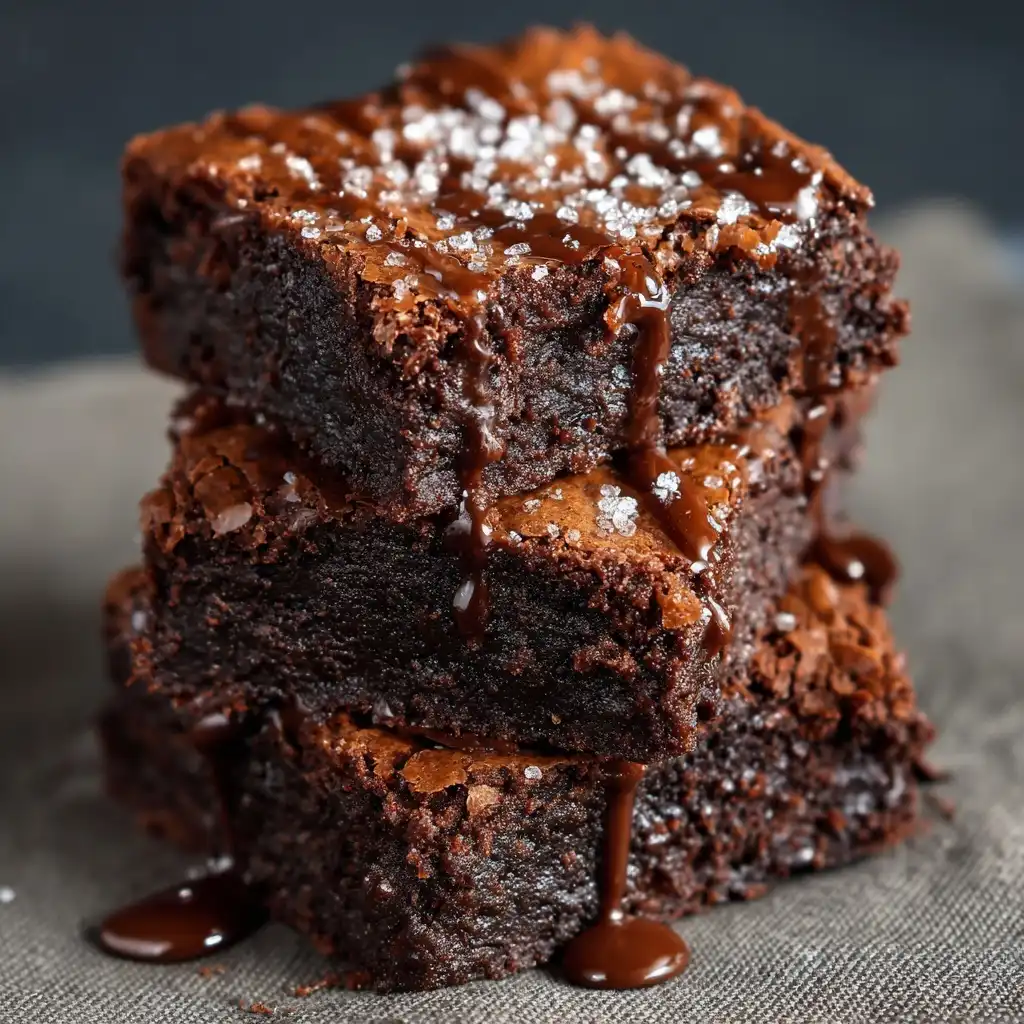
Triple Chocolate Brownies represent the pinnacle of decadent dessert craftsmanship—a rich, fudgy, deeply chocolatey confection that satisfies even the most insatiable cocoa cravings. Unlike standard brownies, which rely on a single chocolate source, this extraordinary variation layers three distinct forms of chocolate—unsweetened cocoa powder, bittersweet or semisweet chocolate chunks or chips, and creamy white chocolate—each contributing unique flavor notes, textures, and visual appeal. The result is a luxuriously dense yet tender square with crackly tops, molten pockets, subtle caramelized edges, and an unmistakable depth of chocolate complexity. Whether served warm with vanilla ice cream, dusted with flaky sea salt, or enjoyed solo with a cup of bold espresso, Triple Chocolate Brownies transcend mere dessert status to become a sensory experience—an homage to chocolate in its most indulgent, harmonious, and meticulously balanced form.
The History
The evolution of the brownie traces back to late 19th-century America, where it emerged as a happy accident—or perhaps a deliberate fusion—between cake and cookie. While the exact origin remains debated (with contenders including Chicago’s Palmer House Hotel in 1893 and Boston’s Fannie Farmer Cookbook in 1896), early brownies were simple, dense, and often nut-free. As cocoa production industrialized and chocolate varieties proliferated in the early 20th century, bakers began experimenting beyond basic cocoa and melted chocolate. The concept of “triple chocolate” didn’t gain widespread culinary traction until the 1980s and 1990s, when gourmet baking culture surged, food media amplified ingredient layering techniques, and premium chocolate brands expanded accessibility to high-cacao dark chocolate, smooth milk chocolate, and ethically sourced white chocolate. Notably, renowned pastry chefs like Alice Medrich and Dorie Greenspan championed multi-chocolate layering in the 1990s, emphasizing how contrasting cocoa percentages, fat contents, and sugar profiles could create dimensional flavor architecture. Today, Triple Chocolate Brownies are a staple in bakery case displays, wedding dessert tables, and competitive baking circuits—not merely for their richness, but for their technical nuance: mastering melt points, crystallization control, and thermal conductivity across three chocolate types demands precision, patience, and profound respect for chocolate science.
Ingredients Breakdown
Every component in Triple Chocolate Brownies serves a precise functional and flavor-driven role—nothing is arbitrary. Below is a comprehensive, chef-level analysis of each ingredient:
- Unsweetened Cocoa Powder (Dutch-processed preferred): Provides intense, non-sweet chocolate backbone and deep mahogany color. Dutch-processed cocoa is alkalized, yielding smoother tannins, enhanced solubility, and superior dispersion in batter—critical for avoiding graininess and ensuring uniform fudginess. Its lower acidity also stabilizes leavening and improves shelf life.
- Bittersweet Chocolate (60–70% cacao): Chopped into small, irregular pieces (not chips) to ensure optimal melting behavior and gooey, marbled texture. Higher cacao content delivers robust bitterness and fruity or earthy undertones that balance sweetness and prevent cloyingness. The cocoa butter within melts at body temperature, creating that signature “mouth-melting” sensation.
- White Chocolate: Must contain *real cocoa butter* (not vegetable fat substitutes) and at least 20% cocoa butter by weight—check labels carefully. High-quality white chocolate contributes creamy sweetness, delicate vanilla notes, and a luxurious, buttery mouthfeel. It also lowers overall batter viscosity slightly, aiding in even distribution of dark chocolate pieces while adding structural tenderness via added dairy solids.
- Granulated Sugar: Not only sweetens but aids in crust formation through caramelization during baking. Its coarse crystals help incorporate air during creaming, contributing to slight lift without compromising density.
- Packed Light Brown Sugar: Adds moisture retention (thanks to molasses), subtle caramel flavor, and acidity that enhances chocolate perception. The molasses also promotes Maillard browning along the edges for textural contrast.
- Large Eggs (room temperature): Act as emulsifiers, binders, and leaveners. Yolks contribute richness and fat; whites provide structure. Room temperature ensures uniform incorporation and prevents seizing when mixed with warm chocolate.
- Pure Vanilla Extract (or Madagascar bourbon bean paste): Elevates all chocolate notes through synergistic aromatic compounds—vanillin binds with cocoa polyphenols to amplify perceived sweetness and round out bitterness.
- Unsalted Butter (high-fat, European-style preferred): Provides essential fat for moistness, sheen, and flavor. European-style butters (82–86% fat) yield denser, glossier crumb and richer mouth-coating properties than standard American butters (80%). Melted—but not hot—butter ensures proper emulsion without cooking eggs.
- All-Purpose Flour (bleached or unbleached): Offers just enough gluten development for cohesive structure without toughness. Overmixing must be avoided post-flour addition to prevent chewiness. For gluten-sensitive bakers, a 1:1 certified gluten-free flour blend with xanthan gum works reliably.
- Pinch of Fine Sea Salt: Critical for flavor modulation—it doesn’t make the brownies taste salty, but rather heightens sweetness, suppresses excess bitterness, and unifies all chocolate notes into a cohesive profile.
- Optional Add-Ins: Toasted walnuts or pecans (for crunch and tannic contrast), espresso powder (to deepen chocolate flavor without adding coffee taste), or a swirl of raspberry coulis (for bright acidity that cuts richness).
Step-by-Step Recipe
- Preheat & Prep: Position oven rack to center position. Preheat oven to 325°F (163°C)—a lower temperature ensures slow, even baking and prevents doming or cracking. Grease a 9×13-inch metal baking pan *generously*, then line bottom and long sides with parchment paper, leaving 2-inch overhangs on two opposite sides for effortless lifting. Lightly grease parchment.
- Melt Chocolate & Butter: In a heatproof bowl set over a saucepan of barely simmering water (double boiler), combine chopped bittersweet chocolate and unsalted butter. Stir constantly with a silicone spatula until fully melted and smooth—about 4–6 minutes. Remove from heat and let cool slightly (110–115°F / 43–46°C) to avoid cooking eggs.
- Whisk Dry Ingredients: In a separate medium bowl, sift together Dutch-process cocoa powder, all-purpose flour, fine sea salt, and optional espresso powder (if using). Whisk thoroughly to aerate and eliminate lumps.
- Cream Sugars & Eggs: In a large mixing bowl, combine granulated sugar, brown sugar, and eggs. Using a hand mixer or stand mixer fitted with whisk attachment, beat on medium-high speed for 3–4 minutes until thick, pale, and ribbony—when drizzled, batter should hold a ribbon on surface for 3 seconds before dissolving. This step incorporates vital air and develops structure.
- Temper & Combine: With mixer running on low, slowly pour warm (not hot) chocolate-butter mixture into egg-sugar mixture in a thin, steady stream. Once fully incorporated, add pure vanilla extract and mix just until combined. Scrape down bowl thoroughly.
- Fold in Dry Ingredients: Using a flexible silicone spatula, gently fold dry ingredients into wet mixture in three additions, rotating bowl 1/4 turn after each fold. Mix *only until no streaks remain*—overmixing activates gluten and yields tough, cakey brownies. Batter will be thick, glossy, and slightly elastic.
- Incorporate White Chocolate: Gently fold in finely chopped high-quality white chocolate (and nuts, if using) until evenly distributed—do not overfold. Let batter rest 5 minutes to hydrate flour and relax gluten.
- Pan & Bake: Pour batter into prepared pan. Use an offset spatula to spread evenly, then tap pan firmly on counter 3–4 times to release air bubbles and level surface. Bake for 32–38 minutes. Begin checking at 32 minutes: edges should be set and pulling away slightly from pan; center should appear matte (not shiny) and jiggle *very slightly* when gently shaken—like firm gelatin. A toothpick inserted 1 inch from edge should come out with moist crumbs; center insertion should show *damp, fudgy crumbs*—never clean.
- Cool Completely: Place pan on wire rack and cool *undisturbed* for 2 hours at room temperature. This crucial step allows residual heat to finish cooking the center while starches retrograde and fats solidify—ensuring clean cuts and maximum fudginess. For best texture, refrigerate uncovered for 1 hour before slicing—cold brownies slice cleaner and taste more intensely chocolatey.
- Score & Serve: Using a sharp chef’s knife wiped clean between cuts, score chilled brownies into 16 even squares (4×4) or 24 smaller bars (4×6). For presentation, sprinkle with flaky Maldon sea salt and/or edible gold dust just before serving.
Tips
- Chocolate Quality Is Non-Negotiable: Use couverture-grade or premium baking chocolate (e.g., Valrhona, Callebaut, Guittard, or Scharffen Berger). Avoid “chocolate-flavored” products or chips with hydrogenated oils—they won’t melt properly and impart waxy textures.
- Chop, Don’t Chip: Chop bittersweet chocolate yourself—chips contain stabilizers that resist melting and create uneven texture. Aim for ¼-inch pieces for ideal marbling and melt pools.
- Temperature Control Is Everything: Warm (not hot) chocolate mixture prevents scrambled eggs; room-temp eggs emulsify better; cooled batter before baking reduces spreading and improves edge definition.
- Underbake Slightly: Brownies continue cooking from residual heat. Removing them just before fully set guarantees fudgy, not dry, centers. Err on the side of underdone—you can always bake longer next time, but you can’t undo overbaking.
- Parchment Is Your Best Friend: Never skip lining the pan—it prevents sticking, enables clean removal, and protects delicate crust integrity. Aluminum foil *can* work, but parchment offers superior non-stick performance and easier cleanup.
- Cooling Is Part of Baking: Rushing cooling leads to crumbling, smearing, and loss of signature crackly top. Patience rewards you with professional-grade results.
- Knife Technique Matters: Use a hot, thin-bladed knife (dip in hot water, wipe dry before each cut) for ultra-clean slices. Chill brownies for at least 1 hour before cutting for crisp edges.
- Storage Enhances Flavor: Fully cooled brownies wrapped tightly in parchment + plastic wrap improve in flavor and texture over 24–48 hours as cocoa compounds mellow and moisture redistributes.
- Freeze for Longevity: Unfrosted, fully cooled brownies freeze beautifully for up to 3 months. Slice first, then layer between parchment in an airtight container. Thaw at room temperature for 20 minutes or enjoy slightly chilled.
- Scale Your Recipe Accurately: Use a digital kitchen scale (grams) for all ingredients—especially chocolate, butter, and flour. Volume measurements vary wildly and compromise consistency.
Variations and Customizations
Triple Chocolate Brownies serve as an elegant canvas for creative expression—each variation honors the core fudgy foundation while introducing new dimensions of flavor, texture, and occasion-readiness:
- Espresso-Infused Triple Chocolate: Add 1½ tsp instant espresso powder to dry ingredients. Deepens chocolate intensity without detectable coffee flavor—ideal for adult gatherings or pairing with red wine.
- Sea Salt & Caramel Swirl: After pouring batter into pan, drizzle ⅓ cup thick, cooled salted caramel sauce over top. Use a butter knife to gently swirl *once*—create marble effect without overmixing. Finish with flaky salt pre-bake.
- Orange-Zest White Chocolate: Add 1 tbsp finely grated navel orange zest to white chocolate before folding in. Citrus oils brighten richness and complement white chocolate’s dairy notes—perfect for spring brunches.
- Nutella-Stuffed Core: After pouring batter, spoon ¼ tsp Nutella into center of each unbaked brownie square (using a piping bag with small round tip). Creates molten, hazelnut-chocolate surprise when bitten.
- Gluten-Free Triple Chocolate: Substitute 1:1 gluten-free all-purpose flour blend containing xanthan gum. Add 1 tsp psyllium husk powder to batter to mimic gluten’s binding power and retain moisture.
- Vegan Triple Chocolate: Replace eggs with ¼ cup aquafaba (chickpea brine) whipped to soft peaks + 2 tbsp ground flaxseed mixed with 5 tbsp water (let sit 10 min). Use vegan butter and dairy-free white chocolate (e.g., Pascha or Enjoy Life). Note: texture will be slightly more delicate but still deeply fudgy.
- Boozy Bourbon Pecan: Soak ¾ cup chopped toasted pecans in 2 tbsp bourbon for 15 minutes. Drain well and fold in with white chocolate. Adds warmth, oak, and sophisticated depth—excellent for holiday gifting.
- Peppermint Crunch: Fold in ½ cup crushed candy canes or peppermint bark with white chocolate. Finish with white chocolate drizzle and extra crushed mint post-cooling—festive and refreshing.
- Spiced Mexican Triple Chocolate: Add ½ tsp ground cinnamon, ¼ tsp chipotle powder, and pinch of cayenne to dry ingredients. Garnish with candied jalapeño ribbons for sweet-heat contrast.
- Matcha-White Chocolate Swirl: Whisk 1 tsp ceremonial-grade matcha into ¼ cup melted white chocolate. Drizzle over batter pre-bake and swirl gently. Earthy umami balances sweetness and adds vibrant green contrast.
Health Considerations and Nutritional Value
While Triple Chocolate Brownies are inherently indulgent, mindful preparation and informed choices can align them with balanced eating patterns—without sacrificing pleasure or authenticity. A standard 2″ × 2″ square (approximately 65g) made with high-quality ingredients contains roughly:
- Calories: 240–270 kcal
- Total Fat: 14–16g (8–9g saturated, primarily from cocoa butter and dairy)
- Carbohydrates: 28–32g (22–25g sugars, naturally occurring from chocolate and added sweeteners)
- Protein: 3–4g (from eggs, dairy, and trace cocoa protein)
- Fiber: 2–3g (from cocoa powder’s natural polyphenols and soluble fiber)
- Key Micronutrients: Iron (12% DV), Magnesium (15% DV), Copper (20% DV), Manganese (30% DV), and antioxidant flavanols (especially from high-cacao dark chocolate)
Health Notes & Mitigations:
- Antioxidant Powerhouse: Cocoa is among the richest dietary sources of flavanols—compounds linked to improved endothelial function, reduced oxidative stress, and modest blood pressure support. Opt for ≥60% cacao dark chocolate and Dutch-process cocoa to maximize bioavailability.
- Sugar Awareness: While brown sugar adds moisture and flavor, reducing total sugar by 15–20% is possible without compromising texture—especially when using intensely flavored chocolate. Consider coconut sugar (lower glycemic index) as partial substitute (up to 50% of granulated sugar), though note its caramel notes intensify.
- Healthy Fat Profile: Cocoa butter contains stearic acid—a saturated fat shown in clinical studies to have neutral effect on LDL cholesterol when consumed in moderation. Pairing with nuts further introduces heart-healthy monounsaturated fats.
- Dairy Considerations: For lactose-sensitive individuals, lactose-free butter and dairy-free white chocolate maintain richness without GI discomfort. True dairy-free versions require careful fat replacement to preserve fudginess.
- Portion Mindfulness: Serving smaller, elegantly plated squares (1.5″ × 1.5″) enhances satisfaction per bite and supports intuitive eating. Pairing with tart fruit (raspberries, blackberries) or Greek yogurt adds fiber, protein, and acidity to balance richness.
- Not a “Health Food”—But Nutritionally Nuanced: These brownies shouldn’t replace whole foods, but when enjoyed intentionally—as part of a varied, plant-forward diet—they contribute meaningful phytonutrients and culinary joy, both validated pillars of holistic wellness.
Ingredients
- 1 cup (90g) Dutch-process unsweetened cocoa powder, sifted
- 8 oz (227g) high-quality bittersweet chocolate (60–70% cacao), finely chopped
- 1 cup (227g) unsalted butter, cubed
- 1½ cups (300g) granulated sugar
- 1 cup (220g) packed light brown sugar
- 4 large eggs, room temperature
- 2 tsp pure vanilla extract
- 1 cup (125g) all-purpose flour, spooned & leveled
- 1 tsp fine sea salt
- ½ tsp instant espresso powder (optional, but recommended)
- 1 cup (170g) high-quality white chocolate (with real cocoa butter), finely chopped
- 1 cup (115g) toasted walnuts or pecans, roughly chopped (optional)
- Flaky sea salt, for finishing
Directions
- Preheat oven to 325°F (163°C). Grease a 9×13-inch metal baking pan, then line bottom and two long sides with parchment paper, leaving 2-inch overhangs.
- In a heatproof bowl set over barely simmering water, melt chopped bittersweet chocolate and butter, stirring constantly until smooth and glossy. Remove from heat; cool to 110–115°F (43–46°C).
- In a medium bowl, whisk together sifted cocoa powder, flour, salt, and espresso powder (if using).
- In a large bowl, beat granulated sugar, brown sugar, and eggs with a hand mixer on medium-high for 3–4 minutes until thick, pale, and ribbony.
- With mixer on low, slowly drizzle in warm chocolate-butter mixture. Add vanilla and mix just until combined.
- Fold dry ingredients into wet mixture in three additions using a silicone spatula—mix only until no dry streaks remain.
- Gently fold in chopped white chocolate (and nuts, if using). Let batter rest 5 minutes.
- Pour into prepared pan. Spread evenly with offset spatula. Tap pan firmly on counter 3–4 times.
- Bake 32–38 minutes, until edges are set and center jiggles slightly when nudged. Toothpick test: moist crumbs only—no wet batter.
- Cool completely in pan on wire rack—minimum 2 hours at room temperature. For cleanest cuts, refrigerate 1 hour before slicing.
- Using a hot, sharp knife, cut into 16 squares (or 24 smaller bars). Sprinkle with flaky sea salt before serving.
FAQ
- Can I use regular (natural) cocoa powder instead of Dutch-process?
- Yes—but expect a sharper, more acidic chocolate profile and slightly lighter color. Reduce baking soda/powder if your recipe includes leaveners (this version does not). For best results, stick with Dutch-process.
- Why did my brownies crack on top?
- Cracking is usually caused by overmixing after adding flour (activating gluten), too-rapid oven temperature, or opening the oven door too early. Ensure gentle folding and avoid disturbances during first 25 minutes of baking.
- Can I make these ahead for an event?
- Absolutely! Brownies taste even better on Day 2. Store in an airtight container at room temperature for up to 4 days, or freeze for up to 3 months. Thaw overnight in fridge or 30 minutes at room temp.
- My white chocolate seized when I added it—what went wrong?
- White chocolate is extremely sensitive to moisture and heat. Ensure it’s fully cooled and dry before folding in—and never add cold white chocolate to warm batter. Chop finely and fold gently at room temperature.
- Are these brownies cakey or fudgy?
- Fudgy—intentionally dense, moist, and rich with a thin, crackly top crust and minimal rise. Achieved through low oven temp, high fat-to-flour ratio, and minimal mixing.
- Can I substitute oil for butter?
- Not recommended. Butter contributes essential water, milk solids, and flavor compounds critical for browning, emulsification, and that signature brownie sheen. Oil yields greasier, less structured results.
- How do I prevent sticking to the parchment?
- Ensure parchment is *greased* after lining—even high-quality parchment benefits from a light butter or oil swipe. Also, cool brownies fully before lifting—warm brownies adhere more readily.
- Can I add baking powder or soda for lift?
- No. This is a deliberately unleavened, dense brownie. Leaveners introduce air and dryness, undermining the fudgy, chewy integrity. Trust the egg-sugar ribboning for subtle structure.
- Why use both granulated and brown sugar?
- Granulated sugar creates the signature shiny, crackly top via surface caramelization; brown sugar adds moisture, tenderness, and nuanced caramel notes that enhance chocolate depth.
- What’s the best way to store cut vs. uncut brownies?
- Uncut: Wrap entire slab tightly in parchment + plastic wrap—preserves moisture and prevents drying. Cut: Store in a single layer in airtight container with parchment between layers. Never refrigerate cut brownies unless humid climate—fridge air dries them out.
Summary
Triple Chocolate Brownies are a masterclass in chocolate layering—melding unsweetened cocoa, bittersweet chocolate, and premium white chocolate into a luxuriously fudgy, crackly-topped, deeply nuanced dessert that balances bitterness, sweetness, creaminess, and complexity with scientific precision and artisanal care.
From meticulous ingredient selection and temperature-controlled technique to customizable variations and thoughtful nutritional context, this recipe honors tradition while inviting innovation—proving that the most unforgettable desserts are born not just from indulgence, but from intention, knowledge, and profound respect for the humble, magnificent cacao bean.