Introduction
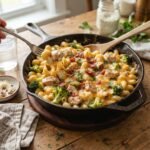
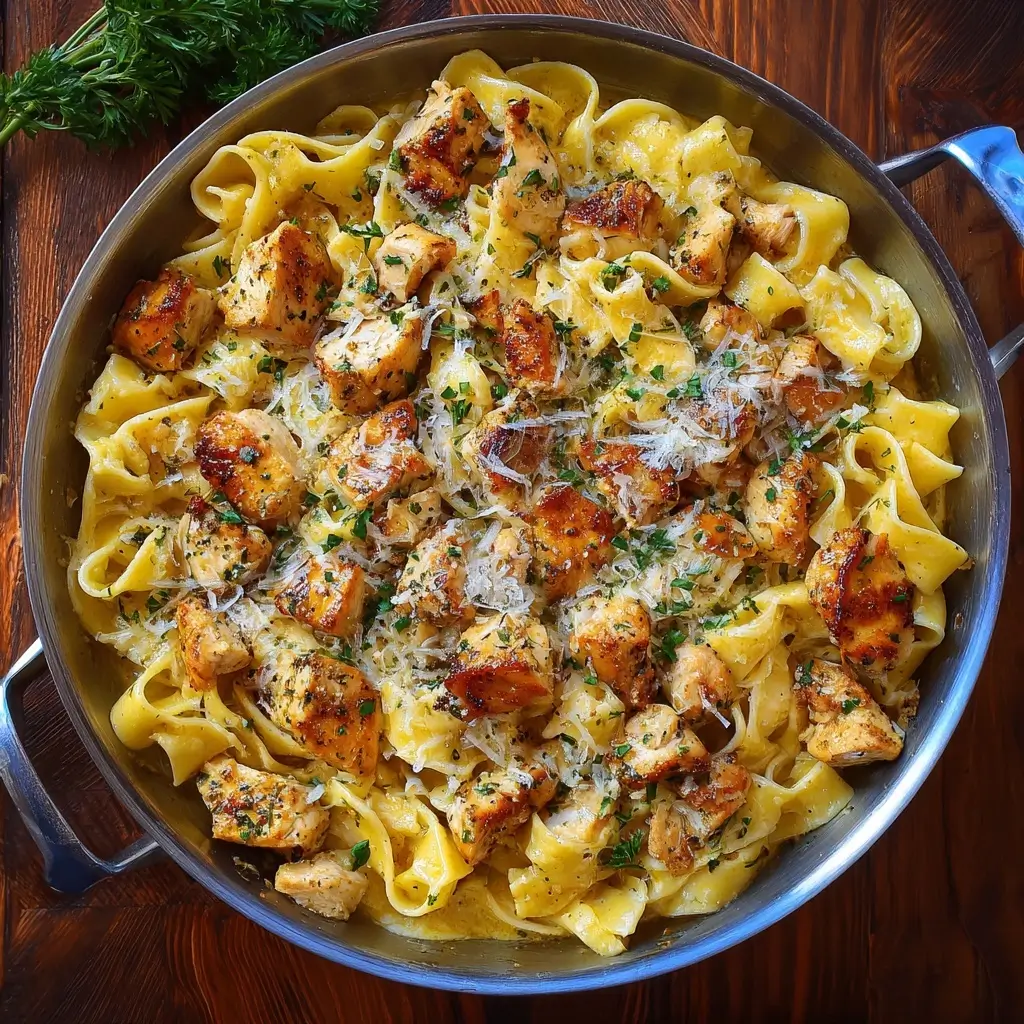
Garlic Butter Chicken Pasta is a beloved, restaurant-quality dish that effortlessly bridges comfort food and gourmet appeal—rich, aromatic, deeply savory, and surprisingly simple to prepare at home. With its golden seared chicken, silky garlic-infused butter sauce, tender pasta, and fragrant herb finish, this dish delivers bold flavor in every bite while remaining approachable for cooks of all skill levels. Whether you’re preparing a cozy weeknight dinner for your family, impressing guests at a casual gathering, or meal prepping for flavorful lunches ahead, Garlic Butter Chicken Pasta offers versatility, satisfaction, and undeniable crowd-pleasing charm.
The History
While no single documented origin defines Garlic Butter Chicken Pasta as a formal “invented” dish, its roots trace back to the broader culinary traditions of European and American home cooking—particularly the mid-20th-century rise of pan-sauced poultry and the enduring popularity of butter-based sauces in French and Italian cuisines. The technique of finishing proteins with garlic, butter, and herbs echoes classic French beurre blanc and chicken à la provençale, while the integration of pasta reflects post-war American adaptations that embraced convenience, affordability, and hearty combinations. In the 1980s and ’90s, garlic’s surge in mainstream popularity—fueled by both culinary trends and emerging health research—further cemented garlic-forward dishes in home kitchens. Meanwhile, food magazines, early cable cooking shows, and later, food blogs and social media platforms (especially Instagram and Pinterest from the 2010s onward) catapulted variations of this dish into viral status, often styled with glossy butter sheen, fresh parsley, and lemon zest. Today, Garlic Butter Chicken Pasta stands as a modern culinary archetype: a globally resonant, endlessly adaptable fusion of technique, tradition, and taste.
Ingredients Breakdown
Understanding each ingredient’s role elevates not just the flavor—but also the texture, balance, and integrity of the final dish. Below is a detailed functional breakdown:
- Chicken Breast or Thighs: Boneless, skinless chicken breast offers lean tenderness and a clean canvas; thighs provide richer flavor and superior moisture retention—ideal for longer simmering or reheating. Pounding to even thickness ensures uniform cooking and prevents dryness.
- Pasta: Traditional choices include fettuccine, linguine, or spaghetti for their ability to cradle the sauce. Shorter shapes like penne, fusilli, or farfalle work equally well—especially if serving chilled or in pasta salads. Gluten-free, whole-grain, legume-based (e.g., chickpea or lentil), or protein-enriched pastas offer dietary flexibility without sacrificing structural integrity.
- Unsalted Butter: Essential for richness, mouthfeel, and emulsification. Unsalted butter allows precise sodium control. High-fat European-style butters (82–86% fat) yield deeper flavor and smoother sauce body. Clarified butter or ghee may be used for higher-heat searing without browning.
- Fresh Garlic: The soul of the dish. Freshly minced or crushed garlic releases allicin—the pungent, bioactive compound responsible for aroma and depth. Pre-minced jarred garlic lacks vibrancy and can introduce off-flavors or excess acidity.
- Dry White Wine (Optional but Recommended): Adds brightness, acidity, and complexity. Sauvignon Blanc, Pinot Grigio, or unoaked Chardonnay work best. Alcohol evaporates during reduction, leaving only nuanced fruit and mineral notes. Substitute with low-sodium chicken broth + ½ tsp white wine vinegar if avoiding alcohol.
- Heavy Cream or Full-Fat Coconut Milk: Provides luxurious silkiness and balances garlic’s sharpness. Heavy cream (36–40% fat) yields classic richness; full-fat coconut milk offers dairy-free creaminess with subtle tropical nuance—ideal for vegan or lactose-intolerant adaptations.
- Fresh Herbs: Flat-leaf parsley adds grassy freshness and visual pop; basil contributes sweet anise notes; thyme or oregano lend earthy depth. Always add delicate herbs at the end to preserve volatile oils and color.
- Lemon Juice & Zest: Brightens the sauce, cuts through fat, and enhances garlic’s natural sweetness. Zest contains aromatic citrus oils—never skip it when aiming for layered brightness.
- Grated Parmesan or Pecorino Romano: Salty, umami-rich, and slightly nutty—these aged cheeses melt seamlessly into the sauce, adding body and savory depth. Vegan alternatives include nutritional yeast + toasted cashew parmesan or almond-based fermented cheese blends.
- High-Heat Oil (Avocado, Grapeseed, or Light Olive Oil): Used for searing chicken—not olive oil for high-heat applications (its smoke point is too low). Ensures golden crust without bitterness.
- Seasonings: Kosher salt (for controlled seasoning and protein hydration), freshly ground black pepper (piperine boosts garlic absorption), and optional red pepper flakes or smoked paprika for gentle heat or smokiness.
Step-by-Step Recipe
- Prep & Marinate (15 minutes): Slice chicken into uniform ½-inch thick cutlets. Pat *extremely* dry with paper towels—this is non-negotiable for proper searing. Season generously with salt and pepper on both sides. Optional: marinate 10–15 minutes in 1 tsp olive oil, 1 minced garlic clove, and ½ tsp lemon juice for subtle depth (do not exceed 20 minutes or chicken may begin to “cook” in acid).
- Cook Pasta Al Dente (10–12 minutes): Bring 4–6 quarts well-salted water (2 tbsp kosher salt per gallon) to a rolling boil. Add pasta and stir immediately. Cook 1–2 minutes less than package instructions—pasta will finish cooking in the sauce. Reserve 1 cup of starchy pasta water before draining. Do *not* rinse pasta—starch is essential for emulsification.
- Sear Chicken (6–8 minutes): Heat 1½ tbsp high-smoke-point oil in a large stainless steel or cast-iron skillet over medium-high heat until shimmering. Place chicken in a single layer without crowding. Sear undisturbed 3–4 minutes until deeply golden and easily releases from pan. Flip and cook 3 more minutes until internal temperature reaches 165°F (74°C). Transfer to a plate, tent loosely with foil, and rest 5 minutes—this retains juices and prevents sauce dilution.
- Build the Sauce (5–7 minutes): Reduce heat to medium-low. In same skillet, melt 3 tbsp unsalted butter. Add 4–5 finely minced garlic cloves and sauté 30–45 seconds until fragrant—but *do not brown*, or garlic turns bitter. Add ¼ cup dry white wine (or broth/vinegar blend), scraping up browned bits (fond) with a wooden spoon—this builds foundational flavor. Simmer 1–2 minutes until reduced by half.
- Enrich & Emulsify (3–4 minutes): Whisk in ⅓ cup heavy cream (or coconut milk) and simmer gently 2 minutes. Stir in ¼ cup grated Parmesan, allowing it to melt fully. Add lemon juice (1 tbsp), zest (from ½ lemon), ¼ tsp red pepper flakes (optional), and half the chopped parsley. Taste and adjust: more salt? A pinch of sugar to round acidity? A splash of reserved pasta water if too thick?
- Combine & Finish (2 minutes): Add drained pasta and rested, sliced chicken to skillet. Toss gently over low heat 1–2 minutes, adding reserved pasta water 1 tbsp at a time until sauce coats noodles luxuriously. Avoid vigorous stirring to prevent breaking pasta or shredding chicken.
- Final Garnish & Serve: Remove from heat. Fold in remaining parsley, extra lemon zest, and an additional knob of cold butter (1 tbsp) for gloss and richness. Serve immediately in warmed bowls, topped with extra Parmesan, flaky sea salt, and lemon wedges on the side.
Tips
- Dry Chicken = Golden Crust: Excess moisture steams instead of sears. Pat chicken thoroughly—even re-pat after seasoning.
- Don’t Crowd the Pan: Overloading drops temperature, causing chicken to sweat rather than caramelize. Cook in batches if needed.
- Control Garlic Heat: Garlic burns fast. Keep heat medium-low once added to butter—and stir constantly. If using garlic powder, reduce quantity by 75% and add with dried herbs.
- Pasta Water Is Liquid Gold: Its starch content binds fat and liquid into a cohesive, velvety sauce. Always reserve *before* draining—and use warm, not cold.
- Rest Chicken Before Slicing: Resting allows muscle fibers to relax and reabsorb juices. Cutting too soon releases precious moisture into the sauce, making it watery.
- Acid Last, Always: Adding lemon juice or vinegar at the end preserves brightness. Adding it early dulls aroma and can cause dairy to separate.
- Low & Slow for Emulsion: Never boil the finished sauce—it risks “breaking” (separating). Gentle heat and gradual pasta water incorporation ensure stability.
- Double the Garlic Butter Sauce: Make extra and store refrigerated (5 days) or frozen (3 months). Use as a dip for crusty bread, drizzle over roasted vegetables, or toss with grilled shrimp.
- Reheat Gently: Leftovers are delicious—but reheat on lowest stove setting with a splash of broth or milk to revive creaminess. Microwave reheating often causes separation.
- Taste Like a Chef: Season in layers—on chicken, in sauce, and at the finish. Adjust salt, acid, fat, and heat incrementally—not all at once.
Variations and Customizations
This recipe is a master template—infinitely adaptable to dietary needs, seasonal produce, pantry constraints, and global flavor profiles. Explore these thoughtfully tested variations:
Protein Swaps
- Shrimp: Sear 3–4 minutes per side (until opaque and pink); add in last 2 minutes of sauce building.
- Salmon Fillets: Skin-on, pan-seared until crispy skin forms, then flaked into sauce with dill and capers.
- Tofu or Tempeh: Extra-firm tofu, pressed and air-fried or pan-crisped; marinated in tamari, ginger, and sesame oil for umami depth.
- Italian Sausage: Mild or hot links, removed from casing and crumbled—brown well for fond, then proceed.
Pasta Alternatives
- Zucchini Noodles (Zoodles): Sauté separately 1–2 minutes; fold in at the very end to avoid sogginess.
- Spaghetti Squash: Roast ahead; add warm to sauce with extra butter and lemon.
- Shirataki or Konjac Noodles: Rinse thoroughly, dry-roast in skillet to remove excess moisture, then incorporate.
- Chickpea or Lentil Pasta: Holds up well—just reduce cook time further (often 4–6 minutes) and rinse lightly to reduce starchiness.
Global Flavor Twists
- Mediterranean: Add sun-dried tomatoes, kalamata olives, artichoke hearts, and oregano.
- Asian-Inspired: Swap butter for toasted sesame oil + neutral oil; use tamari instead of salt; add grated ginger, scallions, and chili crisp.
- Herbes de Provence: Infuse butter with dried lavender, thyme, rosemary, and marjoram; garnish with crumbled feta.
- Smoky Chipotle: Blend 1–2 chipotle peppers in adobo into sauce; top with avocado and lime crema.
- Creamy Mushroom: Sauté cremini or shiitake mushrooms in same pan before garlic; deglaze with brandy.
Dietary Adaptations
- Dairy-Free: Use vegan butter (Miyoko’s or Earth Balance), full-fat coconut milk, and nutritional yeast + lemon juice for “cheesy” tang.
- Gluten-Free: Choose certified GF pasta (brown rice, quinoa, or corn-based); verify broth and seasonings are GF.
- Keto/Low-Carb: Replace pasta with spiralized cabbage, shirataki, or cauliflower “rice”; increase healthy fats (avocado oil, extra butter, pine nuts).
- Vegan: Combine plant-based protein, dairy-free sauce base, and umami boosters (miso paste, tamari, dried porcini powder).
- Low-Sodium: Omit added salt; rely on lemon, herbs, garlic, and nutritional yeast; use low-sodium broth and unsalted butter.
Health Considerations and Nutritional Value
A single 1.5-cup serving (made with 4 oz chicken breast, 2 oz dry pasta, 3 tbsp butter, ⅓ cup cream, and standard seasonings) provides approximately:
- Calories: ~620–710 kcal
- Protein: 38–42g (excellent source; supports muscle maintenance and satiety)
- Fat: 32–40g (predominantly unsaturated from olive oil and butter; includes beneficial short-chain fatty acids from dairy)
- Carbohydrates: 42–48g (mostly complex from pasta; fiber varies by type—whole grain adds 4–6g)
- Sodium: 480–720mg (highly adjustable—reduce by omitting added salt, using low-sodium broth, and rinsing canned ingredients)
- Vitamins & Minerals: Rich in B6 and B12 (chicken), calcium and vitamin A (dairy), selenium and manganese (garlic), lycopene (tomato-based variations), and antioxidants from fresh herbs and lemon.
Functional Health Highlights:
- Garlic’s Bioactives: Allicin (formed when raw garlic is crushed) exhibits antimicrobial, anti-inflammatory, and cardiovascular-supportive properties—though some degrades with prolonged heat. Including a small amount of raw minced garlic stirred in at the end preserves maximal benefits.
- Butter’s Fat-Soluble Nutrients: Contains vitamins A, D, E, and K2—especially important for bone, immune, and hormonal health. Grass-fed butter offers higher CLA (conjugated linoleic acid) and omega-3s.
- Lemon’s Synergy: Vitamin C enhances non-heme iron absorption (if serving with spinach or lentils) and stabilizes garlic’s compounds.
- Considerations: Those managing cholesterol may opt for light cream or Greek yogurt (tempered carefully to prevent curdling); those with lactose sensitivity often tolerate aged cheeses and clarified butter well. For blood sugar balance, pair with a side salad rich in fiber and healthy fats to slow glucose response.
Ingredients
- 1 lb boneless, skinless chicken breasts or thighs, pounded to ½-inch thickness
- 8 oz dried pasta (fettuccine, linguine, penne, or gluten-free alternative)
- 3 tbsp unsalted butter, plus 1 tbsp cold for finishing
- 2 tbsp high-smoke-point oil (avocado, grapeseed, or light olive oil)
- 5–6 large garlic cloves, finely minced (about 2 tbsp)
- ¼ cup dry white wine (Sauvignon Blanc or Pinot Grigio) — optional but recommended
- ⅓ cup heavy cream (or full-fat coconut milk for dairy-free)
- ¼ cup freshly grated Parmesan or Pecorino Romano cheese
- 1 tbsp fresh lemon juice (about ½ lemon)
- 1 tsp lemon zest (from same lemon)
- ¼ tsp red pepper flakes (optional)
- ½ cup fresh flat-leaf parsley, finely chopped (divided)
- Kosher salt and freshly ground black pepper, to taste
- Flaky sea salt and extra lemon wedges, for serving
Directions
- Bring a large pot of water to a rolling boil. Add 2 tablespoons kosher salt and pasta. Cook according to package directions, reducing time by 1–2 minutes to achieve al dente texture. Reserve 1 cup of starchy pasta water, then drain pasta—do not rinse.
- While pasta cooks, pat chicken completely dry with paper towels. Season both sides generously with salt and pepper.
- Heat oil in a large skillet over medium-high heat until shimmering. Add chicken in a single layer—do not crowd. Sear 3–4 minutes per side until golden brown and internal temperature reaches 165°F. Transfer to a plate, tent with foil, and rest 5 minutes.
- Reduce heat to medium-low. Add butter to same skillet. Once melted, add garlic and sauté 30–45 seconds until fragrant but not browned.
- Pour in wine (or broth/vinegar mixture). Scrape up browned bits with a wooden spoon. Simmer 1–2 minutes until reduced by half.
- Whisk in heavy cream and simmer gently 2 minutes. Stir in Parmesan until smooth and melted.
- Add lemon juice, lemon zest, red pepper flakes (if using), and half the parsley. Taste and adjust seasoning.
- Add drained pasta and rested, sliced chicken to skillet. Toss gently over low heat, adding reserved pasta water 1 tablespoon at a time until sauce is creamy and coats pasta evenly (about 1–2 minutes).
- Remove from heat. Stir in remaining parsley and cold butter. Serve immediately, garnished with extra Parmesan, flaky sea salt, and lemon wedges.
FAQ
- Can I make this ahead of time?
- Yes—with caveats. Cook chicken and sauce separately up to 3 days ahead; store refrigerated in airtight containers. Reheat sauce gently with a splash of broth or milk, then toss with freshly cooked pasta. Avoid pre-mixing everything—pasta absorbs sauce and becomes gummy.
- Why does my sauce break or look greasy?
- Common causes: overheating the cream (boiling causes separation), adding cold dairy to hot pan, insufficient emulsification (not enough pasta water), or excessive stirring. Fix it by removing from heat, whisking in 1–2 tbsp warm pasta water, and letting rest 1 minute before gently swirling again.
- Can I freeze Garlic Butter Chicken Pasta?
- Best frozen *unmixed*: portion sauce and chicken separately. Pasta freezes poorly due to starch crystallization. Thaw overnight in fridge; reheat sauce with extra cream or broth, then combine with freshly cooked pasta.
- Is there a way to make it lighter?
- Absolutely. Substitute half the butter with olive oil, use half-and-half or whole milk (simmer longer to thicken), increase veggies (spinach, cherry tomatoes, asparagus), and choose lean chicken breast or turkey cutlets. Boost volume with zucchini ribbons or roasted cauliflower florets.
- What wine pairs best with this dish?
- A crisp, high-acid white complements the richness: Albariño, Vermentino, or unoaked Chardonnay. For red lovers, try a light-bodied, low-tannin option like Pinot Noir or Gamay—avoid heavy Cabernets that overwhelm garlic.
- My garlic tastes bitter—what went wrong?
- Burning garlic is the culprit. Ensure heat is medium-low when sautéing in butter, stir constantly, and never walk away. If garlic browns, discard and start over—bitterness won’t mellow.
- Can I use garlic powder instead of fresh?
- You can—but flavor and health benefits diminish significantly. Use only ½ tsp garlic powder, added with dried herbs (not raw), and consider supplementing with a small amount of raw minced garlic at the end for brightness.
- How do I keep leftovers from drying out?
- Store in an airtight container with 1–2 tbsp of reserved pasta water or broth. Reheat covered on low stove heat or in a double boiler. Stir in a pat of butter or drizzle of olive oil before serving.
- Is this safe for kids?
- Yes—adjust spice level (omit red pepper flakes), reduce garlic to 2–3 cloves, and emphasize lemon and herbs for brightness. Many children love the creamy, mild umami profile—especially with fun pasta shapes.
- Can I cook this entirely in one pot?
- Yes—use a deep 12-inch skillet or Dutch oven. Cook pasta directly in well-salted broth (instead of water), then remove pasta with tongs when al dente. Proceed with searing chicken and sauce in same pot, using broth for deglazing. Reduces cleanup dramatically.
Summary
Garlic Butter Chicken Pasta is a timeless, versatile, and deeply satisfying dish rooted in classic techniques but endlessly customizable for modern lifestyles—from keto and vegan adaptations to globally inspired twists and nutrition-conscious upgrades. With its harmonious balance of savory, rich, bright, and herbal notes, it transforms humble pantry staples into an unforgettable dining experience.
Whether you’re a novice cook seeking confidence or a seasoned chef craving comfort with nuance, mastering this recipe opens doors to countless variations—each bite a testament to the power of quality ingredients, mindful technique, and joyful, intentional cooking.