Introduction
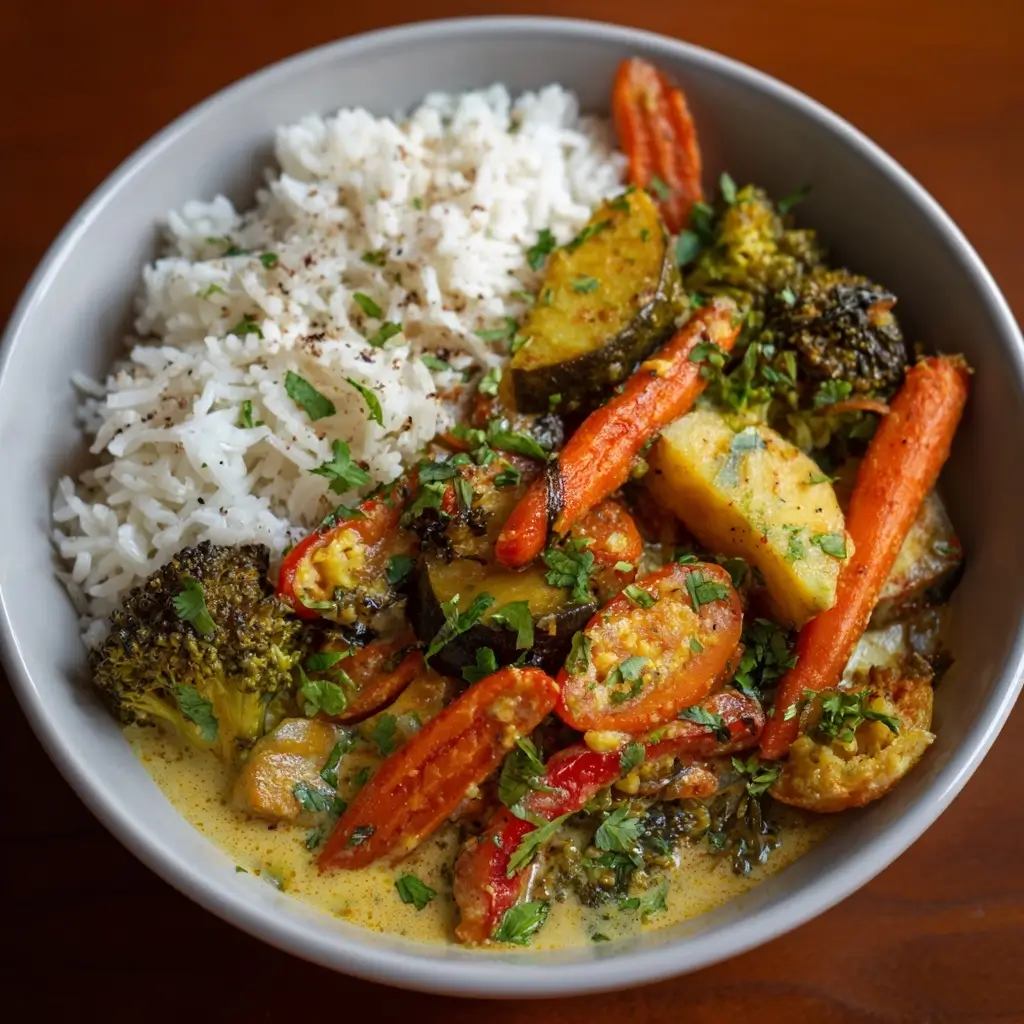
Vegetable Coconut Curry is a vibrant, aromatic, and deeply satisfying dish that brings together the rich creaminess of coconut milk with the earthy flavors of fresh vegetables and a symphony of spices. Originating from South and Southeast Asian cuisines, this curry has become a global favorite due to its versatility, health benefits, and comforting warmth. Whether served over steaming basmati rice, quinoa, or with warm naan bread, Vegetable Coconut Curry offers a perfect balance of sweetness, spice, and umami. It’s a plant-based powerhouse that appeals to vegans, vegetarians, and omnivores alike, making it ideal for weeknight dinners, meal prep, or special gatherings. In this comprehensive guide, we’ll explore everything you need to know about this beloved dish — from its cultural roots and ingredient nuances to detailed preparation methods, expert tips, nutritional insights, and creative variations.
The History
The roots of Vegetable Coconut Curry stretch across several culinary traditions, particularly in countries like India, Thailand, Sri Lanka, Indonesia, and Malaysia, where coconut and spices have been integral to cooking for centuries. In Southern India, especially in Kerala and Tamil Nadu, coconut-based curries have long been staples, thanks to the abundance of coconut palms along the tropical coastline. These regions use freshly grated coconut and coconut milk to create rich gravies for vegetables, fish, and meats. Similarly, Thai cuisine incorporates coconut milk into iconic dishes such as Green Curry and Massaman Curry, often blending it with lemongrass, galangal, and kaffir lime leaves for a distinctive fragrance.
The concept of curry itself — derived from the Tamil word “kari,” meaning sauce or relish — evolved through trade, migration, and colonial influence. As Indian laborers traveled during British colonial rule, they brought their culinary practices to places like the Caribbean, Fiji, and East Africa, leading to regional adaptations that often included coconut milk. Over time, the fusion of indigenous ingredients with traditional spice techniques gave rise to countless versions of vegetable coconut curry, each reflecting local tastes and agricultural availability. Today, the dish symbolizes cross-cultural exchange and the universal appeal of comfort food made from simple, wholesome ingredients.
Ingredients Breakdown
The magic of Vegetable Coconut Curry lies in the harmony between its core components: vegetables, coconut milk, aromatics, spices, and seasonings. Each ingredient plays a vital role in building layers of flavor, texture, and nutrition.
- Coconut Milk: The foundation of the curry, full-fat coconut milk provides a luxuriously creamy texture and subtle sweetness. It’s important to shake the can well before opening, as the cream and liquid often separate. Light coconut milk can be used for a thinner consistency, but full-fat yields the richest results.
- Vegetables: A colorful mix enhances both flavor and nutrition. Common choices include sweet potatoes, bell peppers, carrots, cauliflower, zucchini, green beans, spinach, and peas. Root vegetables add heartiness, while leafy greens contribute freshness and color.
- Aromatics: Onion, garlic, and ginger form the flavor base. Sautéed until golden, they release essential oils that deepen the overall taste. For Thai-inspired versions, lemongrass, galangal, and kaffir lime leaves are added for citrusy complexity.
- Spices: Turmeric lends a golden hue and earthy warmth, while cumin, coriander, and mustard seeds offer nuttiness and depth. Chili powder or fresh chilies bring heat, adjustable to preference. Garam masala is often stirred in at the end for a fragrant finish.
- Liquid Elements: Vegetable broth or water helps adjust the thickness of the curry. Some recipes include tomato paste or diced tomatoes for tanginess and body.
- Acidity & Brightness: Lime juice or lemon juice is typically added just before serving to lift the richness and enhance other flavors.
- Fats: Coconut oil or neutral oil (like avocado or grapeseed) is used for sautéing. Some cooks also finish the curry with a drizzle of toasted sesame oil or coconut cream for extra aroma.
- Herbs: Fresh cilantro (coriander leaves) is commonly used as a garnish, adding a bright, citrusy note. Thai basil can also be used for an anise-like twist.
Step-by-Step Recipe
Creating a delicious Vegetable Coconut Curry is easier than you might think. Follow these detailed steps to achieve restaurant-quality results at home.
- Prepare Ingredients: Wash, peel (if needed), and chop all vegetables into uniform sizes for even cooking. Mince garlic, grate ginger, slice onions, and measure out spices and coconut milk.
- Sauté Aromatics: Heat 2 tablespoons of oil in a large pot or deep skillet over medium heat. Add 1 chopped onion and cook for 5–7 minutes until translucent and lightly golden. Stir in 3 minced garlic cloves and 1 tablespoon grated ginger, cooking for another minute until fragrant.
- Bloom Spices: Add 1 teaspoon ground cumin, 1 teaspoon ground coriander, 1/2 teaspoon turmeric, 1/4 teaspoon chili powder (or more to taste), and a pinch of salt. Stir constantly for 30 seconds to toast the spices — this unlocks their essential oils and intensifies flavor.
- Add Hard Vegetables: Stir in hearty vegetables like diced sweet potatoes, carrots, and cauliflower florets. Cook for 3–4 minutes to coat them in the spice mixture.
- Pour in Liquids: Add 1 can (13.5 oz) of full-fat coconut milk and 1 cup of vegetable broth. Stir well to combine. If using tomato paste (2 tablespoons), add it now for depth. Bring the mixture to a gentle simmer.
- Simmer: Reduce heat to low, cover, and let the curry simmer for 15–20 minutes, stirring occasionally, until the vegetables are tender but not mushy.
- Add Soft Vegetables: Include quicker-cooking vegetables like bell peppers, zucchini, green beans, and peas. Simmer uncovered for another 8–10 minutes.
- Finish with Greens and Seasoning: Stir in 2 cups of fresh spinach or kale and cook just until wilted. Remove from heat and stir in 1–2 tablespoons of lime juice. Sprinkle in 1 teaspoon garam masala for a warm, complex finish.
- Taste and Adjust: Balance the flavors — add more salt, lime juice, or a touch of maple syrup or coconut sugar if needed to counter acidity or bitterness.
- Serve: Ladle the curry into bowls over cooked basmati rice, jasmine rice, or quinoa. Garnish with fresh cilantro and a sprinkle of red pepper flakes or toasted coconut flakes for crunch.
Directions
In a large heavy-bottomed pot or Dutch oven, heat oil over medium heat. Add onions and sauté until soft and golden. Stir in garlic and ginger, cooking briefly until aromatic. Add ground spices and toast for 30 seconds. Incorporate hard vegetables and stir to coat. Pour in coconut milk and vegetable broth, stirring to combine. Bring to a simmer, then reduce heat, cover, and cook for 15–20 minutes. Add softer vegetables and continue simmering uncovered for 8–10 minutes. Stir in leafy greens until wilted. Remove from heat and mix in lime juice and garam masala. Adjust seasoning, then serve hot with grains and garnishes of choice.
Tips
- Use Full-Fat Coconut Milk: For the creamiest texture, always opt for full-fat coconut milk. Shake the can vigorously before opening to ensure an even blend of cream and liquid.
- Toast Your Spices: Blooming spices in oil is crucial — it transforms raw, dusty notes into warm, rounded flavors.
- Don’t Rush the Simmer: Allowing the curry to simmer slowly develops deeper flavor and allows the vegetables to absorb the spiced coconut sauce.
- Balance Flavors: Taste before serving. Too rich? Add lime. Too spicy? Stir in a spoonful of coconut yogurt. Too flat? A pinch of sugar or a splash of tamari can help.
- Prevent Curdling: Avoid boiling the curry vigorously after adding coconut milk, as high heat can cause separation. Keep it at a gentle simmer.
- Make Ahead Friendly: This curry tastes even better the next day as the flavors meld. Store in an airtight container in the fridge for up to 5 days or freeze for up to 3 months.
- Boost Protein: Add chickpeas, lentils, tofu, tempeh, or edamame for a more filling, protein-rich meal.
- Fresh Herbs Matter: Cilantro adds a burst of freshness. If you’re genetically predisposed to hating cilantro (it tastes soapy to some), try parsley or Thai basil instead.
Variations and Customizations
One of the greatest strengths of Vegetable Coconut Curry is its adaptability. Here are popular ways to customize it:
- Thai-Style Curry: Use red or green curry paste (2–3 tablespoons) instead of dry spices. Add lemongrass (bruised stalk), kaffir lime leaves, and a splash of fish sauce (or soy sauce for vegan option). Finish with Thai basil and bamboo shoots.
- Indian-Inspired Korma: Use milder spices, add cashew butter or almond butter for creaminess, and garnish with slivered almonds and raisins.
- Caribbean Twist: Add allspice, scotch bonnet pepper, and callaloo (or substitute with spinach). Serve with rice and peas.
- Low-Carb/Keto Version: Replace starchy vegetables like potatoes with broccoli, mushrooms, eggplant, and bell peppers. Serve over cauliflower rice.
- Extra Creamy: Blend half the curry once cooked for a velvety texture, then mix back in.
- Gluten-Free: Ensure all broths and sauces used are certified gluten-free. Most vegetable coconut curries naturally are, but always check labels on store-bought items.
- Instant Pot Method: Sauté aromatics using the sauté function, add spices, vegetables, and liquids. Seal and cook on high pressure for 6 minutes, then quick release. Stir in greens and finish as usual.
- Sheet Pan Option: Roast vegetables separately with olive oil and spices, then toss with warmed coconut sauce before serving for a caramelized twist.
Health Considerations and Nutritional Value
Vegetable Coconut Curry is not only delicious but also packed with nutrients that support overall wellness.
- Rich in Fiber: From a variety of vegetables and legumes, fiber aids digestion, promotes satiety, and supports gut health.
- Healthy Fats: Coconut milk contains medium-chain triglycerides (MCTs), which are metabolized differently than other fats and may support energy and brain function. However, it is high in saturated fat, so moderation is key, especially for those monitoring cholesterol.
- Anti-Inflammatory Properties: Turmeric contains curcumin, a potent anti-inflammatory compound. Pairing it with black pepper increases absorption significantly.
- Vitamins and Minerals: Sweet potatoes provide beta-carotene (vitamin A), bell peppers offer vitamin C, and leafy greens contribute iron, calcium, and folate.
- Plant-Based Protein: When legumes like chickpeas or lentils are added, the curry becomes a complete, balanced meal with adequate protein for muscle repair and metabolism.
- Low in Cholesterol: Naturally cholesterol-free and suitable for heart-healthy diets when consumed in moderation.
- Considerations: While coconut milk is nutritious, it is calorie-dense. Those managing weight or specific health conditions should monitor portion sizes. Opt for reduced-sodium vegetable broth and limit added salt for blood pressure concerns.
A typical 1-cup serving (without rice) contains approximately:
- Calories: 220–280
- Fat: 18–22g (mostly saturated from coconut)
- Carbohydrates: 12–18g
- Dietary Fiber: 4–6g
- Protein: 4–8g (higher with legumes)
- Sodium: 300–600mg (depending on broth and seasoning)
Ingredients
- 2 tablespoons coconut oil or neutral oil
- 1 large yellow onion, diced
- 3 cloves garlic, minced
- 1 tablespoon fresh ginger, grated
- 1 teaspoon ground cumin
- 1 teaspoon ground coriander
- 1/2 teaspoon ground turmeric
- 1/4–1/2 teaspoon chili powder (adjust to taste)
- 1/2 teaspoon sea salt (plus more to taste)
- 1 medium sweet potato, peeled and cubed
- 1 cup cauliflower florets
- 1 carrot, sliced
- 1 bell pepper, diced
- 1 small zucchini, halved and sliced
- 1/2 cup green beans, trimmed and cut
- 1 cup frozen peas
- 1 can (13.5 oz) full-fat coconut milk
- 1 cup vegetable broth
- 2 tablespoons tomato paste (optional)
- 2 cups fresh spinach or kale
- 1–2 tablespoons lime juice
- 1 teaspoon garam masala
- Fresh cilantro, for garnish
- Cooked basmati rice or quinoa, for serving
FAQ
Can I make this curry ahead of time?
Yes! Vegetable Coconut Curry reheats beautifully and often tastes even better the next day as the flavors deepen. Store in an airtight container in the refrigerator for up to 5 days.
Can I freeze Vegetable Coconut Curry?
Absolutely. Freeze in portion-sized containers for up to 3 months. Thaw overnight in the fridge and reheat gently on the stove, adding a splash of broth or water if needed.
Why did my coconut milk curdle?
High heat or acidic ingredients added too early can cause separation. Always keep the curry at a gentle simmer after adding coconut milk, and add lime juice only at the end.
Is this curry spicy?
It depends on your spice level. The base recipe is mildly warm, but you can increase heat with more chili powder, fresh chilies, or a dash of cayenne. For a mild version, omit chilies entirely.
Can I use canned vegetables?
Fresh is best, but in a pinch, you can use canned diced tomatoes, artichokes, or chickpeas. Avoid canned soft vegetables like zucchini or spinach, as they become mushy.
How can I make it creamier without more coconut milk?
Blend in 1/4 cup of raw cashews soaked in hot water, or stir in a spoonful of tahini or almond butter for richness and body.
Is this curry gluten-free?
Yes, as long as all ingredients (especially broth and curry paste, if used) are certified gluten-free. Always double-check labels to avoid hidden gluten.
Can I add meat or seafood?
Certainly. Shrimp, chicken, or firm white fish can be added during the last 5–8 minutes of cooking. Pre-cook meats if needed and stir in gently to avoid overcooking.
What can I serve with Vegetable Coconut Curry?
Excellent pairings include basmati rice, jasmine rice, naan bread, roti, dosa, or quinoa. A side of cucumber raita, mango chutney, or pickled onions adds contrast.
Summary (in two lines)
Vegetable Coconut Curry is a nourishing, flavorful dish that blends creamy coconut milk with vibrant vegetables and aromatic spices, offering a taste of global comfort in every bite. Easy to customize and packed with nutrients, it’s a must-have recipe for healthy, satisfying meals all year round.