Introduction
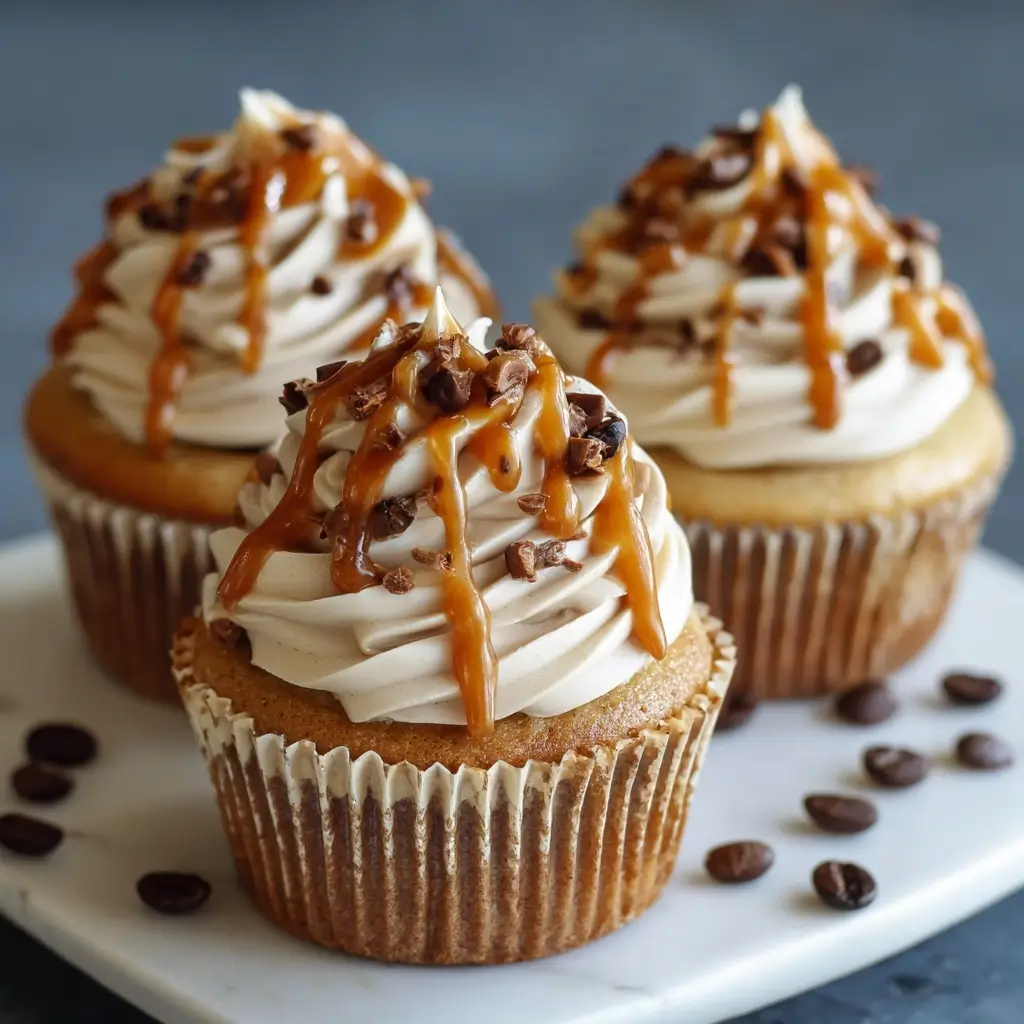
Vanilla Latte Cupcakes are the perfect marriage of cozy café culture and home-baked indulgence—a delicate, moist vanilla cupcake infused with rich, aromatic espresso and finished with a silky, velvety latte-inspired buttercream. These cupcakes go beyond the ordinary: they capture the essence of a freshly pulled shot of espresso swirled into steamed milk, all baked into a tender, golden-domed treat. Whether served at brunch gatherings, office celebrations, or quiet Sunday mornings with a real latte in hand, Vanilla Latte Cupcakes offer sophistication without pretension—elegant enough for special occasions yet approachable and deeply comforting. Their subtle coffee depth enhances—not overpowers—the sweet, creamy vanilla foundation, making them universally appealing to coffee lovers and skeptics alike.
The History
The evolution of the Vanilla Latte Cupcake is a delicious reflection of culinary cross-pollination between specialty coffee culture and modern baking trends. While classic vanilla cupcakes date back to the early 20th century—with the advent of commercial baking powder and standardized cup measurements—the latte-inspired twist emerged prominently in the mid-2000s alongside the third-wave coffee movement. As baristas elevated espresso preparation and milk texturing to an art form, home bakers and patisseries began translating those nuanced flavors into desserts. Early iterations appeared in boutique cafés in Portland, Seattle, and Melbourne, where pastry chefs experimented with cold-brew reductions, espresso powder infusions, and mascarpone-laced frostings. The term “latte cupcake” gained traction on food blogs around 2012–2013, often distinguished from generic “coffee cupcakes” by its intentional balance: not just coffee flavor, but the *textural and aromatic profile* of a well-crafted latte—creamy, slightly sweetened, delicately bitter, and aromatically layered. Over time, bakers refined techniques to prevent bitterness (using high-quality instant espresso instead of brewed coffee), preserve moisture (via buttermilk and brown sugar), and achieve frosting stability (with Italian meringue or Swiss buttercream bases). Today, Vanilla Latte Cupcakes stand as a hallmark of mindful flavor layering—a testament to how beverage craftsmanship can elevate everyday baked goods into something truly resonant and memorable.
Ingredients Breakdown
Every element in these Vanilla Latte Cupcakes is chosen for purpose, synergy, and sensory impact—not just function. Below is a detailed breakdown of why each ingredient matters:
- All-Purpose Flour (unbleached): Provides ideal structure and tenderness. Unbleached flour retains more natural grain enzymes, contributing to subtle nuttiness that complements coffee notes. Cake flour may yield excess delicacy and poor crumb integrity when paired with liquid espresso additions.
- Granulated Sugar: Not only sweetens but also aids in creaming to incorporate air, contributes to browning (Maillard reaction), and helps retain moisture via hygroscopic properties. A portion is reserved for the frosting’s meringue stage to ensure stability and shine.
- Brown Sugar (light or dark): Adds molasses-derived depth, moisture retention, and a warm caramel nuance that harmonizes beautifully with roasted espresso notes. Dark brown sugar intensifies richness; light offers subtler complexity.
- Unsalted Butter (European-style, 82–84% fat preferred): High-fat butter delivers superior flavor, richer mouthfeel, and better emulsification—critical for holding both espresso and dairy liquids without greasiness. Salted butter is avoided to control sodium levels precisely, especially important when balancing bitterness.
- Eggs (large, room temperature): Act as binders, leaveners (when whipped), and emulsifiers. Room temperature ensures uniform incorporation and prevents seizing when added to warm butter-sugar mixtures. Extra egg whites (optional addition) can enhance lift and crumb fineness.
- Pure Vanilla Extract (Madagascar Bourbon or Tahitian): Real vanilla—not imitation—is non-negotiable. Its floral, creamy, and slightly woody top notes cut through coffee’s roast intensity while adding dimension. Tahitian vanilla adds fruity-floral brightness; Bourbon offers deeper, custard-like warmth.
- Instant Espresso Powder (not instant coffee): This is the cornerstone of authenticity. Finely ground, concentrated, and low-acid, it dissolves completely and delivers bold, smooth, roasted coffee flavor without sediment or sourness. Brands like Medaglia D’Oro, Café du Monde, or King Arthur are recommended. Brewed coffee is discouraged—it introduces unpredictable water content and acidity that destabilizes batter.
- Buttermilk (full-fat, cultured): Adds tangy brightness, activates baking soda (if used), tenderizes gluten, and boosts moisture retention. Its lactic acid softens crumb structure while enhancing vanilla and coffee perception. Shelf-stable powdered buttermilk reconstituted with whole milk is an excellent backup.
- Baking Powder & Baking Soda (double-acting): Baking powder provides primary lift; baking soda (activated by buttermilk’s acid) offers additional rise and neutralizes residual bitterness—resulting in cleaner, rounder coffee flavor.
- Fine Sea Salt: Enhances all other flavors, suppresses harshness, and balances sweetness. It doesn’t make the cupcake “salty”—it makes it taste *more like itself*.
- Heavy Cream (36–40% fat, cold): Used sparingly in the batter for richness and tenderness, and crucially in the frosting for silkiness, sheen, and balanced sweetness. Ultra-pasteurized cream is acceptable, but non-ultra-pasteurized yields superior emulsion stability.
- Espresso-Infused Simple Syrup (for brushing): A finishing touch made by simmering equal parts sugar and hot espresso until dissolved and slightly reduced. Brushed onto cooled cupcakes, it adds moisture, intensifies coffee aroma, and creates a subtle glossy sheen beneath the frosting.
Step-by-Step Recipe
- Prepare Equipment & Ingredients: Preheat oven to 350°F (175°C). Line two standard 12-cup muffin tins with premium parchment liners (or grease-and-flour if using foil cups). Weigh all dry ingredients (flour, sugars, espresso powder, leaveners, salt) and measure wet ingredients (buttermilk, cream, eggs, vanilla, melted butter) separately. Ensure eggs and buttermilk are at true room temperature (68–72°F)—this can take 45 minutes out of the fridge. Sift flour, espresso powder, baking powder, baking soda, and salt together twice into a medium bowl; set aside.
- Cream Butter & Sugars: In the bowl of a stand mixer fitted with the paddle attachment, beat softened unsalted butter on medium speed for 1 minute until smooth and glossy. Add granulated and brown sugars. Beat on medium-high for 4–5 minutes until pale, thick, fluffy, and noticeably increased in volume—scraping down the bowl every 90 seconds. Proper creaming is essential for texture and rise.
- Incorporate Eggs & Vanilla: Add eggs one at a time, beating on medium speed for 45 seconds after each addition until fully incorporated and glossy. Add vanilla and beat 30 seconds more. Batter should be homogenous, slightly ribbon-like, and free of streaks.
- Alternate Dry & Wet Ingredients: Reduce mixer speed to low. Add one-third of the dry mixture; mix just until no flour streaks remain (~10 seconds). Add half the buttermilk-cream mixture (whisked together beforehand); mix 10 seconds. Repeat—dry, wet, dry—pausing to scrape bowl thoroughly before each addition. Do not overmix: stop as soon as batter is uniform. Overmixing develops gluten and causes tunneling or toughness.
- Portion & Bake: Use a large cookie scoop (≈3 tbsp) to portion batter evenly into lined cups—fill each ⅔ full (≈¼ cup per cupcake). Tap pan firmly twice on counter to release air bubbles. Bake on center rack for 18–22 minutes, rotating pans front-to-back at 12 minutes. Cupcakes are done when tops spring back to gentle touch, edges pull slightly from liners, and a toothpick inserted into center emerges with *moist crumbs* (not wet batter, not dry).
- Cool Strategically: Let cupcakes cool in pans for exactly 8 minutes—this sets structure without trapping steam. Then transfer carefully to wire racks. Cool completely (minimum 60 minutes) before frosting. Warm cupcakes will melt buttercream and cause sliding or absorption.
- Brush with Espresso Syrup (Optional but Recommended): While cooling, prepare syrup: combine ¼ cup granulated sugar and ¼ cup hot, freshly brewed espresso (or strong instant espresso dissolved in 2 tbsp hot water). Simmer 2 minutes until clear and slightly viscous. Cool to room temperature. Using a pastry brush, lightly coat each cupcake top—about ½ tsp per cupcake. Let absorb for 5 minutes before frosting.
- Prepare Latte Buttercream: See full frosting section below—but begin chilling your mixing bowl and whisk attachment for 10 minutes prior to starting meringue.
- Frost & Finish: Once cupcakes are cool and syrup has absorbed, pipe or spread frosting generously. For professional presentation, use a large open-star tip (Wilton #1M) in a spiral motion from center outward. Optional garnishes: microplaned dark chocolate, edible gold dust, espresso bean “nest,” or a tiny drizzle of cold-brew caramel.
Tips
- Espresso Powder Quality Is Non-Negotiable: Avoid grocery-store “coffee mix” or flavored instant coffees. Opt for 100% Arabica-based, finely ground espresso powders—ideally freeze-dried for maximum solubility and aromatic retention. Taste your powder dissolved in a teaspoon of hot water before adding to batter.
- Room Temperature Is a Science, Not a Suggestion: Cold eggs or buttermilk cause butter to seize, resulting in curdled batter and dense cupcakes. To speed warming: place eggs in warm (not hot) water for 5–7 minutes; pour buttermilk into a warm glass measuring cup.
- Weigh, Don’t Scoop Flour: A cup of flour can vary from 4 to 6 ounces depending on scooping method. Use a digital scale: 1 cup all-purpose flour = 120g. Too much flour = dry, crumbly cupcakes; too little = flat, gummy results.
- Don’t Skip the Espresso Syrup Brush: This step adds profound aromatic lift, prevents dryness under frosting, and creates a subtle “latte foam” effect at the cupcake-frosting interface. It’s the secret behind bakery-level depth.
- Use a Timer—and Set Two: Oven temperatures fluctuate. Start checking at 17 minutes—even 30 seconds overbake leads to dry edges. Use an oven thermometer for accuracy.
- Cool Completely, Then Chill Briefly Before Frosting: For clean piping and sharp edges, refrigerate frosted cupcakes for 15 minutes before serving or photographing. This firms the buttercream without hardening it.
- Rotate Pans Mid-Bake—Even in Convection Ovens: Most home ovens have hot spots. Rotating ensures even browning and dome formation. If using convection, reduce temp by 25°F and check 2 minutes earlier.
- Frosting Consistency Is Everything: If buttercream is too soft, chill bowl 5 minutes and beat on low. If too stiff, add heavy cream ½ tsp at a time. Ideal texture holds stiff peaks but spreads smoothly—not runny, not chalky.
- Make Ahead Smartly: Unfrosted cupcakes freeze beautifully for up to 3 months—wrap individually in plastic, then place in airtight freezer bag. Thaw overnight in fridge, bring to room temp, brush with syrup, then frost. Buttercream can be made 5 days ahead and refrigerated; re-whip 2 minutes before use.
- Test Your Leaveners: If baking powder is older than 6 months or baking soda older than 3 months, test efficacy: drop ½ tsp baking powder into ¼ cup hot water—if it bubbles vigorously, it’s active. For baking soda, mix ¼ tsp with 2 tsp vinegar—if it foams immediately, it’s fresh.
Variations and Customizations
Vanilla Latte Cupcakes serve as an elegant canvas for seasonal, dietary, and creative reinterpretation—without compromising their core identity. Here are thoughtfully tested variations:
- Decaf Delight: Substitute decaffeinated instant espresso powder (like Swiss Water Processed brands). Flavor remains identical—ideal for evening events or sensitive palates.
- Oat Milk Latte (Vegan Adaptation): Replace buttermilk with cultured oat milk + 1 tsp apple cider vinegar (let sit 5 min); use vegan European-style butter (e.g., Miyoko’s or Melt) and flax eggs (1 tbsp ground flax + 2.5 tbsp water per egg). Frost with coconut oil–based Swiss meringue using aquafaba.
- Spiced Chai Latte Version: Add 1 tsp ground cardamom, ½ tsp ginger, ¼ tsp cinnamon, and a pinch of black pepper to dry ingredients. Replace 1 tbsp espresso powder with 1 tsp loose-leaf chai steeped in 2 tbsp hot cream, cooled and strained.
- White Chocolate–Espresso Swirl: Melt 4 oz high-quality white chocolate (32–34% cocoa butter). After portioning batter, spoon 1 tsp melted chocolate into each liner, then top with batter. Swirl gently with a toothpick before baking.
- Maple-Bourbon Latte: Replace brown sugar with dark maple sugar (or add 2 tbsp pure maple syrup to wet ingredients, reducing buttermilk by 1 tbsp); add 1 tsp bourbon to vanilla. Frost with maple-infused buttercream and garnish with candied pecans.
- Gluten-Free Adaptation: Use a certified GF 1:1 blend (King Arthur or Bob’s Red Mill) *with xanthan gum included*. Add ½ tsp additional xanthan gum to dry mix. Increase buttermilk by 1 tbsp and bake 1–2 minutes longer. GF versions benefit from an extra ½ tsp espresso powder for flavor compensation.
- Mini Latte Cupcakes: Portion into 48 mini muffin cups. Bake at 350°F for 10–12 minutes. Perfect for weddings, tasting menus, or portion-controlled treats. Yield: ~4 dozen.
- Black Cocoa “Mocha Noir” Edition: Replace 2 tbsp all-purpose flour with black cocoa powder (Dutch-processed, intensely dark). Add 1 oz melted bittersweet chocolate to batter. Frost with dark chocolate–espresso ganache buttercream.
- Seasonal Citrus Lift: Add 1 tsp finely grated orange or bergamot zest to dry ingredients. Complements espresso’s acidity and evokes a “cortado” profile. Garnish with crystallized citrus peel.
- Protein-Boosted Morning Cupcake: Add 2 scoops unflavored collagen peptides or vanilla whey isolate to dry ingredients. Increases protein without altering texture—ideal for breakfast or post-workout treats.
Health Considerations and Nutritional Value
While Vanilla Latte Cupcakes are inherently a celebratory dessert—not a health food—they can be mindfully composed to support balanced enjoyment within a varied diet. Below is a comprehensive, evidence-informed analysis based on a standard cupcake (1/12 of recipe, unfrosted) and a full cupcake with 3 oz latte buttercream:
- Caloric Profile: One unfrosted cupcake ≈ 185 kcal; with full buttercream ≈ 395 kcal. Calories derive primarily from complex carbohydrates (flour, sugars), healthy fats (butter, cream), and modest protein (eggs, milk solids). No trans fats or artificial preservatives when made from scratch.
- Coffee & Antioxidants: Espresso powder contributes chlorogenic acids—potent antioxidants linked to reduced oxidative stress and improved glucose metabolism. A single cupcake contains ~30–45 mg caffeine—comparable to ¼ cup brewed coffee—offering mild alertness without jitters for most adults.
- Sugar Transparency: Total sugar per frosted cupcake ≈ 32g (≈13g naturally occurring from milk/eggs, 19g added). This falls within FDA’s recommended daily limit of ≤50g added sugar for a 2,000-calorie diet. Substituting 25% of granulated sugar with monk fruit–erythritol blend reduces added sugar to ≈14g without sacrificing texture or browning.
- Fat Composition: Primarily saturated fat from butter and cream (≈18g total per frosted cupcake), but also includes beneficial short- and medium-chain fatty acids (e.g., butyrate) shown to support gut barrier integrity. Using grass-fed butter adds trace amounts of CLA (conjugated linoleic acid) and vitamin K2.
- Dietary Fiber & Gut Health: Standard version contains minimal fiber (≈0.4g), but adding 2 tbsp psyllium husk powder to dry ingredients boosts soluble fiber to ≈3.5g per cupcake—supporting satiety and microbiome diversity without affecting rise or crumb.
- Gluten & Allergen Notes: Naturally nut-free and soy-free (assuming butter and vanilla are pure). Contains gluten, dairy, and eggs. Vegan and GF versions (see Variations) are fully inclusive for common allergen restrictions.
- Low Glycemic Impact (Relative): Brown sugar’s molasses content and buttermilk’s lactic acid slow glucose absorption versus refined sugar-only cakes. Paired with protein/fat from frosting, glycemic response is significantly moderated compared to high-sugar, low-fat snacks.
- Mindful Enjoyment Guidance: Registered dietitians recommend pairing one cupcake with a protein source (e.g., Greek yogurt, hard-boiled egg) and leafy greens to balance macros and extend satiety. Portion awareness—such as sharing a cupcake or savoring slowly—enhances satisfaction without excess intake.
- No Artificial Additives: When prepared from whole-food ingredients, these cupcakes contain zero artificial colors, flavors, or preservatives—making them a far cleaner choice than commercially packaged “coffee-flavored” baked goods laden with propylene glycol, maltodextrin, and synthetic vanillin.
- Psychological Wellness Factor: Emerging research in nutritional psychiatry highlights the role of pleasurable, culturally resonant foods in reducing stress biomarkers and supporting emotional regulation. Enjoying a thoughtfully crafted latte cupcake mindfully—perhaps with loved ones or quiet reflection—can contribute meaningfully to holistic well-being.
Ingredients
For the Vanilla Latte Cupcakes:
- 2 ½ cups (300g) unbleached all-purpose flour
- 1 ¼ cups (250g) granulated sugar
- ½ cup (100g) light brown sugar, packed
- 2 tbsp (12g) high-quality instant espresso powder (not instant coffee)
- 2 tsp baking powder
- ½ tsp baking soda
- 1 tsp fine sea salt
- 1 cup (227g) unsalted European-style butter, softened to 65°F
- 4 large eggs, room temperature
- 2 tsp pure Madagascar bourbon vanilla extract
- 1 cup (240ml) full-fat cultured buttermilk, room temperature
- ¼ cup (60ml) heavy cream, room temperature
For the Espresso Syrup (Brush):
- ¼ cup (50g) granulated sugar
- ¼ cup (60ml) freshly brewed hot espresso or 2 tbsp instant espresso + 2 tbsp hot water
For the Latte Swiss Meringue Buttercream:
- 1 ½ cups (300g) granulated sugar
- 5 large egg whites (≈125g), room temperature
- 1 ½ cups (340g) unsalted European-style butter, cubed & cool (60–65°F)
- 2 tbsp (16g) instant espresso powder, dissolved in 1 tbsp hot water & cooled
- 2 tsp pure vanilla extract
- ¼ tsp fine sea salt
- 2–3 tbsp heavy cream, as needed for consistency
Directions
Make the Cupcakes:
- Preheat oven to 350°F (175°C). Line two 12-cup muffin tins with parchment cupcake liners. Set aside.
- In a medium bowl, sift together flour, granulated sugar, brown sugar, espresso powder, baking powder, baking soda, and salt. Whisk 30 seconds to fully combine. Set aside.
- In the bowl of a stand mixer fitted with paddle attachment, beat softened butter on medium speed for 1 minute until creamy and glossy. Add sugars and beat on medium-high for 4–5 minutes until pale, fluffy, and voluminous. Scrape bowl thoroughly.
- Add eggs one at a time, beating 45 seconds after each until fully incorporated and glossy. Add vanilla; beat 30 seconds more.
- In a separate liquid measuring cup, whisk together buttermilk and heavy cream.
- Reduce mixer speed to low. Add one-third of dry mixture; mix 10 seconds until just combined. Add half of buttermilk mixture; mix 10 seconds. Repeat—dry, wet, dry—scraping bowl before final addition. Stop immediately when uniform. Do not overmix.
- Portion batter evenly (≈¼ cup per liner) into prepared tins. Tap pans firmly twice on counter.
- Bake 18–22 minutes, rotating pans at 12 minutes, until tops spring back and toothpick shows moist crumbs. Cool in pans 8 minutes, then transfer to wire racks. Cool completely (≥60 min).
Prepare Espresso Syrup:
- Combine sugar and hot espresso in small saucepan. Bring to gentle simmer over medium heat, stirring until sugar dissolves. Simmer 2 minutes. Remove from heat; cool to room temperature (≈15 min).
- Using pastry brush, gently coat each cupcake top with ≈½ tsp syrup. Let absorb 5 minutes.
Make Latte Swiss Meringue Buttercream:
- Fill a medium saucepan with 1 inch water; bring to gentle simmer. Place heatproof bowl (glass or stainless steel) over simmering water (do not let bowl touch water). Add egg whites and sugar. Whisk constantly until mixture reaches 160°F (71°C) and sugar fully dissolves (≈5–7 min). Rub mixture between fingers—it should feel completely smooth, not grainy.
- Transfer bowl to stand mixer fitted with whisk attachment. Beat on high speed for 8–10 minutes until stiff, glossy, and cooled to room temperature (bowl should feel neutral—not warm or cold).
- Switch to paddle attachment. With mixer on low, add butter one cube at a time, waiting until each is fully incorporated before adding next. If mixture appears curdled or soupy, continue beating—it *will* come together (may take up to 5 additional minutes).
- Once smooth and creamy, add cooled espresso-water mixture, vanilla, and salt. Beat on medium for 2 minutes until homogeneous.
- If too stiff, add heavy cream ½ tsp at a time, beating 30 seconds between additions, until spreadable but holds peaks. If too soft, refrigerate bowl 5 minutes, then re-beat on medium.
Frost & Serve:
- Frost cooled, syrup-brushed cupcakes using a piping bag fitted with Wilton #1M tip—or spread with offset spatula. Pipe in continuous swirl from center outward.
- Garnish as desired: microplaned dark chocolate, edible gold dust, single roasted espresso bean, or delicate drizzle of cold-brew caramel.
- For best texture and appearance, refrigerate frosted cupcakes 15 minutes before serving. Store covered at room temperature up to 2 days, or refrigerated up to 5 days. Bring to room temperature 30 minutes before serving.
FAQ
- Can I use brewed coffee instead of instant espresso powder?
- No—brewed coffee introduces excess water, unpredictable acidity, and sediment that disrupts batter emulsion and causes uneven browning or gummy texture. Instant espresso powder is concentrated, soluble, pH-balanced, and specifically formulated for baking.
- Why does the recipe call for both baking powder AND baking soda?
- Baking powder provides primary leavening; baking soda reacts with buttermilk’s lactic acid to produce additional carbon dioxide, improve rise, and neutralize any lingering bitterness—creating a smoother, more rounded coffee flavor.
- My buttercream broke/curdled—is it ruined?
- No. This is common and easily fixable. Continue beating on medium speed—it almost always re-emulsifies within 2–5 minutes. If stubborn, warm bowl gently with a hair dryer (low heat, 5 seconds at a time) while beating, or refrigerate 3 minutes and resume.
- Can I make these gluten-free?
- Yes—with caveats. Use a certified GF 1:1 blend containing xanthan