Vanilla Bean Panna Cotta: A Silky Italian Dessert Delight
Introduction
Vanilla Bean Panna Cotta is a luxurious, velvety Italian dessert that has captured the hearts of food lovers around the world. Originating from the Piedmont region of Northern Italy, this creamy treat is known for its smooth texture and subtle sweetness, making it an elegant finish to any meal. Unlike heavier custards or puddings, panna cotta—meaning “cooked cream”—relies on gelatin rather than eggs for its delicate set, allowing the pure flavors of cream, sugar, and vanilla to shine through. When made with real vanilla beans, the dessert becomes a sensory experience, dotted with tiny black specks that signal authenticity and care.
This guide dives deep into everything you need to know about crafting the perfect Vanilla Bean Panna Cotta—from its rich history and ingredient nuances to foolproof techniques, health considerations, and creative variations. Whether you’re a seasoned home baker or a curious beginner, this comprehensive recipe will help you master one of Italy’s most beloved desserts.
The History
Panna cotta’s roots trace back to the early 20th century in the mountainous region of Piedmont, nestled near the French border. Traditionally, it was created by local dairy farmers who used excess cream to make a simple, set dessert. The original versions were likely less refined, thickened with calf’s foot gelatin or natural starches found in boiled milk skins.
The dessert gained wider popularity across Italy after World War II, as refrigeration became more common and gelatin easier to use. However, it wasn’t until the 1980s and 1990s that panna cotta burst onto the international culinary scene, particularly in the United States and the UK, where chefs began featuring it on upscale restaurant menus. Its adaptability—especially to flavor infusions like coffee, chocolate, fruit, or liqueurs—made it a favorite among pastry innovators.
Interestingly, panna cotta does not have a protected status under European law (like many traditional Italian foods), which means recipes vary widely. Still, purists insist that true panna cotta must be silky, barely sweet, and never baked—distinguishing it from crème brûlée or flan. Today, it’s celebrated not just for its taste but also for its minimalist elegance and versatility.
Ingredients Breakdown
Every great panna cotta starts with high-quality ingredients. Because the recipe is so simple, each component plays a crucial role in the final texture and flavor.
- Heavy Cream: This is the foundation of panna cotta. High-fat heavy cream (at least 36% fat) provides richness and a luscious mouthfeel. Avoid using half-and-half or light cream, as they won’t set properly and lack the necessary silkiness.
- Whole Milk (optional): Some recipes blend in a small amount of whole milk to lighten the texture slightly without sacrificing creaminess. It can also help reduce overall fat if desired.
- Granulated Sugar: Adds sweetness and helps stabilize the gelatin structure. You can adjust the amount based on your preference, but too much sugar can interfere with setting.
- Vanilla Bean: The star of the show. One fresh Madagascar or Tahitian vanilla bean imparts a floral, sweet, and complex aroma. Scraping the seeds ensures even distribution, while simmering the pod in the cream maximizes flavor extraction. Avoid imitation vanilla extract for premium results.
- Unflavored Gelatin: Usually powdered or sheet form, gelatin is essential for setting the panna cotta. Powdered gelatin is more accessible in supermarkets; sheet gelatin offers a smoother texture preferred by professionals. Proper blooming and dissolving are critical to avoid graininess or rubbery textures.
- Cold Water: Used to bloom (hydrate) the gelatin before incorporating it into the warm cream mixture. Ice-cold water prevents clumping.
- Optional Additions: A splash of vanilla extract (to enhance flavor), a pinch of salt (to balance sweetness), or a tablespoon of liquor such as rum, amaretto, or Kirsch (for depth).
Step-by-Step Recipe
Ingredients
- 2 cups (480 ml) heavy cream
- 1/4 cup (60 ml) whole milk (optional)
- 1/3 cup (65 g) granulated sugar (adjust to taste)
- 1 vanilla bean, split lengthwise and seeds scraped
- 1 teaspoon unflavored gelatin (about 1 packet or 1 sheet)
- 2 tablespoons cold water
- Pinch of fine sea salt (optional)
- 1/2 teaspoon pure vanilla extract (optional, enhances flavor)
Directions
- Bloom the Gelatin: In a small bowl, sprinkle the gelatin over the cold water. Let it sit undisturbed for 5–10 minutes until it swells and becomes spongy. This step is essential to prevent lumps later.
- Infuse the Cream: In a medium saucepan, combine the heavy cream, milk (if using), sugar, scraped vanilla seeds, and the split vanilla pod. Place over medium heat and warm gently, stirring occasionally, until the sugar dissolves completely and the mixture is steaming (do not boil). Reduce heat to low and let it simmer very gently for 5 minutes to fully extract the vanilla essence.
- Melt the Gelatin: Remove the cream mixture from heat. Carefully squeeze excess liquid from the bloomed gelatin (if using sheets, just remove and add directly). Whisk the softened gelatin into the hot cream until completely dissolved—about 1–2 minutes. If needed, return to low heat briefly, but do not boil.
- Strain and Flavor: Discard the vanilla pod (or save to make vanilla sugar). For ultra-smooth texture, strain the mixture through a fine-mesh sieve into a large measuring cup or spouted bowl. Stir in salt and vanilla extract if using.
- Chill and Set: Lightly grease six 1/2-cup ramekins or glasses with neutral oil (for easy unmolding). Divide the mixture evenly among the containers. Tap gently on the counter to release air bubbles.
- Refrigerate: Cover each ramekin with plastic wrap and chill in the refrigerator for at least 4 hours, preferably overnight. The panna cotta should be firm to the touch and cleanly release when inverted.
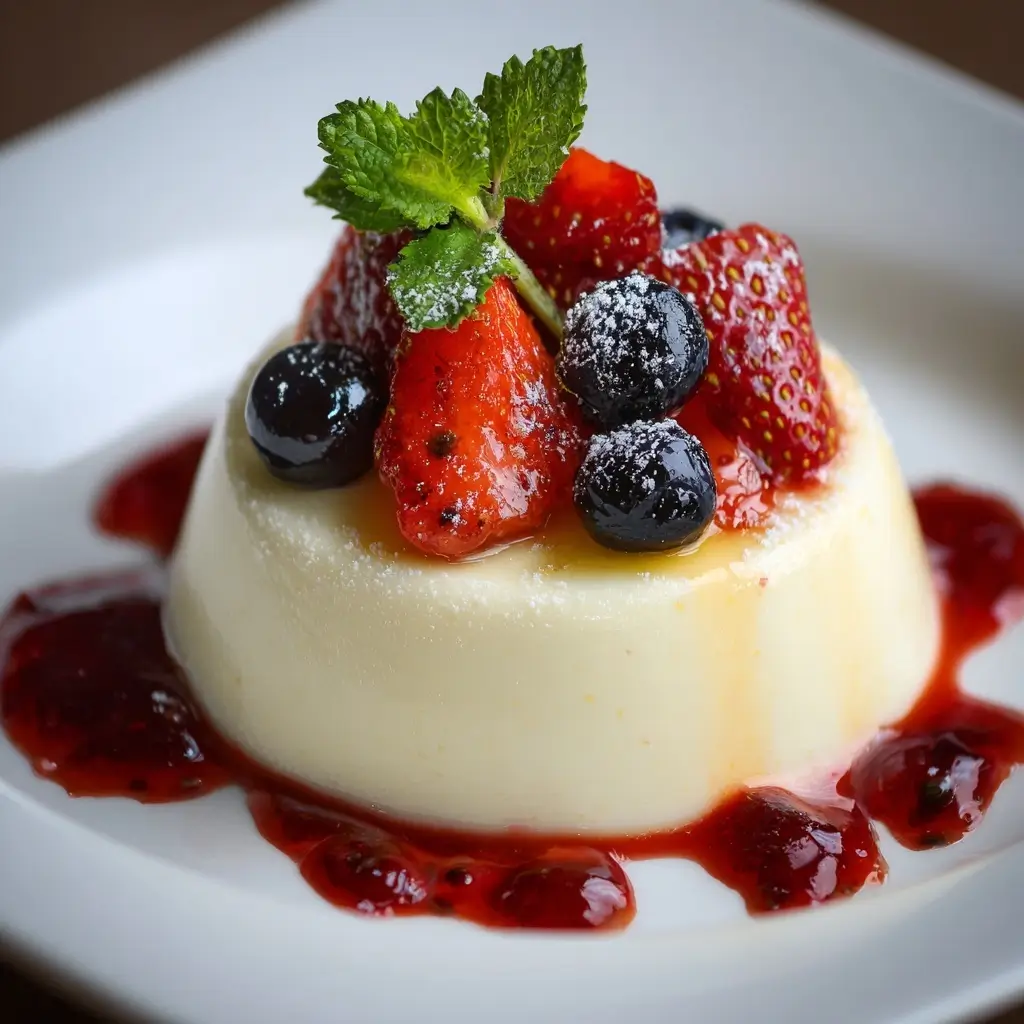
- Serve: To unmold, dip each ramekin briefly in warm water (5–10 seconds), then place a chilled plate on top and flip quickly. Gently lift the mold. Garnish with fresh berries, caramel sauce, or a drizzle of balsamic reduction.
Tips
- Use Real Vanilla Beans: While vanilla paste or high-quality extract can substitute in a pinch, real vanilla beans provide unmatched flavor and visual appeal.
- Don’t Boil the Mixture After Adding Gelatin: High heat can break down gelatin proteins, leading to a weak set or separation.
- Strain for Perfection: Even if your mixture looks smooth, straining removes any undissolved gelatin or cooked-on bits, ensuring a flawless texture.
- Room Temperature Matters: Serve panna cotta slightly chilled—not ice-cold—to allow the full flavor profile to emerge.
- Test the Set: If unsure whether it’s set, gently shake one ramekin. No liquid movement should occur.
- Grease Molds Well: A thin layer of flavorless oil (like grapeseed) ensures clean release without affecting taste.
- Work Quickly: Once gelatin is added, the mixture begins to cool and thicken. Pour immediately to avoid premature setting in the pot.
Variations and Customizations
One of panna cotta’s greatest strengths is its adaptability. Here are some inspired ways to personalize your dessert:
- Fruit-Infused: Add puréed raspberries, mango, or passionfruit after dissolving the gelatin. Strain to keep texture smooth.
- Chocolate Panna Cotta: Melt 2 oz of dark chocolate into the warm cream base before adding gelatin.
- Coffee or Espresso: Replace 1/4 cup cream with strong brewed coffee or espresso for a mocha twist.
- Coconut Version: Substitute heavy cream with full-fat coconut milk for a dairy-free alternative (note: may require extra gelatin).
- Lavender or Earl Grey: Steep dried culinary lavender or crushed Earl Grey tea leaves in the cream, then strain before adding gelatin.
- Almond or Pistachio: Infuse cream with toasted nuts or stir in nut paste for a marzipan-like flavor.
- Boozy Variants: Stir in 1–2 tablespoons of Frangelico, Grand Marnier, or limoncello after removing from heat.
- Layered Panna Cotta: Create stunning parfaits by alternating layers of different flavored panna cottas or with fruit coulis.
- Savory-Herbal Notes: Experiment with rosemary or thyme-infused cream paired with honey for a modern, sophisticated take.
Health Considerations and Nutritional Value
While undeniably indulgent, understanding the nutritional aspects of Vanilla Bean Panna Cotta can help you enjoy it mindfully.
Nutritional Profile (per serving, approx. 1/2 cup):
- Calories: ~320 kcal
- Total Fat: ~28 g (mostly saturated)
- Carbohydrates: ~16 g (primarily from sugar)
- Protein: ~3 g
- Gelatin: Provides collagen, which may support joint and skin health.
Dietary Notes:
- Gluten-Free: Naturally gluten-free as long as all ingredients (especially gelatin) are certified.
- Dairy-Rich: Not suitable for lactose-intolerant individuals unless substituted with plant-based creams.
- Kosher/Halal Concerns: Standard gelatin is derived from animal collagen (usually pork or beef). Use agar-agar (a seaweed-based gelling agent) for vegetarian, vegan, kosher, or halal versions, though texture will be firmer.
- Sugar Content: Can be reduced or replaced with erythritol or monk fruit for lower glycemic impact, but may affect texture and gel strength.
- Low-Protein: Not a significant source of protein; best enjoyed as a dessert, not a meal replacement.
For a lighter version, consider using part light cream and part Greek yogurt, though this alters the traditional texture significantly.
FAQ
Q: Why didn’t my panna cotta set?
A: Common causes include expired gelatin, insufficient blooming, boiling after adding gelatin, or using acidic ingredients that weaken gelatin. Ensure accurate measurements and follow temperature guidelines.
Q: Can I make panna cotta without gelatin?
A: Yes, use agar-agar (1 tsp agar powder per cup of liquid), but note it sets faster and firmer. Vegan versions often require recipe adjustments.
Q: How long does panna cotta last in the fridge?
A: Up to 5 days when covered tightly. Do not freeze, as it will separate upon thawing.
Q: Can I double the recipe?
A: Absolutely. Just maintain the same ratios and use larger molds or additional ramekins.
Q: Is panna cotta safe during pregnancy?
A: Yes, since it contains no raw eggs and is served chilled, it’s generally safe. Use pasteurized dairy if concerned.
Q: Can I use vanilla extract instead of a vanilla bean?
A: Yes—substitute 1–2 teaspoons of pure vanilla extract. However, the visual appeal and depth of flavor will be less pronounced.
Q: Why did my panna cotta weep liquid?
A: This “syneresis” can happen due to over-chilling, excessive gelatin, or temperature fluctuations. Serve promptly and store steadily at 35–40°F (2–4°C).
Summary
Vanilla Bean Panna Cotta is a sumptuous, no-bake Italian dessert that combines rich cream, real vanilla, and perfectly balanced gelatin for a melt-in-your-mouth experience. Elegant yet simple to prepare, it’s a timeless treat that impresses guests and satisfies cravings with every silky spoonful.