Introduction
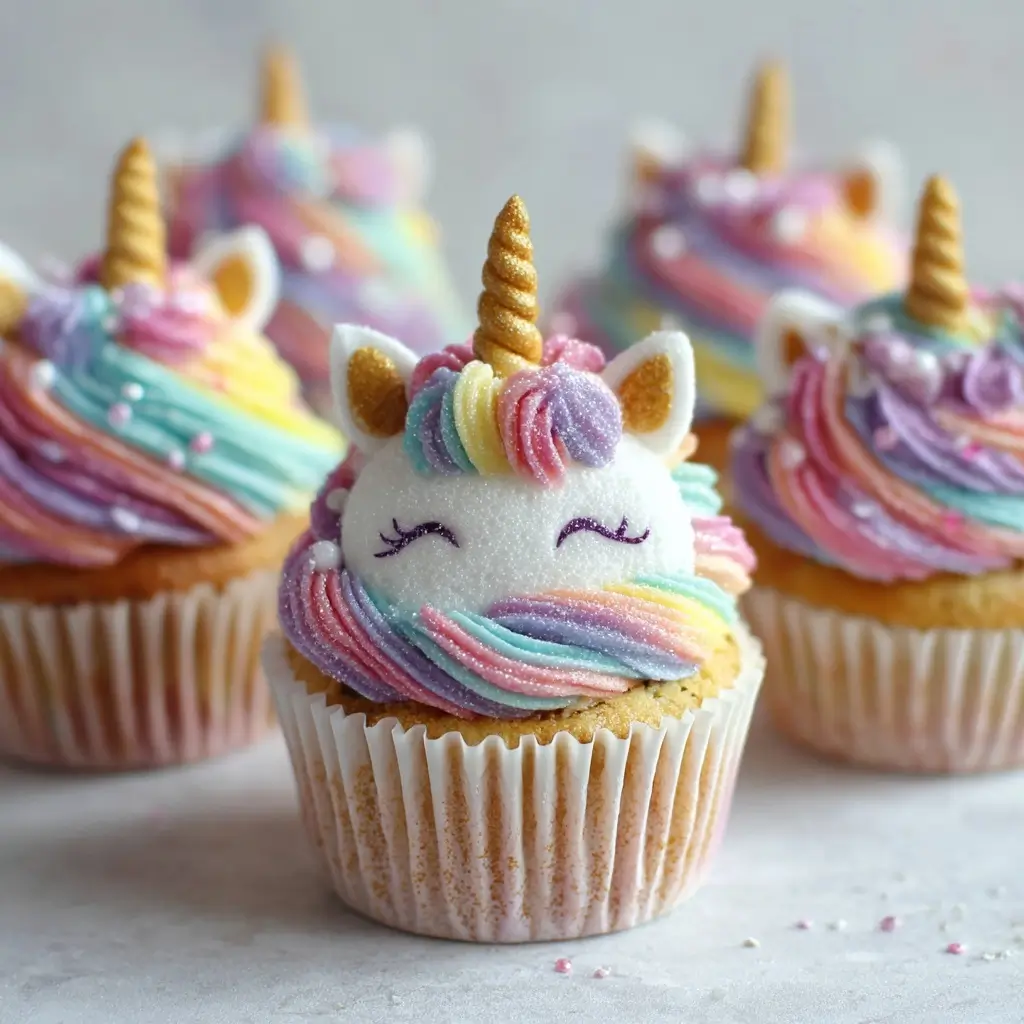
Welcome to the magical world of Unicorn Rainbow Cupcakes — where whimsy meets baking mastery! These aren’t just cupcakes; they’re edible rainbows, bursts of joy, and a nostalgic celebration of childhood wonder — all elegantly swirled into tender, moist, pastel-hued domes crowned with cloud-like frosting, shimmering sprinkles, and edible glitter that catches the light like stardust. Whether you’re planning a birthday bash, a baby shower, a pride celebration, or simply craving a moment of pure, unapologetic delight, Unicorn Rainbow Cupcakes deliver visual splendor, textural harmony, and flavor that’s as joyful as it is delicious. With their vibrant layers, dreamy swirls, and playful toppings, these cupcakes spark conversation, ignite smiles, and transform any ordinary gathering into an extraordinary, Instagram-worthy experience.
The History
While unicorns have galloped through mythology for over 2,500 years — from ancient Mesopotamian art to medieval European bestiaries — the modern “unicorn food” trend emerged in the mid-2010s as part of a broader cultural shift toward maximalist, fantasy-inspired aesthetics. Fueled by social media platforms like Instagram and Pinterest, where visually arresting, highly shareable content thrives, unicorn-themed treats exploded onto the culinary scene around 2016–2017. Unicorn lattes (featuring iridescent powders and butterfly pea flower tea), rainbow bagels, and pastel-dyed desserts paved the way — and cupcakes, with their ideal canvas-like structure and universal appeal, quickly became the flagship dessert of the movement. Bakers began experimenting with multi-layered batters, gradient frosting techniques, and edible pearlescent dusts, transforming traditional vanilla cupcakes into edible prisms. What started as a viral sensation has since evolved into a beloved, enduring genre — one that celebrates inclusivity, creativity, and the idea that food can be both nourishing *and* enchanting. Today, Unicorn Rainbow Cupcakes are more than a trend: they’re a symbol of imagination made tangible, baked with love and decorated with intention.
Ingredients Breakdown
Every exceptional Unicorn Rainbow Cupcake begins with purposeful, high-quality ingredients — each chosen not only for function but for its contribution to color, texture, aroma, and mouthfeel. Below is a meticulous breakdown of what makes this recipe shine:
- Unbleached All-Purpose Flour: Provides essential gluten structure without overpowering density; unbleached flour retains more natural grain nutrients and yields a softer crumb than bleached alternatives.
- Granulated Cane Sugar: Not only sweetens but also aids in creaming (trapping air for lift), contributes to browning via the Maillard reaction, and helps retain moisture for a tender bite.
- Large Eggs (Room Temperature): Act as emulsifiers, binders, and leaveners — their proteins coagulate during baking to set the crumb, while yolks add richness and tenderness.
- Unsalted Butter (Room Temperature): Delivers unparalleled flavor, flakiness in the crumb, and creamy mouthfeel; using unsalted butter ensures precise control over sodium levels.
- Whole Milk (Room Temperature): Adds moisture, fat, and subtle sweetness — its lactose enhances browning and balances acidity, while its proteins support structure.
- Pure Vanilla Extract (Alcohol-Based, Madagascar Bourbon): Imparts deep, floral, warm notes that complement — never compete with — the rainbow palette; imitation vanillin lacks complexity and can taste artificial under bright colors.
- Baking Powder & Baking Soda (Fresh, Double-Acting): Work synergistically — baking powder provides primary lift, while baking soda neutralizes acidity (from buttermilk or vinegar, if used) and boosts browning and tenderness.
- Food Coloring (Gel-Based, Highly Concentrated): Essential for achieving vivid, streak-free rainbows without diluting batter consistency. Liquid dyes introduce excess water, risking dense cupcakes — gel or powdered pigments preserve ideal viscosity and intensity.
- Heavy Whipping Cream (for Frosting): High-fat content (36–40%) ensures stable, silky, pipeable buttercream that holds peaks, resists melting, and carries flavor beautifully.
- Full-Fat Cream Cheese (for Frosting): Adds tang, creaminess, and luxurious body — use block-style, not spreadable tubs, which contain stabilizers that weaken structure and mute flavor.
- Powdered Sugar (Sifted, 10X): Dissolves seamlessly into frosting; sifting prevents grittiness and air pockets. Contains cornstarch to aid stability and prevent crystallization.
- Edible Glitter (FDA-Approved, Luster Dust, or Rainbow Nonpareils): Made from food-grade mica, titanium dioxide, or gum arabic — safe for consumption and designed to shimmer under light without metallic aftertaste.
- Optional Flavor Enhancers: A pinch of almond extract (0.25 tsp) adds depth to vanilla; a drop of rosewater or lavender oil lends ethereal floral nuance; freeze-dried raspberry or strawberry powder introduces natural fruit tang and subtle pink hue.
Step-by-Step Recipe
Follow this detailed, chef-tested sequence for flawless, bakery-quality Unicorn Rainbow Cupcakes — complete with pro tips embedded at every critical stage:
- Prep & Preheat: Line two standard 12-cup muffin tins with high-quality, grease-resistant rainbow cupcake liners (or double-line white liners for maximum color pop). Preheat oven to 350°F (175°C) with rack positioned in the center third. Allow all dairy and eggs to reach true room temperature (68–72°F / 20–22°C) — this ensures uniform emulsion and optimal rise.
- Cream Butter & Sugar: In a stand mixer fitted with paddle attachment, beat softened unsalted butter and granulated sugar on medium-high for 4–5 minutes until pale, fluffy, and nearly doubled in volume. Scrape bowl thoroughly with silicone spatula halfway through. This step incorporates vital air — the foundation of a light crumb.
- Incorporate Eggs One at a Time: Add eggs individually, beating on medium speed for 30 seconds after each addition until fully absorbed and glossy. Avoid overbeating — once yolks are incorporated, stop immediately to prevent curdling or excessive gluten development.
- Combine Dry Ingredients: In a separate bowl, whisk together sifted flour, baking powder, baking soda, and fine sea salt. Sifting prevents clumps and aerates flour for even distribution.
- Alternate Wet & Dry Additions: With mixer on low, add one-third of dry mixture, followed by half of room-temp milk + vanilla. Mix just until combined — no visible streaks. Repeat: second third dry, remaining milk, final third dry. Finish with final scrape and gentle fold by hand to eliminate any hidden pockets of flour. Overmixing = tough cupcakes.
- Divide & Color Batter: Transfer batter evenly into six small bowls (approx. ½ cup each). Using gel food coloring, tint each bowl a distinct rainbow hue: red, orange, yellow, green, blue, violet. For true vibrancy, add color gradually — stir vigorously for 20 seconds per bowl to disperse pigment completely. Let rest 2 minutes to allow bubbles to surface and pop.
- Layer with Precision: Using a small cookie scoop or piping bag with wide tip, alternate spoonfuls of colored batters into each liner: start with red, then orange, yellow, green, blue, violet — repeating in order until liners are ⅔ full. Do *not* swirl yet — keep layers distinct for clean rainbow cross-sections.
- Bake with Consistency: Place tins in preheated oven. Bake 18–21 minutes — rotate tins front-to-back and top-to-bottom at 12 minutes for even heat exposure. Cupcakes are done when tops spring back lightly when touched and a toothpick inserted into center (avoiding color seams) comes out clean or with moist crumbs — never wet batter.
- Cool Strategically: Let cupcakes cool in pans for exactly 5 minutes — long enough to set structure, short enough to prevent steam-induced sogginess. Then transfer to wire racks to cool *completely* before frosting (minimum 2 hours, ideally overnight uncovered). Warm cupcakes melt frosting and cause bleeding.
- Prepare Rainbow Buttercream: Beat room-temp butter and cream cheese on medium until smooth (2 min). Gradually add sifted powdered sugar (1 cup at a time), beating on low to avoid clouds, then increasing to medium for 1 minute per addition. Add heavy cream, vanilla, and pinch of salt; whip on high for 3–4 minutes until luxuriously light and airy. Divide into six bowls and tint with same gel colors used for batter.
- Swirl Like a Pro: Fit large piping bag with star tip (Wilton 1M or Ateco #829). Starting from outer edge, pipe concentric circles of each color, layering one atop another without blending — begin with violet, then blue, green, yellow, orange, red. Use a small offset spatula or toothpick to *lightly* drag through center in one continuous spiral motion — just 2–3 gentle turns — to create soft, marbled swirls. Avoid over-swirling, which muddies colors.
- Decorate with Magic: Immediately after piping, apply toppings while frosting is still tacky: press rainbow nonpareils into sides, dot centers with gold/silver dragees, mist with edible pearl spray, and finish with a generous dusting of ultra-fine iridescent luster dust using a clean, soft makeup brush.
Tips
- Color Integrity Secret: Always add food coloring to batter *after* mixing is complete — adding it earlier can interfere with leavening chemistry and cause uneven rise.
- Altitude Adjustments: At elevations above 3,000 ft, reduce sugar by 1 tbsp per cup, increase liquid by 1–2 tbsp, and raise oven temp by 15–25°F — monitor closely, as bake time shortens.
- No-Bleed Frosting Hack: Chill piped, unfrosted cupcakes for 15 minutes before applying buttercream — cold surface prevents color migration from cake into frosting.
- Flavor Layering Tip: Infuse milk with edible dried lavender or lemon zest (simmer 2 min, steep 15 min, strain) for aromatic depth that complements pastel tones without competing.
- Frosting Stability Trick: If humidity exceeds 60%, add 1 tsp of clear piping gel or ½ tsp of unflavored gelatin (bloomed in 1 tsp cold water, microwaved 5 sec) to buttercream for heat resistance.
- Perfect Swirl Every Time: Use a “reverse swirl” method — load piping bag with colors in reverse rainbow order (red first, violet last) so violet appears at the tip and creates the outermost ring when piped.
- Leftover Batter Use: Freeze extra colored batters in ice cube trays (1 cube = 1 tbsp); thaw overnight in fridge and use for mini rainbow cakes, pancake swirls, or marble mug cakes.
- Storage Wisdom: Unfrosted cupcakes freeze beautifully for up to 3 months (wrap individually in parchment + foil). Frosted cupcakes keep 2 days refrigerated — bring to room temp 45 min before serving for optimal texture.
- Photo-Ready Finish: For professional lighting, place cupcakes on a rotating cake stand beside a large white foam board — bounce natural light to eliminate shadows and enhance sparkle.
- Kid-Safe Decorating Station: Set up a “unicorn bar” with pre-portioned sprinkles, mini marshmallows, crushed freeze-dried fruit, and edible flowers — let little bakers express creativity without food dye mishaps.
Variations and Customizations
Unicorn Rainbow Cupcakes are gloriously adaptable — here’s how to tailor them for dietary needs, seasonal themes, flavor adventures, and global inspirations:
- Vegan Unicorn Cupcakes: Substitute flax eggs (1 tbsp ground flax + 2.5 tbsp water per egg), vegan butter (Miyoko’s or Earth Balance), oat or soy milk + 1 tsp apple cider vinegar (to mimic buttermilk tang), and aquafaba-based meringue buttercream. Use plant-based food colors (India Tree or Chefmaster Vegan lines).
- Gluten-Free Rainbow Edition: Replace flour with certified GF 1:1 blend (King Arthur or Bob’s Red Mill) + ¼ tsp xanthan gum. Add 2 tbsp psyllium husk powder for elasticity and moisture retention. Test batter thickness — GF batters often need 1–2 tbsp extra milk.
- Protein-Powered Unicorn Cups: Fold in 2 scoops unflavored collagen peptides or whey isolate (vanilla or berry) into cooled batter. Boost frosting with Greek yogurt cream cheese blend (¾ cup cream cheese + ¼ cup strained yogurt) for added satiety and tang.
- Seasonal Twists: Spring — add lemon zest + violet extract + candied violets; Summer — swirl in mango purée + coconut flakes; Fall — brown butter batter + cinnamon-maple frosting + caramel drizzle; Winter — peppermint extract + crushed candy canes + white chocolate shavings.
- Global Rainbow Inspirations: Japanese Matcha-Rainbow (green layer = ceremonial matcha batter, pink = hibiscus syrup, gold = yuzu glaze); Mexican Champurrado-Inspired (cinnamon-chocolate base, dulce de leche swirl, cacao nibs); Middle Eastern Rose-Pistachio (rosewater-infused layers, pistachio crunch, orange blossom glaze).
- Mini & Mega Formats: Bake in 24 mini-muffin cups (10–12 min) for party favors, or go grand with 6 jumbo cupcakes (lined with oversized tulip cups, bake 28–32 min) topped with spun sugar “unicorn manes” and hand-piped fondant horns.
- Boozy Rainbow Delights: Add 1 tbsp high-quality vodka or clear rum to each colored batter portion (alcohol bakes off, enhancing flavor release). Infuse frosting with limoncello, Chambord, or elderflower liqueur (start with 1 tsp, adjust to taste).
- Savory-Sweet Unicorn: For adventurous palates — basil-infused batter, feta-rosemary buttercream, blackberry reduction drizzle, and crushed black sesame + flaky sea salt finish.
- Allergen-Aware Versions: Nut-free (use sunflower seed buttercream), soy-free (coconut oil-based buttercream), egg-free (aquafaba meringue), and refined-sugar-free (monk fruit erythritol blend + date paste reduction in batter).
- Zero-Waste Unicorn: Repurpose scraps — stale cupcakes become rainbow bread pudding; leftover frosting becomes edible cookie dough or layered parfaits with yogurt and berries; sprinkles become “rainbow salt” when blended with flaky sea salt.
Health Considerations and Nutritional Value
While Unicorn Rainbow Cupcakes are inherently celebratory treats, mindful ingredient choices and portion awareness allow for joyful indulgence without guilt. A standard-size cupcake (approx. 3.5 oz / 100g, unfrosted) contains roughly 220–260 calories, 30–35g carbohydrates (18–22g naturally occurring sugars + 10–12g added), 9–11g fat (6–7g saturated), and 2–3g protein. The frosting adds ~120–150 calories per generous swirl — primarily from butter, cream cheese, and powdered sugar. Key nutritional considerations include:
- Color Safety: FDA-approved synthetic dyes (Red #40, Blue #1, Yellow #5/6) are deemed safe in typical consumption amounts. However, some individuals report sensitivity (e.g., hyperactivity in children with ADHD); natural alternatives like beet juice (pink/red), turmeric (yellow), spirulina (blue/green), and purple carrot powder offer vibrant hues with added antioxidants and phytonutrients.
- Sugar Awareness: Standard recipes use ~28g added sugar per cupcake. Reduce by 25% without sacrificing texture (thanks to milk’s lactose and egg’s natural sugars), or substitute ½ with coconut sugar (lower glycemic index) or monk fruit blend (zero-calorie, non-glycemic).
- Fat Quality Matters: Prioritizing grass-fed butter and full-fat dairy provides beneficial CLA (conjugated linoleic acid) and fat-soluble vitamins (A, D, K2). Vegan versions using avocado oil or cashew cream offer heart-healthy monounsaturated fats.
- Functional Additions: Stirring in 1 tbsp ground chia or flaxseed adds omega-3s and fiber; swapping ¼ cup flour for oat or almond flour boosts protein and micronutrients; adding mashed banana or applesauce (reducing oil by 2 tbsp) increases potassium and natural sweetness.
- Dietary Synergy: Pair cupcakes with nutrient-dense accompaniments — a side of mixed berries (vitamin C enhances iron absorption), Greek yogurt dip (probiotics + protein), or dark chocolate-dipped strawberries (antioxidants + flavonoids) to round out the experience nutritionally.
- Mindful Enjoyment: Research shows that savoring treats slowly — noticing aroma, texture, and flavor evolution — enhances satisfaction and reduces likelihood of overconsumption. Serve cupcakes as intentional “dessert moments,” not background snacks.
- Allergy Transparency: When serving at events, label cupcakes clearly with top allergens (dairy, egg, wheat, soy, tree nuts if used) — many rainbow sprinkles contain confectioner’s glaze (shellac), which is not vegan but is FDA-approved.
Remember: Nutrition is deeply personal and contextual. These cupcakes hold value beyond macronutrients — they foster connection, spark joy, honor creativity, and celebrate milestones. Balanced eating includes both nourishment *and* delight — and sometimes, delight wears a glittery horn.
Ingredients
For the Rainbow Cupcakes:
- 2 ½ cups (315g) unbleached all-purpose flour
- 1 ¾ cups (350g) granulated cane sugar
- 1 tbsp (12g) baking powder
- ½ tsp (3g) baking soda
- 1 tsp (6g) fine sea salt
- 1 cup (227g) unsalted butter, room temperature
- 4 large eggs, room temperature
- 1 cup (240ml) whole milk, room temperature
- 2 tbsp (30ml) pure Madagascar bourbon vanilla extract
- Gel food coloring in red, orange, yellow, green, blue, violet (Wilton, AmeriColor, or Chefmaster)
For the Rainbow Swirl Buttercream:
- 1 ½ cups (340g) unsalted butter, room temperature
- 8 oz (227g) full-fat block cream cheese, room temperature
- 5 cups (600g) powdered sugar, sifted
- ¼ cup (60ml) heavy whipping cream (36% fat)
- 1 tbsp (15ml) pure vanilla extract
- ¼ tsp (1.5g) fine sea salt
- Gel food coloring in red, orange, yellow, green, blue, violet (same brand as batter)
For Decoration:
- Rainbow nonpareils or jimmies
- Edible gold, silver, and iridescent luster dust
- Edible pearl dragees or mini silver balls
- Unicorn horn toppers (optional, food-safe plastic or chocolate)
- High-quality rainbow cupcake liners
Directions
- Preheat oven to 350°F (175°C). Line two 12-cup muffin tins with rainbow cupcake liners. Set aside.
- In a medium bowl, whisk together flour, sugar, baking powder, baking soda, and salt. Set aside.
- In the bowl of a stand mixer fitted with paddle attachment, beat butter on medium-high for 2 minutes until creamy. Gradually add sugar and beat 4–5 minutes until pale and fluffy, scraping bowl twice.
- Add eggs one at a time, beating 30 seconds after each addition until fully incorporated and glossy. Do not overbeat.
- With mixer on low, add dry ingredients in three parts, alternating with milk-vanilla mixture in two parts, beginning and ending with dry ingredients. Mix only until just combined after each addition. Scrape bowl thoroughly.
- Divide batter evenly among six small bowls (about ½ cup each). Tint each bowl with corresponding gel food color: red, orange, yellow, green, blue, violet. Stir vigorously for 20 seconds per bowl until uniform. Rest 2 minutes.
- Using a 1-oz scoop or piping bag, fill each liner in rainbow order: red → orange → yellow → green → blue → violet, repeating until liner is ⅔ full (~3.5 oz total). Do not swirl.
- Bake 18–21 minutes, rotating tins at 12 minutes, until tops spring back and toothpick comes out clean. Cool in pans 5 minutes, then transfer to wire racks to cool completely (2+ hours).
- For buttercream: Beat butter and cream cheese on medium until smooth (2 min). Add powdered sugar 1 cup at a time on low speed, beating 1 minute after each addition. Add cream, vanilla, and salt; whip on high 4 minutes until light and airy.
- Divide buttercream into six bowls. Tint each with matching gel colors. Chill 10 minutes for easier piping.
- Fit large piping bag with Wilton 1M tip. Fill with colored buttercreams in reverse rainbow order (violet first, red last). Pipe concentric circles starting from outer edge, building upward.
- Use toothpick or skewer to gently swirl center in one continuous clockwise motion — 2–3 rotations only. Immediately decorate with sprinkles, dragees, and luster dust.
- Serve at room temperature. Store unfrosted cupcakes airtight at room temp up to 2 days; frosted cupcakes refrigerated up to 2 days (bring to room temp 45 min before serving).
FAQ
- Can I make these cupcakes ahead of time?
- Yes! Unfrosted cupcakes freeze beautifully for up to 3 months — wrap individually in parchment paper, then place in airtight freezer bags. Thaw overnight in fridge, then bring to room temperature before frosting. Frosted cupcakes hold well refrigerated for 48 hours — cover loosely with inverted cake dome or toothpick-supported parchment to prevent condensation.
- Why did my rainbow layers bleed together in the oven?
- Bleeding occurs most often due to overmixing batter before dividing, using liquid food coloring (which adds water), or filling liners too full (causing overflow and smearing). Ensure batter is mixed *just* until combined, use only gel or powdered colors, and fill liners precisely to ⅔ height. Also verify your oven temperature with an oven thermometer — inaccurate heat causes uneven set and seepage.
- Can I use natural food coloring?
- Absolutely — though results will be softer and more earth-toned. Beet powder gives rosy pinks, turmeric yields golden yellows, spirulina offers teal-to-navy blues, and purple carrot powder creates rich magentas and lavenders. Note: natural dyes may shift pH-sensitive hues (e.g., blue turning purple in acidic batter), and you’ll likely need 2–3x more volume than gels. For best contrast, pair with white or ivory batter base instead of yellow.
- My buttercream is too soft to pipe — what do I do?
- Chill the entire bowl for 15–20 minutes, then rewhip on medium for 1–2 minutes. If still soft, add 2–3 tbsp more sifted powdered sugar and whip again. For long-term stability in warm environments, substitute ¼ cup of the butter with vegetable shortening (Crisco), which has a higher melting point and yields sturdier structure without compromising flavor significantly.
- How do I get perfectly clean rainbow cross-sections?
- Use a sharp, hot knife dipped in boiling water and wiped dry between cuts. Slice gently with downward pressure — no sawing. Let cupcakes cool completely before slicing; warm cakes crumble and smear. For photography, chill sliced cupcakes for 10 minutes before arranging on a marble slab — cold frosting holds shape and reflects light better.
- Are the sprinkles and glitter safe to eat?
- Only if labeled “edible” and FDA-compliant. Look for ingredients listing mica-based pearlescent pigments (E171, E172), titanium dioxide, or food-grade shellac (confectioner’s glaze). Avoid craft-store glitter, metallic paints, or “non-toxic” labels — these are *not* food-safe. Trusted brands include India Tree, Sweet Sticks, and ChefToppers.
- Can I make these without a stand mixer?