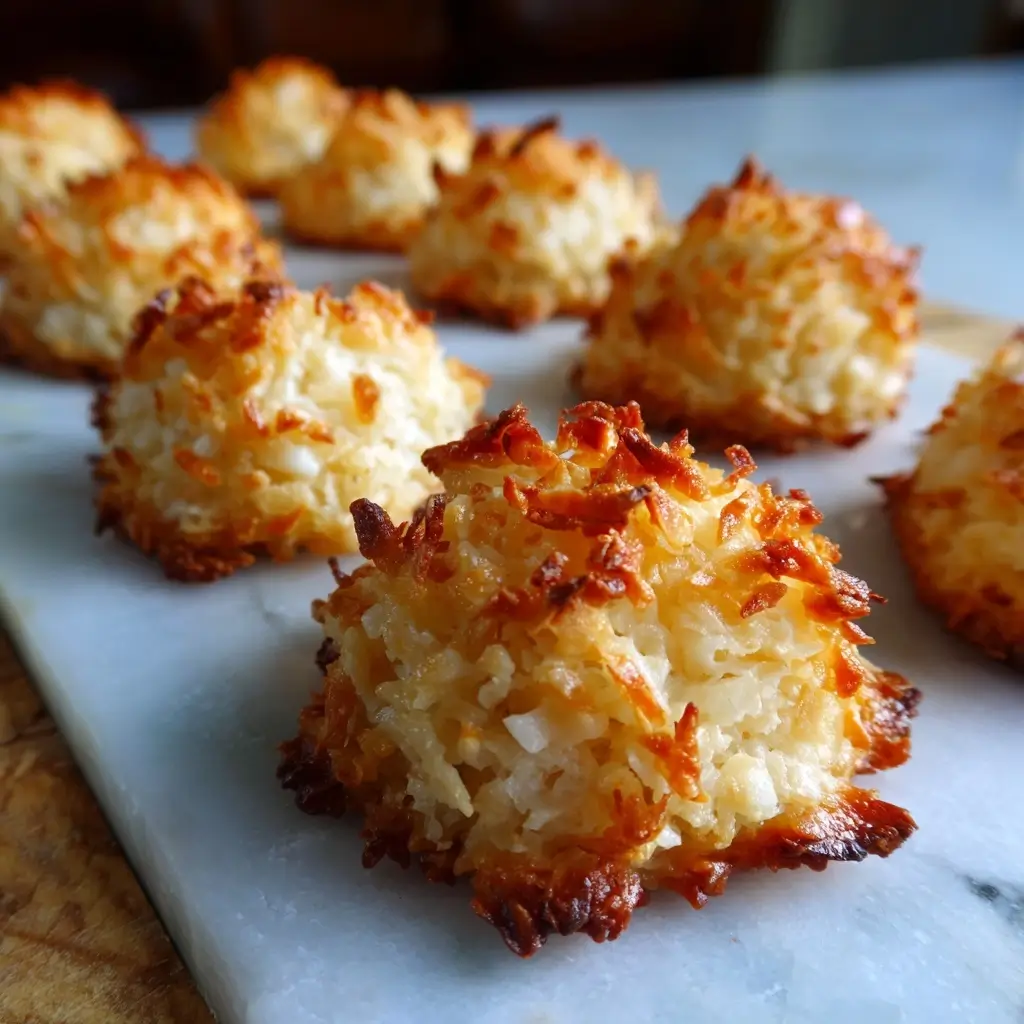
Toasted Coconut Macaroons: A Crispy, Chewy Delight from the Heart of Tradition
The History of Toasted Coconut Macaroons
Coconut macaroons boast a surprisingly rich and layered history that spans continents and centuries. While often associated with American Jewish cuisine—particularly during Passover when leavened grains are forbidden—the origins of the macaroon trace back much further. The word “macaroon” is derived from the Italian “maccherone” or “macarone,” meaning fine paste, which itself comes from the Arabic “mahshū”, referring to a pounded or crushed confection. These early almond-based sweets evolved over time as trade routes brought new ingredients into European kitchens.
By the Middle Ages, monasteries in Italy and France were crafting delicate almond meringue cookies, precursors to both modern macarons and macaroons. However, it was the introduction of coconut—native to tropical regions across Asia, Africa, and the Pacific—to Europe and North America during the colonial era that revolutionized the recipe. By the late 19th century, desiccated coconut became widely available, and American bakers began substituting almonds with this sweet, fibrous alternative.
Jewish communities, especially Ashkenazi Jews in Eastern Europe and later in the United States, embraced coconut macaroons due to their naturally unleavened composition, making them ideal for Passover observance. Recipes appeared in community cookbooks and holiday tables, often using condensed milk as a binder, which added moisture and sweetness without requiring flour or butter. Over time, the coconut macaroon transitioned from a religious dietary solution to a beloved mainstream treat, celebrated for its chewy center, crisp exterior, and nostalgic flavor.
Today, toasted coconut macaroons stand as a testament to culinary adaptation—where global ingredients meet cultural tradition, resulting in a cookie that is simultaneously humble and indulgent, simple and sophisticated.
Ingredients Breakdown: What Makes These Macaroons Irresistible?
The magic of toasted coconut macaroons lies in their minimal yet powerful ingredient list. Each component plays a vital role in texture, flavor, and structure, creating a harmonious balance between sweetness, chewiness, and crunch.
- Sweetened Flaked Coconut (or Desiccated Coconut): This is the star of the show. Sweetened flaked coconut provides both bulk and signature tropical flavor. Its high sugar content helps caramelize the edges during baking, contributing to the golden-brown toast. For deeper flavor, you can use a mix of fine and coarse coconut flakes to achieve a more varied texture.
- Egg Whites: Acting as the primary binder, egg whites provide structure without adding fat. When whipped slightly or simply folded in, they help hold the mixture together while allowing the cookies to rise gently in the oven. Using pasteurized egg whites is safe and convenient if you’re concerned about raw eggs.
- Condensed Milk: This thick, sweet dairy product adds moisture, richness, and a subtle caramel note. It also enhances browning and chewiness. Traditional recipes rely on sweetened condensed milk because it eliminates the need for additional sugar and liquid.
- Vanilla Extract: Pure vanilla extract deepens the overall flavor profile, rounding out the sweetness with warm, floral undertones. Avoid imitation vanilla for best results.
- Salt: Just a pinch! Salt is crucial for balancing the intense sweetness of the coconut and condensed milk. Without it, the macaroons can taste flat or overly sugary.
- Optional Add-Ins: Almonds (chopped or slivered), dark chocolate chips, orange zest, shredded dark chocolate, rum extract, or even a touch of espresso powder can elevate your macaroons into gourmet territory.
Some variations replace egg whites with whole eggs or include a small amount of flour or cornstarch for stability, but traditional Passover-style macaroons remain gluten-free and grain-free by design.
Step-by-Step Recipe: How to Make Perfectly Toasted Coconut Macaroons at Home
Making toasted coconut macaroons from scratch is simpler than it seems. With just a few bowls and basic tools, you can create bakery-quality cookies with a professional finish. Follow these detailed steps for foolproof results every time.
Ingredients (Yields ~24 medium macaroons)
- 3 cups (270g) sweetened flaked coconut
- 3 large egg whites (about ¼ cup / 60ml), room temperature
- ½ cup (120g) sweetened condensed milk
- 1 teaspoon pure vanilla extract
- ¼ teaspoon salt
- ½ cup (85g) mini dark chocolate chips (optional)
- 1 tablespoon unsalted butter or non-stick spray (for pan)
Equipment Needed
- Mixing bowls (medium and large)
- Whisk or spatula
- Baking sheet
- Parchment paper or silicone baking mat
- Cookie scoop or tablespoon
- Cooling rack
Directions
- Preheat Oven & Prepare Baking Sheet: Preheat your oven to 325°F (165°C). Line a large baking sheet with parchment paper or a silicone mat. Lightly grease the surface with butter or non-stick spray to prevent sticking, especially important given the high sugar content.
- Toast the Coconut (Optional but Recommended): For enhanced flavor, spread 1 cup of the coconut on a separate baking sheet and toast in the preheating oven for 5–7 minutes until lightly golden. Stir halfway through. Let cool slightly before mixing. This step deepens the nutty aroma and improves overall complexity.
- Mix Wet Ingredients: In a large bowl, whisk together the egg whites until frothy (do not whip to stiff peaks). Add the sweetened condensed milk, vanilla extract, and salt. Whisk until smooth and well combined.
- Incorporate Coconut: Add all 3 cups of coconut (including the toasted portion, if using) into the wet mixture. Use a spatula to fold thoroughly until all the coconut is evenly moistened. The mixture should hold together when pressed but not be soggy. If too dry, add an extra teaspoon of condensed milk. If too wet, add a tablespoon more coconut.
- Add Chocolate (Optional): Gently fold in the mini chocolate chips, ensuring even distribution without overmixing.
- Shape the Macaroons: Using a tablespoon or a medium cookie scoop (about 1.5 tablespoons per macaroon), form mounds of the mixture and place them on the prepared baking sheet. Space them about 1.5 inches apart—they won’t spread much, but airflow helps even baking. For classic shape, mound each one slightly taller in the center rather than flattening.
- Bake Until Golden: Bake in the preheated oven for 20–25 minutes, rotating the pan halfway through. The macaroons are done when the tops and edges are deep golden brown and feel firm to the touch. They will still be soft inside but will set as they cool.
- Cool Completely: Allow the macaroons to cool on the baking sheet for 5 minutes before transferring to a wire rack. This prevents breakage. Let cool completely (at least 30 minutes) before storing or serving.
- Optional Double Toast: For extra crunch, return cooled macaroons to a turned-off oven overnight with the door ajar, or place under the broiler for 30–60 seconds (watch closely!) to deepen color and crispness.
Tips for Baking the Best Toasted Coconut Macaroons
- Use High-Quality Coconut: Opt for unsweetened or sweetened coconut with no artificial flavors. Some brands contain additives that affect texture. If using unsweetened coconut, increase condensed milk by 2–3 tablespoons and add 2–3 tablespoons granulated sugar.
- Egg White Temperature Matters: Room temperature egg whites incorporate more evenly and reduce the risk of curdling when mixed with condensed milk.
- Don’t Skip the Toasting Step: Even toasting a portion of the coconut elevates the flavor significantly. Think of it like blooming spices—it unlocks hidden depth.
- Uniform Sizing = Even Baking: Use a cookie scoop to ensure all macaroons are the same size. This prevents some from burning while others stay pale.
- Avoid Overbaking: These cookies continue to firm up as they cool. Remove them when they look *just* done—they’ll develop more color and texture outside the oven.
- Cooling is Crucial: Rushing this step leads to crumbling. Let them rest on the tray first to set their base, then transfer carefully.
- Storage Tip: Store in an airtight container at room temperature for up to 1 week. For longer storage, freeze for up to 3 months in a sealed bag.
Variations and Customizations
One of the greatest joys of coconut macaroons is their versatility. Once you master the base recipe, feel free to experiment with creative twists:
- Chocolate-Dipped Macaroons: Melt dark, milk, or white chocolate and dip the cooled macaroons halfway. Sprinkle with sea salt, chopped nuts, or toasted coconut for extra flair.
- Rum or Coconut Rum Flavor: Replace vanilla extract with ¾ teaspoon rum extract or add 1 tablespoon dark rum to the batter for a tropical twist.
- Almond Joy Style: Press a whole almond into the top of each macaroon before baking and drizzle with chocolate after cooling.
- Lemon or Orange Zest: Add 1 tablespoon of finely grated citrus zest for a bright, refreshing contrast to the sweetness.
- Gluten-Free & Vegan Version: Use aquafaba (the liquid from a can of chickpeas) in place of egg whites—whip ¼ cup aquafaba to soft peaks before folding in. Use vegan condensed milk (available commercially or homemade with coconut milk and sugar).
- Double Toasted Crunch: After baking and cooling, place macaroons under the broiler for 20–30 seconds per side to intensify crispness—great for those who love a firmer texture.
- Mini Macaroons: Use a teaspoon-sized scoop for bite-sized treats perfect for parties or holiday platters.
- Espresso Infused: Add 1 teaspoon instant espresso powder to the batter for a mocha-coconut experience.
Health Considerations and Nutritional Value
While undeniably delicious, coconut macaroons are a sweet indulgence best enjoyed in moderation. Here’s a breakdown of what’s inside:
Nutritional Profile (Per Macaroon, based on 24 servings)
- Calories: ~120 kcal
- Total Fat: 7g (mostly from coconut oil—rich in saturated fats, but primarily medium-chain triglycerides [MCTs], which are metabolized differently than long-chain fats)
- Carbohydrates: 14g (including 11g sugars)
- Protein: 1.5g
- Sodium: ~40mg
- Fiber: 1g (from coconut)
Health Notes
- Sugar Content: Due to sweetened coconut and condensed milk, these are high in added sugars. Diabetics or those managing blood sugar should consume sparingly.
- Coconut Benefits: Coconut contains lauric acid, which may support heart health in moderation. However, the benefits depend on overall diet and lifestyle.
- Allergens: Contains egg and dairy (in condensed milk). Not suitable for strict vegans or those with egg allergies unless modified.
- Gluten-Free Status: Naturally gluten-free, making them ideal for celiac-safe diets—provided no cross-contamination occurs.
- Low Protein: Not a significant source of protein; pair with nuts or yogurt for a more balanced snack.
For a healthier version, consider reducing sugar by using unsweetened coconut and a sugar substitute like monk fruit sweetener blended into homemade condensed milk. You can also boost fiber by adding ground flaxseed or chia seeds (up to 2 tablespoons).
Frequently Asked Questions (FAQ)
Can I make coconut macaroons without sweetened condensed milk?
Yes, though it changes texture and sweetness. Substitute with a blend of heavy cream and honey or maple syrup, reduced by half, or use store-bought dairy-free condensed milk alternatives. Keep in mind the binding power may vary.
Why did my macaroons turn out dry or crumbly?
This usually happens if there’s not enough moisture. Ensure you’re using enough condensed milk and fresh egg whites. Overbaking or using old, dried-out coconut can also cause crumbliness. Try adding an extra tablespoon of condensed milk next time.
Can I freeze coconut macaroons?
Absolutely! Place cooled macaroons in a single layer on a tray and freeze until solid. Transfer to an airtight container or freezer bag. They’ll keep for up to 3 months. Thaw at room temperature for 30 minutes before serving.
Do I have to use egg whites?
Traditional recipes do, but you can use aquafaba (chickpea brine) as a vegan alternative. Whip ¼ cup to soft peaks before folding into the mixture. Results are surprisingly close!
How do I get a deeper toast on my macaroons?
Bake a few minutes longer (watch closely), rotate the pan, or broil briefly at the end (30 seconds max). Alternatively, toast the coconut beforehand or double-toast after baking.
Can I make these nut-free?
Yes—ensure your coconut isn’t processed in a facility with nuts, and avoid almond-based add-ins. The base recipe is naturally nut-free (except optional almonds).
Are coconut macaroons keto-friendly?
Not traditionally, due to high sugar content. However, a keto version can be made using unsweetened coconut, sugar-free condensed milk (made with erythritol or allulose), and egg whites. Expect a different texture but lower carbs.
Why do some recipes call for flour?
A small amount of flour (1–2 tsp) can stabilize the macaroons, especially in humid climates. However, purists—and Passover observers—avoid it entirely. Cornstarch or arrowroot can be used as a gluten-free thickener if needed.
Can I use shredded coconut instead of flaked?
Yes, but texture will differ. Shredded coconut compacts more tightly, yielding denser macaroons. For lightness, stick with flaked or a mix of both.
What’s the difference between macaroons and macarons?
Huge difference! Macaroons are dense, coconut-based drop cookies. Macarons are delicate French meringue sandwiches made with almond flour, egg whites, and filling. Spelling is similar, but they’re entirely different desserts.
Summary
Toasted coconut macaroons are a timeless treat that blends simplicity with indulgence—crisp on the outside, chewy within, and bursting with tropical flavor. Whether rooted in tradition or reimagined with modern twists, they remain a beloved favorite across generations and occasions.