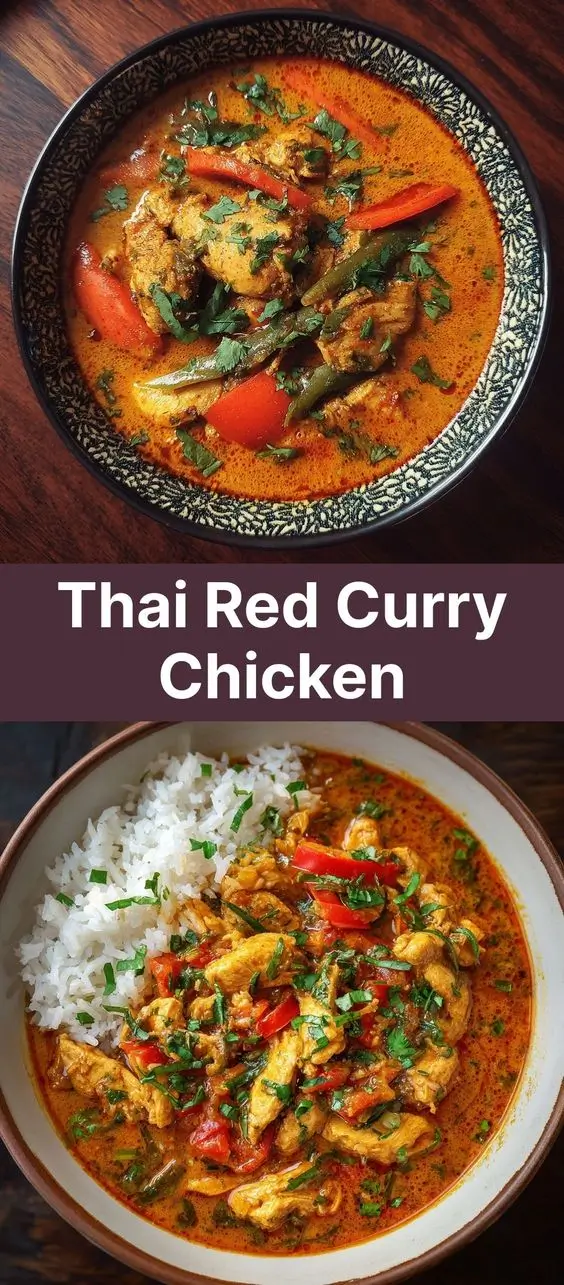
Thai Red Curry Chicken: A Flavorful Journey Through Tradition and Taste
The History of Thai Red Curry Chicken
Thai Red Curry Chicken, known in Thai as “Gaeng Phed Gai”, is one of the most iconic dishes in Thai cuisine. Originating from central Thailand, red curry has its roots deeply embedded in centuries-old culinary traditions influenced by Indian, Chinese, and Southeast Asian flavors. The use of curry paste—specifically red curry paste—dates back to the Ayutthaya period (1350–1767), where royal kitchens began perfecting complex spice blends using fresh herbs, chilies, and aromatic spices.
The term “red” comes from the generous use of dried red chilies, which give the curry both its vibrant color and spicy kick. Over time, coconut milk was introduced, likely through trade with southern India and Malaysia, softening the heat and creating a rich, creamy base that perfectly complements the bold spices. Thai Red Curry Chicken evolved as a household staple, commonly prepared with chicken due to its availability and mild flavor that absorbs the curry beautifully.
In traditional Thai cooking, every component of the dish serves a purpose—not just for taste but also for balance according to the principles of Thai gastronomy: sweet, sour, salty, bitter, and spicy must coexist harmoniously. Today, Thai Red Curry Chicken is celebrated globally, appearing on menus from Bangkok street food stalls to Michelin-starred restaurants, yet it remains a beloved comfort food in Thai homes.
Ingredients Breakdown: What Makes This Dish Shine
The magic of Thai Red Curry Chicken lies in the symphony of ingredients, each contributing depth, aroma, and texture. Here’s an in-depth look at the essential components:
- Red Curry Paste: The soul of the dish. Traditionally made from dried red chilies, lemongrass, galangal, kaffir lime zest, garlic, shallots, shrimp paste, coriander root, and peppercorns. Store-bought versions work well, but homemade paste elevates the flavor exponentially.
- Chicken: Boneless, skinless thighs are preferred for their tenderness and ability to absorb flavors without drying out. Breast meat can be used but requires careful cooking to avoid toughness.
- Coconut Milk: Full-fat canned coconut milk is ideal. It separates into thick cream (top layer) and thinner milk (bottom). Using the thick cream first enhances richness and helps bloom the curry paste.
- Bamboo Shoots: Canned or fresh, they add a subtle crunch and earthy note. A classic addition reflecting the forest-inspired elements of Thai cuisine.
- Thai Eggplant: Small round eggplants (green or purple) are traditional—they hold their shape during cooking and absorb the sauce beautifully. Substitute with zucchini if unavailable.
- Kaffir Lime Leaves: These fragrant leaves impart a citrusy, floral aroma unique to Southeast Asian cooking. Always tear them before adding to release essential oils.
- Fish Sauce: A fermented condiment providing umami and saltiness. It’s crucial for authentic flavor.
- Palm Sugar: Offers a caramel-like sweetness that balances the heat. Brown sugar can substitute in a pinch.
- Thai Basil: Not to be confused with sweet basil, this variety has purple stems and a licorice-like flavor. Added at the end to preserve freshness.
- Red Bell Pepper (optional): Adds color and mild sweetness, especially popular in Western adaptations.
Water or chicken stock may also be used to adjust consistency, and a squeeze of fresh lime juice at the end brightens the entire dish.
Step-by-Step Recipe: How to Make Authentic Thai Red Curry Chicken at Home
Ingredients
- 2–3 tbsp Thai red curry paste (homemade or high-quality store-bought)
- 1 can (400 ml) full-fat coconut milk
- 1 lb (450 g) boneless chicken thighs, cut into bite-sized pieces
- 1 cup bamboo shoots, drained and rinsed
- 1 cup Thai eggplants or zucchini, cut into wedges
- 1 small red bell pepper, sliced (optional)
- 5–6 kaffir lime leaves, torn
- 2–3 tsp palm sugar (adjust to taste)
- 2–3 tbsp fish sauce (adjust to taste)
- 1/2 cup Thai basil leaves
- 1–2 red chilies, sliced (optional, for extra heat)
- 1 tbsp vegetable oil (optional, if needed)
- Lime wedges, for serving
- Cooked jasmine rice, for serving
Directions
- Prepare Ingredients: Cut all vegetables and chicken. Measure out curry paste, fish sauce, and sugar. Have kaffir lime leaves torn and ready.
- Bloom the Curry Paste: Pour about 1/2 cup of the thick coconut cream from the top of the can into a heavy-bottomed pot or wok. Heat over medium until it begins to simmer. Add the red curry paste and stir continuously for 2–3 minutes until the paste becomes highly aromatic and the oil starts to separate. This step is crucial—it unlocks the full flavor potential of the spices.
- Add Chicken: Add the chicken pieces and cook for 4–5 minutes, stirring often, until they are lightly seared and coated with the paste.
- Incorporate Remaining Coconut Milk: Slowly pour in the rest of the coconut milk, stirring to combine. Bring to a gentle simmer—do not boil vigorously, as this can cause the coconut milk to split.
- Add Vegetables and Aromatics: Stir in the bamboo shoots, Thai eggplants, bell pepper (if using), and torn kaffir lime leaves. Simmer gently for 8–10 minutes, or until the vegetables are tender but still slightly crisp.
- Season the Curry: Add fish sauce and palm sugar. Start with 2 tbsp fish sauce and 2 tsp sugar, then taste and adjust. The goal is a balanced blend of salty, sweet, and spicy. Remember, different brands of fish sauce vary in saltiness.
- Final Touches: Just before removing from heat, stir in the Thai basil leaves. They should wilt slightly but retain their vibrant color and fragrance. For extra heat, scatter sliced red chilies on top.
- Serve: Ladle the hot curry over steamed jasmine rice. Garnish with additional basil, a wedge of lime, and a sprinkle of red chili slices if desired.
Tips for the Perfect Thai Red Curry Chicken
- Use High-Quality Curry Paste: If possible, make your own red curry paste or choose a reputable brand like Maesri or Mae Ploy. Avoid pastes with artificial colors or excessive preservatives.
- Don’t Boil the Coconut Milk: Keep the heat at a gentle simmer. Boiling can cause the fats to separate and result in a grainy texture.
- Bloom the Paste Properly: Taking the time to fry the curry paste in coconut cream brings out layers of flavor you can’t achieve otherwise.
- Taste and Adjust: Seasoning is key. Balance fish sauce (salt), palm sugar (sweet), and lime juice (sour) gradually. Some cooks add a splash of lime juice at the end to brighten the dish.
- Fresh Herbs Matter: Never substitute Thai basil with Italian basil. The flavor profile is entirely different. If unavailable, use holy basil (ka-phrao) or omit rather than use the wrong type.
- Rest Before Serving: Letting the curry sit off the heat for 5–10 minutes allows flavors to meld. Reheat gently before serving.
- Pair with Jasmine Rice: The slightly sticky, fragrant rice soaks up the sauce perfectly. For low-carb options, try cauliflower rice, though the experience will differ.
Variations and Customizations
While traditional Thai Red Curry Chicken follows a classic formula, regional and personal preferences have led to many delightful variations:
- Vegetarian/Vegan Version: Omit chicken and fish sauce. Use tofu, mushrooms, or mixed vegetables. Replace fish sauce with soy sauce or tamari, and add a bit of seaweed or miso for umami depth.
- Seafood Red Curry: Substitute chicken with shrimp, scallops, or chunks of white fish. Add seafood last and cook just until done to prevent overcooking.
- Green Beans or Pea Eggplant: Swap bamboo shoots for green beans or pea eggplants (small, tomato-sized eggplants), common in northern Thailand.
- Creamier Texture: Blend part of the cooked vegetables and strain for a silkier sauce—popular in restaurant-style curries.
- Dry Red Curry (Pad Gaeng Phed): Reduce liquid and cook until most of the sauce evaporates, creating a drier, more intense version often served with roti or bread.
- With Pineapple: Add fresh pineapple chunks for a sweet-tart twist, creating a tropical variation sometimes seen in southern Thai cooking.
- Extra Spicy: Add fresh bird’s eye chilies or extra curry paste. Be cautious—Thai chilies are extremely hot!
- Nutty Version: Stir in a spoonful of roasted peanuts or cashews for added crunch and richness.
Health Considerations and Nutritional Value
Thai Red Curry Chicken can be both nutritious and indulgent, depending on preparation:
Nutritional Highlights (per serving, approx. 1.5 cups with chicken and vegetables over 1/2 cup jasmine rice):
- Calories: 450–600 kcal
- Protein: 25–30g (from chicken and coconut)
- Fat: 25–35g (mostly healthy saturated fats from coconut milk; moderate intake is acceptable)
- Carbohydrates: 30–40g (from rice, vegetables, and sugar)
- Fiber: 4–6g (from vegetables and eggplants)
- Vitamins & Minerals: Rich in vitamin C (from peppers, lime), iron (from chicken), and potassium (from coconut water content).
Health Tips:
- Reduce Sodium: Use reduced-sodium fish sauce or limit quantity. Rinsing canned bamboo shoots helps reduce sodium.
- Lower Fat: Use light coconut milk or dilute full-fat with water or broth, though this reduces creaminess.
- Sugar Control: Minimize palm sugar or use natural sweeteners like monk fruit for diabetic diets.
- Balanced Meal: Serve with brown rice for added fiber, and include a side of cucumber salad to cool the palate and aid digestion.
- Allergies: Contains shellfish (in shrimp paste), tree nuts (in some curry pastes), and coconut. Always check labels if allergies are a concern.
When enjoyed in moderation, Thai Red Curry Chicken offers a well-rounded meal with protein, healthy fats, and vegetables—perfect for those seeking flavorful, satisfying home-cooked meals.
Frequently Asked Questions (FAQ)
Q: Can I freeze Thai Red Curry Chicken?
A: Yes! It freezes well for up to 3 months. Cool completely, store in airtight containers, and thaw in the refrigerator overnight. Reheat gently on the stove, adding a splash of water or coconut milk if too thick.
Q: Why did my coconut milk curdle?
A: High heat or acidic ingredients added too early can cause separation. Always simmer gently and add lime juice at the very end.
Q: Is red curry spicier than green curry?
A: Not necessarily. While red curry uses dried chilies, green curry uses fresh green chilies, which can be hotter. Spice level depends on the amount and type of chilies used in the paste.
Q: Can I make it without fish sauce?
A: Yes. Use soy sauce, tamari, or a vegan fish sauce alternative. For depth, add a pinch of mushroom powder or miso.
Q: What’s the difference between red curry and Massaman curry?
A: Massaman is milder, sweeter, and influenced by Persian and Indian cuisine, often containing potatoes, peanuts, and warming spices like cinnamon and cardamom. Red curry is spicier and more herb-forward.
Q: Can I use chicken breast instead of thighs?
A: Yes, but thighs are recommended for juiciness. If using breast, slice thinly and avoid overcooking to prevent dryness.
Q: Where can I find kaffir lime leaves?
A: Asian grocery stores, online retailers, or farmers’ markets. Frozen leaves are widely available and retain good flavor.
Q: How long does leftover curry last?
A: Up to 4 days in the refrigerator. Flavors often deepen overnight, making leftovers even tastier.
Summary
Thai Red Curry Chicken is a harmonious blend of spicy, creamy, and aromatic flavors rooted in centuries of Thai culinary tradition. With tender chicken, fragrant herbs, and a luscious coconut-based sauce, it’s a comforting yet vibrant dish perfect for any occasion.