Introduction
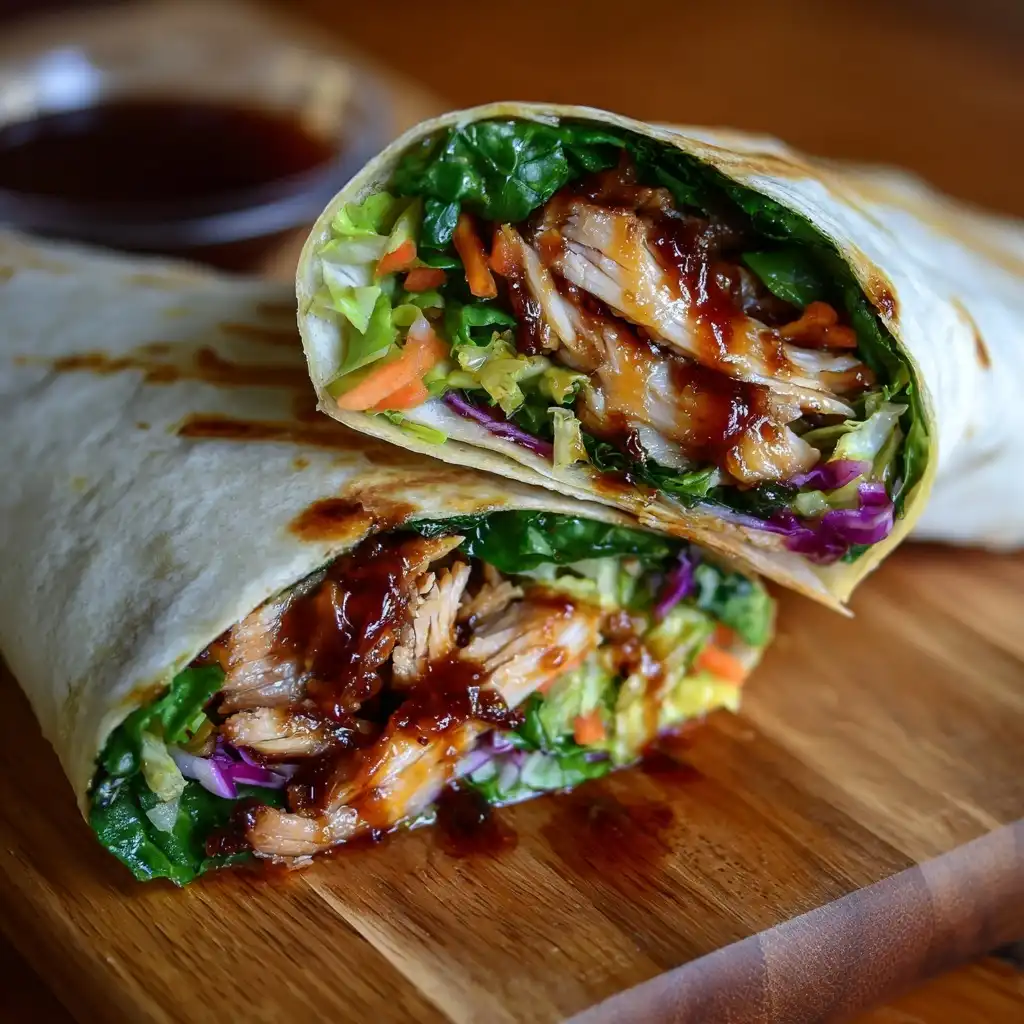
The Teriyaki Chicken Wrap is a vibrant, globally inspired fusion dish that bridges the rich umami depth of Japanese teriyaki with the portable, customizable convenience of the modern wrap. It’s more than just lunch—it’s a harmonious blend of tender marinated chicken, glossy sweet-savory sauce, crisp fresh vegetables, and soft, pliable tortillas (or grain-free alternatives), all wrapped into one satisfying handheld meal. Whether enjoyed as a quick weekday lunch, post-workout fuel, meal-prep staple, or even a crowd-pleasing appetizer at casual gatherings, this wrap delivers bold flavor, textural contrast, and nutritional balance without compromise. Its adaptability—across dietary preferences, cooking skill levels, and cultural palates—has cemented its status as a beloved kitchen mainstay across North America, Australia, and increasingly throughout Europe and Asia.
The History
Though the Teriyaki Chicken Wrap has no single documented “invention date,” its origins trace back to the dynamic culinary cross-pollination of the late 20th and early 21st centuries. Teriyaki itself hails from Japan, where teri (luster/gloss) and yaki (grill or broil) describe a centuries-old technique of glazing proteins with a soy-based, mirin-sweetened, sake-enhanced sauce—traditionally applied to fish like mackerel or salmon over charcoal grills. As Japanese immigrants settled in Hawaii in the late 1800s, they adapted teriyaki using locally available ingredients—including chicken and pineapple—giving rise to the iconic Hawaiian teriyaki chicken. By the 1960s and ’70s, this version gained national traction in the U.S. through Japanese-American restaurants and frozen food lines.
Meanwhile, the wrap format evolved separately: Middle Eastern shawarma and Mexican burritos laid foundational groundwork for portable, sauced, layered flatbread meals. The American “wrap craze” exploded in the 1990s, fueled by health-conscious marketing, the rise of fast-casual chains (like Subway’s 1994 launch of their wrap line), and consumer demand for low-carb, handheld alternatives to sandwiches. Chefs and home cooks soon began marrying global sauces with local formats—and thus, the Teriyaki Chicken Wrap emerged organically: a testament to globalization on a tortilla. It first appeared in mainstream food magazines around 2003–2005, gained viral traction on early food blogs circa 2008–2010, and today enjoys sustained popularity on Instagram, TikTok recipe reels, and meal-kit delivery services worldwide.
Ingredients Breakdown
Every exceptional Teriyaki Chicken Wrap begins with intentionality—not just in flavor, but in sourcing, balance, and function. Below is a comprehensive, chef-level breakdown of each component and its culinary purpose:
- Chicken Breast or Thighs: Boneless, skinless chicken breast offers lean protein and clean texture; thighs provide superior moisture, richer flavor, and forgiveness during cooking (less prone to drying out). For best results, slice against the grain into uniform ½-inch strips—this maximizes tenderness and ensures even marinade absorption.
- Soy Sauce (Low-Sodium Preferred): The savory backbone—provides sodium, glutamates (umami), and color. Low-sodium versions prevent oversalting while allowing control over final seasoning. Tamari is an excellent gluten-free alternative with deeper, less sharp notes.
- Mirin: A mild, fermented rice wine with ~14% alcohol and natural sweetness (from koji-fermented starches). It tenderizes, adds gloss, balances salt, and contributes subtle floral complexity. *Substitute:* ½ tbsp sugar + 1 tbsp dry sherry or white wine + ¼ tsp rice vinegar (but true mirin is irreplaceable for authenticity).
- Granulated Sugar or Brown Sugar: Balances soy’s saltiness and amplifies caramelization. Brown sugar adds molasses depth and enhances browning; white sugar yields cleaner sweetness and faster glaze formation.
- Fresh Ginger (Grated): Adds bright, spicy warmth and aromatic lift. Must be freshly grated—bottled ginger lacks enzymatic pungency and introduces unwanted preservatives.
- Garlic (Minced): Provides earthy, pungent depth. Raw garlic mellows beautifully when cooked into the sauce, becoming sweet and nutty.
- Rice Vinegar: Introduces gentle acidity to cut richness and brighten the profile. Unseasoned rice vinegar is ideal; seasoned versions contain added sugar and salt that disrupt balance.
- Sesame Oil (Toasted): Used *only* at the end—never heated—to preserve its intense, nutty aroma. A finishing oil, not a cooking oil.
- Green Onions (Scallions): Both white and green parts contribute crunch, freshness, and allium brightness. Reserve some for garnish to maintain visual appeal and raw bite.
- Shredded Carrots: Add sweetness, vibrant color, and essential crunch. Use a box grater or mandoline for fine, even shreds that integrate seamlessly.
- Crisp Romaine or Butter Lettuce: Provides structural integrity, cool contrast, and hydration. Romaine offers sturdy ribs for bite resistance; butter lettuce adds delicate creaminess and folds elegantly.
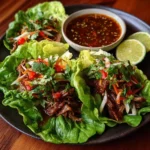
- Soft Tortillas: Flour tortillas (8–10 inch) are traditional—pliable, neutral, and strong enough to hold fillings. For gluten-free: certified GF brown rice or cassava tortillas (look for brands with xanthan gum for flexibility). For low-carb/keto: large butter lettuce cups or grilled eggplant “wraps.”
- Sesame Seeds (White or Black): Toasted seeds add visual polish, nutty aroma, and subtle crunch—especially impactful when sprinkled just before serving.
- Optional Enhancements: Pickled ginger (for tangy counterpoint), sliced red bell pepper (sweet crunch), avocado (creamy fat), nori strips (umami boost), or a drizzle of sriracha-mayo (heat and richness).
Step-by-Step Recipe
- Prepare the Teriyaki Marinade: In a non-reactive bowl (glass or stainless steel), whisk together ¼ cup low-sodium soy sauce, 3 tbsp mirin, 2 tbsp granulated sugar, 1 tbsp freshly grated ginger, 2 minced garlic cloves, 1 tsp rice vinegar, and ½ tsp toasted sesame oil. Set aside 2 tablespoons of this mixture for basting later. Cover and refrigerate the remaining marinade if not using immediately (keeps 5 days).
- Marinate the Chicken: Place 1 lb (450g) boneless, skinless chicken breast or thighs—cut into ½-inch strips—into a resealable plastic bag or shallow dish. Pour in the marinade, ensuring all pieces are fully coated. Seal and refrigerate for minimum 30 minutes—but ideally 2–4 hours (do not exceed 24 hours, as the acid and salt can begin to “cook” the surface, resulting in mushiness).
- Prep the Vegetables: While chicken marinates, julienne 1 small carrot (½ cup), thinly slice 2 green onions (reserve 1 tbsp for garnish), and wash/dry 2 cups of romaine or butter lettuce leaves. Keep chilled.
- Cook the Chicken: Heat 1 tbsp neutral oil (avocado or grapeseed) in a large nonstick or cast-iron skillet over medium-high heat until shimmering. Remove chicken from marinade (discard used marinade) and pat *very* dry with paper towels—this ensures searing, not steaming. Cook in a single layer without overcrowding (work in batches if needed) for 2–3 minutes per side, until golden-brown and internal temperature reaches 165°F (74°C). Transfer to a clean plate.
- Make the Glaze: Reduce heat to medium-low. Pour reserved 2 tbsp marinade into the hot skillet. Scrape up any browned bits (fond)—this is flavor gold. Simmer 1–2 minutes until slightly thickened and glossy. Return chicken to pan, toss gently to coat evenly. Cook 30 seconds more—just long enough to warm through and set the glaze.
- Warm the Tortillas: Heat each 10-inch flour tortilla for 10–15 seconds per side in a dry skillet over medium heat, or wrap a stack of 4 in damp paper towels and microwave for 20 seconds. This makes them pliable and prevents cracking.
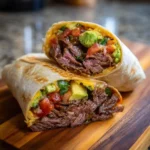
- Assemble the Wrap: Lay a warm tortilla flat. Center ½ cup shredded lettuce, followed by ¾ cup glazed chicken, 2 tbsp shredded carrots, 1 tbsp sliced green onions, and a light sprinkle of toasted sesame seeds. Optional: add ¼ avocado, sliced, or 1 tsp pickled ginger.
- Wrap Tightly: Fold bottom edge up over filling, then fold left and right sides inward. Roll firmly away from you, tucking as you go, applying gentle pressure to compact layers. If desired, secure with parchment paper or foil for portability.
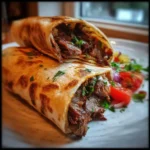
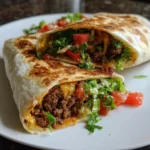
- Serve Immediately: Cut diagonally in half for presentation, or serve whole. Garnish with extra green onions, sesame seeds, and a final whisper of toasted sesame oil.
Tips
- Dry Chicken = Better Sear: Never skip patting marinated chicken completely dry. Excess moisture creates steam instead of Maillard reaction—resulting in gray, boiled-looking meat instead of caramelized, flavorful strips.
- Don’t Overcrowd the Pan: Crowding drops pan temperature, steams instead of sears, and leads to uneven cooking and poor glaze adhesion. Cook in batches—even if it takes 2 extra minutes.
- Reduce, Don’t Boil the Glaze: Simmer the reserved marinade just until syrupy (about 60–90 seconds). Boiling too long causes sugar crystallization and a bitter, overly thick glaze that cracks on cooling.
- Tortilla Temperature Matters: Cold tortillas crack. Overheated ones become rubbery. Warm just until pliable and fragrant—not blistered or stiff.
- Layer Wet Ingredients Last: Always place lettuce *under* chicken, not over it. This creates a moisture barrier preventing soggy tortillas. Save sauces or oils for final drizzle—not mixing into fillings.
- Meal-Prep Smart: Marinate chicken up to 24 hours ahead. Cook chicken and store separately (refrigerated up to 4 days). Assemble wraps *fresh*—never pre-wrap and refrigerate, as lettuce wilts and tortillas absorb moisture.
- Freeze for Later: Freeze uncooked, marinated chicken strips flat on a parchment-lined tray, then transfer to freezer bags (up to 3 months). Thaw overnight in fridge before cooking.
- Taste & Adjust Before Serving: Dip a corner of lettuce into the glaze—check balance. Too salty? Add ¼ tsp rice vinegar. Too sweet? A pinch of black pepper or splash of lime juice helps. Too thin? Simmer 15 seconds longer.
- Use a Splatter Screen: When reducing the glaze, use a mesh splatter screen—it catches flying droplets while letting steam escape, keeping your stovetop pristine.
- Rest the Chicken Briefly: Let cooked chicken rest 2 minutes before glazing—this allows juices to redistribute, yielding moister bites inside the wrap.
Variations and Customizations
The Teriyaki Chicken Wrap thrives on personalization. Below are meticulously tested variations—categorized by dietary need, flavor profile, texture preference, and global inspiration—to empower endless creativity:
Dietary Adaptations
- Gluten-Free: Use tamari instead of soy sauce, certified GF tortillas (brown rice, cassava, or almond flour), and verify mirin is GF (most are, but check labels for barley derivatives).
- Keto/Low-Carb: Skip tortillas entirely—serve as a “Teriyaki Chicken Lettuce Cup” using large butter lettuce or romaine hearts. Boost healthy fats with avocado, macadamia nuts, or tahini drizzle. Replace sugar with 1 tsp monk fruit blend + ½ tsp apple cider vinegar for tang.
- Vegan/Vegetarian: Substitute chicken with extra-firm tofu (pressed & cubed), seitan strips, or king oyster mushrooms (sliced lengthwise and grilled). Marinate same way. Add 1 tsp liquid smoke for depth. Use coconut aminos instead of soy.
- Paleo/Whole30: Replace soy sauce with coconut aminos, omit sugar (use 1 tsp pure maple syrup *only if not strict Whole30*), and use cassava tortillas or nori sheets. Skip sesame oil (not compliant); use avocado oil for cooking and finish with toasted sesame seeds only.
Flavor & Texture Twists
- Pineapple-Teriyaki: Add ¼ cup finely diced fresh pineapple to the glaze in the last 30 seconds of cooking. Its enzymes also gently tenderize chicken—ideal for lean breast cuts.
- Spicy Miso-Teriyaki: Whisk 1 tbsp white miso paste into the marinade. Add 1 tsp gochujang or sambal oelek for layered heat. Garnish with shichimi togarashi.
- Smoky Umami Bomb: Add ½ tsp smoked paprika + 1 tsp nutritional yeast to marinade. Finish with crumbled nori and wasabi aioli (mix 2 tbsp mayo, ½ tsp wasabi paste, 1 tsp rice vinegar).
- Citrus-Zest Brightness: Add 1 tsp yuzu or lemon zest to marinade; replace 1 tsp mirin with fresh yuzu or lemon juice. Top with micro-cilantro and julienned daikon radish.
Global Fusion Editions
- Taco-Teri: Swap tortillas for charred corn tortillas. Add pickled red onions, crumbled cotija, and chipotle-lime crema. Use lime zest in marinade.
- Hawaiian Luau: Layer with grilled pineapple rings, macadamia nuts, and purple cabbage slaw. Drizzle with lilikoi (passionfruit) reduction.
- Korean-Inspired: Add gochugaru to marinade, top with kimchi slaw (napa cabbage, scallions, rice vinegar, sesame oil), and garnish with toasted sesame and nori.
- Mediterranean Teriyaki: Use za’atar-spiced tortillas, add cucumber ribbons, kalamata olives, and tzatziki swirled with ½ tsp teriyaki glaze.
Protein Swaps (Beyond Chicken)
- Salmon Fillet: Skinless, deboned, cut into 1-inch cubes. Marinate 15–20 min max (fish breaks down quickly). Pan-sear gently—don’t overcook. Adds omega-3 richness.
- Beef Flank Steak: Thinly slice against the grain. Marinate 2–4 hours. High-heat sear 60–90 sec per side. Serve with pickled jalapeños and cilantro.
- Shrimp: Large (21/25 count), peeled/deveined. Marinate 10–15 min only. Sear 1–2 min per side. Delicate, fast-cooking, elegant.
- Tempeh: Steam 10 min first to remove bitterness, then marinate and pan-fry until crisp-edged. Earthy, hearty, high-protein plant option.
Health Considerations and Nutritional Value
A well-constructed Teriyaki Chicken Wrap can be a nutritionally dense, balanced meal—rich in lean protein, fiber, antioxidants, and healthy fats—when mindful choices are made. Below is a detailed analysis based on a standard serving (1 wrap with 4 oz chicken breast, 10-inch whole wheat tortilla, 1 cup romaine, ½ cup carrots, 1 tbsp green onions, 1 tsp sesame oil, and 3 tbsp teriyaki glaze):
Nutrition Snapshot (Approximate)
- Calories: 420–480 kcal
- Protein: 32–38 g (65–75% of Daily Value for average adult)
- Total Fat: 14–18 g (mostly unsaturated from sesame oil, avocado, and chicken thigh options)
- Saturated Fat: 2.5–3.5 g (well under 10% DV)
- Carbohydrates: 42–48 g (including 6–8 g dietary fiber from whole wheat tortilla, carrots, and lettuce)
- Sodium: 720–950 mg (varies significantly with soy sauce choice—low-sodium reduces by ~30%)
- Sugars: 12–16 g (naturally occurring from carrots, mirin, and added sugar—can be reduced by 40% using monk fruit or cutting sugar by half)
- Vitamins & Minerals: Excellent source of Vitamin A (carrots, spinach), Vitamin K (lettuce), Vitamin C (bell peppers, scallions), Iron (chicken, spinach), and Selenium (chicken, sesame seeds).
Key Health Considerations
- Sodium Awareness: Traditional teriyaki is sodium-dense. Mitigate by using low-sodium soy/tamari, reducing added salt elsewhere, rinsing canned ingredients (if used), and balancing with potassium-rich veggies (spinach, avocado, tomatoes).
- Sugar Mindfulness: Mirin and added sugar contribute ~10g per wrap. Opt for naturally lower-sugar versions: reduce sugar by 50%, use ripe banana puree (1 tbsp) for subtle sweetness + fiber, or choose “no-sugar-added” mirin alternatives.
- Glycemic Impact: With whole-grain tortillas and high-fiber vegetables, this wrap has moderate glycemic load (~45–50). For lower GL: swap to lettuce wrap, add ¼ avocado (monounsaturated fats slow glucose absorption), or include 1 tbsp pumpkin seeds (magnesium supports insulin sensitivity).
- Food Safety: Never reuse raw marinade. Discard after contact with uncooked poultry. Always cook chicken to 165°F (74°C) and use separate cutting boards/utensils for raw and cooked items.
- Allergen Notes: Contains soy, gluten (unless substituted), sesame, and optionally shellfish (if using shrimp). Always label for guests with allergies—especially important for school lunches or office potlucks.
- Heart-Healthy Swaps: Replace refined flour tortillas with sprouted grain or lentil-based wraps; use avocado oil instead of vegetable oil; emphasize omega-3s with salmon or flaxseed garnish.
- Gut Health Boost: Add fermented elements: kimchi, sauerkraut, or quick-pickled vegetables (carrots + daikon in rice vinegar/ginger) to support microbiome diversity.
Who Benefits Most?
This wrap shines for active individuals needing sustained energy, busy professionals seeking nutrient-dense convenience, post-workout recovery meals (3:1 carb-to-protein ratio ideal), children’s lunchboxes (cut into pinwheels for fun), and seniors seeking soft, flavorful, protein-rich meals that support muscle maintenance. Its modularity also makes it ideal for intuitive eating—honoring hunger cues while offering satiating protein and fiber.
Ingredients
- 1 lb (450 g) boneless, skinless chicken breast or thighs, cut into ½-inch strips
- ¼ cup low-sodium soy sauce (or tamari for gluten-free)
- 3 tbsp mirin (unseasoned, real mirin preferred)
- 2 tbsp granulated sugar (or brown sugar for deeper flavor)
- 1 tbsp freshly grated ginger (about 1-inch knob)
- 2 cloves garlic, minced
- 1 tsp unseasoned rice vinegar
- ½ tsp toasted sesame oil (for marinade—do not heat)
- 1 tbsp neutral cooking oil (avocado, grapeseed, or peanut)
- 10-inch soft flour tortillas (whole wheat, spinach, or gluten-free alternatives)
- 2 cups chopped romaine or butter lettuce, washed and thoroughly dried
- ½ cup shredded carrots (use a box grater)
- 2 green onions, thinly sliced (white and green parts)
- 1 tbsp toasted white or black sesame seeds
- Optional: ¼ ripe avocado, sliced • 1 tsp pickled ginger • 1 tbsp sriracha-mayo (mix 2 tsp mayo + ½ tsp sriracha)
Directions
- In a medium bowl, whisk together soy sauce, mirin, sugar, grated ginger, minced garlic, rice vinegar, and ½ tsp toasted sesame oil until sugar fully dissolves. Set aside 2 tablespoons of this mixture for the glaze.
- Place chicken strips in a gallon-sized resealable bag. Pour in remaining marinade, seal tightly, and massage gently to coat. Refrigerate for 30 minutes (minimum) to 4 hours (ideal). Do not exceed 24 hours.
- While chicken marinates, prepare vegetables: shred carrots, slice green onions, wash and spin-dry lettuce, and toast sesame seeds in a dry skillet over medium-low heat for 1–2 minutes until fragrant and golden—cool completely.
- Heat 1 tablespoon neutral oil in a large nonstick or stainless-steel skillet over medium-high heat until shimmering. Remove chicken from marinade (discard marinade) and pat *extremely* dry with paper towels.
- Add chicken in a single layer (cook in batches if needed). Sear undisturbed for 2–3 minutes until deeply golden on one side. Flip and cook 2–3 minutes more, until internal temperature reaches 165°F (74°C) and juices run clear. Transfer to a clean plate.
- Reduce heat to medium-low. Pour reserved 2 tablespoons marinade into the hot skillet. Scrape up all browned bits with a wooden spoon. Simmer 60–90 seconds until glossy and slightly thickened.
- Return chicken to skillet. Toss gently to coat in glaze. Cook 30 seconds more—just to heat through and set the sheen. Remove from heat.
- Warm tortillas: Heat each in a dry skillet for 10–15 seconds per side until soft and pliable—or wrap 4 in damp paper towels and microwave for 20 seconds.
- Assemble: Lay a warm tortilla flat. Layer ½ cup lettuce in center, followed by ¾ cup glazed chicken, 2 tablespoons shredded carrots, 1 tablespoon green onions, and a light sprinkle of toasted sesame seeds. Add optional avocado or pickled ginger now.
- Wrap tightly: Fold bottom edge up over filling, fold left and right sides inward, then roll firmly away from you, tucking tightly as you go. If packing for later, wrap in parchment paper or foil.
- Cut diagonally in half and serve immediately. Garnish with extra green onions, sesame seeds, and a final drizzle of toasted sesame oil.
FAQ
- Can I make this recipe ahead of time?
- Yes—with smart staging. Marinate chicken up to 24 hours ahead and cook it up to 4 days ahead. Store chicken and vegetables separately in airtight containers. Assemble wraps *immediately* before eating to prevent sogginess. For meal prep: portion cooked chicken, prepped veggies, and tortillas into labeled containers—assemble in under 90 seconds per wrap.
- Why does my teriyaki glaze turn out thin or watery?
- Three common causes: (1) Not reducing the reserved marinade long enough—simmer until it coats the back of a spoon and leaves a trail when dragged with a finger; (2) Using too much marinade in the pan—stick to the exact 2 tbsp reserved amount; (3) Adding cold chicken to warm glaze—always let seared chicken rest 2 minutes so residual heat gently warms the glaze without shocking it.
- Can I bake or air-fry the chicken instead of pan-searing?
- Absolutely. For baking: arrange marinated, patted-dry chicken on a parchment-lined sheet pan. Bake at 425°F (220°C) for 14–16 minutes, flipping halfway, until 165°F. For air frying: cook at 375°F (190°C) for 10–12 minutes, shaking basket at 6 minutes. Finish with glaze in skillet as directed—baking alone won’t give that signature lacquered sheen.
- What’s the best tortilla to prevent cracking?
- Look for “soft taco” or “street taco” style flour tortillas—they contain more shortening or lard for pliability. Brands like Mission Carb Balance or La Banderita Whole Wheat hold up exceptionally well. For gluten-free,