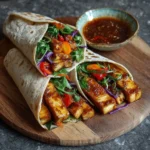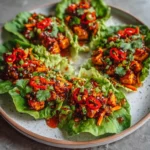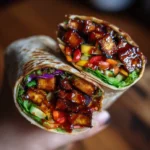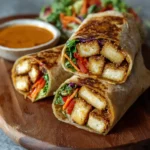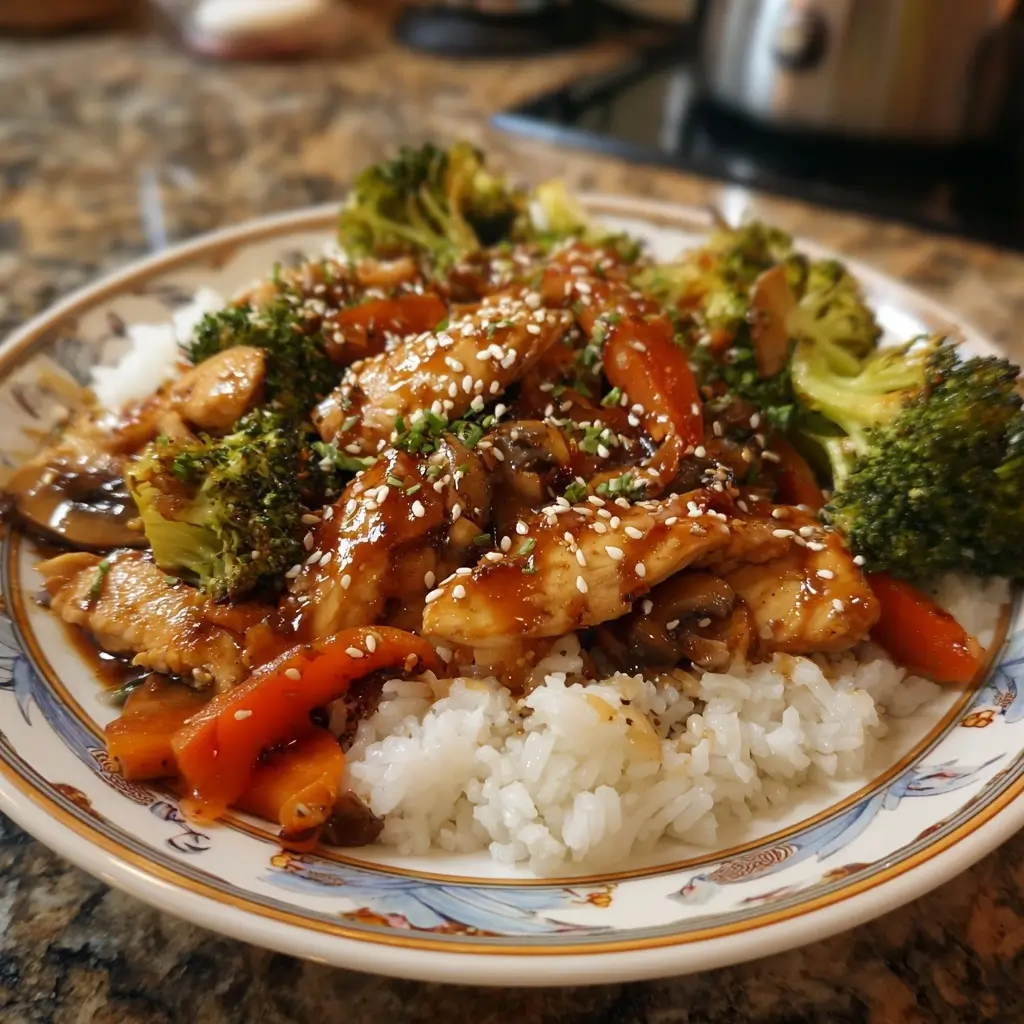
Teriyaki Chicken Stir Fry: A Flavorful Fusion of Sweet, Savory, and Umami
Indulge in the vibrant and satisfying world of Teriyaki Chicken Stir Fry—a dish that perfectly balances sweet, salty, and savory flavors with tender chicken, crisp vegetables, and a glossy, aromatic sauce. Originating from Japanese culinary traditions and later embraced and adapted across North America and beyond, this stir fry has become a staple in home kitchens and restaurants alike. Whether you’re cooking for your family on a busy weeknight or hosting guests who appreciate bold Asian-inspired flavors, Teriyaki Chicken Stir Fry delivers both ease and elegance. In this comprehensive guide, we’ll explore its history, break down every ingredient, provide detailed step-by-step instructions, offer expert tips, suggest creative variations, analyze nutritional benefits, answer common questions, and wrap it all up with a concise summary. Let’s dive into one of the most beloved dishes in modern fusion cuisine.
The History of Teriyaki Chicken Stir Fry
The roots of teriyaki trace back to Japan, where “teri” means luster or shine and “yaki” refers to grilling or broiling—so teriyaki literally translates to “shiny grill.” Originally, teriyaki was a cooking technique developed during the Edo period (1603–1868), used primarily for fish like salmon or mackerel. The method involved broiling or grilling proteins basted with a glaze made from soy sauce, mirin (sweet rice wine), and sugar, resulting in a beautiful sheen and rich umami flavor.
Over time, the teriyaki style evolved and spread beyond Japan. When Japanese immigrants brought their culinary traditions to Hawaii in the late 19th and early 20th centuries, they began adapting recipes using locally available ingredients. It was in Hawaii that teriyaki started being applied more frequently to chicken, beef, and pork. American servicemen stationed in the Pacific during and after World War II were introduced to these flavors and brought them back to the mainland United States.
In mid-20th century America, especially during the rise of tiki culture and interest in Pan-Asian cuisine, teriyaki gained popularity. Chefs began incorporating stir-frying techniques influenced by Chinese cooking, blending them with the Japanese teriyaki glaze. This fusion gave birth to what we now know as Teriyaki Chicken Stir Fry—a quick-cooked dish combining marinated or sauced chicken with fresh vegetables, all tossed together at high heat for maximum flavor and texture contrast.
Today, Teriyaki Chicken Stir Fry is not only found in Asian fusion restaurants but also celebrated in frozen meals, meal kits, and supermarket sauces. Its global appeal lies in its simplicity, balanced taste, and adaptability to various dietary preferences and cultural palates.
Ingredients Breakdown: What Makes Teriyaki Chicken Stir Fry So Delicious?
The magic of Teriyaki Chicken Stir Fry comes from a harmonious blend of ingredients that contribute sweetness, saltiness, acidity, aroma, and texture. Below is a detailed breakdown of each component:
- Chicken Breast or Thighs: Boneless, skinless chicken breasts are commonly used for their lean profile and mild flavor that absorbs marinades well. However, chicken thighs can be substituted for a juicier, richer result due to their higher fat content.
- Soy Sauce: The backbone of the teriyaki sauce, soy sauce provides deep umami and saltiness. Use low-sodium soy sauce if you want better control over salt levels. For gluten-free versions, tamari is an excellent alternative.
- Mirin: A sweet Japanese rice wine that adds subtle sweetness and helps create the signature glossy finish. If unavailable, a mix of dry sherry and sugar can mimic its effect, though authentic mirin yields superior results.
- Sugar: Usually granulated white sugar or brown sugar enhances sweetness and aids caramelization when seared. Honey or maple syrup may also be used for natural sweetness and added depth.
- Rice Vinegar: Adds brightness and slight acidity to balance the richness of the sauce. It cuts through the sweetness and prevents the dish from becoming cloying.
- Garlic and Ginger: Freshly minced garlic and grated ginger form the aromatic base, providing warmth, pungency, and complexity. These two ingredients elevate the entire flavor profile and are essential in most Asian stir fries.
- Sesame Oil: Used sparingly (often just a drizzle at the end), toasted sesame oil imparts a nutty, fragrant finish that defines many East Asian dishes.
- Cooking Oil: A neutral high-heat oil such as vegetable, canola, avocado, or peanut oil is ideal for stir-frying without burning.
- Cornstarch: Acts as a thickening agent for the sauce, giving it a velvety consistency that clings beautifully to the chicken and vegetables.
- Vegetables: Common choices include bell peppers (red, yellow, green), broccoli florets, snap peas, carrots, mushrooms, onions, zucchini, and baby corn. Choose colorful, crisp vegetables for visual appeal and textural variety.
- Green Onions and Sesame Seeds: Used as garnishes, they add freshness, color contrast, and a pleasant crunch.
Step-by-Step Recipe: How to Make Perfect Teriyaki Chicken Stir Fry at Home
Preparation Time:
20 minutes | Cooking Time: 15 minutes | Total Time: 35 minutes
Servings: 4 | Diet: Gluten-Free (with substitutions), Dairy-Free, Nut-Free (check labels)
Ingredients
For the Teriyaki Sauce:
- ½ cup low-sodium soy sauce (or tamari for gluten-free)
- ¼ cup mirin (Japanese sweet rice wine)
- 2 tablespoons granulated sugar (or honey/maple syrup)
- 1 tablespoon rice vinegar
- 1 teaspoon cornstarch
- 2 cloves garlic, finely minced
- 1 tablespoon fresh ginger, grated
For the Stir Fry:
- 1 lb (450g) boneless, skinless chicken breasts or thighs, cut into 1-inch cubes
- 2 tablespoons neutral cooking oil (vegetable, canola, or avocado), divided
- 1 red bell pepper, sliced
- 1 yellow bell pepper, sliced
- 1½ cups broccoli florets
- 1 medium carrot, julienned or thinly sliced
- ½ cup snap peas, trimmed
- 4 oz (about 1 cup) mushrooms, sliced (shiitake or button)
- 2 green onions, sliced (white and green parts separated)
- 1 teaspoon toasted sesame oil
- Sesame seeds and extra green onions for garnish
- Cooked white rice, brown rice, or cauliflower rice (for serving)
Directions
- Prepare the Teriyaki Sauce: In a small bowl, whisk together soy sauce, mirin, sugar, rice vinegar, cornstarch, garlic, and ginger until the sugar and cornstarch are fully dissolved. Set aside. You can make this ahead of time and refrigerate for up to 1 week.
- Marinate the Chicken (Optional): While not traditional in all recipes, marinating the chicken in about ¼ cup of the teriyaki sauce for 15–30 minutes enhances flavor and tenderness. Keep the rest for cooking.
- Blanch Broccoli (Optional Step for Crisp-Tender Texture): Bring a pot of water to boil, add broccoli florets, and blanch for 1–2 minutes. Immediately transfer to ice water to stop cooking. Drain and set aside. This ensures bright green, evenly cooked broccoli in the final dish.
- Stir-Fry the Chicken: Heat 1 tablespoon of cooking oil in a large wok or heavy-bottomed skillet over medium-high heat. Add the chicken pieces in a single layer (work in batches if needed to avoid overcrowding). Cook for 5–6 minutes, stirring occasionally, until golden brown and cooked through. Remove chicken and set aside.
- Cook the Aromatics: In the same pan, add another tablespoon of oil if needed. Add the white parts of the green onions, garlic, and ginger (if not already in sauce), and sauté for 30 seconds until fragrant.
- Stir-Fry the Vegetables: Add the harder vegetables first—carrots and bell peppers—and stir-fry for 2 minutes. Then add softer vegetables like mushrooms, snap peas, and broccoli. Stir-fry for another 3–4 minutes until vegetables are tender-crisp. Avoid overcooking to maintain texture and nutrients.
- Add the Sauce: Pour the prepared teriyaki sauce into the pan with the vegetables. Stir constantly as the sauce heats and begins to bubble. Within 1–2 minutes, the sauce will thicken into a glossy glaze due to the cornstarch activation.
- Combine Chicken and Sauce: Return the cooked chicken to the pan. Toss everything together gently to coat evenly with the sauce. Let simmer for 1–2 minutes so the chicken reabsorbs some of the sauce and flavors meld.
- Finish with Sesame Oil: Turn off the heat and drizzle with toasted sesame oil. Stir once more to infuse the dish with its rich, nutty aroma.
- Serve Immediately: Spoon the Teriyaki Chicken Stir Fry over steamed rice. Garnish with sliced green onions and a sprinkle of sesame seeds. Serve hot.
Tips for the Best Teriyaki Chicken Stir Fry
- High Heat is Key: Stir-frying requires high temperatures to achieve the signature sear and prevent steaming. Preheat your wok or skillet thoroughly before adding oil and ingredients.
- Don’t Overcrowd the Pan: Cooking too many items at once lowers the temperature and causes food to steam instead of fry. Work in batches if necessary, especially when browning chicken.
- Uniform Cutting: Cut chicken and vegetables into similar sizes to ensure even cooking. This avoids undercooked peppers alongside mushy zucchini.
- Use Fresh Garlic and Ginger: Avoid pre-minced or powdered versions—they lack the punch and freshness crucial to authentic flavor.
- Thicken Sauce Properly: Ensure the sauce reaches a gentle boil after adding it to the pan. Cornstarch needs heat to activate and thicken; otherwise, the sauce will remain thin and watery.
- Baste for Extra Shine: After plating, spoon extra warm sauce over the top for a restaurant-quality glossy appearance.
- Customize Your Veggies: Feel free to swap in bok choy, cabbage, water chestnuts, bamboo shoots, or baby spinach based on seasonality and preference.
- Make It Ahead: Prepare the sauce and chop all ingredients in advance. Store separately in the fridge for quick weekday assembly.
- Avoid Burning Sugar: Since the sauce contains sugar, monitor closely during the final stages. Burnt teriyaki turns bitter quickly.
- Add Pineapple for Authentic Touch: Some Hawaiian-style teriyaki dishes include pineapple chunks for sweetness and tang—great for balancing heavier flavors.
Variations and Customizations
One of the greatest strengths of Teriyaki Chicken Stir Fry is its versatility. Here are several ways to customize the dish for different tastes, diets, and occasions:
- Protein Swaps: Replace chicken with thinly sliced beef (like flank steak), pork tenderloin, shrimp, tofu, tempeh, or even salmon for alternate protein sources.
- Vegetarian/Vegan Version: Omit chicken and use extra-firm tofu or seitan. Use maple syrup instead of honey and verify that your soy sauce and mirin are vegan-friendly (some contain bonito or animal derivatives).
- Spicy Teriyaki: Add 1–2 teaspoons of sriracha, chili garlic sauce, or red pepper flakes to the sauce for a fiery kick. Top with sliced jalapeños before serving.
- Pineapple Teriyaki Stir Fry: Inspired by Hawaiian plate lunches, add fresh or canned pineapple chunks during the last minute of cooking for a sweet-tart twist.
- Low-Sugar Option: Reduce or omit added sugar and use a sugar substitute like monk fruit or erythritol. Alternatively, rely on the natural sweetness of mirin and vegetables.
- Gluten-Free Adaptation: Use tamari instead of soy sauce and confirm that other ingredients (like mirin) are certified gluten-free. Serve over rice noodles or quinoa for a complete GF meal.
- Keto-Friendly Adjustments: Skip sugar and use a keto-approved sweetener like allulose. Thicken with xanthan gum instead of cornstarch. Serve over cauliflower rice or shirataki noodles.
- Extra Umami Boost: Add a splash of fish sauce, oyster sauce, or a teaspoon of miso paste to deepen the savory notes.
- Noodle Stir Fry Version: Toss cooked soba, udon, or ramen noodles directly into the stir fry for a heartier main course.
- Bowls and Meal Prep: Layer over rice with kimchi, pickled vegetables, nori strips, avocado slices, and a soft-boiled egg for a nourishing grain bowl. Stores well in the fridge for up to 4 days.
Health Considerations and Nutritional Value
When prepared mindfully, Teriyaki Chicken Stir Fry can be a nutritious and balanced meal. Let’s examine its health aspects:
Nutritional Profile (Per Serving, Approximate):
- Calories: ~380 kcal
- Protein: 30g (supports muscle repair and satiety)
- Fat: 10g (mostly unsaturated from healthy oils)
- Carbohydrates: 35g (includes sugars from sauce and natural carbs from veggies)
- Sodium: ~900mg (can vary significantly depending on soy sauce choice)
- Fiber: 4g (from vegetables and optional whole grains)
- Vitamins & Minerals: Rich in Vitamin C (bell peppers, broccoli), Vitamin A (carrots), potassium, iron, and B vitamins (chicken).
Health Benefits:
- Lean Protein Source: Chicken breast offers high-quality protein with minimal saturated fat, promoting fullness and metabolic health.
- Antioxidant-Rich Vegetables: Colorful produce contains phytonutrients and antioxidants that support immune function and reduce inflammation.
- Ginger and Garlic: Known for anti-inflammatory, antimicrobial, and digestive properties.
- Low in Saturated Fat: Especially when using lean cuts and minimal oil.
Considerations and Modifications:
- Sodium Content: Traditional soy sauce is high in sodium. Opt for reduced-sodium versions or dilute regular soy sauce with water. Rinsing canned vegetables (if used) also reduces salt.
- Sugar Levels: Store-bought teriyaki sauces often contain excessive sugar. Making your own allows precise control over sweetness.
- Balancing Carbs: Pair with brown rice, quinoa, or cauliflower rice to manage glycemic load.
- Allergens: Soy and wheat (in regular soy sauce) are common allergens. Always label accordingly for guests.
- Oils Used: Choose heart-healthy oils like avocado or peanut oil with high smoke points and beneficial fats.
Frequently Asked Questions (FAQ)
Can I use store-bought teriyaki sauce?
Yes, you can substitute homemade sauce with bottled teriyaki sauce. However, many commercial brands contain preservatives, artificial colors, and high amounts of sugar and sodium. Check the label and consider adjusting additional salt or sweeteners in your recipe accordingly.
Can I freeze Teriyaki Chicken Stir Fry?
Yes, it freezes well for up to 3 months. Store in airtight containers. Reheat gently on the stovetop or microwave, adding a splash of water or broth to refresh the sauce. Note: vegetables may soften slightly upon thawing.
Why did my sauce turn out too thin or too thick?
If too thin, the sauce didn’t reach a sufficient boil for cornstarch activation—simmer longer. If too thick, add a few tablespoons of water, broth, or rice wine and reheat gently to loosen.
Can I cook this in a slow cooker?
While not ideal for achieving the stir-fry texture, you can prepare components in a slow cooker. Brown chicken first, then add sauce and vegetables. Cook on low for 4–6 hours. Finish by reducing sauce on the stove and adding sesame oil.
Is teriyaki sauce gluten-free?
Not always. Regular soy sauce contains wheat. To make it gluten-free, use tamari or certified gluten-free soy sauce and verify mirin doesn’t contain additives.
What rice pairs best with Teriyaki Chicken Stir Fry?
Steamed jasmine rice, sushi rice, or brown rice are classic pairings. For lower carbs, try cauliflower rice, shirataki noodles, or quinoa.
Can I make this dairy-free and nut-free?
Yes! This recipe is naturally dairy-free. Most ingredients are nut-free, but double-check labels on soy sauce, mirin, and oils to ensure no cross-contamination if allergies are severe.
How do I prevent soggy vegetables?
Use high heat, avoid overcrowding, and don’t overcook. Blanch denser veggies like broccoli briefly beforehand, then finish quickly in the wok. Also, ensure your pan is hot before adding ingredients.
Can I use frozen vegetables?
You can, but thaw and drain them completely to prevent excess moisture. Fresh vegetables yield better texture and flavor, but frozen work in a pinch—especially mixed stir-fry blends.
Can I make this in an air fryer?
The air fryer works well for cooking the chicken (toss in sauce halfway through), but vegetables still benefit from stovetop stir-frying for even coating and proper texture. Combine methods for best results.
Summary
Teriyaki Chicken Stir Fry is a delicious, adaptable dish rooted in Japanese tradition and elevated by global culinary influences. With its glossy sauce, tender chicken, and vibrant vegetables, it brings bold flavors to your table in under 40 minutes.
Nutritious, customizable, and perfect for meal prep, this stir fry satisfies diverse palates while offering endless opportunities for creativity in the kitchen—making it a timeless favorite for home cooks worldwide.