Introduction
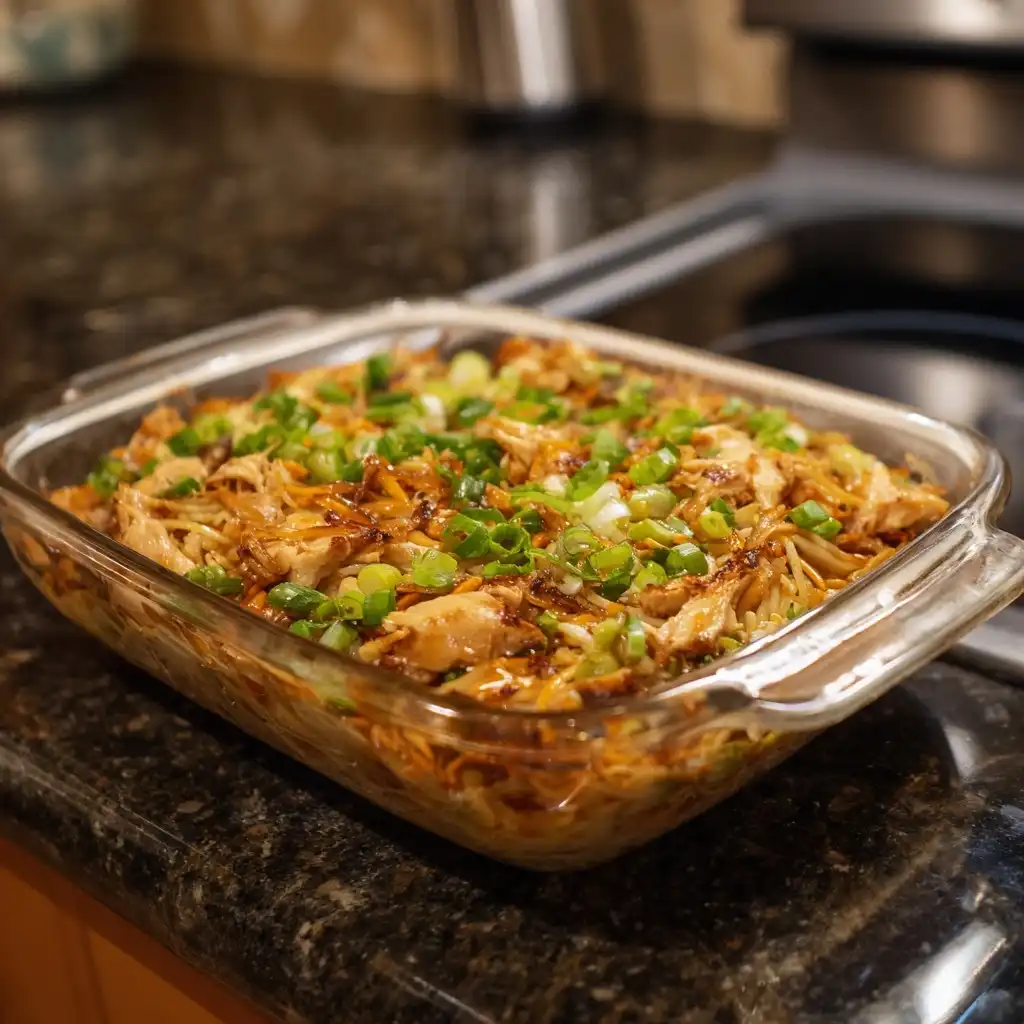
Teriyaki Chicken Casserole is a beloved modern comfort dish that masterfully bridges the bold, umami-rich flavors of Japanese teriyaki with the hearty, oven-baked familiarity of American casserole tradition. Unlike traditional casseroles that rely heavily on canned soups or heavy dairy binders, this version elevates the genre with a house-made, glossy teriyaki glaze—simmered to deep caramelized perfection—and tender, marinated chicken breast or thigh nestled in layers of savory aromatics, tender-crisp vegetables, and creamy, slightly tangy rice or noodle base. It’s a weeknight savior that feels special enough for Sunday dinner, family gatherings, or potluck contributions—and one that consistently earns rave reviews for its balance of sweet, salty, savory, and subtle warmth. Whether you’re new to Japanese-inspired cooking or a seasoned home chef seeking a reliable, scalable, and crowd-pleasing centerpiece, this casserole delivers restaurant-quality depth without restaurant-level complexity.
The History
The origins of Teriyaki Chicken Casserole are not rooted in centuries-old culinary lineage—but rather in the delicious, inevitable evolution of cross-cultural fusion cuisine in mid-to-late 20th-century America. Teriyaki itself traces back to Japan’s Edo period (1603–1868), where “teri” (luster or shine) and “yaki” (grill or broil) described a cooking technique involving simmering proteins in a soy-based glaze until glossy and deeply flavorful. Japanese immigrants brought teriyaki to Hawaii in the late 1800s, where it adapted to local ingredients—adding pineapple juice, brown sugar, and ginger—giving rise to the now-iconic Hawaiian teriyaki style. By the 1950s and ’60s, as Japanese-American restaurants proliferated across the mainland U.S., teriyaki chicken gained national popularity—especially after being featured in early TV cooking segments and Betty Crocker publications.
Meanwhile, the American casserole rose to prominence during the Great Depression and WWII as an economical, make-ahead, one-dish meal utilizing pantry staples, leftovers, and affordable proteins. The postwar era cemented its status via Jell-O salads, tuna-noodle bakes, and green-bean casseroles—all emblematic of convenience-driven home cooking. Teriyaki Chicken Casserole emerged organically in the 1980s and ’90s, as home cooks began experimenting with global flavors in familiar formats: swapping condensed soup for reduced homemade teriyaki sauce, replacing canned mushrooms with fresh shiitakes or bell peppers, and integrating brown rice or soba noodles for texture and nutrition. Food bloggers, Southern Living magazine features, and viral Pinterest pins in the 2010s further catapulted its popularity—transforming it from a regional kitchen experiment into a nationally recognized staple, often appearing under names like “Teriyaki Baked Chicken Rice Bake,” “Soy-Ginger Chicken Casserole,” or “Umami Oven-Baked Chicken.” Its enduring appeal lies precisely in this hybrid identity: honoring tradition while embracing adaptability, depth while delivering ease.
Ingredients Breakdown
Every exceptional Teriyaki Chicken Casserole begins with intentionality—not just in measurement, but in ingredient quality, timing, and synergy. Below is a comprehensive, chef-informed breakdown of each component, including why it matters and what to look for:
- Chicken Breast or Thighs: Boneless, skinless chicken breasts offer lean tenderness but can dry out if overcooked; thighs provide richer flavor, more forgiving moisture retention, and deeper umami absorption. For best results, use uniform 1-inch cubes or thin cutlets—never whole breasts placed raw into the casserole dish. Brining (15 minutes in 1% saltwater) or quick marinade (even 20 minutes) significantly improves juiciness and seasoning penetration.
- Soy Sauce (Low-Sodium Preferred): The foundational salty-umami backbone. Opt for naturally brewed, non-GMO soy sauce (e.g., Kikkoman Less Sodium or San-J Tamari for gluten-free). Avoid “teriyaki marinade” blends laden with corn syrup and artificial flavors—they lack complexity and burn easily. Dark soy sauce (1 tsp) may be added for color and molasses-like depth, but use sparingly.
- Mirin: A mildly sweet, low-alcohol Japanese rice wine essential for authentic teriyaki sheen and subtle sweetness. Do not substitute with rice vinegar + sugar—it lacks the nuanced fermentation notes and viscosity. Look for hon-mirin (“true mirin”) with <1% alcohol; avoid “mirin-style seasoning” which contains corn syrup and salt.
- Real Maple Syrup or Pure Brown Sugar: Provides balanced sweetness and caramelization. Maple syrup adds mineral complexity and a gentle woodsy note; dark brown sugar contributes molasses depth and thickening power. Avoid pancake syrups or white sugar—they lack body and can crystallize or scorch.
- Fresh Ginger & Garlic: Non-negotiable for aromatic brightness and pungent warmth. Grate ginger on a microplane (not pre-minced jarred) for maximum volatile oil release. Mince garlic just before use—pre-chopped versions lose allicin potency and develop bitter undertones when baked.
- Rice Vinegar or Unseasoned Rice Vinegar: Adds bright acidity to cut through richness and round out the sauce. Never use seasoned rice vinegar (already sweetened/salted)—it throws off the delicate flavor equilibrium.
- Sesame Oil (Toasted): Used *after* baking or as a finishing drizzle—not for sautéing (its smoke point is low). Imparts nutty, roasted aroma that defines authentic Japanese-American flavor profiles.
- Vegetables: Bell peppers (red/yellow for sweetness), shiitake or cremini mushrooms (for meaty umami), broccoli florets (blanched briefly for texture retention), and scallions (added fresh at the end) create layered texture and nutrient density. Frozen vegetables may be used *only if fully thawed and patted dry*—excess water dilutes sauce and creates steam instead of caramelization.
- Base Component: While many recipes default to white rice, elevated versions use brown jasmine rice (nutty, fragrant), cauliflower rice (low-carb, high-fiber), or even udon or soba noodles (toasted in sesame oil first for chew and flavor adhesion). The base must be *fully cooked and cooled slightly* before layering—otherwise, it releases excess starch and turns gummy during baking.
- Thickener (Optional but Recommended): A slurry of 1 tsp cornstarch + 1 tbsp cold water—or arrowroot for paleo/GF—ensures the teriyaki glaze clings luxuriously to every bite without pooling or separating. Simmered 1–2 minutes before assembling, it transforms from liquid to lacquer.
- Garnishes: Toasted sesame seeds (white or black), thinly sliced scallion greens, pickled ginger ribbons, and micro cilantro or shiso leaves aren’t mere decoration—they restore brightness, crunch, and aromatic lift lost during baking.
Step-by-Step Recipe
- Prep & Marinate (20–30 minutes, plus optional 1–4 hours): Cube 1.5 lbs boneless, skinless chicken thighs (or breasts) into 1-inch pieces. In a bowl, combine ¼ cup low-sodium soy sauce, 2 tbsp mirin, 1 tbsp maple syrup, 1 tbsp grated fresh ginger, 2 minced garlic cloves, 1 tsp rice vinegar, and ½ tsp black pepper. Add chicken, toss thoroughly, and refrigerate uncovered for 20 minutes (or covered up to 4 hours—do not exceed overnight, as acid and salt will begin to “cook” the surface).
- Prepare the Base (15 minutes): Cook 3 cups cooked brown jasmine rice (or 12 oz cooked udon noodles, rinsed and tossed with 1 tsp toasted sesame oil). Let cool slightly—warm rice absorbs too much sauce; cold rice becomes gummy. Alternatively, pulse 1 large head cauliflower into rice-sized bits and sauté in 1 tbsp sesame oil + 1 tsp tamari for 6–8 minutes until tender-crisp and golden at edges.
- Make the Teriyaki Glaze (10 minutes): In a small saucepan, combine ⅓ cup low-sodium soy sauce, 3 tbsp mirin, 3 tbsp pure maple syrup, 1 tbsp grated ginger, 2 minced garlic cloves, 1 tsp rice vinegar, and ½ tsp red pepper flakes (optional). Bring to a gentle simmer over medium heat. In a separate cup, whisk 1 tsp cornstarch + 1 tbsp cold water until smooth; stir into simmering sauce. Reduce heat to low and cook, stirring constantly, for 2–3 minutes until thickened to a glossy, coat-the-back-of-a-spoon consistency. Remove from heat and set aside—do not let it cool completely, as it will thicken further.
- Sauté Aromatics & Vegetables (8–10 minutes): Heat 1 tbsp neutral oil (avocado or grapeseed) in a large skillet over medium-high. Add 1 diced red bell pepper, 8 oz sliced shiitake mushrooms, and 2 cups small broccoli florets. Sauté 5–6 minutes until peppers soften and mushrooms release liquid and begin to brown. Stir in 2 green onions (chopped, whites only) and 1 tsp toasted sesame oil—cook 1 minute more. Remove from heat and set aside.
- Combine & Layer (5 minutes): In a large mixing bowl, gently fold together the marinated chicken (reserving all marinade), sautéed vegetables, and cooled rice/noodle/cauliflower base. Pour in the warm teriyaki glaze and fold with a silicone spatula until evenly distributed—no dry pockets, no pooling. Taste a tiny piece (ensure chicken is cooked if sampling raw-marinated portion) and adjust with a splash of rice vinegar (for brightness) or pinch of brown sugar (for balance).
- Transfer & Bake (35–45 minutes): Transfer mixture to a lightly greased 9×13-inch ceramic or glass baking dish (avoid metal for even heating). Smooth top with spatula. Cover tightly with aluminum foil (tent slightly to prevent sticking). Bake at 375°F (190°C) for 25 minutes. Remove foil, rotate dish, and bake uncovered for 10–20 minutes more—until internal temperature reaches 165°F (74°C) *in multiple spots*, edges bubble vigorously, and top develops light caramelized spots. Avoid overbaking—chicken dries rapidly past 165°F.
- Rest & Finish (10 minutes): Remove from oven and let rest, uncovered, for 10 minutes—this allows residual heat to finish cooking, redistributes juices, and lets the sauce settle into the base. Just before serving, drizzle with 1 tsp toasted sesame oil, sprinkle generously with toasted white and black sesame seeds, and garnish with sliced scallion greens and optional pickled ginger.
Tips
- Texture Is Everything: Overcrowding the pan during sautéing steams vegetables instead of searing them. Cook in batches if needed—golden edges = concentrated flavor.
- Marinade ≠ Sauce: Never pour raw chicken marinade directly into the casserole. Either discard it or bring it to a full rolling boil for 2+ minutes before adding to glaze—food safety is non-negotiable.
- Thermometer Essential: Visual cues fail with chicken in casseroles. Use an instant-read thermometer: insert into thickest chicken piece *and* near center of dish. 165°F is safe; 160°F followed by 5-minute rest is ideal for juiciness (per USDA guidelines).
- Layer Smartly: If using cheese (see Variations), add it *only in last 5 minutes*—otherwise, it separates, becomes rubbery, or sinks. Same for delicate herbs—add post-bake.
- Prevent Soggy Bottoms: Ensure your rice or noodle base is fully drained and cooled—not wet or steaming. Excess moisture = mushy casserole and diluted sauce.
- Cool Before Storing: Never refrigerate hot casserole in its dish—it continues cooking, overcooks chicken, and promotes condensation. Cool on wire rack for 20 minutes, then portion into airtight containers.
- Reheat Like a Pro: Microwave reheating dries out chicken. Instead, reheat covered in 350°F oven for 15–20 minutes with 1 tbsp broth or water sprinkled on top—or steam gently in a covered skillet over low heat with splash of teriyaki sauce.
- Batch & Freeze Strategically: Assemble *unbaked* casserole in freezer-safe dish, cover tightly with foil + plastic wrap, freeze up to 3 months. Thaw overnight in fridge, then bake as directed—add 5–10 extra minutes if going straight from fridge to oven.
Variations and Customizations
This casserole is endlessly adaptable—whether accommodating dietary needs, seasonal produce, pantry limitations, or global flavor twists. Here’s how to personalize it with confidence:
- Gluten-Free: Use certified GF tamari instead of soy sauce, ensure mirin is GF (most are), and verify rice/noodles are GF-certified. Skip wheat-based thickeners—use arrowroot or tapioca starch.
- Low-Carb/Keto: Replace rice with riced cauliflower (sautéed until dry), add extra mushrooms and zucchini noodles (spiralized and salted/drained), and boost fat with ¼ cup chopped macadamia nuts or cashews folded in before baking.
- Vegan/Vegetarian: Substitute chicken with extra-firm pressed tofu (cubed, marinated 30+ min, air-fried or pan-seared until golden), tempeh “bacon” strips, or king oyster mushroom “scallops.” Use coconut aminos instead of soy, and add 1 tbsp nutritional yeast to glaze for cheesy umami depth.
- Spicy Umami Boost: Stir 1–2 tsp gochujang (Korean chili paste) into glaze, or add ½ tsp Sichuan peppercorns (toasted & ground) to marinade. Top with pickled jalapeños or Fresno chilies.
- Pineapple-Teriyaki Twist: Fold in ¾ cup unsweetened crushed pineapple (well-drained) with vegetables—adds tropical brightness and natural bromelain tenderizer. Pair with coconut rice base and toasted coconut flakes.
- “Everything Bagel” Fusion: Mix 2 tbsp everything bagel seasoning into glaze before baking, and top with additional sprinkle + cream cheese dollops (added last 3 minutes) for a New York–meets–Tokyo surprise.
- Meal-Prep Powerhouse: Divide unbaked casserole into 6 individual 2-cup ceramic ramekins. Bake 30–35 minutes. Freeze extras uncooked—label with date and bake-from-frozen instructions (+10–15 min).
- Sheet-Pan Shortcut: Skip casserole dish entirely. Toss marinated chicken and veggies with 2 tbsp teriyaki glaze, roast at 425°F on parchment-lined sheet pan 20–25 min, then toss with remaining glaze and cooked rice in bowl. Faster, crisper, less cleanup.
Health Considerations and Nutritional Value
A well-crafted Teriyaki Chicken Casserole is not only deeply satisfying—it’s also nutritionally intelligent when approached with mindful ingredient choices and portion awareness. Per standard serving (1⅓ cups, ~385g), here’s a realistic macro and micronutrient profile based on the core recipe (using chicken thighs, brown rice, and whole-food ingredients):
- Calories: ~420–480 kcal — balanced between lean protein, complex carbs, and healthy fats.
- Protein: 32–38g — meeting ~65–75% of average adult daily needs. Chicken thighs provide more iron and zinc than breasts; adding edamame or chickpeas boosts plant-based protein and fiber.
- Carbohydrates: 42–48g — primarily from fiber-rich brown rice (4g fiber/serving) and vegetables (3–5g fiber). Low-glycemic index thanks to vinegar, ginger, and healthy fats slowing glucose absorption.
- Fats: 14–18g — mostly unsaturated (from sesame oil, chicken skin if left on, and nuts/seeds in variations). Contains zero trans fats and minimal saturated fat (<3g) when using lean cuts and modest oil.
- Sodium: ~680–790mg — significantly lower than takeout teriyaki (often 1,200–1,800mg/serving) due to low-sodium soy and no added salt in base. Easily reduced further by halving soy sauce and boosting ginger/garlic/umami spices.
- Vitamins & Minerals: Excellent source of B6 (chicken), selenium (mushrooms), vitamin C (bell peppers, broccoli), manganese (brown rice, ginger), and copper (shiitakes). Mirin and fermented soy contribute beneficial probiotics and bioactive peptides.
Dietary Notes: Naturally low in added sugars (under 8g/serving vs. 20–30g in bottled sauces); rich in antioxidants (gingerol, quercetin, sulforaphane); anti-inflammatory due to turmeric (add ¼ tsp to glaze), garlic, and omega-6:omega-3 balance. Ideal for muscle recovery, blood sugar regulation, and gut health—especially when paired with fermented garnishes like kimchi or pickled ginger. For those managing hypertension, kidney disease, or sodium sensitivity, opt for coconut aminos, double the vegetables, and emphasize potassium-rich additions (spinach, sweet potato cubes, avocado slices post-bake).
Ingredients
- 1.5 lbs boneless, skinless chicken thighs (or breasts), cut into 1-inch cubes
- ¼ cup low-sodium soy sauce (or tamari for GF)
- 2 tbsp mirin (real, not “seasoning”)
- 1 tbsp pure maple syrup
- 1 tbsp freshly grated ginger
- 2 cloves garlic, finely minced
- 1 tsp unseasoned rice vinegar
- ½ tsp freshly ground black pepper
- 3 cups cooked brown jasmine rice (cooled slightly) — or 12 oz cooked udon/soba noodles, or 4 cups riced cauliflower (sautéed)
- 1 tbsp neutral oil (avocado or grapeseed)
- 1 large red bell pepper, diced
- 8 oz shiitake mushrooms, stems removed, sliced
- 2 cups broccoli florets (blanched 90 sec or roasted)
- 2 green onions, chopped (whites and greens separated)
- 1 tsp toasted sesame oil
- ⅓ cup low-sodium soy sauce
- 3 tbsp mirin
- 3 tbsp pure maple syrup
- 1 tbsp freshly grated ginger
- 2 cloves garlic, finely minced
- 1 tsp unseasoned rice vinegar
- ½ tsp red pepper flakes (optional)
- 1 tsp cornstarch + 1 tbsp cold water (slurry)
- 1 tsp toasted sesame oil (for finishing)
- 2 tbsp toasted white sesame seeds
- 1 tbsp toasted black sesame seeds
- Extra green onions, sliced (for garnish)
- Pickled ginger (optional, for garnish)
Directions
- Marinate chicken: In a medium bowl, whisk together ¼ cup soy sauce, 2 tbsp mirin, 1 tbsp maple syrup, 1 tbsp grated ginger, 2 minced garlic cloves, 1 tsp rice vinegar, and ½ tsp black pepper. Add chicken cubes, toss well, and refrigerate 20 minutes (or up to 4 hours).
- Cook base: Prepare 3 cups brown jasmine rice according to package directions. Spread on a tray to cool 10–15 minutes—should be room-temp, not hot or cold.
- Make teriyaki glaze: In a small saucepan, combine ⅓ cup soy sauce, 3 tbsp mirin, 3 tbsp maple syrup, 1 tbsp grated ginger, 2 minced garlic cloves, 1 tsp rice vinegar, and ½ tsp red pepper flakes. Bring to gentle simmer over medium heat. Whisk cornstarch slurry, pour in, and stir constantly 2–3 minutes until thickened and glossy. Remove from heat.
- Sauté vegetables: Heat 1 tbsp neutral oil in large skillet over medium-high. Add bell pepper, mushrooms, and broccoli. Sauté 5–6 minutes until peppers soften and mushrooms brown. Stir in green onion whites and 1 tsp toasted sesame oil; cook 1 minute. Remove from heat.
- Combine: In large bowl, gently fold marinated chicken (discard marinade or boil 2+ min before using), sautéed vegetables, and cooled rice. Pour warm teriyaki glaze over top and fold until evenly coated.
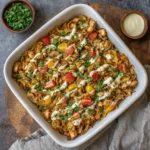
- Bake: Transfer to greased 9×13-inch baking dish. Cover tightly with foil. Bake at 375°F for 25 minutes. Uncover, rotate dish, and bake 10–20 minutes more until internal temp reaches 165°F and edges bubble.
- Rest & garnish: Let stand 10 minutes. Drizzle with 1 tsp toasted sesame oil. Sprinkle with white and black sesame seeds and green onion greens. Serve warm with extra pickled ginger on the side.
FAQ
- Can I use frozen chicken?
- Yes—but thaw completely in fridge overnight and pat *very* dry before marinating. Frozen chicken releases excess water, diluting sauce and creating steam instead of caramelization.
- Why does my casserole taste too salty?
- Most likely from regular (not low-sodium) soy sauce or bottled teriyaki sauce. Always use low-sodium soy and skip added salt—ginger, garlic, and mirin provide ample flavor depth without sodium overload.
- Can I make this ahead of time?
- Absolutely. Assemble up to 24 hours in advance (unbaked), cover tightly, and refrigerate. Add 5–7 minutes to initial bake time. For longer storage, freeze unbaked casserole up to 3 months—thaw overnight before baking.
- Is there a dairy-free version?
- This recipe is naturally dairy-free. Avoid cheese-based variations unless using vegan cheese. Double-check labels on mirin and soy sauce for hidden dairy derivatives (rare but possible in flavored varieties).
- What’s the best rice substitute for low-carb?
- Riced cauliflower is the top choice—sauté it first to drive off moisture. Alternatives: shirataki rice (rinse well and dry-toast), spiralized kohlrabi, or mashed turnips for creamy texture.
- My sauce turned out thin/runny—what went wrong?
- Three common causes: (1) Skipping the cornstarch slurry, (2) Not simmering the glaze long enough after adding slurry (needs 2+ mins to activate), or (3) Adding cold glaze to warm casserole—always use warm (not hot or cold) glaze for optimal binding.
- Can I air-fry individual portions?
- Yes! Portion into oven-safe ramekins or silicone muffin cups. Air-fry at 370°F for 12–15 minutes, rotating halfway, until internal temp hits 165°F. Finish with sesame oil and garnishes.
- How do I store and reheat leftovers?
- Cool completely, then refrigerate in airtight container up to 4 days. Reheat covered in 350°F oven with 1 tbsp broth for 15–20 minutes—or steam gently in skillet. Avoid microwave-only reheating for best texture.
- Can I double this recipe?
- Yes—use two 9×13 dishes or one large roasting pan (15×10). Increase bake time by 5–8 minutes and check temperature in multiple spots. Stir halfway through uncovered bake if using single large pan.
- What wine or beverage pairs well?
- A crisp, off-dry Riesling balances sweetness and acidity; Junmai Ginjo sake highlights umami; sparkling water with yuzu or lemon complements richness without heaviness. For non-alcoholic: chilled barley tea (mugicha) or ginger-kombucha.
Summary
Teriyaki Chicken Casserole is a harmonious fusion masterpiece—melding centuries-old Japanese umami craftsmanship with American comfort-food practicality, all wrapped in one glossy, golden-brown, deeply flavorful baked dish that nourishes both body and spirit.
With customizable bases, adaptable proteins, smart substitutions for every diet, and make-ahead flexibility, it’s not just a recipe—it’s a versatile, joyful, and endlessly expressive cornerstone of modern home cooking.