Introduction
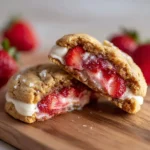
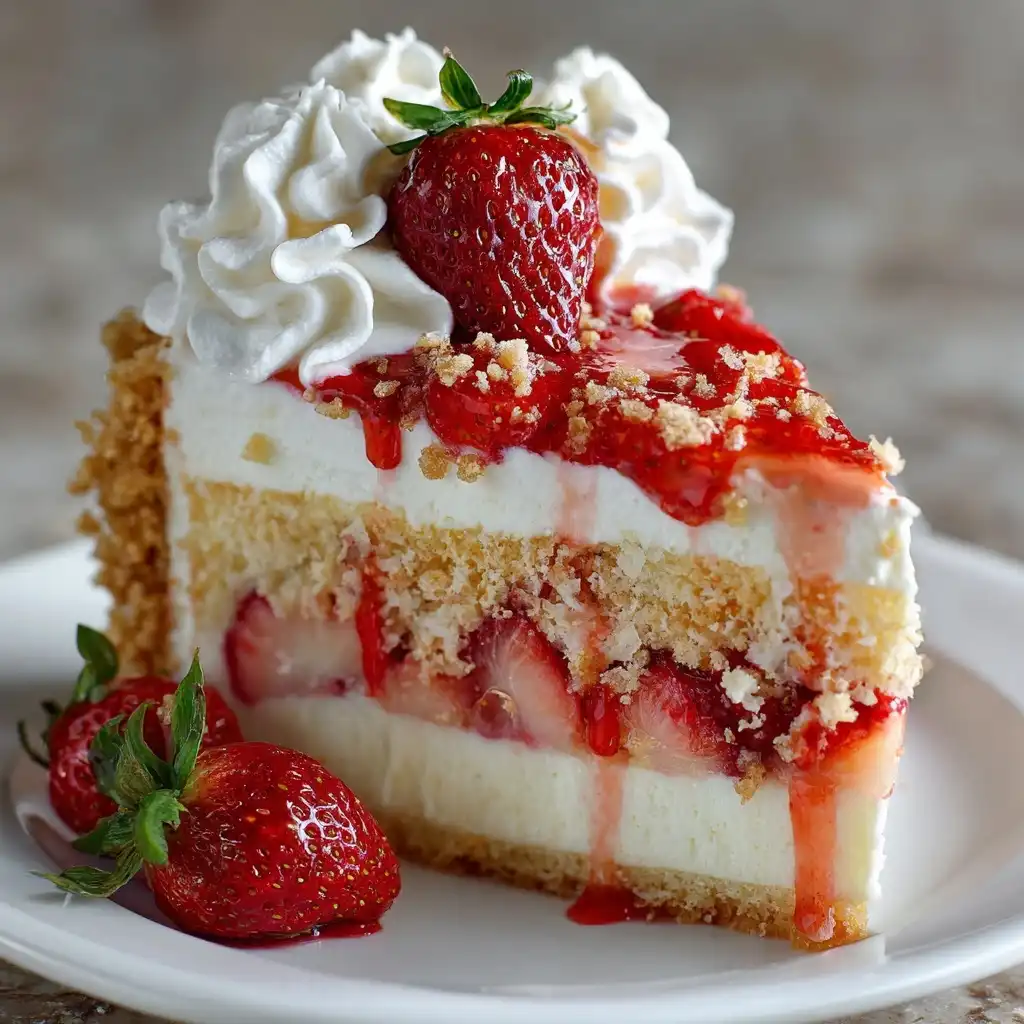
Strawberry Shortcake Cheesecake is a breathtaking fusion dessert that marries the nostalgic charm of classic American strawberry shortcake with the rich, velvety decadence of New York–style cheesecake. Imagine tender, buttery shortcake crumb crust giving way to a luxuriously smooth, tangy-sweet cream cheese filling, crowned with vibrant, macerated fresh strawberries and a whisper of whipped cream or vanilla bean-infused crème fraîche. This isn’t just a dessert—it’s an orchestrated symphony of textures and flavors: crisp yet yielding, cool yet creamy, bright yet deeply comforting. Whether served at a spring garden party, a summer picnic, or as a showstopping finale to a holiday meal, Strawberry Shortcake Cheesecake delivers both elegance and accessibility—sophisticated enough for food critics, homey enough for family dinners. Its layered construction invites customization, its seasonal ingredients celebrate freshness, and its make-ahead versatility makes it a beloved favorite among bakers who value both precision and heart.
The History
The origins of Strawberry Shortcake Cheesecake are not rooted in a single historical moment but rather emerge from a delicious evolution spanning centuries and culinary traditions. Strawberry shortcake itself traces back to 16th-century England, where “shortcake” referred to a crumbly, biscuit-like pastry made with “shortening” (fat that inhibits gluten development), often served with stewed berries. By the 19th century, American colonists adapted it using baking powder–leavened biscuits, fresh strawberries, and sweetened cream—a tradition immortalized in Sarah Josepha Hale’s 1855 cookbook *The Good Housekeeper*. Meanwhile, cheesecake has ancient roots—from Athenian honey-sweetened ricotta cakes served at Olympic games to Roman adaptations with crushed cheese and eggs. The modern American baked cheesecake, particularly the dense, creamy New York style popularized by Arnold Reuben and later perfected by Lindy’s and Junior’s in the early 1900s, laid the foundation for today’s innovations. The marriage of these two icons began gaining traction in the late 20th century, fueled by food magazines like *Bon Appétit* and *Gourmet*, and accelerated by the rise of food blogs and social media in the 2010s. Chefs and home bakers alike started experimenting with hybrid desserts—replacing graham cracker crusts with shortcake crumbs, layering macerated berries between fillings, and incorporating cornstarch-thickened strawberry compotes into no-bake versions. Today, Strawberry Shortcake Cheesecake stands as a testament to American dessert ingenuity: a culturally resonant, seasonally responsive, and technically thoughtful evolution that honors tradition while boldly reimagining it.
Ingredients Breakdown
Every exceptional Strawberry Shortcake Cheesecake begins with intentionality—each ingredient serves a precise structural, textural, or flavor purpose. Below is a comprehensive, chef-level breakdown:
- Shortcake Crust Base: All-purpose flour (for structure and tenderness), granulated sugar (for caramelization and sweetness), cold unsalted butter (for flakiness and richness—cut into pea-sized pieces), baking powder (for gentle lift without toughness), salt (to balance and enhance), heavy cream or buttermilk (for moisture and tang; buttermilk adds acidity that tenderizes gluten), and optional vanilla extract or lemon zest (for aromatic complexity).
- Cheesecake Filling: Full-fat brick-style cream cheese (room temperature—non-negotiable for smoothness), sour cream (adds tang, moisture, and prevents cracking), full-fat Greek yogurt or crème fraîche (for extra silkiness and subtle acidity), granulated sugar (fine texture ensures even dissolution), brown sugar (adds molasses depth and moisture retention), large eggs (room temperature—binds and aerates), egg yolk (extra richness and emulsification), pure vanilla extract (preferably Madagascar Bourbon), lemon juice and finely grated lemon zest (brightens richness and balances fat), and a touch of cornstarch or tapioca starch (prevents weeping and stabilizes structure).
- Strawberry Component: Peak-season fresh strawberries (ideally local, vine-ripened, and fragrant—not refrigerated longer than 2 days), granulated sugar (draws out juices and concentrates flavor), freshly squeezed lemon juice (enhances brightness and preserves color), and optional additions like balsamic vinegar (for earthy sweetness) or a splash of Grand Marnier or Chambord (for grown-up complexity). For layered versions: a thin ribbon of seedless strawberry jam (strained and warmed) adds glossy sheen and binding power between layers.
- Finishing Touches: Whipped cream (stabilized with powdered sugar and a touch of mascarpone or cornstarch for hold), crumbled shortcake biscuits or toasted almond slivers (for contrast), fresh mint leaves (aromatic garnish), edible flowers (violets, pansies), and a delicate drizzle of reduced balsamic glaze or strawberry coulis.
Crucially, ingredient quality directly impacts outcome: low-moisture cream cheese (like Philadelphia) yields better texture than generic brands; organic, pasture-raised eggs contribute superior richness; and underripe or over-refrigerated strawberries will never deliver the floral, jammy intensity this dessert demands.
Step-by-Step Recipe
- Prepare the Shortcake Crust (Day Before Recommended): In a food processor, pulse 1 ½ cups all-purpose flour, ¼ cup granulated sugar, 1 tsp baking powder, and ½ tsp fine sea salt until combined. Add ½ cup (1 stick) very cold unsalted butter, cut into cubes, and pulse until mixture resembles coarse crumbs with some pea-sized butter pieces remaining. Drizzle in ⅓–½ cup cold heavy cream (or buttermilk), 1 tbsp at a time, pulsing just until dough begins to clump. Turn onto parchment, gather into a disc, wrap tightly, and chill for at least 2 hours—or preferably overnight. When ready, preheat oven to 350°F (175°C). Roll dough to ¼-inch thickness between two sheets of parchment, transfer to a 9-inch springform pan, gently press into bottom and 1 inch up sides, trim excess, prick base with fork, and freeze for 15 minutes. Blind bake at 350°F for 18–22 minutes until golden and dry to the touch. Cool completely on a wire rack.
- Make the Strawberry Macerate (Can Be Done Up to 3 Days Ahead): Hull and slice 1 lb (about 4 cups) ripe strawberries. In a nonreactive bowl, combine with ⅓ cup granulated sugar, 1 tbsp fresh lemon juice, and optional 1 tsp balsamic vinegar. Gently stir, cover, and refrigerate for at least 2 hours—or overnight—to draw out juices and deepen flavor. Drain excess liquid (reserve for coulis or syrup) and chill berries separately.
- Prepare the Cheesecake Filling: Using a stand mixer fitted with paddle attachment (or hand mixer), beat 24 oz (3 (8-oz) packages) full-fat cream cheese on medium-low until completely smooth and creamy (3–4 minutes—scrape bowl thoroughly). Add 1 cup full-fat sour cream and ½ cup full-fat Greek yogurt; mix until homogenous. Gradually add 1 cup granulated sugar + ¼ cup light brown sugar, mixing on low until incorporated, then increase to medium for 1 minute until lightened. Add 3 large room-temperature eggs, one at a time, mixing just until yolk disappears after each addition. Then add 1 large room-temperature egg yolk. Mix in 2 tsp pure vanilla extract, 1 tbsp fresh lemon juice, and 1 tsp finely grated lemon zest. Finally, whisk together 2 tbsp cornstarch and 1 tbsp heavy cream, then blend into batter on low until fully incorporated—do not overmix. Batter should be thick, glossy, and free of lumps.
- Assemble & Bake: Pour filling over cooled shortcake crust. Tap pan sharply on counter 3–4 times to release air bubbles. Place springform pan inside a larger roasting pan. Carefully pour hot water into roasting pan until it reaches halfway up springform sides (water bath). Bake at 325°F (163°C) for 1 hour 15 minutes–1 hour 30 minutes—center should jiggle slightly like Jell-O when gently shaken, with edges set. Turn off oven, crack door open 2 inches with a wooden spoon, and let cheesecake cool inside for 1 hour. Remove from water bath, run thin knife around edge, and refrigerate uncovered for at least 12 hours—ideally 24–48 hours—for optimal texture and clean slicing.
- Final Assembly: Just before serving, top chilled cheesecake with drained macerated strawberries, reserving syrup. Dollop generously with stabilized whipped cream (1 cup cold heavy cream + 2 tbsp powdered sugar + 1 tsp vanilla + 1 tbsp mascarpone, whipped to medium peaks). Garnish with additional whole berries, crumbled shortcake, mint, and a delicate drizzle of reserved syrup or balsamic reduction.
Tips
- Temperature Is Everything: Never skip bringing cream cheese, eggs, and dairy to true room temperature (68–72°F)—cold ingredients cause lumps, overmixing, and uneven baking. Let them sit out for 2–3 hours, not just 30 minutes.
- Patience with the Crust: Freezing the unbaked crust before blind baking prevents shrinkage. Docking (pricking) and using pie weights (or dried beans) ensures a flat, crisp base that won’t slump under the weight of the filling.
- Water Bath Mastery: Use a tea kettle to pour hot (not boiling) water into the roasting pan—this minimizes splashing and temperature shock. Line the springform bottom with double layers of heavy-duty foil, wrapped tightly upward, to prevent leaks. A slow, gentle rise in temperature is key to crack-free results.
- Don’t Rush the Chill: Refrigerating for less than 12 hours leads to sloppy slices and muted flavor. The extended chill allows proteins to fully set, fats to solidify, and flavors to harmonize. For best results, prepare crust and macerate strawberries one day, bake cheesecake the next morning, and chill overnight before serving.
- Knife Discipline: Always use a long, thin, non-serrated knife dipped in hot water and wiped dry between every slice. This yields pristine, glossy cuts without dragging or smearing.
- Strawberry Wisdom: Macerate berries no more than 24 hours ahead—longer causes them to break down and bleed excessively. If using frozen strawberries (not ideal), thaw completely, drain *very* well, and pat dry with paper towels to avoid watery filling.
- Acid Balance: Lemon zest and juice aren’t optional—they cut through fat, elevate aroma, and prevent cloying sweetness. Taste batter before baking (a tiny bit is safe) and adjust if needed.
- Stabilize Your Toppings: Unstabilized whipped cream wilts within hours. Adding even a teaspoon of cornstarch (dissolved in 1 tsp cold cream) or 1 tbsp mascarpone gives it staying power for buffet service or outdoor events.
Variations and Customizations
This recipe is gloriously adaptable—whether accommodating dietary needs, celebrating regional produce, or expressing creative flair. Here’s an expansive guide to customizing your Strawberry Shortcake Cheesecake:
- Dietary Adaptations: Gluten-Free: Substitute shortcake crust with GF all-purpose blend (plus ¼ tsp xanthan gum) and certified GF oats in crumble variation. Vegan: Use almond-based “cream cheese” (Kite Hill or Miyoko’s), coconut cream instead of sour cream, flax eggs, and shortcake made with vegan butter and oat milk. Low-Sugar: Replace granulated sugar with erythritol or allulose (1:1 blend); reduce by 25% and boost lemon/vanilla to compensate for lost depth.
- Flavor Twists: Lemon-Blueberry Swirl: Fold ½ cup blueberry compote (simmered with lemon zest) into batter in ribbons before baking. Basil-Strawberry: Infuse macerate with 4–5 fresh basil leaves (removed before serving) for herbal sophistication. Maple-Pecan Shortcake Crust: Add ¼ cup toasted pecans and 2 tbsp pure maple syrup to crust dough.
- Texture & Layer Innovations: No-Bake Version: Use chilled shortcake crumb crust, set filling with gelatin (2 tsp bloomed in 2 tbsp cold water), and fold in whipped cream before chilling 8+ hours. Layered Parfait Style: Serve in individual glasses: shortcake crumb, strawberry compote, cheesecake mousse (whipped filling), repeat, top with fresh berries and mint. Deconstructed Platter: Arrange components separately—mini shortcake rounds, quenelles of cheesecake, mounds of macerated berries, piped cream, and edible flowers—for interactive, visually stunning presentation.
- Seasonal Substitutions: Swap strawberries for raspberries in early summer, blackberries in midsummer, or roasted rhubarb-strawberry compote in spring. For fall, try spiced pear-ginger compote with cardamom shortcake crust. Winter calls for blood orange segments with rosemary-infused shortcake.
- Alcoholic Enhancements: Add 1 tbsp Chambord to macerate, 1 tsp bourbon to cheesecake batter, or finish with a spritz of Prosecco-infused whipped cream. For a boozy crust: replace 1 tbsp cream with Amaretto.
- Decadent Upscales: Top with white chocolate–strawberry ganache, sprinkle with freeze-dried strawberry powder, or add a hidden layer of salted caramel between crust and filling. For luxury service: serve with warm strawberry-rhubarb coulis and a scoop of vanilla bean ice cream.
Health Considerations and Nutritional Value
While Strawberry Shortcake Cheesecake is undeniably indulgent, mindful preparation can enhance its nutritional profile without sacrificing pleasure. A standard slice (1/12 of a 9-inch cake) typically contains approximately 480–540 calories, 30–36g total fat (18–22g saturated), 52–60g carbohydrates (36–42g sugars), and 7–9g protein. However, strategic modifications yield meaningful improvements:
- Smart Fat Choices: Using full-fat dairy supports satiety and nutrient absorption (fat-soluble vitamins A, D, E, K), but substituting half the butter in the crust with avocado oil or cold-pressed coconut oil adds monounsaturated fats. Opting for grass-fed cream cheese increases omega-3s and CLA (conjugated linoleic acid).
- Sugar Intelligence: Natural fruit sugars from strawberries provide fiber, vitamin C (140% DV per cup), folate, and potent antioxidants like ellagic acid and anthocyanins—linked to reduced inflammation and improved cardiovascular health. Reducing added sugars by 20–30% and relying on ripe, in-season berries enhances sweetness perception naturally.
- Protein & Texture Benefits: Greek yogurt and egg yolks contribute high-quality protein and choline (vital for brain and liver function). The shortcake crust adds small amounts of B vitamins and iron—especially if made with enriched flour or whole wheat pastry flour (substitute up to ¼ cup).
- Digestive Wellness: Lemon juice and zest stimulate gastric enzymes; strawberries’ natural fiber (3g per cup) supports gut motility and microbiome diversity. Avoid ultra-processed stabilizers—opt for real food thickeners like cornstarch or arrowroot.
- Mindful Indulgence Principles: Portion control remains key—using a 10-inch pan yields thinner, more elegant slices. Pairing with a peppermint or ginger herbal tea aids digestion. Serving at room temperature (not straight from the fridge) improves flavor release and reduces perceived heaviness.
- Who Should Modify: Those managing diabetes should prioritize low-glycemic toppings (fresh berries only, no added syrup), monitor portions closely, and consider pairing with a handful of almonds to slow glucose response. Individuals with lactose sensitivity may tolerate aged cheeses better—but for strict intolerance, explore cashew-based no-bake versions with probiotic-rich coconut yogurt.
Ultimately, nutrition is holistic: the joy of sharing this dessert with loved ones, the mindfulness of savoring each bite, and the celebration of seasonal abundance contribute meaningfully to emotional and metabolic well-being—far beyond macronutrient counts.
Ingredients
For the Shortcake Crust:
• 1 ½ cups (180g) all-purpose flour, plus extra for dusting
• ¼ cup (50g) granulated sugar
• 1 tsp aluminum-free baking powder
• ½ tsp fine sea salt
• ½ cup (113g / 1 stick) unsalted butter, very cold, cubed
• ⅓–½ cup (80–120ml) cold heavy cream or buttermilk
• 1 tsp pure vanilla extract (optional)
• 1 tsp finely grated lemon zest (optional)
For the Cheesecake Filling:
• 24 oz (680g / three 8-oz packages) full-fat brick-style cream cheese, room temperature
• 1 cup (240g) full-fat sour cream, room temperature
• ½ cup (120g) full-fat plain Greek yogurt or crème fraîche, room temperature
• 1 cup (200g) granulated sugar
• ¼ cup (50g) light brown sugar, packed
• 3 large eggs, room temperature
• 1 large egg yolk, room temperature
• 2 tsp pure vanilla extract
• 1 tbsp fresh lemon juice
• 1 tsp finely grated lemon zest
• 2 tbsp (16g) cornstarch or tapioca starch
• 1 tbsp (15ml) heavy cream (for starch slurry)
For the Strawberry Macerate & Topping:
• 1 lb (450g / ~4 cups) fresh, ripe strawberries, hulled and sliced
• ⅓ cup (67g) granulated sugar
• 1 tbsp fresh lemon juice
• Optional: 1 tsp high-quality balsamic vinegar or 1 tbsp Chambord liqueur
For the Whipped Cream:
• 1 cup (240ml) cold heavy cream
• 2 tbsp (16g) powdered sugar
• 1 tsp pure vanilla extract
• 1 tbsp (15g) mascarpone cheese (for stability)
For Garnish (Optional):
• Fresh mint leaves
• Edible flowers (violets, pansies, borage)
• Crumbled shortcake biscuits or toasted sliced almonds
• Reserved strawberry syrup or balsamic reduction
Directions
- Make the Shortcake Crust: In a food processor, combine flour, sugar, baking powder, and salt. Pulse 3 times to blend. Add cold butter cubes and pulse 10–12 times until mixture resembles coarse meal with visible pea-sized butter bits. With machine running, gradually drizzle in ⅓ cup cream through feed tube. Pulse just until dough begins to clump—if too dry, add remaining cream 1 tsp at a time. Turn dough onto lightly floured parchment, gather into disc, wrap tightly, and refrigerate minimum 2 hours or up to 3 days.
- Blind Bake the Crust: Preheat oven to 350°F (175°C). Roll chilled dough between two sheets parchment to ¼-inch thickness. Carefully invert into 9-inch springform pan, pressing firmly into bottom and 1 inch up sides. Trim excess, prick base with fork, and freeze 15 minutes. Line with parchment and pie weights (or dried beans). Bake 18 minutes. Remove weights and parchment; bake 4–6 minutes more until golden and dry. Cool completely on wire rack—minimum 1 hour.
- Prepare Strawberries: In bowl, gently toss sliced strawberries with sugar, lemon juice, and optional balsamic or liqueur. Cover and refrigerate minimum 2 hours, stirring once halfway. Before assembling, drain berries in fine-mesh strainer over bowl, reserving syrup. Chill berries and syrup separately.
- Make Cheesecake Filling: Using stand mixer with paddle, beat cream cheese on medium-low 3–4 minutes until perfectly smooth—scrape bowl well. Add sour cream and yogurt; mix 1 minute until blended. Gradually add granulated and brown sugars; mix on low 1 minute, then medium 1 minute until lightened. Add eggs one at a time, mixing just until yolk disappears after each. Add egg yolk, vanilla, lemon juice, and zest; mix 30 seconds. In small bowl, whisk cornstarch and 1 tbsp cream into smooth slurry. Add to batter; mix on low 30 seconds until fully incorporated—do not overmix.
- Bake: Pour filling over cooled crust. Tap pan firmly on counter 4 times. Place springform in roasting pan. Carefully pour hot water into roasting pan until halfway up springform. Bake at 325°F (163°C) 1 hour 15 minutes–1 hour 30 minutes—center should jiggle slightly. Turn off oven, crack door open 2 inches with wooden spoon, cool 1 hour inside. Remove from water bath, run thin knife around edge, cool on rack 1 hour more. Refrigerate uncovered minimum 12 hours—ideally 24–48 hours.
- Whip Cream: Just before serving, whip cold cream, powdered sugar, vanilla, and mascarpone on medium-high until medium peaks form (do not overwhip).
- Assemble: Run knife around edge again. Release springform collar. Top cheesecake with drained strawberries, dollops of whipped cream, reserved syrup drizzle, and garnishes. Slice with hot, clean knife.
FAQ
- Can I make this ahead?
- Absolutely—and it’s highly recommended! The crust can be baked and stored airtight at room temperature up to 3 days. Macerated strawberries keep 3 days refrigerated. Fully baked and chilled cheesecake tastes even better on Day 2 or 3. Assemble toppings no more than 2 hours before serving.
- Why did my cheesecake crack?
- Cracks most commonly result from rapid temperature changes (opening oven too soon), overmixing the batter (incorporating too much air), or cooling too quickly. Always use a water bath, avoid opening the oven during baking, and cool gradually in the turned-off oven with door ajar. Adding cornstarch and avoiding overbeating eggs also helps dramatically.
- Can I freeze Strawberry Shortcake Cheesecake?
- Yes—with caveats. Freeze *unfrosted* and *unsliced*: wrap tightly in plastic, then foil, and freeze up to 2 months. Thaw overnight in refrigerator, then bring to room temperature 30 minutes before topping with fresh strawberries and whipped cream. Do not freeze assembled dessert with fresh fruit or whipped cream.
- What if I don’t have a springform pan?
- You can use a 9-inch regular cake pan lined with *overlapping* parchment (extending 2 inches above rim) for easy lifting. However, springform is strongly advised for clean release and professional appearance.
- Can I use frozen strawberries?
- Fresh is strongly preferred for texture and flavor. If necessary, use unsweetened frozen strawberries—thaw completely, drain *aggressively* in fine-mesh strainer weighted with a can for 30 minutes, then pat *very* dry with paper towels. Expect softer texture and less vibrant color.
- My crust was soggy. How do I prevent that?
- Sogginess comes from moisture migration. Ensure crust is fully cooled before adding filling. Pre-baking (blind baking) is non-negotiable. For extra insurance, brush cooled crust with melted white chocolate or apricot jam and let set before filling.
- Is there a lower-fat version?
- Reducing fat significantly compromises texture and flavor integrity. Instead, focus on portion control (slice thinner), boost berry volume, and use full-fat dairy mindfully. Low-fat cream cheese creates grainy, rubbery results and is not recommended.
- How do I prevent the strawberry syrup from making the top watery?
- Always drain macerated berries thoroughly before topping—and use syrup *only* as a finishing drizzle, not mixed in. For layered versions, cook reserved syrup down by half to create a thicker, glossy coulis that won’t bleed.
- Can I make mini versions?
- Yes! Use a muffin tin lined with foil or silicone liners. Reduce baking time to 20–25 minutes in water bath. Chill same duration. Perfect for parties and portion control.
- What’s the best way to transport this?
- Chill fully, then place on cardboard round slightly smaller than cake. Cover loosely with inverted cake carrier or large bowl. Keep refrigerated until 30 minutes before serving. Never stack or cover with plastic wrap directly on surface—it traps condensation.
Summary
Strawberry Shortcake Cheesecake is a masterful, multi-layered dessert that honors the rustic warmth of traditional shortcake and the elegant density of artisanal